

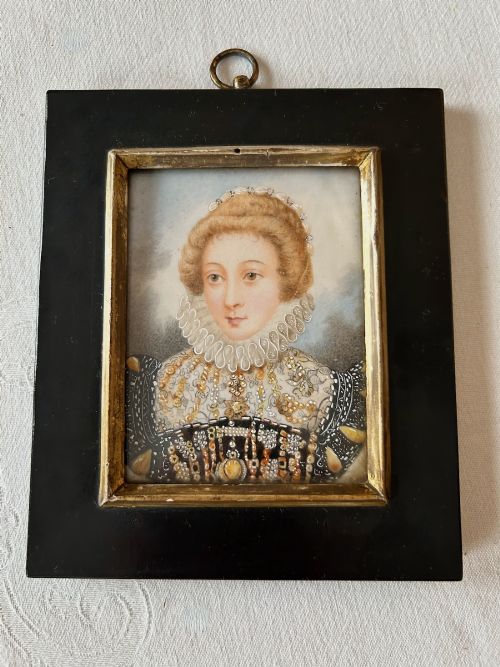
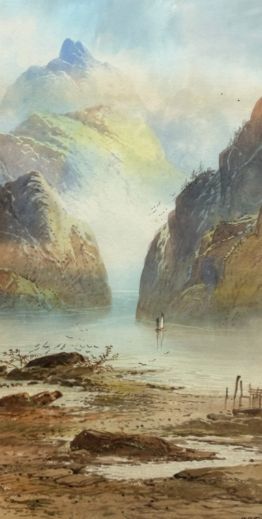
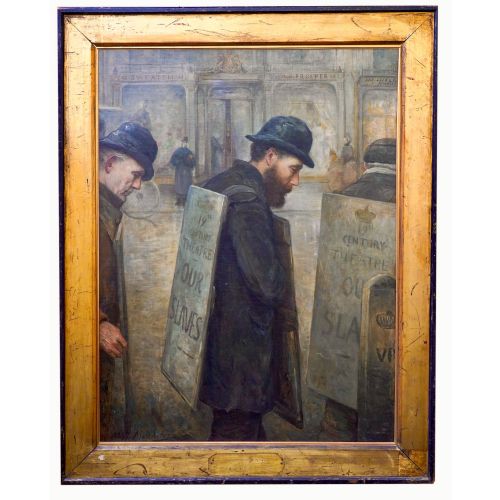
19th Century Art Painting
These 19th century art painting selections bring period character and historic depth into a room through genuine canvas and paper works.
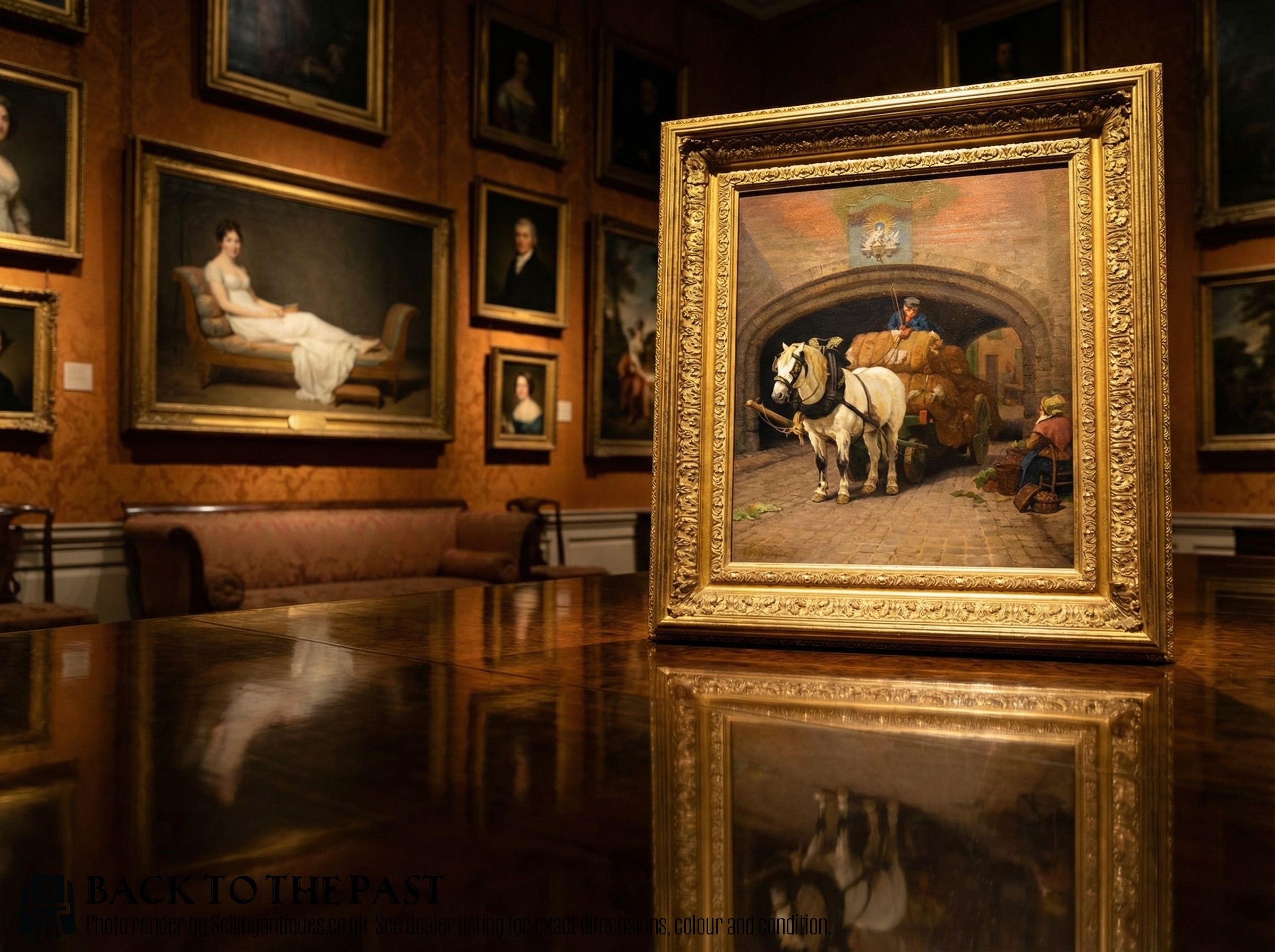
The Nature of a 19th Century Art Painting
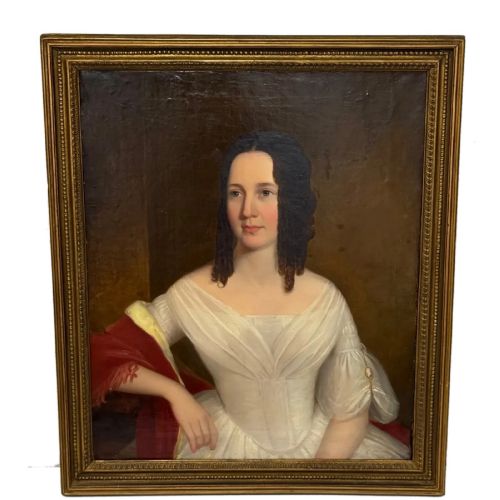
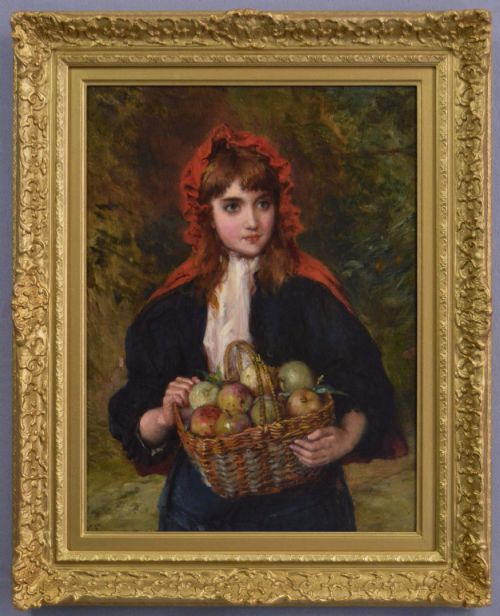
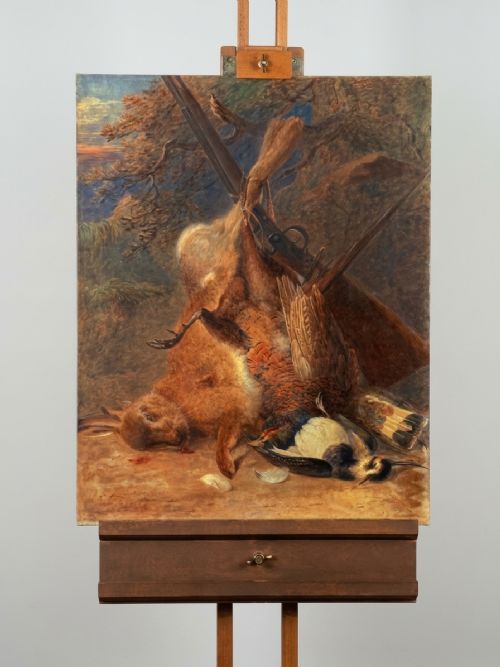
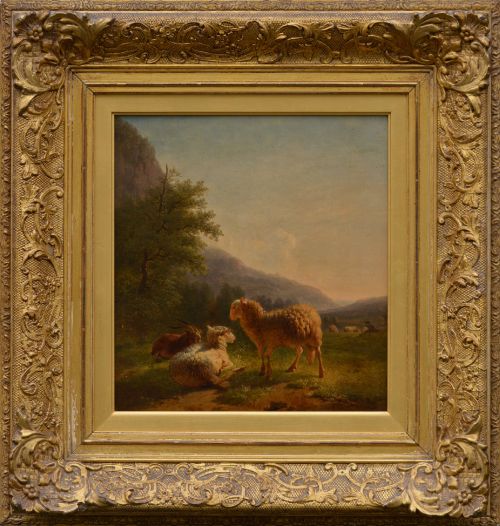
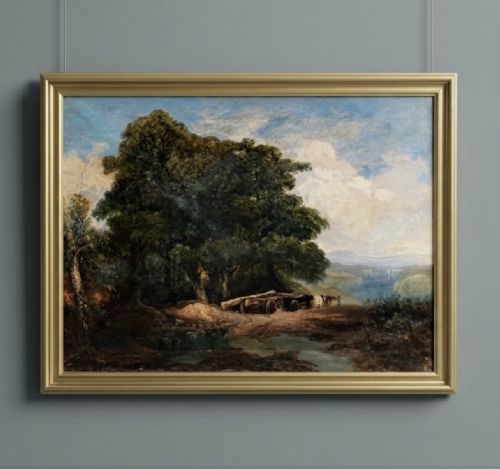
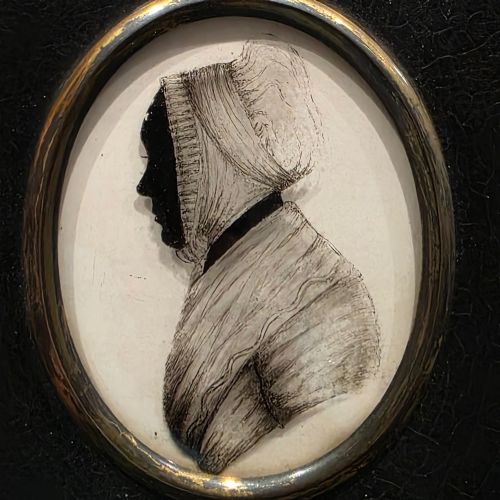
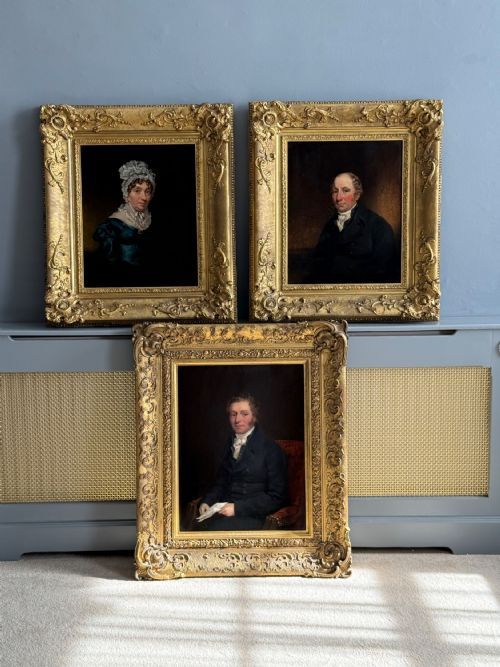
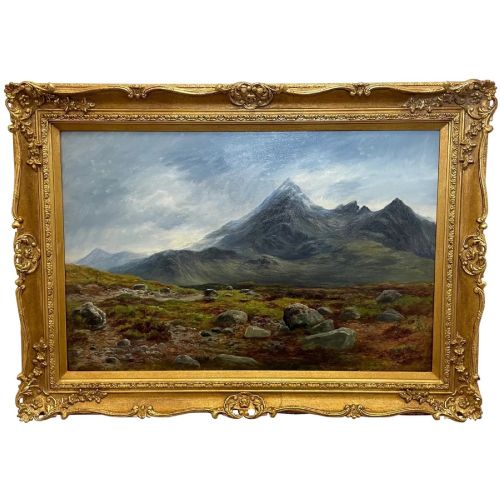
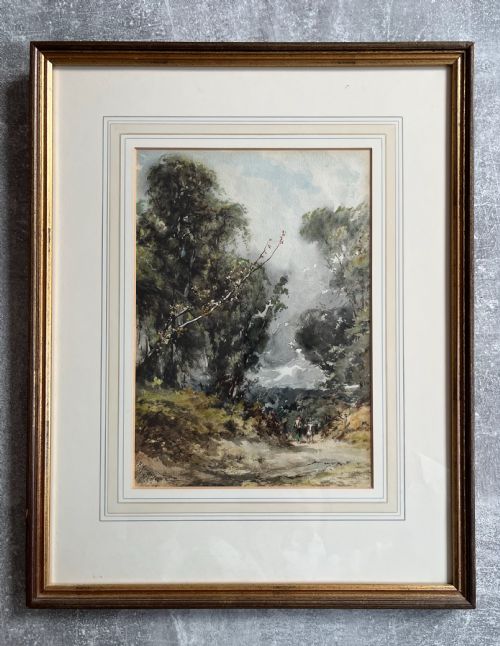
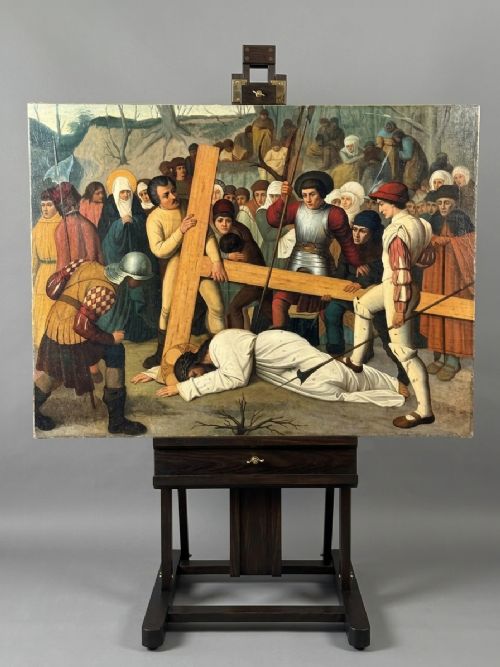
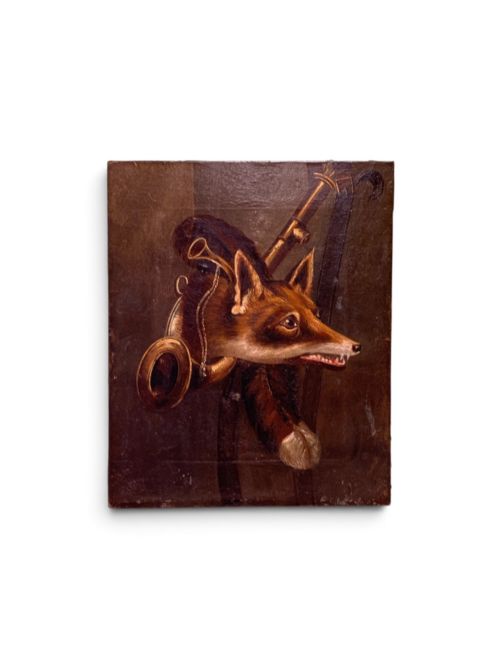
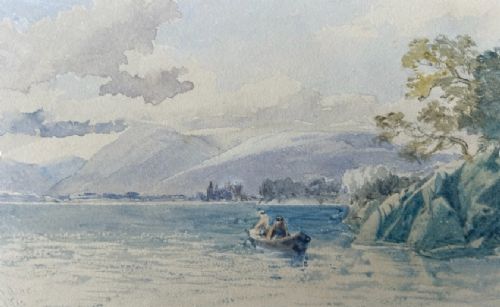
A 19th century art painting encompasses oil on canvas, wood panel and board works alongside detailed watercolours and pastels. Buyers encounter formal portraits, pastoral landscapes, marine scenes and naïve folk art.
Portraits of gentlemen, ladies and children sit alongside coastal views and rural cart tracks. The works span from Regency elegance through Victorian realism to Arts and Crafts sensibilities.
The pieces on this page draw from British, French and American traditions, reflecting both academic studio output and regional sketching traditions.
Materials and Construction
Painters utilised oil paint applied to stretched canvas, prepared wood panels or heavy board. Watercolours were executed on paper, sometimes mounted from artists' sketchbooks.
Supports were often housed in period giltwood or gilt wood frames, sometimes featuring moulded rebate sizes and detailed ornamentation.
Retail Price Guide 2026
Typical UK retail prices for 19th century art painting, calculated from the Sellingantiques database of over a million retail prices indexed since 2003. This retail price guide relies exclusively on Sellingantiques data; no external sources or auction records are used, so the figures do not describe the wider market.
Listings feature oil on canvas, wood panels and watercolours spanning the 19th century into the early twentieth.
Evaluating the Range
Quality rests in the handling of light, depth and anatomical proportion rather than the mere age of the canvas. Finer works display confident brushwork and assured spatial arrangement, whereas simpler pieces rely on charming directness.
The integrity of the original surface, the preservation of the pigment and the harmony of the accompanying gilt frame elevate certain examples above standard decorative works.
Bernard De Hoog·Edward Brice Stanley Montefiore·Henry Scott·Arthur Joseph Meadows·James Arthur O'Connor·William Henry Williamson·Margaret Bernard·Henry Barlow Carter·Jean Baptiste Discart·William Morris·David Woodlock·William Greaves·Henrietta Elizabeth Howard·Charles Randell·J Gibb·Arthur Gilbert·David Cox·Arthur Knowles·James Drummond·Myles Birket Foster·RH Nibbs·James Walsham Baldock
The 19th Century Art Painting Glossary
- Oil on Canvas
- A painting technique using pigment suspended in drying oils applied to a woven fabric support stretched over a wooden frame. This medium allowed artists to build rich textures and deep tonal gradations.
- Giltwood
- Wood carved and coated with a thin layer of gold leaf or metallic powder. It provides a reflective, ornate border that complements traditional artworks.
- Watercolour
- A paint consisting of pigment suspended in a water-soluble vehicle, typically applied to paper. It yields translucent washes and delicate atmospheric effects.
- Wood Panel
- A rigid flat wooden support utilised for paintings before canvas gained widespread favour. It offers a smooth, stable surface for fine brushwork.
- Folk Art
- Artistic work created within a cultural tradition by untrained or artisan hands. These pieces prioritise direct expression over academic rules of perspective.
Frequently Asked Questions
How do I care for an oil painting?
Keep the canvas away from direct sunlight and damp conditions to prevent pigment degradation and warping.
Dust the surface gently with a soft, dry brush and avoid chemical cleaning agents entirely.
Are watercolours fragile?
Paper supports are sensitive to moisture and light exposure over extended periods. Framing behind protective glass helps shield the pigment from atmospheric pollutants.
Display these works in shaded areas of the room to maintain colour depth.
What defines Victorian realism?
This style focuses on depicting everyday subjects and contemporary life with high fidelity. Artists observed human activity and natural scenery closely without idealized romanticism.
Brushwork remains controlled to capture realistic textures of clothing, water and foliage.
How do I identify a wood panel backing?
Turn the artwork over to examine the reverse of the primary support for exposed timber grain. Panels often exhibit age-related splitting or C-section curving along the edges.
These rigid boards provide a solid alternative to flexible woven canvas.