

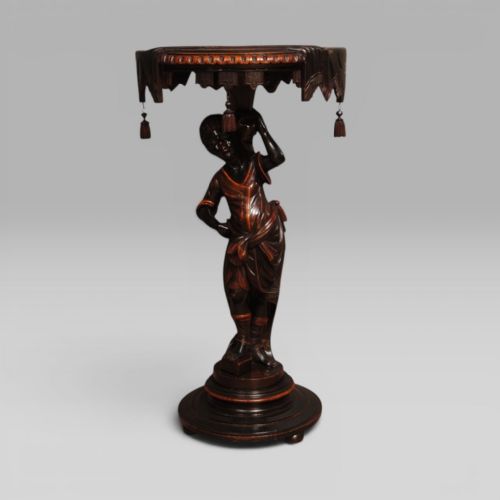


Nineteenth Century Plant Stand
A nineteenth century plant stand brings structural height and botanical display together through enduring timber, marble, and metal forms.
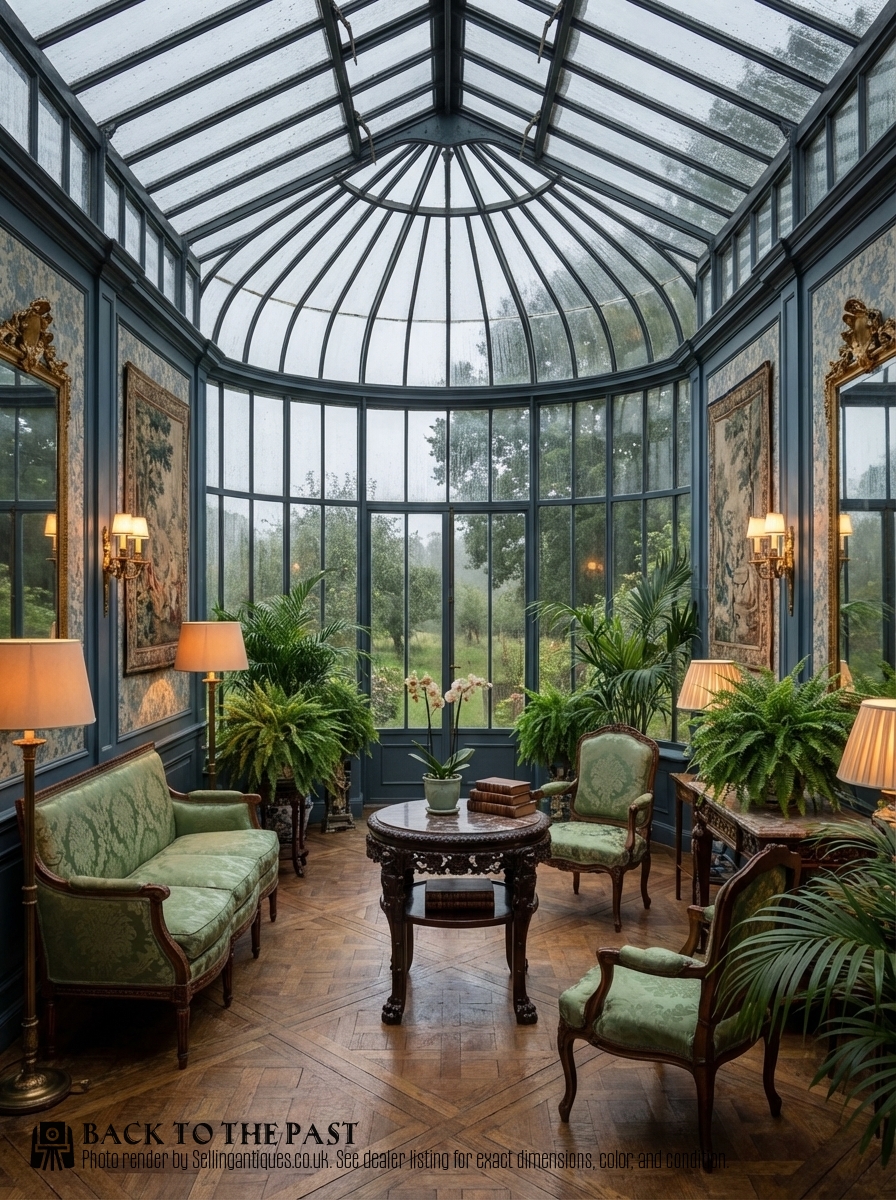
Nineteenth Century Plant Stand
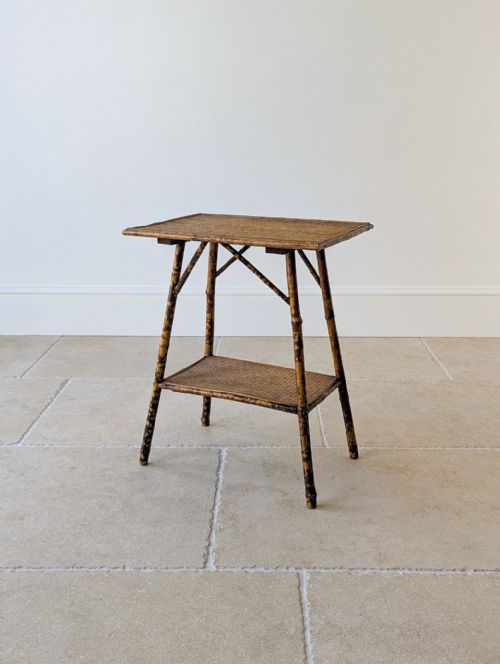
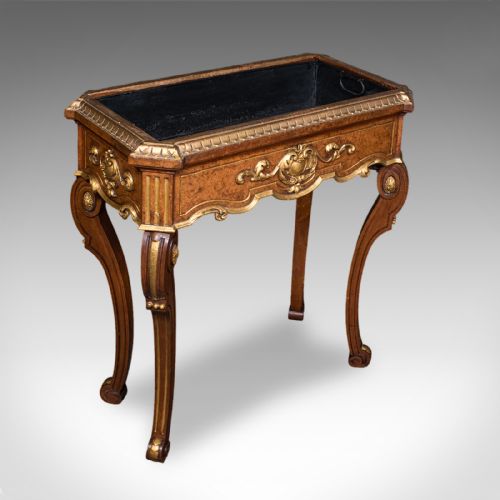
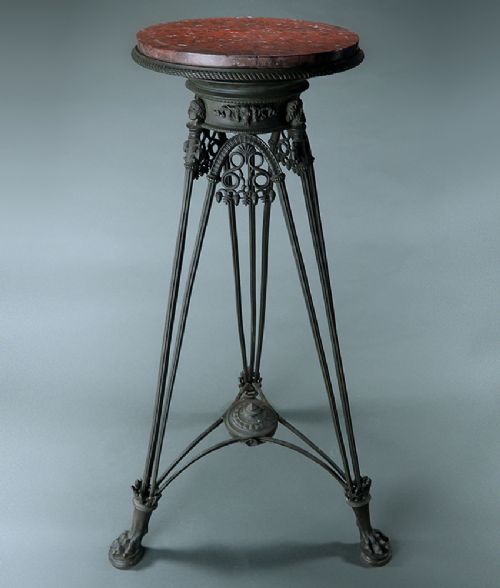
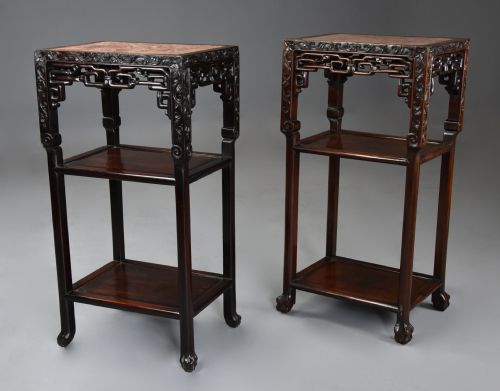
A nineteenth century plant stand encompasses tall pedestals, jardiniere tables with inset liners, and small occasional tables designed to elevate greenery within a room. These pieces emerge across the nineteenth century in varied guises, from French walnut planter tables to Chinese carved hardwood pot stands.
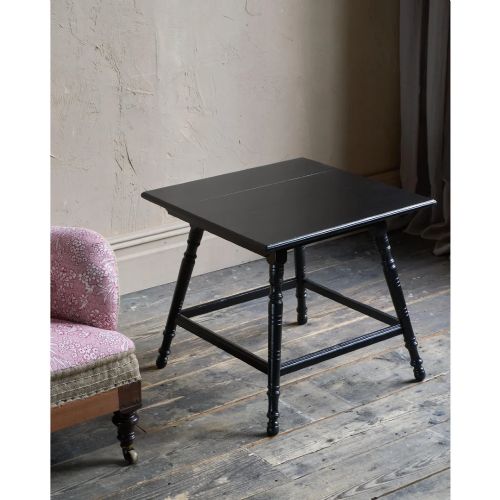
The most common versions met here combine functional display surfaces with decorative support, utilising mahogany, walnut, or ebonised wood alongside marble tops designed to resist moisture. Makers applied styles ranging from Regency and Victorian to Aesthetic Movement and Qing Dynasty to suit formal drawing rooms and conservatories alike.
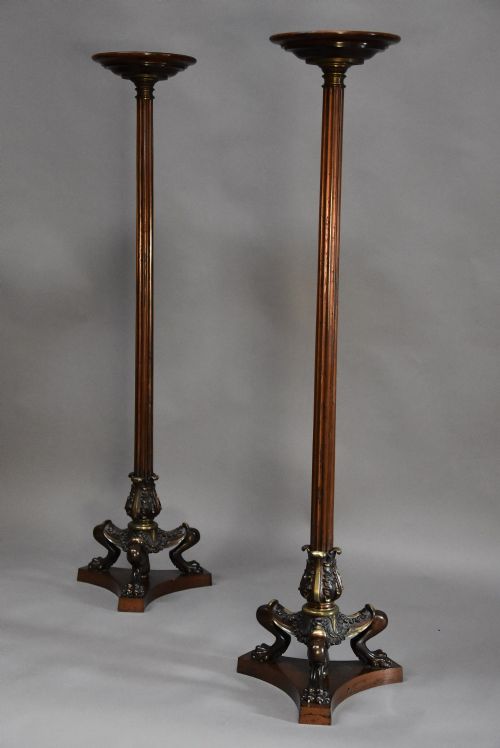
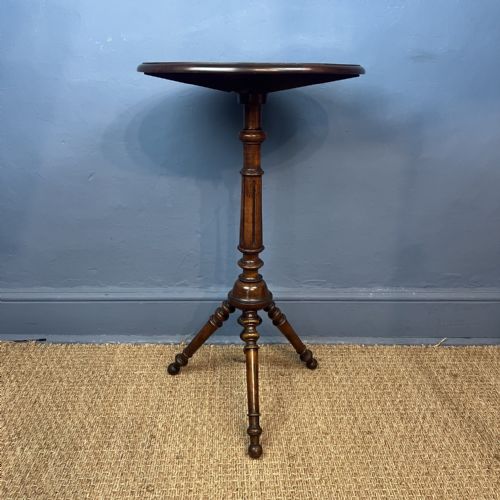
Forms cross boundaries easily, often doubling as sculpture stands, torchères, or wine tables depending on their proportions and top construction. Buyers encounter everything from tall marble columns to low tripod tables and multi-tiered stands created for horticultural display.
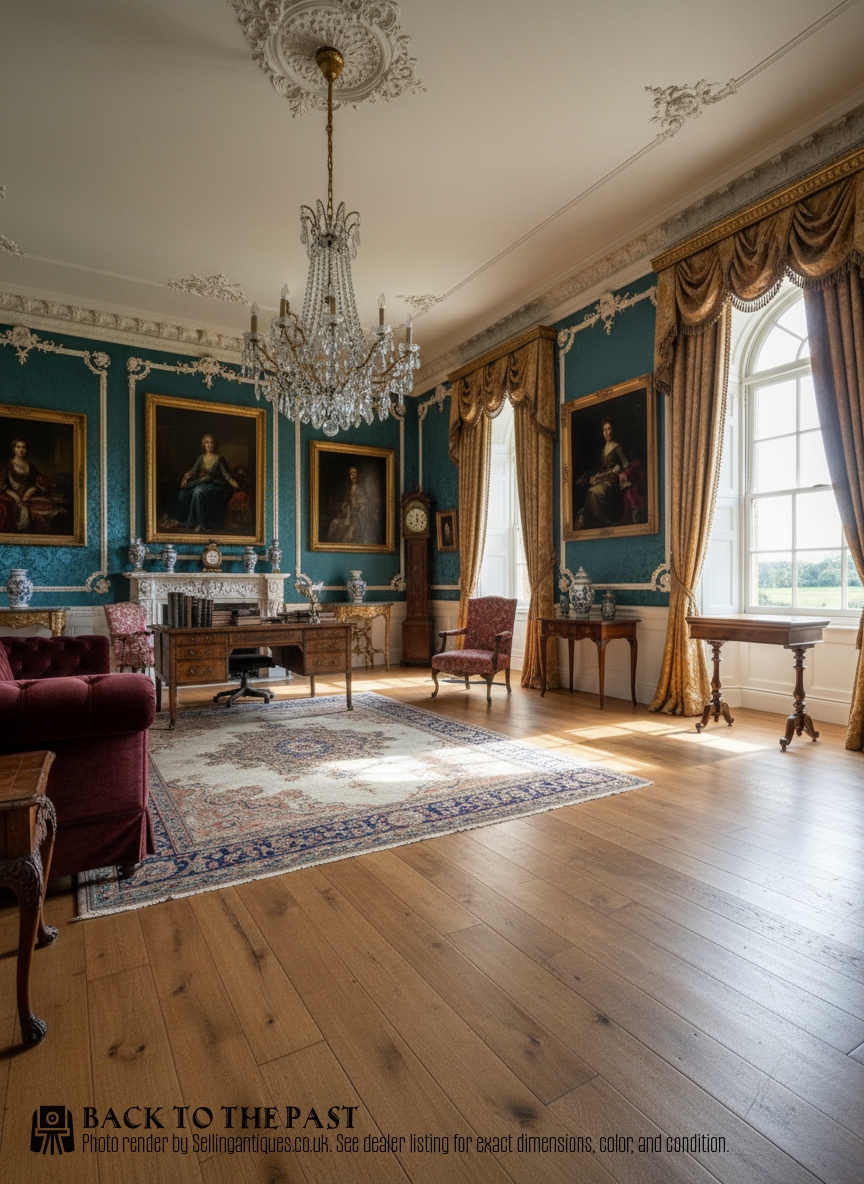
Materials and construction methods
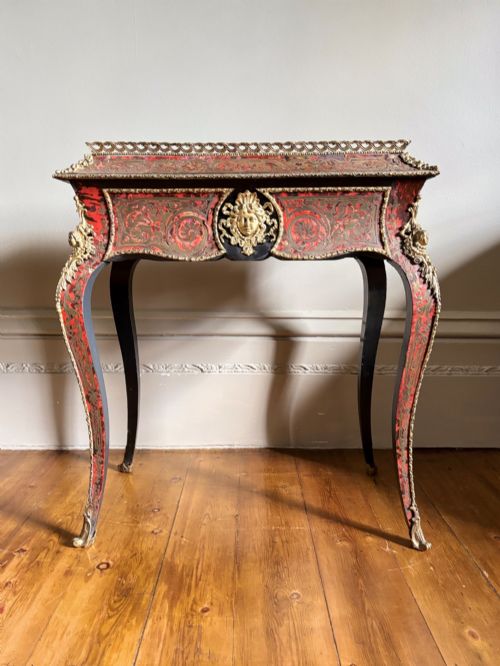
Cabinetmakers utilised dense timbers like mahogany, walnut, oak, and exotic Chinese hardwoods to build stable frames capable of supporting heavy planters and stone tops. Inlays of marquetry, brass mounts, and ormolu decoration frequently embellish the main structure, particularly on French Napoleon III and English Regency examples.
Marble inserts, including Verde Antico and Rouge varieties, provide durable surfaces for damp pots, while glazed ceramics and majolica appear in specialised jardinières. Joinery techniques range from traditional mortise and tenon frames to intricate bamboo assembly and hand-carved hardwood joinery.
Nineteenth Century Plant Stand Retail Price Guide 2026
Typical asking prices for nineteenth century plant stand among the pieces listed under this phrase on Sellingantiques today, from the lower quarter to the upper quarter. They describe what is for sale here now, not the wider market.
Listings feature woods such as mahogany, walnut, teak, birch, and ebonised wood alongside marble and brass.
Distinguishing quality in nineteenth century stands
The refinement of the carving and the integrity of the secondary woods separate standard production items from masterwork pieces. Crisp execution in carved hardwood or detailed marquetry inlay indicates a higher level of workshop output.
The choice of materials dictates overall grade, with thick slabs of figured marble, fire-gilded ormolu, and substantial bronze mounts marking out superior construction. Uniformity in matched pairs and the preservation of original metal liners also elevate a piece.
Hindley and Sons·Gillows·George Smith·Thomas Hope·James Mein of Kelso
The Nineteenth Century Plant Stand Glossary
- Jardiniere
- A decorative receptacle or stand designed to hold plants or flowers indoors. These often feature metal liners to protect the surrounding woodwork from moisture.
- Guéridon
- A small French occasional table supported by one or more columns or figures. They frequently feature marble tops and round wooden frames suitable for display.
- Torchere
- A tall stand or candlestick holder adapted to support lamps, urns, or floral arrangements. Pairs of these wooden or bronze columns provide symmetrical height in interior schemes.
- Ormolu
- Gilt bronze ornamentation applied to furniture and stands during the nineteenth century. This technique adds metallic contrast to dark woods like mahogany and walnut.
- Marquetry
- The art of applying pieces of veneer to a structure to form decorative patterns and pictures. Workshops used contrasting timbers to create floral or geometric table tops.
Nineteenth Century Plant Stand: Frequently Asked Questions
What is the difference between a jardiniere table and a plant stand?
A jardiniere table incorporates a built-in recess or metal liner to hold damp soil and plants directly within the furniture top. A plant stand acts purely as an elevated platform or pedestal to support an independent pot.
Both forms served similar horticultural purposes in nineteenth-century interiors, but the table version offers integrated containment for botanical displays.
How do I protect marble tops from water rings?
Marble naturally resists moisture better than wood, but unsealed varieties can still absorb liquids and stain over time. Using discreet protective pads or saucers beneath heavy pots preserves the polished stone surface.
Regular wiping with a damp cloth prevents mineral buildup from watering plants directly on the tabletop.
Can these stands support heavy ceramic pots?
Nineteenth-century stands built from dense hardwoods like mahogany, walnut, or teak offer substantial weight capacities for large ceramic and majolica vessels. Sturdy tripod bases and solid column constructions distribute heavy loads safely.
Checking the stability of the joints and the thickness of the top ensures the piece safely accommodates large greenery.
Where were these placed in nineteenth century homes?
These pieces typically occupied corners of drawing rooms, hallways, and glass-roofed conservatories where natural light benefited indoor plants. Paired stands often flanked doorways or windows to create symmetrical focal points.
Smaller occasional versions sat beside seating areas to hold tabletop flora or decorative lamps.