
Nineteenth Century Picture
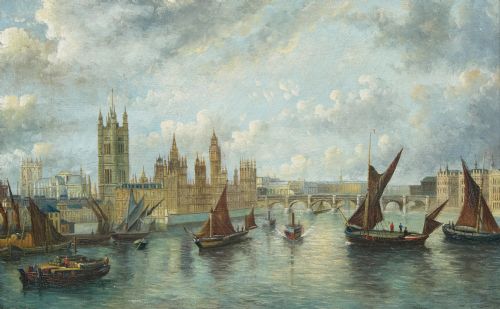
A nineteenth century picture captures the visual culture of an era through oil paintings, watercolours, and detailed engravings.
Nineteenth Century Picture
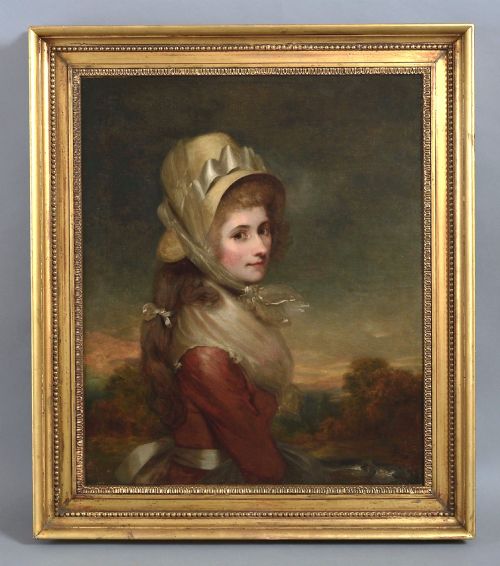
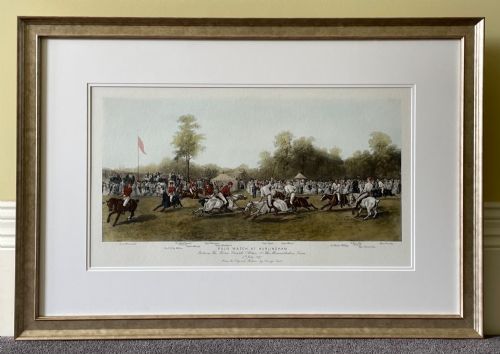
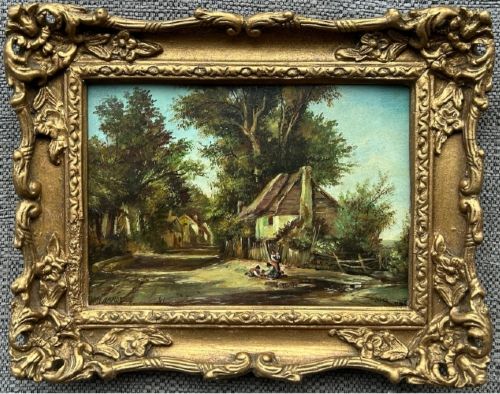
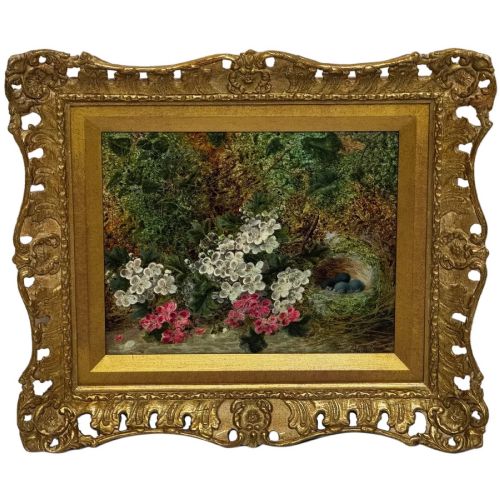
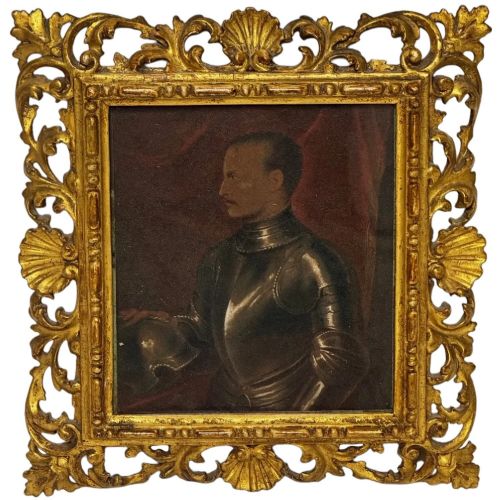
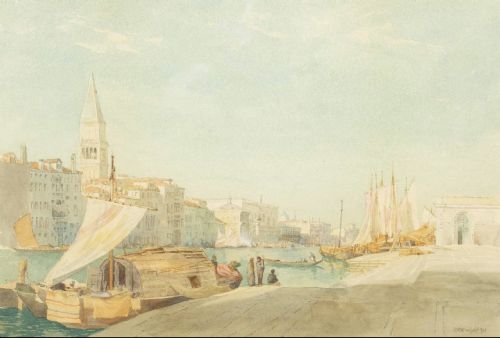
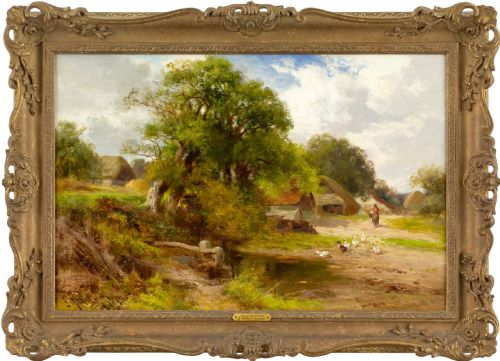
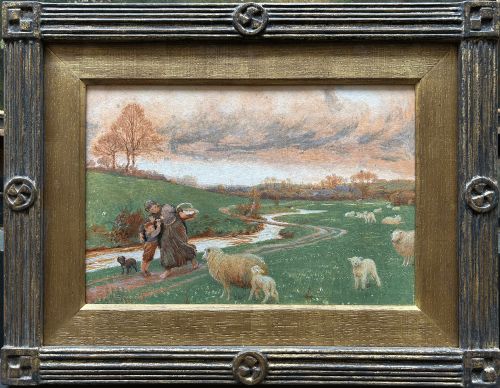
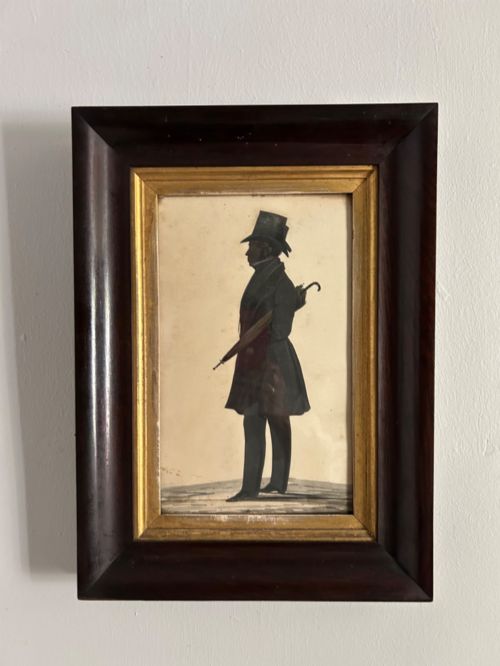
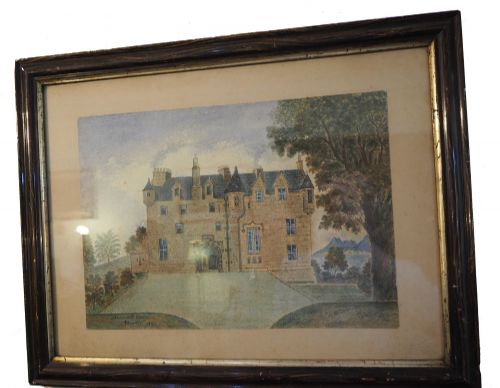
A nineteenth century picture encompasses a diverse range of artistic works from oils on canvas to delicate watercolours and printed media. Buyers encounter framed portraits, landscapes, and genre scenes produced across the Victorian and Regency periods.
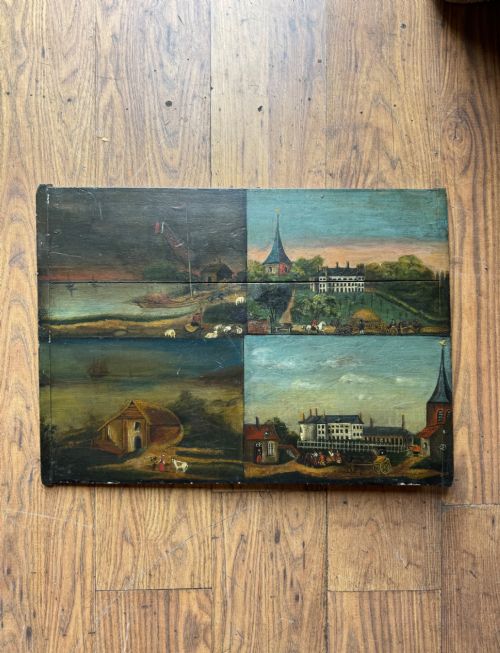
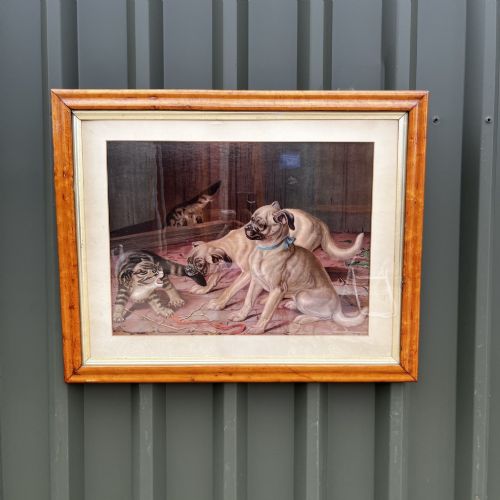
The selection frequently includes oil paintings on panel or canvas alongside chromolithographs, engravings, and embroidered woolwork pictures. These pieces reflect both grand academic traditions and provincial folk art practices.
Materials and Construction
Artworks utilise traditional supports such as canvas, paper, wood panels, and silk, employing media including oil, watercolour, pastel, and ink. Printmaking techniques range from hand-coloured engravings to chromolithography.
Listings feature works spanning the Regency and Victorian periods, utilising oil, watercolour, glass, and giltwood.
Distinctions in Quality
Quality rests upon the execution of the primary medium, such as the brushwork in an oil painting or the clarity of line in an engraving. Superior examples demonstrate skilled handling of light, shadow, and proportion.
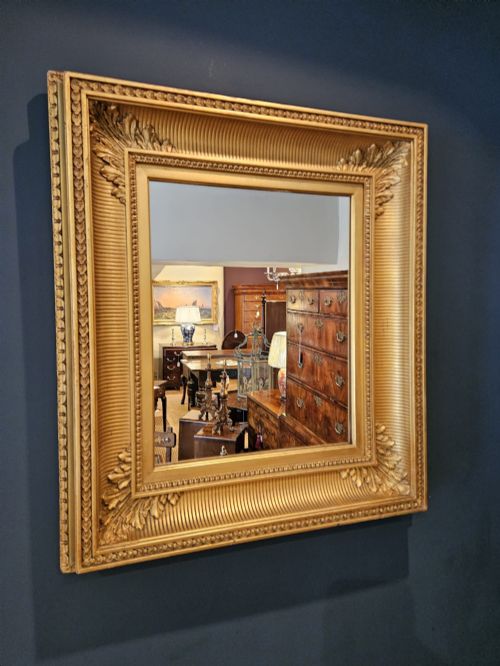
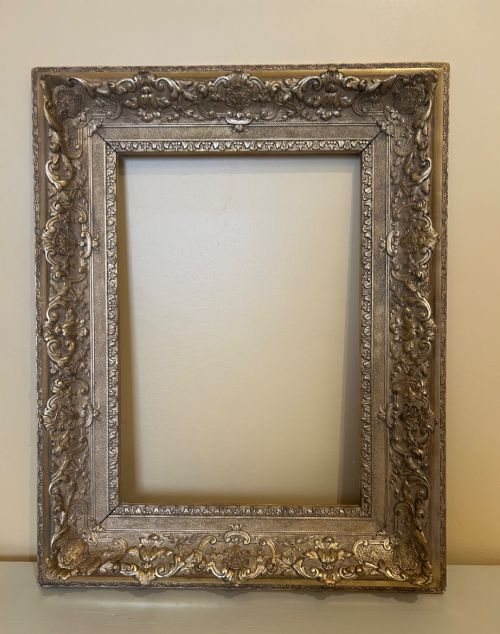
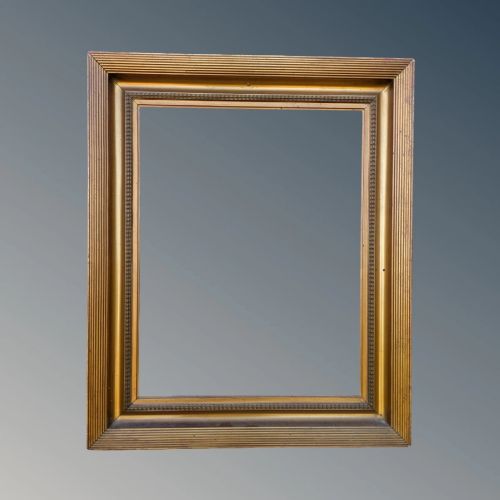
The craftsmanship of the housing influences the piece, with heavily ornamented giltwood and gesso frames showing superior sculptural depth compared to simpler mouldings.
Sir Martin Archer Shee·William Howard Hardy·Oliver Clare·John Horace Hooper·Frederick Walker·Horatio Henry Couldrey·Basil Nightingale·Henry John Yeend King·Sir Edwin Landseer·Kunisada
The Nineteenth Century Picture Glossary
- Chromolithography
- A planographic printing method that uses multiple lithographic stones to produce multicoloured images. This technique allowed for vibrant reproductions of paintings during the Victorian era.
- Gesso
- A plaster-like mixture applied to wood substrates to create a smooth surface for gilding. It is commonly moulded into relief decorations on picture frames.
- Giltwood
- Timber that has been coated with a thin layer of gold leaf or metallic powder. This finish appears frequently on nineteenth-century mirror and picture frames.
- Engraving
- A printmaking process where an artist cuts lines into a metal plate to hold ink. The resulting image is transferred onto paper under pressure.
- Silk work
- Embroidery executed in silk threads on a silk or fabric ground. These needlework pictures often depict historical or pastoral scenes from the Regency period.
Nineteenth Century Picture: Frequently Asked Questions
How do I identify a Victorian oil painting?
Examine the canvas preparation, stretcher frame construction, and pigment characteristics typical of the nineteenth century. Signature styles and subject matter often align with documented artistic movements of the period.
Look for framing materials and label remnants on the reverse that provide clues to the origin and date of the work.
What is the difference between an engraving and a lithograph?
Engravings involve incising lines into a hard plate to create sharp, defined marks when printed. Lithographs rely on chemical grease-and-water repellency on a flat stone surface to produce painterly tones.
Under magnification, engravings show ink resting in depressed grooves, whereas lithographic ink sits flat on the paper.
How should I hang a framed antique picture?
Support heavy gilt frames using secure wall fixings anchored directly into structural studs or masonry. Distribute the weight evenly using appropriate cordage or D-rings attached to the frame backing.
Position pieces away from direct sunlight and environmental heat sources to protect organic materials like paper, canvas, and wood.
Are textile pictures considered fine art?
Berlin woolwork and embroidered tapestries represent significant domestic art forms of the nineteenth century. These needlework pieces required considerable skill and were frequently framed and displayed like paintings.
They offer distinct insight into contemporary visual tastes alongside traditional canvas works.