


Nineteenth Century French Ceramics
Nineteenth century french ceramics bring together porcelain, faience, and earthenware from periods like Victorian and Regency, offering tangible elegance for any interior.
Nineteenth Century French Ceramics
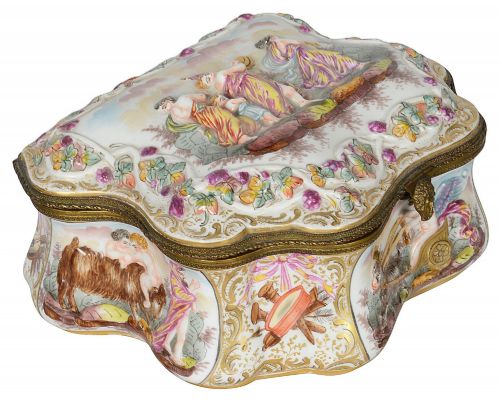
Nineteenth century french ceramics encompass a diverse range of ornamental objects, from large decorative urns and vases to intricate mantel clocks and cabinet plates. The pieces span periods such as the Victorian era, Regency, and late nineteenth century, reflecting evolving tastes across the decades.
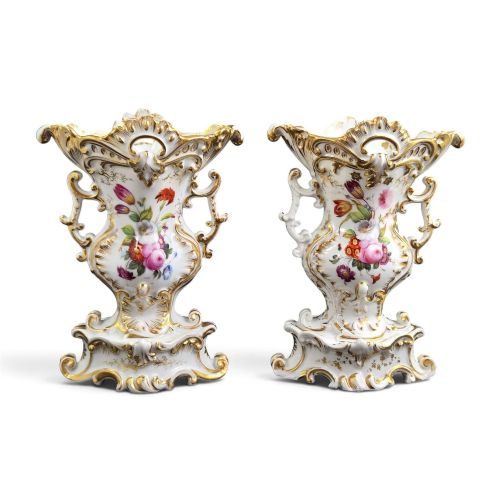
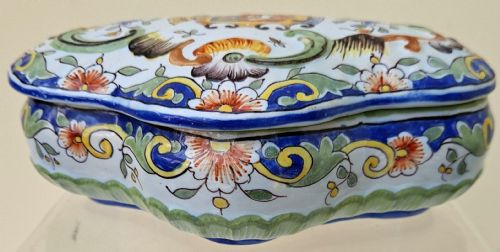
Buyers frequently encounter works executed in styles ranging from Rococo Revival and Renaissance Revival to French Faience and confit pottery from regional workshops. Forms include table lamps, vide-poche dishes, and biscuit porcelain figures originating from centres like Paris, Desvres, and Bavent.
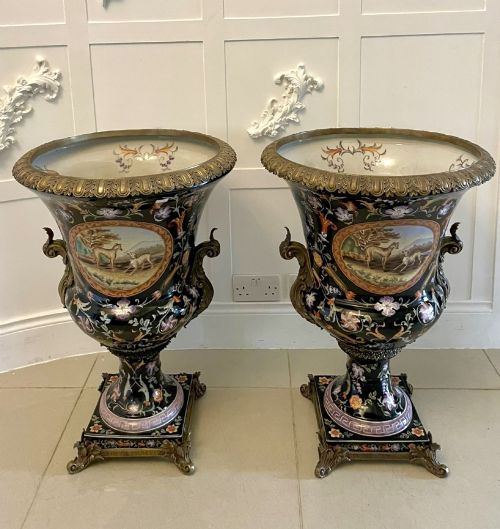
The selection ranges from utilitarian earthenware oil jars to exhibition quality Sèvres style garnitures mounted in ormolu and gilt bronze. Each item carries the distinct aesthetic markers of French craftsmanship from the eighteen hundreds.
Materials and Techniques
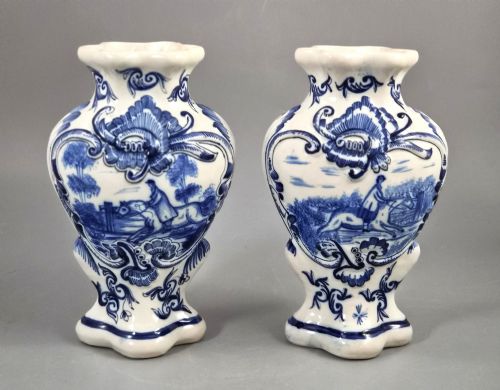
Potters and sculptors utilised porcelain, earthenware, and terracotta, shaping paste and clay before firing the bodies in kilns. Faience items often received hand-painted blue and white decoration or polychrome glazes characteristic of regional traditions.
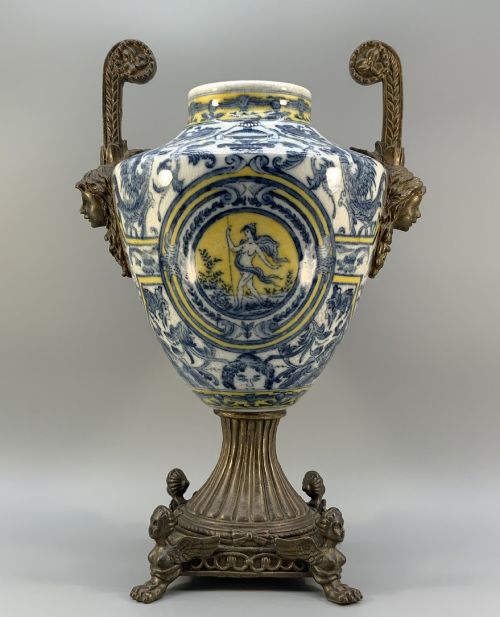
Metal mounts in ormolu, gilt bronze, and brass were cast and chased to frame porcelain vessels, adding structural support and decorative weight to vases, clocks, and centrepieces. Gold leaf application and delicate hand-painting further enriched surfaces on high-status tablewares and decorative figures.
Nineteenth Century French Ceramics Retail Price Guide 2026
Typical asking prices for nineteenth century french ceramics among the pieces listed under this phrase on Sellingantiques today, from the lower quarter to the upper quarter. They describe what is for sale here now, not the wider market.
A ceramic pig sculpture from Bavent in Normandy offers a charming glimpse into rural nineteenth century French animal portraiture.
Judging Quality
Quality rests upon the crispness of the modelled form and the precision of the hand-painted detail, particularly on Sèvres style vases and Paris porcelain figures. Superior pieces display fluid brushwork and balanced compositions without muddiness in the pigments or glazes.
The integration of metal mounts dictates the calibre of decorative objects, where heavy cast ormolu and gilt bronze fittings align harmoniously with the ceramic body. Finer items demonstrate careful chasing on the metalwork and meticulous finishing to both interior and exterior surfaces.
Jacob Petit·Fourmaintraux Courquin·Letu and Mauger·Pucher Deroche·Vion et Baury·Samson Paris·Louis Pierre Malpass·A Gory
The Nineteenth Century French Ceramics Glossary
- Faience
- Tin-glazed earthenware produced in France, often featuring painted blue and white motifs inspired by regional designs. It provides a traditional matte finish distinct from glossy porcelain.
- Ormolu
- Gilt bronze mounts applied to ceramic vessels and clocks during the nineteenth century. This technique involves coating cast bronze with a finely ground gold mercury amalgam.
- Biscuit
- Unglazed white porcelain fired to a matte, tactile finish resembling marble. It is frequently employed for sculptural figures and romantic groups.
- Garniture
- A set of three or more matching ornamental vases or urns designed to be displayed together on a mantelpiece or cabinet. These sets often incorporate gilt bronze mounts.
- Vide-poche
- A small decorative dish intended for emptying pockets of loose items upon entering a room. Ceramic examples often feature fretted borders or hand-painted scenes.
Nineteenth Century French Ceramics: Frequently Asked Questions
How were confit pots used?
Confit pots served as functional storage jars in French farmhouses and kitchens for preserving meats and provisions. Their glazed interiors kept foodstuffs secure over long periods.
Over time, these utilitarian earthenware vessels transitioned into decorative interior items valued for their rustic glazes and historical utility. Their robust forms reflect everyday rural life in France.
How do I identify Sèvres style porcelain?
Sèvres style pieces typically feature rich cobalt blue grounds, delicate hand-painted romantic scenes, and generous application of gold leaf. They often incorporate ornate ormolu mounts and classical vase shapes.
Makers in the nineteenth century produced these works in homage to the famous royal French factory. The overall visual weight and painting standard distinguish them from ordinary wares.
Where were Desvres faience pieces made?
Desvres faience originated in the northern French town of Desvres, known for its long ceramic tradition. Local workshops produced blue and white wares as well as colourful revival pieces.
Potters there utilised traditional tin glazes and hand-painted techniques passed down through generations. These items often display marks linking them to specific family firms.
How do I care for antique porcelain?
Antique porcelain requires gentle cleaning with a soft, dry cloth to remove dust without disturbing delicate painted surfaces or gilding. Avoid harsh chemical cleaners or abrasive scrubbing materials entirely.
Keep pieces away from direct sunlight and extreme temperature fluctuations to protect glazes and metal mounts. Stable placement ensures that fragile handles and mounted garnitures remain secure.