


Nineteenth Century Dressing Box
A nineteenth century dressing box is a fitted portable cabinet for travel and toilet, designed to hold bottles, mirrors, and jewels with precision and order.
Nineteenth Century Dressing Box
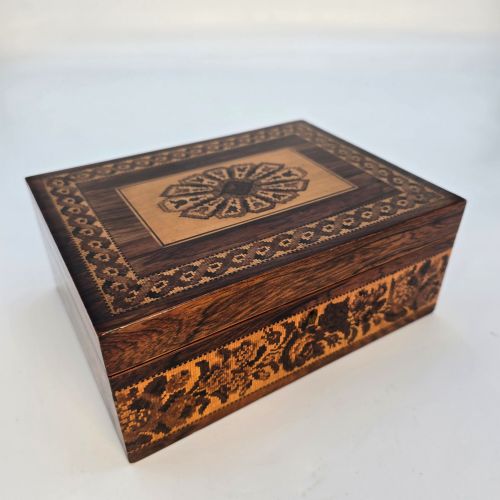
A nineteenth century dressing box brings together portable luxury and personal organisation, often housing compartments for cosmetics, writing implements, and jewellery. The versions most frequently encountered on this page date from the Victorian and Regency periods, constructed as sturdy wooden caskets lined with silk or velvet.
These pieces range from travelling cases equipped with glass scent bottles to smaller jewellery boxes and tabletop cabinets. Makers utilised exotic timbers such as coromandel, mahogany, and rosewood, frequently enhancing the exterior with brass mounts, inlay, or marquetry.
Many examples contain fitted interiors with secret drawers and lift-out trays designed for daily grooming rituals. They reflect the high standards of personal travel and domestic comfort characteristic of the nineteenth century.
How they were made
Cabinet makers built the primary carcass using dense hardwoods like mahogany, rosewood, and coromandel, often applying intricate boxwood stringing or Sorrento ware marquetry to the exterior surfaces. Brass corners, escutcheons, and handles were added to protect the edges during travel and secure the contents.
Interiors required precise carpentry to accommodate removable trays, secret compartments, and fitted spaces for glass bottles with gilt-brass caps. Silk and velvet linings were carefully glued and stitched into position to cushion delicate items and jewellery.
Specialised techniques such as leather tooling and French polishing finished the exteriors, protecting the timber while highlighting the natural grain.
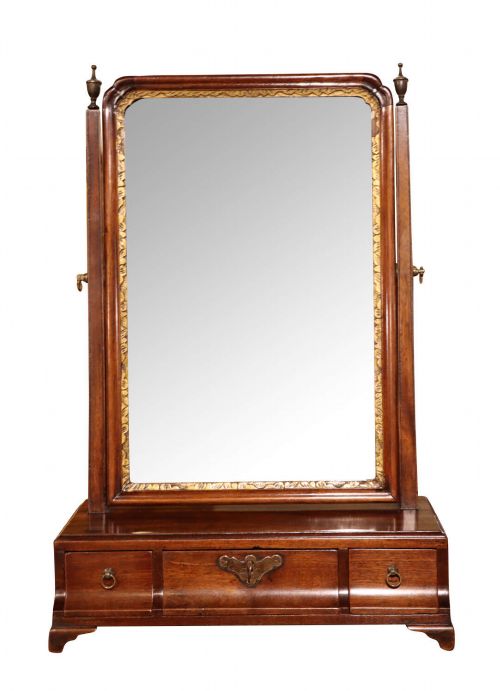
The selection includes travelling cases, jewellery boxes, folding travel mirrors, and table cabinets with fitted interiors.
What varies in quality
The choice of timber grain and the precision of the cabinetwork define the upper tier of these pieces, alongside the complexity of the internal mechanism. Simple mahogany boxes sit at the accessible end of the scale, while coromandel cases with extensive Tunbridge ware marquetry or Baccarat glass bottles represent greater craftsmanship.
The integrity of the fitted interior and the presence of original velvet or silk linings significantly influence the character of an individual box. Superior examples retain their original brass locks, working keys, and complete sets of matching glass scent bottles.
Edmund Nye·H Mitchell·Hawkes And Co
The Nineteenth Century Dressing Box Glossary
- Coromandel
- A dense, heavily grained dark brown timber with black streaks, imported from Asia and utilised for luxury Victorian boxes. It provides a striking backdrop for brass inlay.
- Tunbridge Ware
- A type of decorative woodwork produced in Kent featuring intricate marquetry mosaics made from tiny pieces of naturally coloured woods. It creates detailed geometric or pictorial scenes.
- Escutcheon
- A flat plate of brass surrounding a keyhole that protects the surrounding wood from wear and adds a decorative accent to the box lid or front.
- Marquetry
- The art of applying thin pieces of veneer to a structural carcass to form decorative patterns, pictures, or floral designs. It requires steady hands and precise cutting.
- Baccarat
- A French manufacturer famed for producing high-quality lead crystal, often seen as matched sets of scent bottles housed inside nineteenth century caskets.
Nineteenth Century Dressing Box: Frequently Asked Questions
What is inside a nineteenth century dressing box?
These boxes typically contain a fitted interior with velvet or silk linings, lift-out trays, and compartments designed for grooming accessories and jewellery.
Many examples also house glass scent bottles, small mirrors, and secret drawers concealed beneath the main tier.
How do I tell a Victorian box from a Regency one?
Regency boxes often feature clean architectural lines and simpler brass mounts, reflecting early nineteenth century neoclassical tastes. Victorian pieces tend to display heavier proportions, richer exotic woods like coromandel, and more elaborate fitted interiors.
Examining the construction methods and the style of the brass hardware helps clarify the period of manufacture.
Were these boxes used for travel?
Travelling cases and vanity boxes were specifically constructed for journeys, featuring sturdy locks, brass corner brackets, and recessed carrying handles.
Owners transported them in carriages or trains to ensure their personal grooming items remained organised and secure away from home.
How should I care for the wood and interior?
Keep wooden surfaces away from direct sunlight and extreme humidity changes to prevent the timber from warping or splitting. Clean the interior silk or velvet gently with a soft brush to remove dust without damaging the fabric.