


Nineteenth Century Ceramic Vase
A nineteenth century ceramic vase brings domestic history into a room through hand-painted scenes, rich glazes and enduring forms from varied global traditions.
Nineteenth Century Ceramic Vase
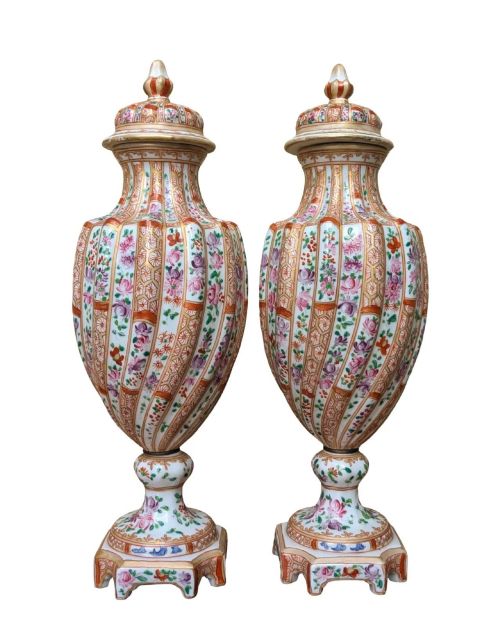
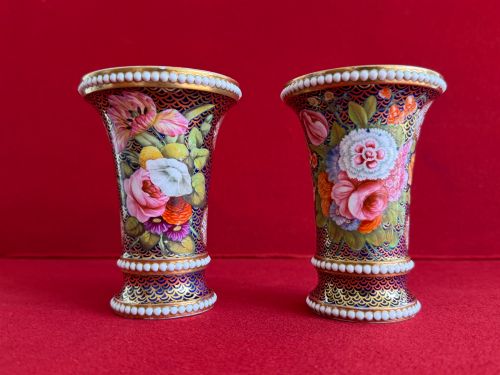
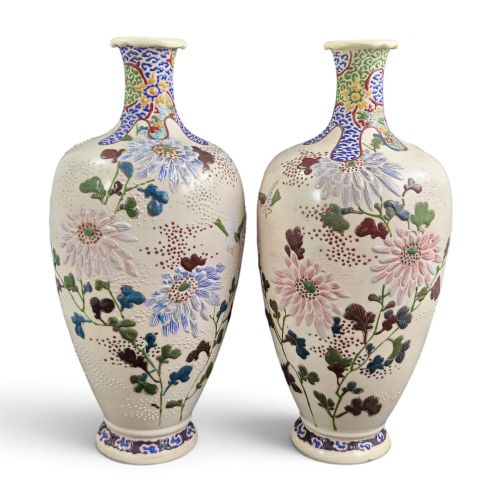
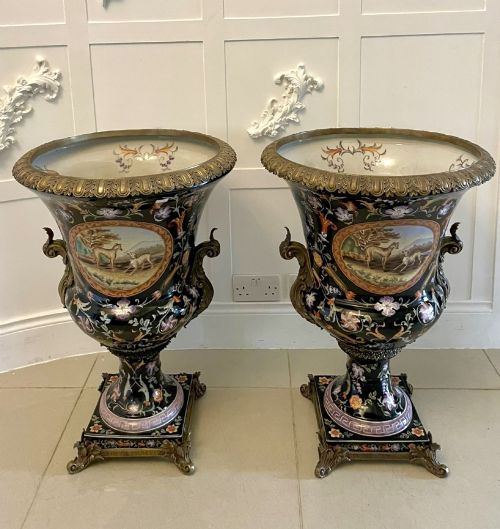
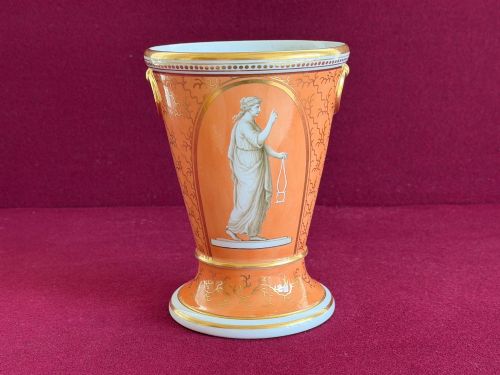
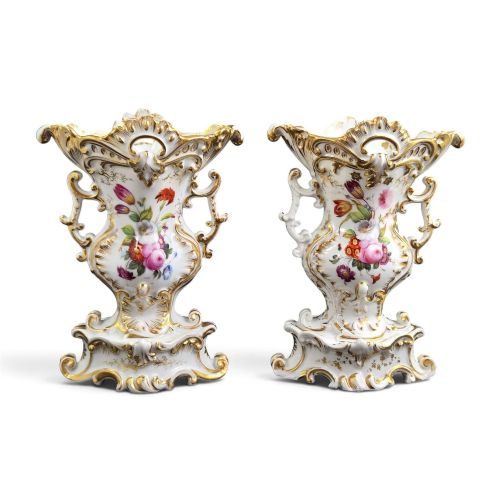
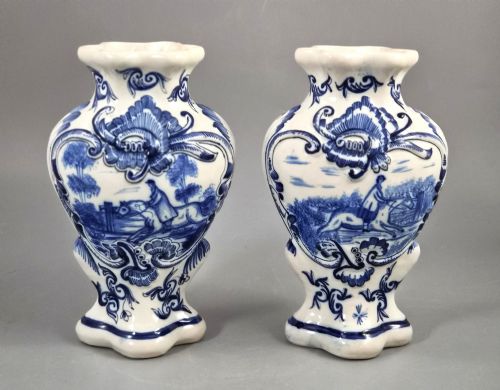
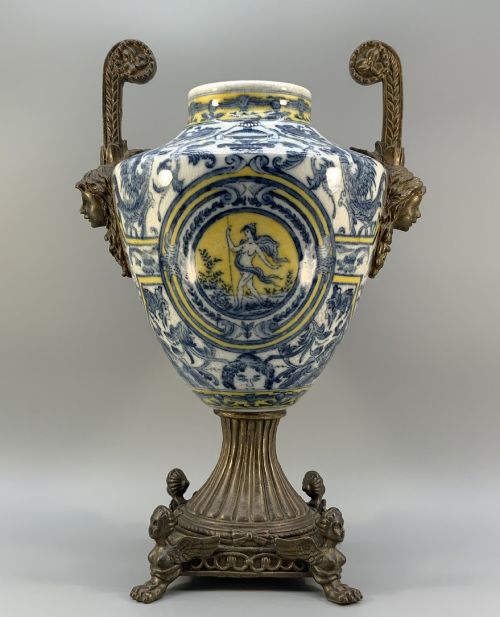
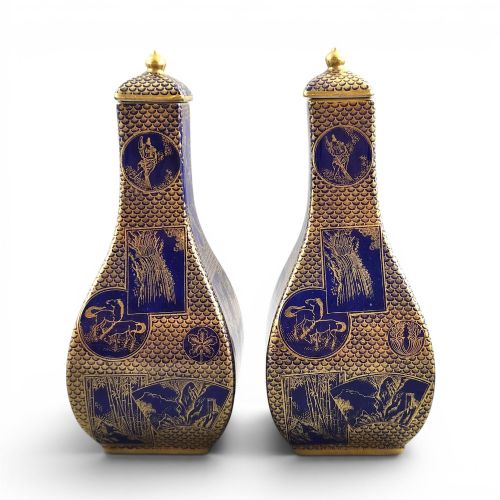
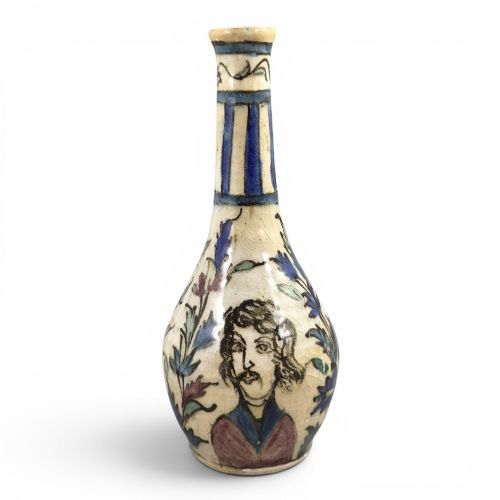
When searching for a nineteenth century ceramic vase, collectors examine vessels ranging from utilitarian Staffordshire animal figures to grand French porcelain garnitures and detailed Japanese Satsuma wares. The selection spans earthenware, ironstone and porcelain objects created for both everyday domestic display and formal interior decoration across European and Asian workshops.
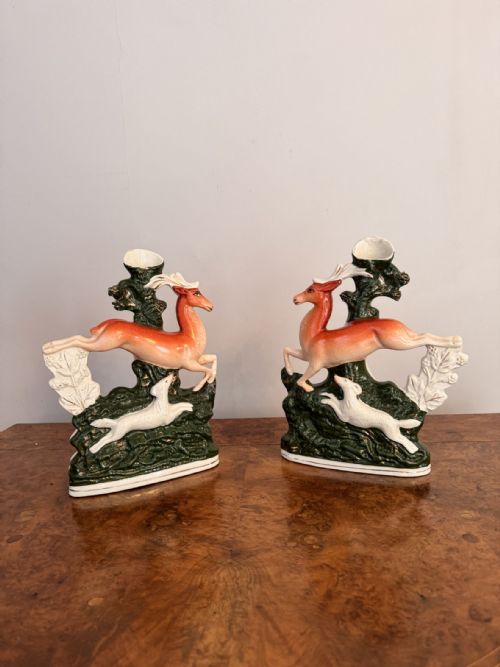
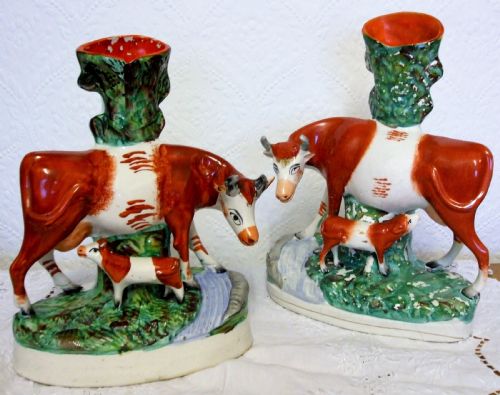
The versions most commonly met on this page include English spill vases featuring cows or deer, large Japanese Imari and Satsuma vessels decorated with cobalt and gilt, and French porcelain urns with intricate mounts. These pieces reflect the eclectic tastes of the period, drawing on Regency, Victorian and revivalist styles alongside authentic Japanese Meiji and Chinese Qing aesthetics.
How they were made
Makers utilised diverse ceramic bodies including dense ironstone, refined porcelain and porous earthenware, often shaping them on the wheel or casting them in moulds before applying lead or tin glazes. Decoration involved hand-painted blue and white transfer printing, enamelling, and raised moriage work executed with liquid clay.
Many European and Asian vessels incorporated additional media, bringing together gilt bronze mounts, brass fittings and intricate lacquer panels. Firing techniques achieved deep cobalt blues and vibrant famille rose palettes, while specialised workshops applied gold leaf and enamel details to complete the surface.
Materials recorded across the inventory include porcelain, earthenware, ironstone, brass and gold leaf.
What varies in quality
The standard of a nineteenth century ceramic vase depends largely on the crispness of the hand-painted detailing and the precision of the modelling, whether in a Staffordshire animal figure or a Sèvres style urn. Superior examples display careful brushwork, controlled enamel application and well-defined relief work rather than hurried or mechanical execution.
Material refinement and the complexity of decorative techniques also distinguish finer pieces, such as those featuring pate-sur-pate decoration, intricate gilt bronze mounts or signed workshop marks. The integrity of the glaze, the alignment of applied handles and the overall balance of the form determine the standing of the vessel.
Flight And Barr Worcester·Jacob Petit·Fourmaintraux Courquin·Mason's Patent Ironstone·Spode·Tunnicliffe·Wedgwood·Nanzan Mark·Doulton Burslem·Kinrin Workshop·Samson Of Paris·Royal Worcester·Minton
The Nineteenth Century Ceramic Vase Glossary
- Campana
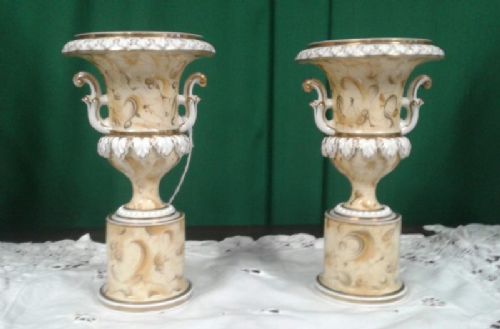
- A bell-shaped vessel with an everted rim, commonly produced in porcelain or ironstone during the nineteenth century. These urns frequently rest on a square plinth base.
- Spill vase
- A small hollow container designed to hold wooden spills used for lighting candles and fires. Staffordshire potters often modelled these in whimsical animal and human figures.
- Moriage
- A Japanese decorating technique using piped clay to create raised relief patterns on pottery surfaces. This technique frequently appears on Satsuma wares alongside gilt highlights.
- Ironstone
- A heavy, durable ceramic body patented in the nineteenth century to imitate Chinese porcelain. It accepted transfer printing and rich enamels with great stability.
- Garniture
- A set of matching vases and urns designed to be displayed together on a mantelpiece or cabinet. These sets usually comprise three or five graduated pieces.
Nineteenth Century Ceramic Vase: Frequently Asked Questions
What were nineteenth century ceramic vases used for?
These vessels served diverse roles ranging from holding cut flowers and domestic spills to functioning as purely decorative mantel garnitures. Larger pieces and lidded urns were frequently displayed in prominent reception rooms to demonstrate taste and prosperity.
Some specialised forms, such as brush pots and ginger jars, had specific functional origins before becoming decorative interior objects. Over time, many utility vessels transitioned into collectible cabinet pieces.
How do I care for an antique ceramic vase?
Keep these objects away from direct sunlight and areas prone to sudden temperature fluctuations to protect fragile enamels, gilding and applied mounts. Dust them gently with a soft, dry brush and avoid using water or chemical cleaners on porous earthenware or delicate surfaces.
Display them on stable, level surfaces away from heavy traffic where accidental knocks might occur. If a piece includes brass or bronze mounts, handle them carefully by the body rather than protruding elements.
What defines a Victorian Staffordshire spill vase?
Staffordshire spill vases are earthenware figures, often depicting animals, cottages or historical characters, accompanied by a small cylindrical tube for holding taper spills. They were moulded in local potteries and hand-painted with bright, simple water-based colours.
These pieces were produced for the domestic mantelpiece, combining practical utility with popular folk art charm. Collectors often find them in pairs depicting symmetrical subjects like cows or birds.