


Nineteenth Century Centre Table
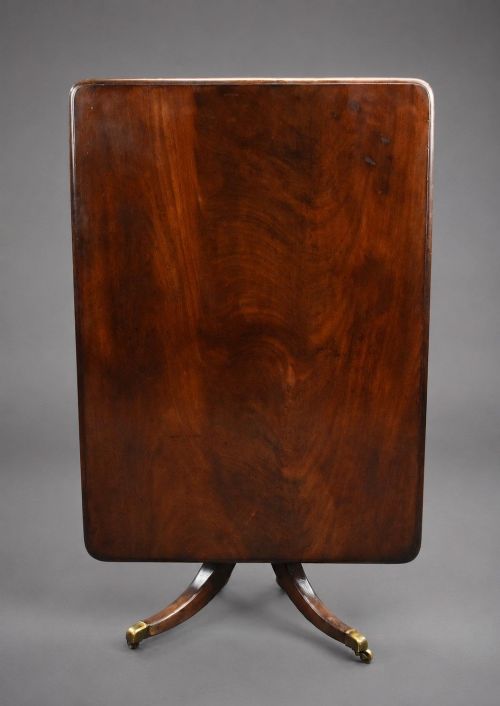
Nineteenth century centre table designs offer freestanding presence and rich timber grains, anchoring a room with period proportion.
Nineteenth Century Centre Table
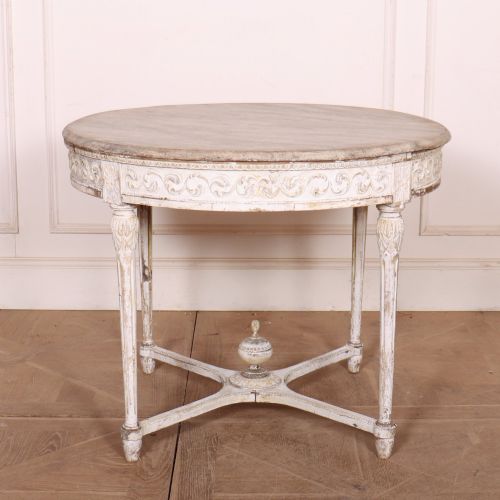
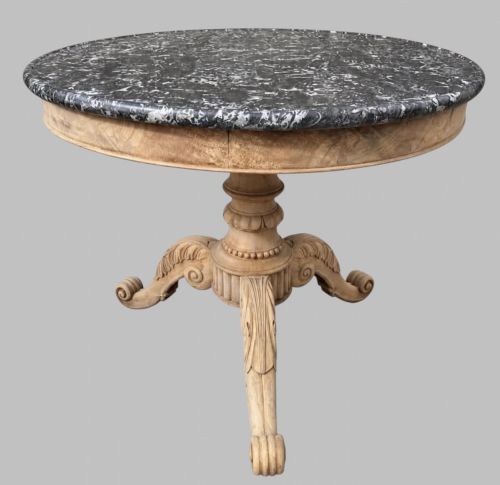
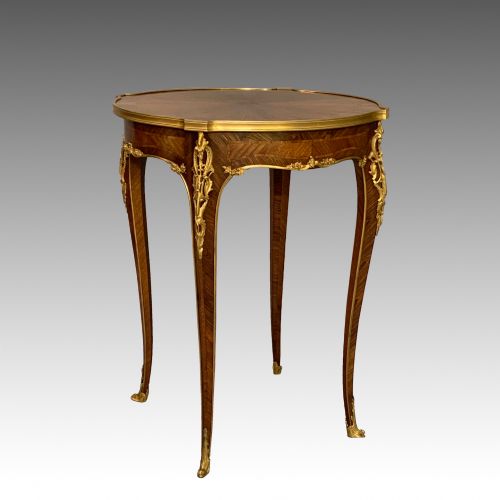
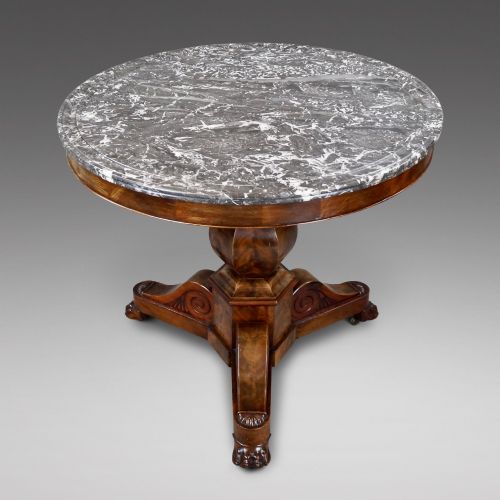
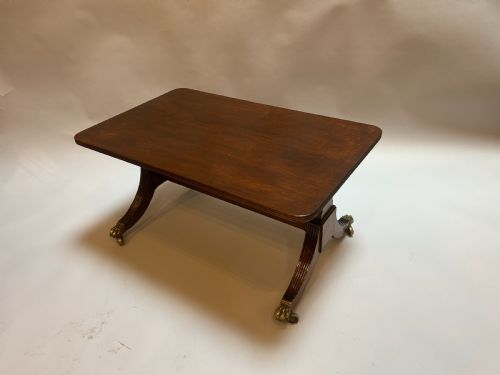
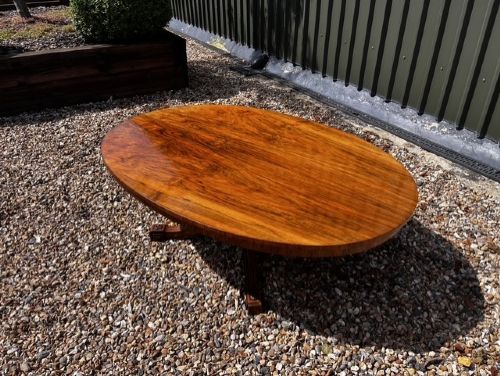
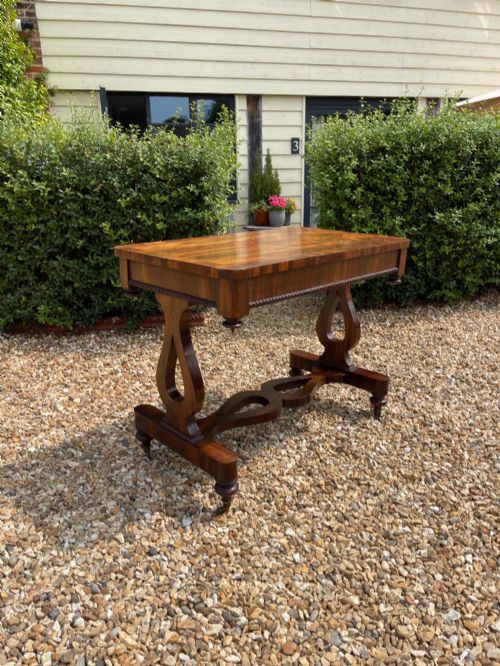
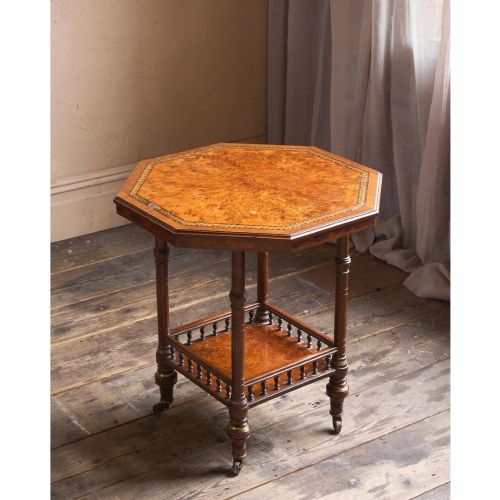
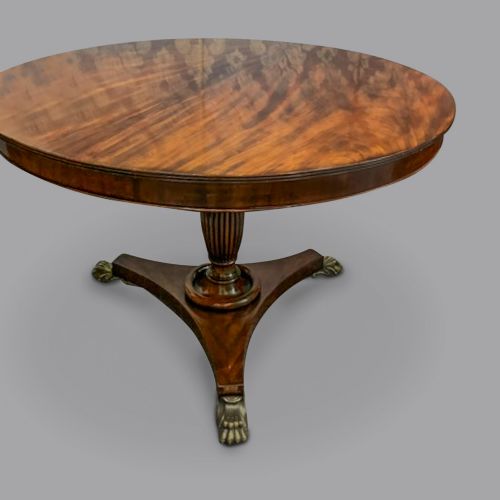
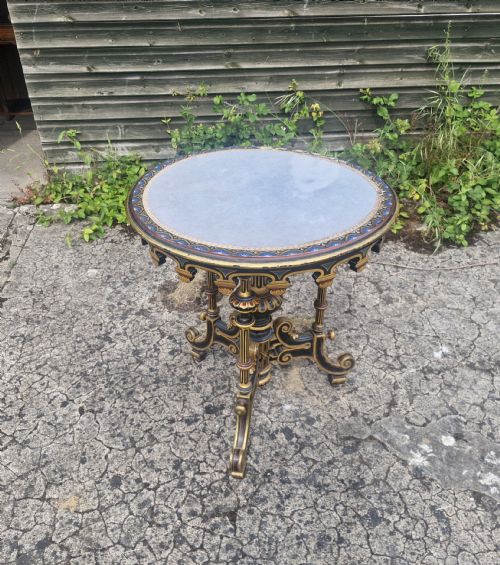
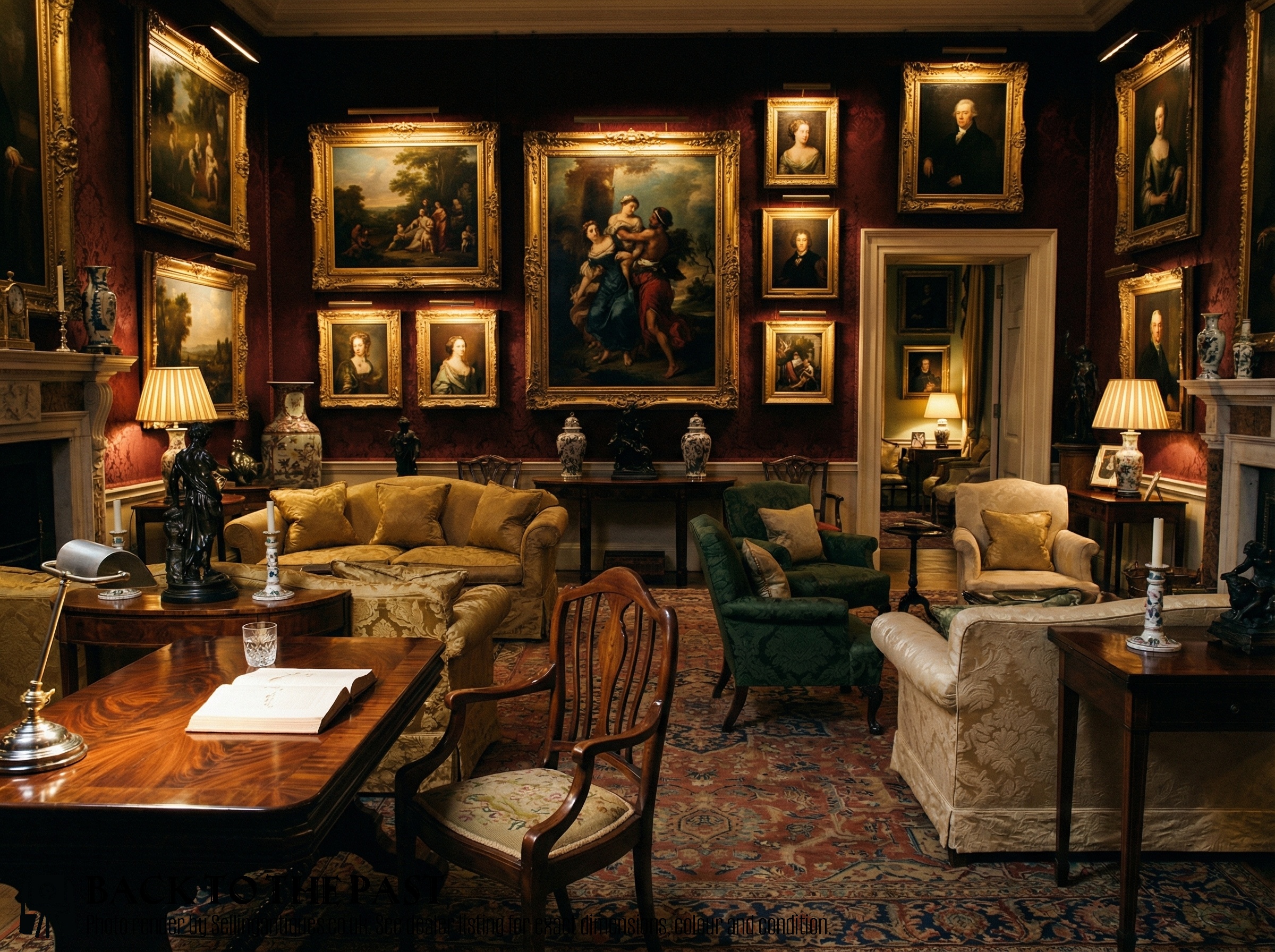
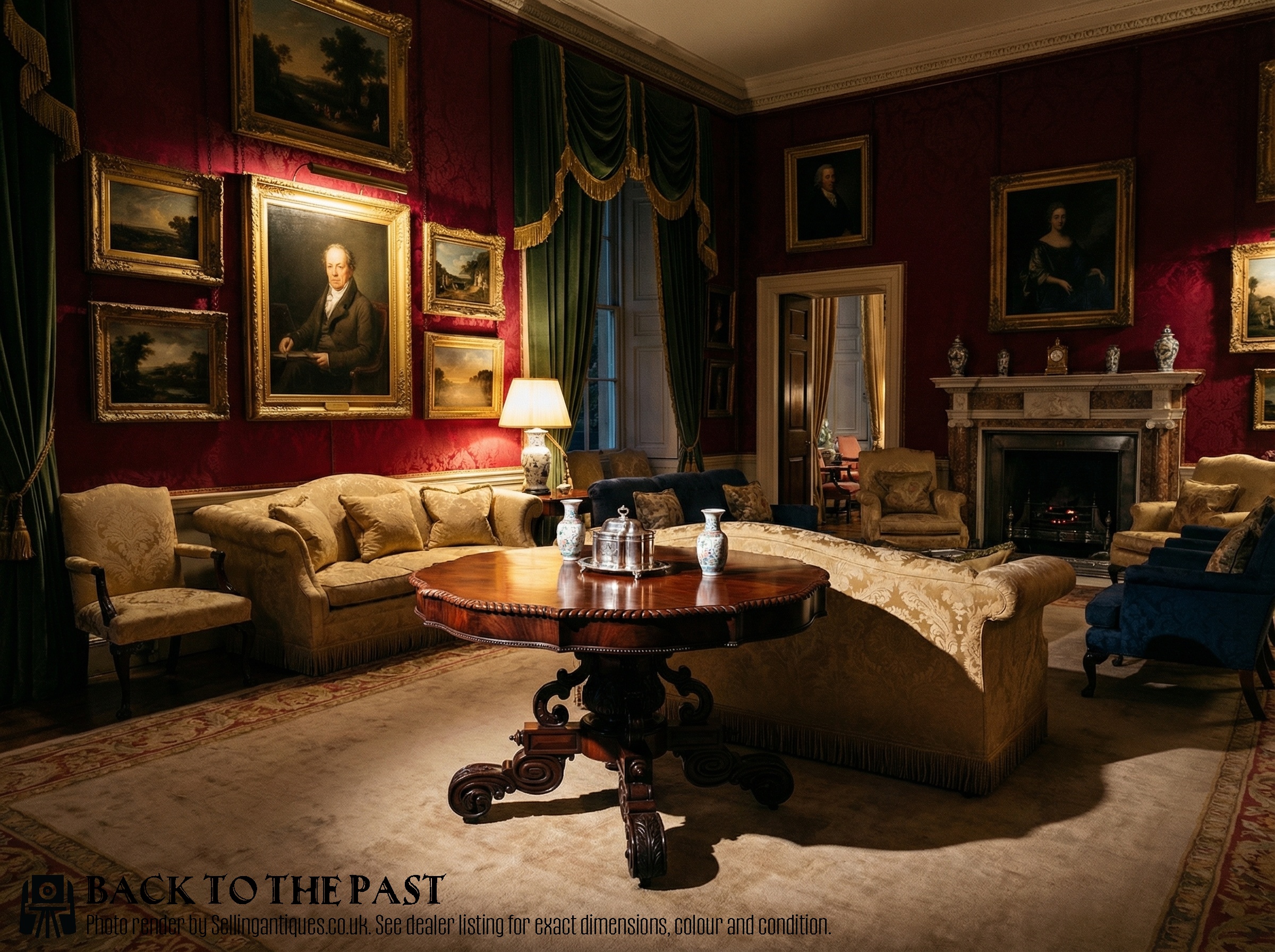
A nineteenth century centre table stands designed to be viewed from all sides rather than pushed against a wall, often taking pride of place in the middle of a room. These pieces emerge in forms such as circular gueridons, drum tables, and tilt-top designs across periods from Georgian and Regency through to Victorian and the later nineteenth century.
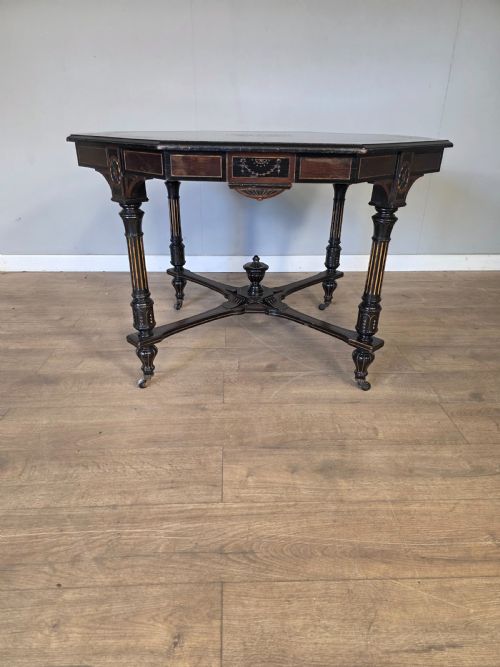
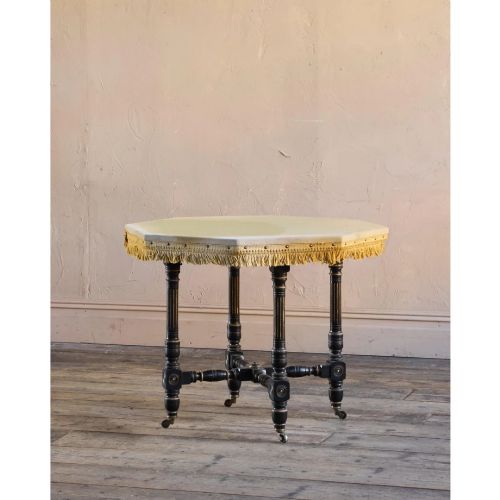
Buyers frequently meet mahogany and walnut examples alongside rosewood, oak, and ebonised wood versions, sometimes topped with marble or decorated with marquetry inlay. They function variously as breakfast tables, library tables, or occasional pieces depending on their scale and origin.
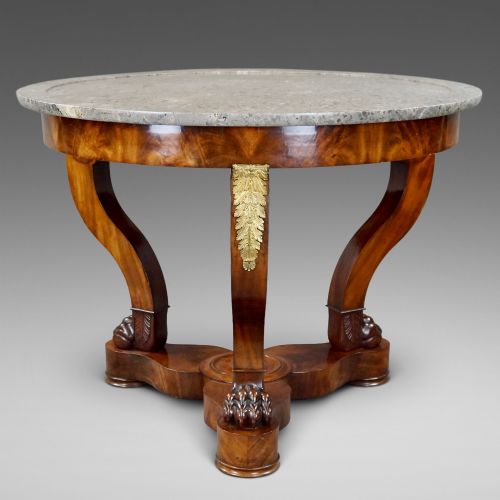
The selection ranges from English mahogany pieces bearing maker attributions to French Empire gueridons and Swedish or Italian regional variations. This variety ensures that a nineteenth century centre table can serve practical duties in a modern interior while maintaining its historical character.
How they were made
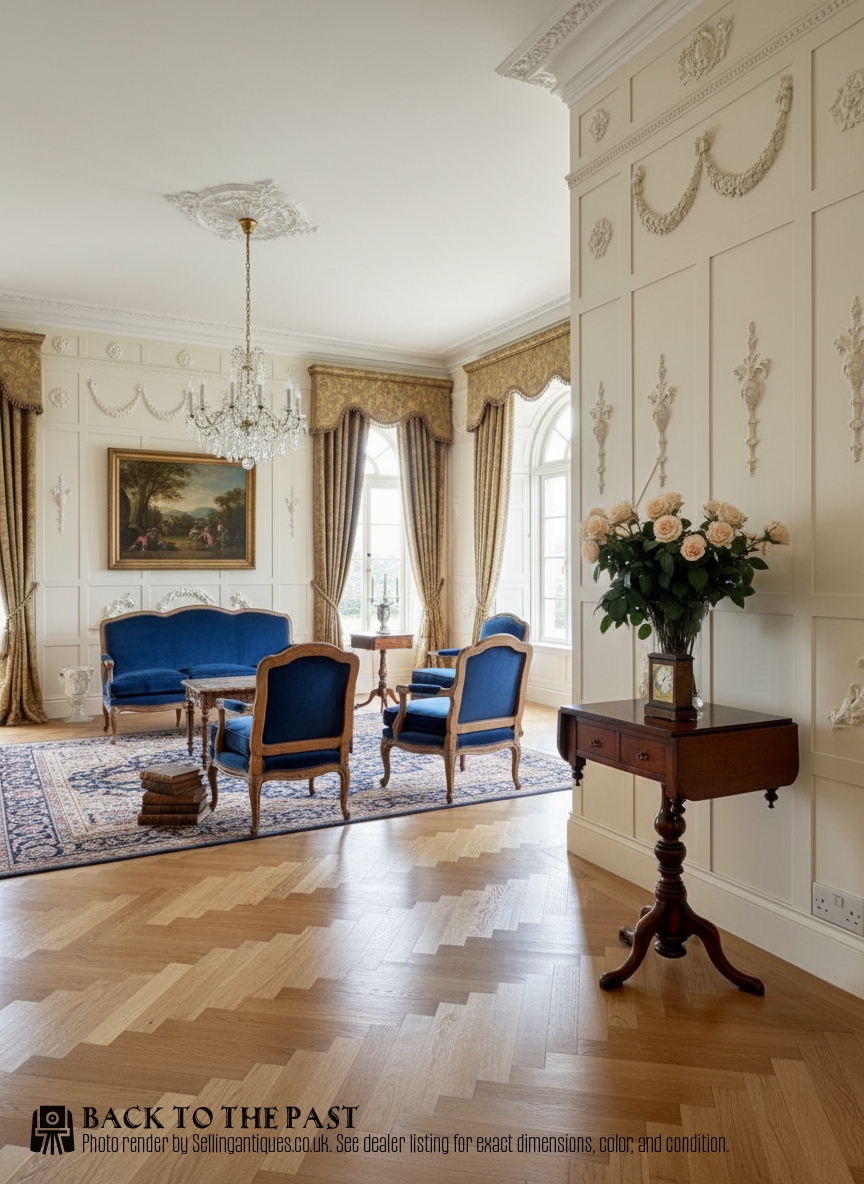
Cabinet makers utilised dense hardwoods like mahogany, walnut, and rosewood, frequently applying burr walnut or flame mahogany veneers over secondary timbers to create striking surface patterns. Tops often incorporate solid marble inserts or elaborate marquetry work, supported by turned spindle bases, pedestals with carved details, or parcel gilt accents.
Construction techniques relied on robust joinery suited to freestanding furniture that needed to withstand daily use without wall support. Brass castors, bronze mounts, and tilting mechanisms were integrated into the design, allowing structural movement and mobility where required.
Nineteenth Century Centre Table Retail Price Guide 2026
Typical asking prices for nineteenth century centre table among the pieces listed under this phrase on Sellingantiques today, from the lower quarter to the upper quarter. They describe what is for sale here now, not the wider market.
One particularly unusual Victorian table hides a clock right in the centre of the top.
What varies in quality
The distinction between tiers rests upon the selection of timber figures, such as highly figured mahogany or burr walnut, and the crispness of carved details like rams heads, swan motifs, or turned spindle bases. Superior examples display meticulous marquetry inlay and well-balanced proportions that give the freestanding object visual harmony from every angle.
Provenance and attribution elevate certain pieces, particularly those bearing maker signatures or documented workshop origins. The integration of materials such as pink Salome marble or gilt bronze mounts further separates standard workshop production from the finest creations of the era.
Joseph-Emmanuel Zwiener·Holland & Sons Of London·Gillows·Hindley & Sons
The Nineteenth Century Centre Table Glossary
- Gueridon
- A small French table, often circular and supported by a central pillar or tripod base, frequently topped with marble or mahogany.
- Drum table
- A circular library table with a deep top containing drawers around the perimeter, typically set on a central pedestal with branching legs.
- Marquetry
- Decorative veneer work arranged in geometric or pictorial patterns using various coloured woods and natural materials.
- Tilt top
- A tabletop hinged to its pedestal so it can be pivoted into a vertical position when not in use.
- Parcel gilt
- The practice of applying gold leaf or gilt selectively to specific carved details or decorative accents on a wooden surface.
Nineteenth Century Centre Table: Frequently Asked Questions
Where should a nineteenth century centre table go?
These tables are built to be freestanding, making them ideal for the middle of a principal room, a spacious hallway, or a library where they can be approached from all sides.
Because they lack a flat back designed to hug a wall, placing them centrally allows the timber grain, carved pedestal, or marble top to be fully appreciated.
Can I use a nineteenth century centre table for dining?
Certain larger examples, such as breakfast tables or specific pedestal models, were historically used for informal meals or large gatherings.
Checking the height and stability of the specific piece ensures it suits modern seating arrangements if intended for daily dining use.
How do I care for a polished wood surface?
Maintaining the finish involves keeping the timber away from direct heat sources and strong sunlight that can dry out old French polish or veneers.
Regular dusting with a soft, dry cloth preserves the lustre without the need for modern silicone sprays that can damage historic finishes.
How do I distinguish Regency from Victorian styles?
Regency pieces often draw on classical architectural motifs, featuring clean lines, rosewood or straight-grained mahogany, and restrained brass inlay or mounts.
Victorian pieces frequently display heavier proportions, more exuberant carving, burr walnut veneers, and turned spindle bases or elaborate marquetry.