

Nineteenth Century Art
Nineteenth century art encompasses diverse paintings, works on paper, and decorative objects that reflect the aesthetic developments of a remarkably productive era.
Nineteenth Century Art
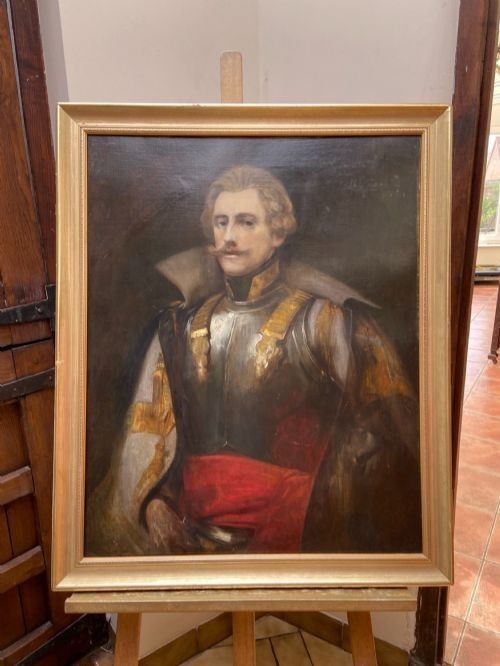
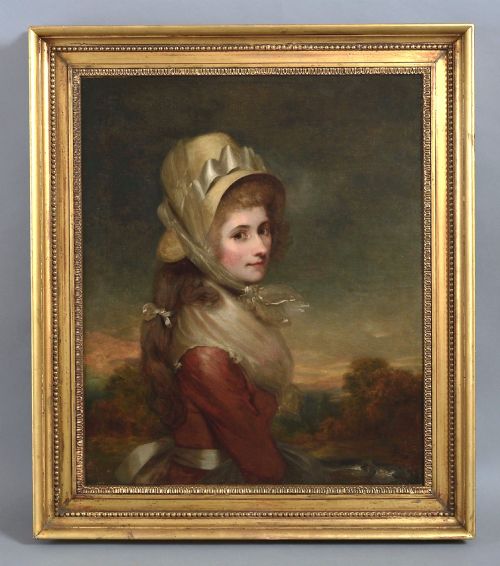
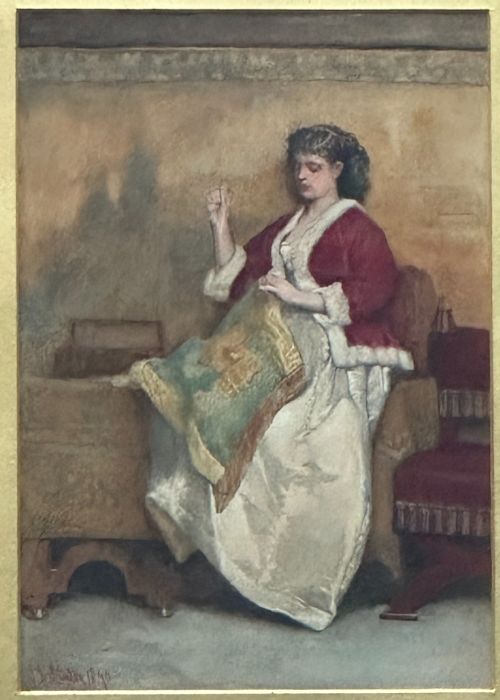
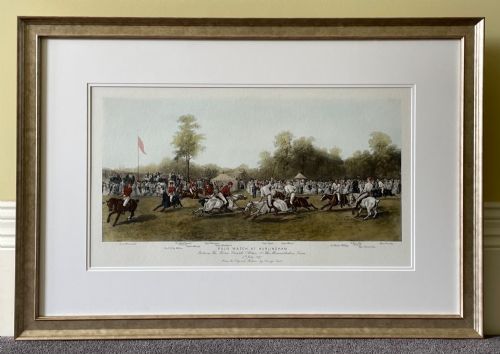
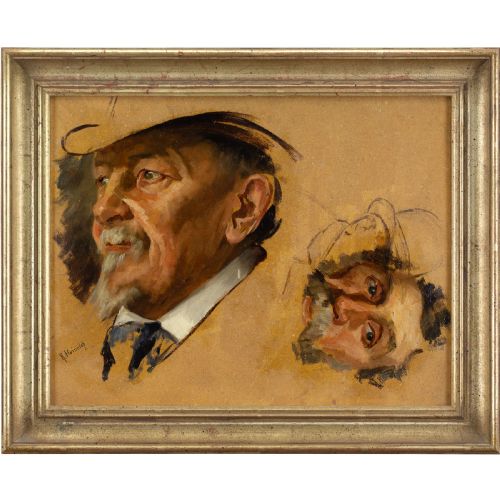
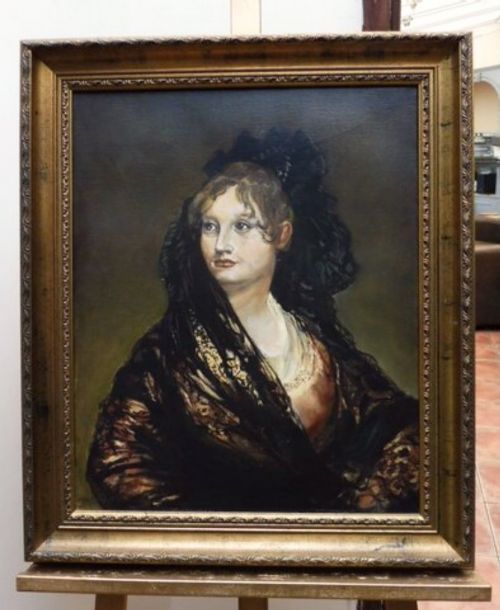
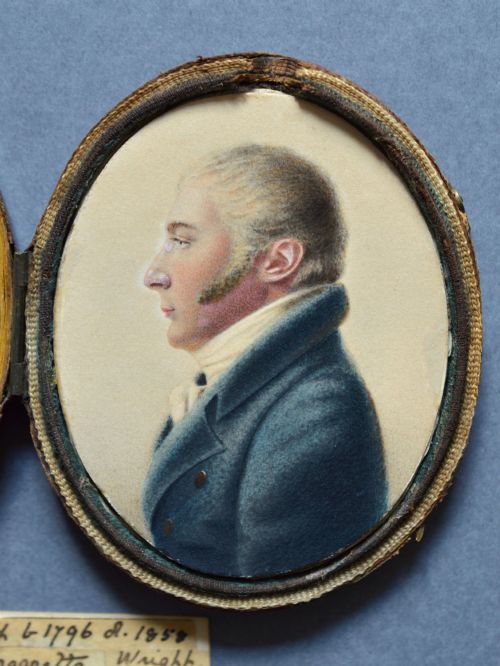
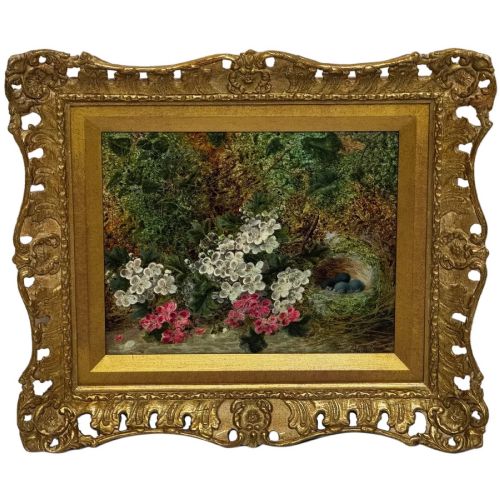
Nineteenth century art covers a broad spectrum of visual expression, ranging from detailed oil paintings on canvas and panel to delicate watercolours, prints, and portrait miniatures. Pieces frequently span Victorian, Regency, and Neoclassical styles, capturing landscapes, portraits, and genre scenes.
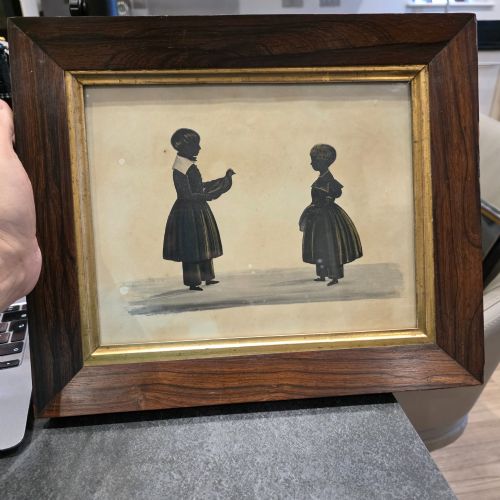
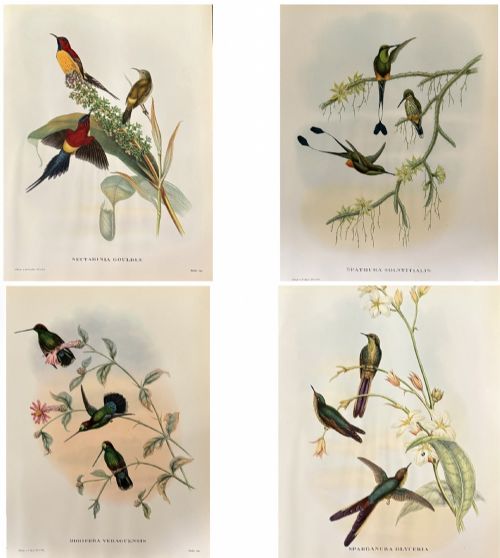
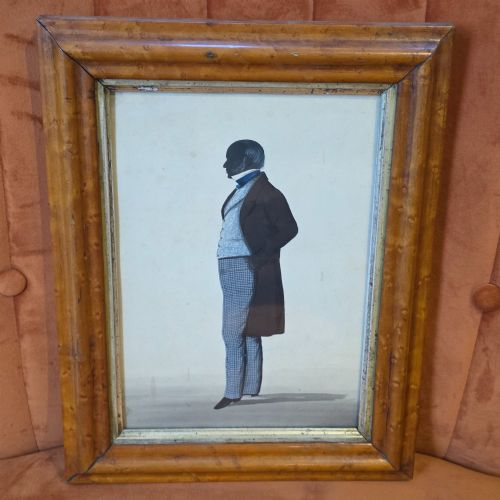
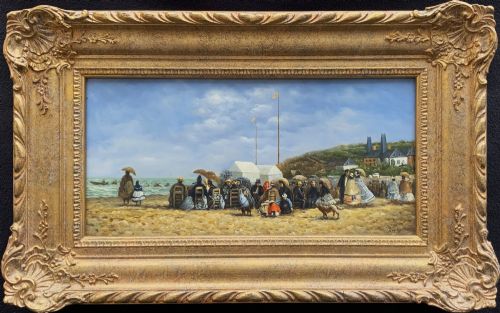
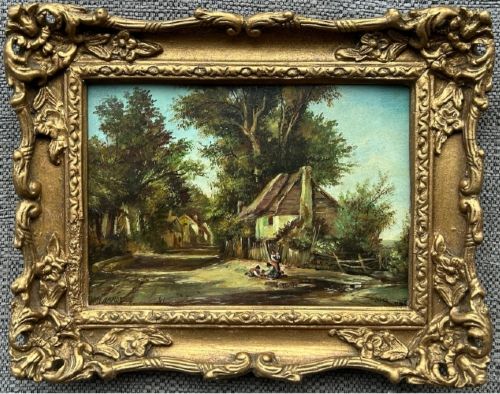
Buyers commonly encounter framed oil paintings depicting coastal views, farmyards, and townscapes alongside works on paper such as lithographs and botanical prints. Provincial folk art and silhouette portraits also appear frequently within this category.
Originating predominantly from British and European schools, these works demonstrate the diverse methods practitioners utilised during the period, from academic portraiture to expressive plein air painting.
How they were made
Makers utilised oil on canvas and panel, laying down pigment to build depth in landscapes and portraits, often housed within gilt wood frames. Watercolours and inks on paper allowed artists to capture rapid tonal shifts and fine details.
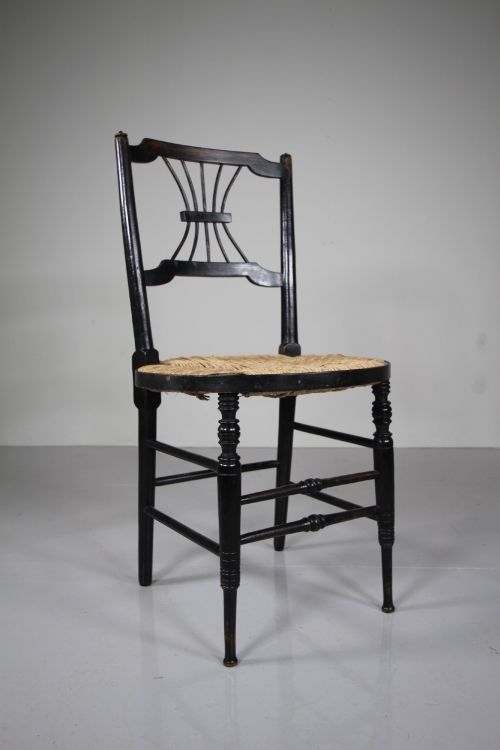
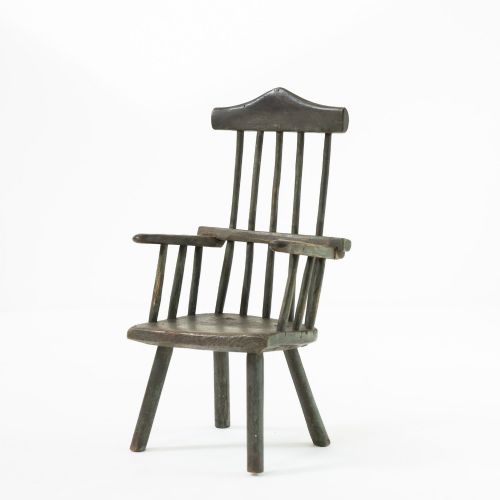
Craftsmen also worked with wood, glass, and gold leaf, applying incised line decoration and hand-cut techniques to items like silhouettes, furniture, and treen objects.
Nineteenth Century Art Retail Price Guide 2026
Typical asking prices for nineteenth century art among the pieces listed under this phrase on Sellingantiques today, from the lower quarter to the upper quarter. They describe what is for sale here now, not the wider market.
Listings feature oil paintings, watercolours, and works on paper created across nineteenth century Britain and Europe.
What varies in quality
Quality rests in the precision of the hand and the confidence of the execution, distinguishing academic mastery from provincial naive work. Skilled handling of light, proportion, and pigment application elevates a piece above standard output.
The preservation of the original surface, including the condition of the canvas, paper, or frame, determines the integrity of the object over time. Subtle details in brushwork and the clarity of printed or incised lines indicate superior craftsmanship.
Sir James Dromgole Linton·William Howard Hardy·Robert Heinrich·Oliver Clare·James Kay·Heinrich Grünbaum·Francis Moltino·John Horace Hooper
The Nineteenth Century Art Glossary
- Lithograph
- A print made from a design drawn on a limestone slab or metal plate. This technique allows for fluid lines and subtle tonal gradations.
- Watercolour
- A paint consisting of pigment suspended in a water-soluble vehicle, typically applied to paper. It permits translucent washes of colour.
- Treen
- Small handmade wooden objects produced for domestic or decorative use. Examples include items shaped from fruitwood with turned or carved details.
- Cameo
- A method of carving an object such as a gemstone or shell to create a raised design against a contrasting background. Classical examples often depict profile portraits.
- Gilt wood
- Wood that has been coated with a thin layer of gold leaf or powder. This treatment was widely applied to picture frames and decorative mouldings.
Nineteenth Century Art: Frequently Asked Questions
How do I care for nineteenth century oil paintings?
Keep paintings away from direct sunlight and steady humidity levels to prevent cracking in the paint and canvas.
Dust the surface gently with a soft dry brush and avoid using chemical cleaning solutions.
What distinguishes Victorian art from earlier periods?
Victorian pieces often reflect the moral, industrial, and domestic themes popular during the reign of Queen Victoria, moving away from strict Neoclassical formality.
Works from this era embrace varied subjects, from sentimental genre scenes to rigorous landscape realism.
Are watercolours from this era fragile?
Watercolours on paper remain sensitive to light exposure, which can cause pigments to fade over decades.
Display these works behind protective glass in low-light environments to preserve their original tones.
How do I identify the subject of a portrait?
Examine the reverse of the canvas, frame, or paper for handwritten inscriptions, gallery labels, or signatures.
Clothing styles, hairstyles, and accompanying objects often provide clues to the sitter's identity and social standing.