

Neoclassical Writing Desk
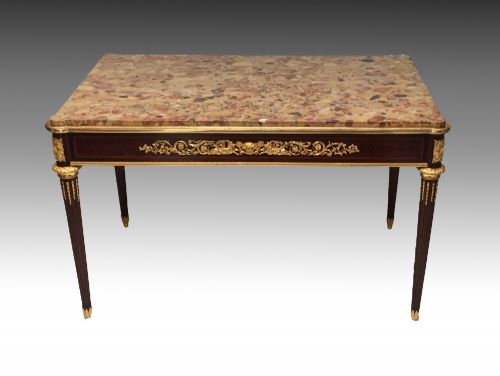
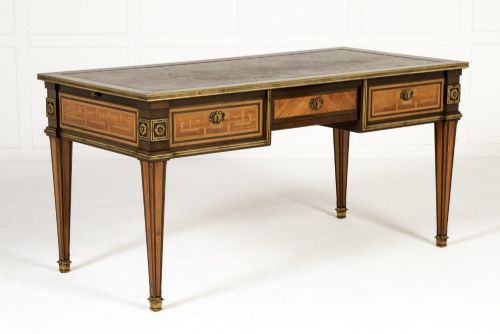
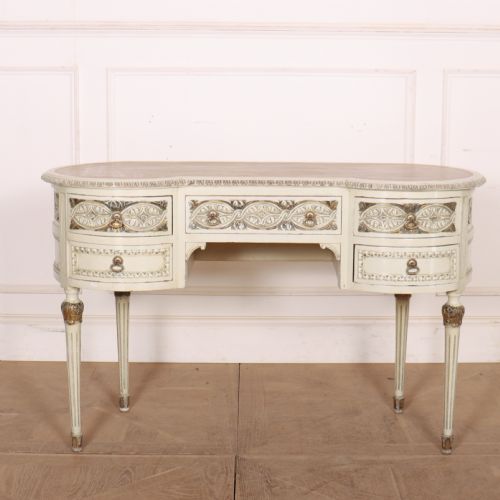
These neoclassical writing desk examples bring symmetrical proportion, crisp geometric lines, and classical brass or ormolu mounts straight into a modern study.
Neoclassical Writing Desk
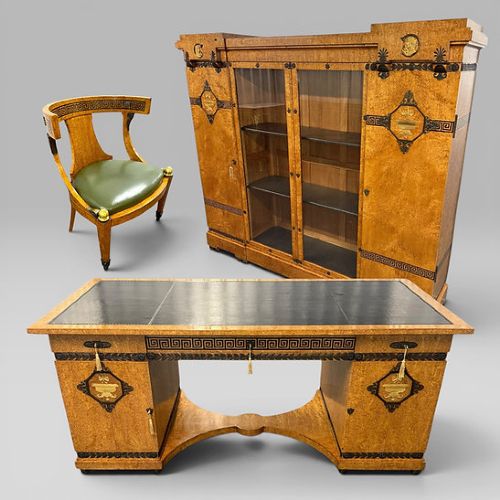
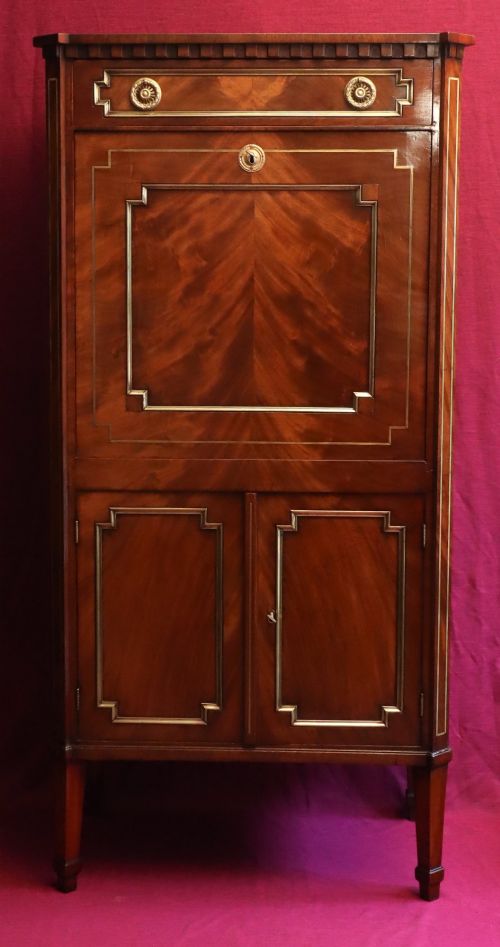
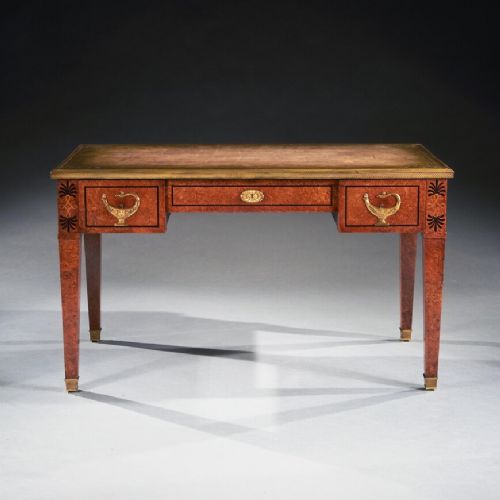
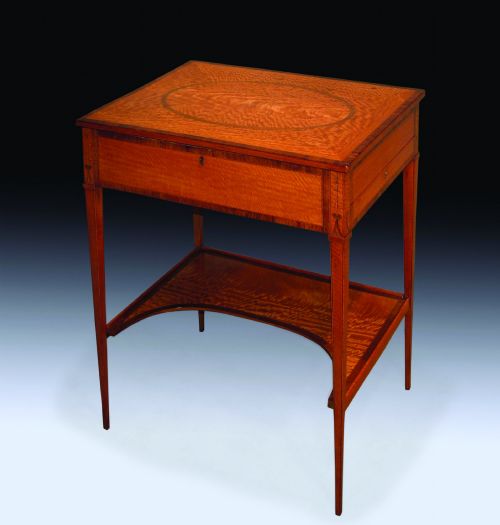
A neoclassical writing desk brings refined architectural lines and classical ornamentation to a study, drawing heavily on eighteenth and nineteenth-century design vocabulary. These pieces encompass free-standing bureau plats, pedestal forms, and compact ladies' writing cabinets produced across England, France, Sweden, and Austria.
The versions most commonly met on this page date from the nineteenth century and the Edwardian era, spanning both original Georgian or Empire periods and later revivals. Makers of these periods adopted distinct regional tastes, ranging from polished English satinwood and mahogany to painted continental finishes and rich amboyna veneers.
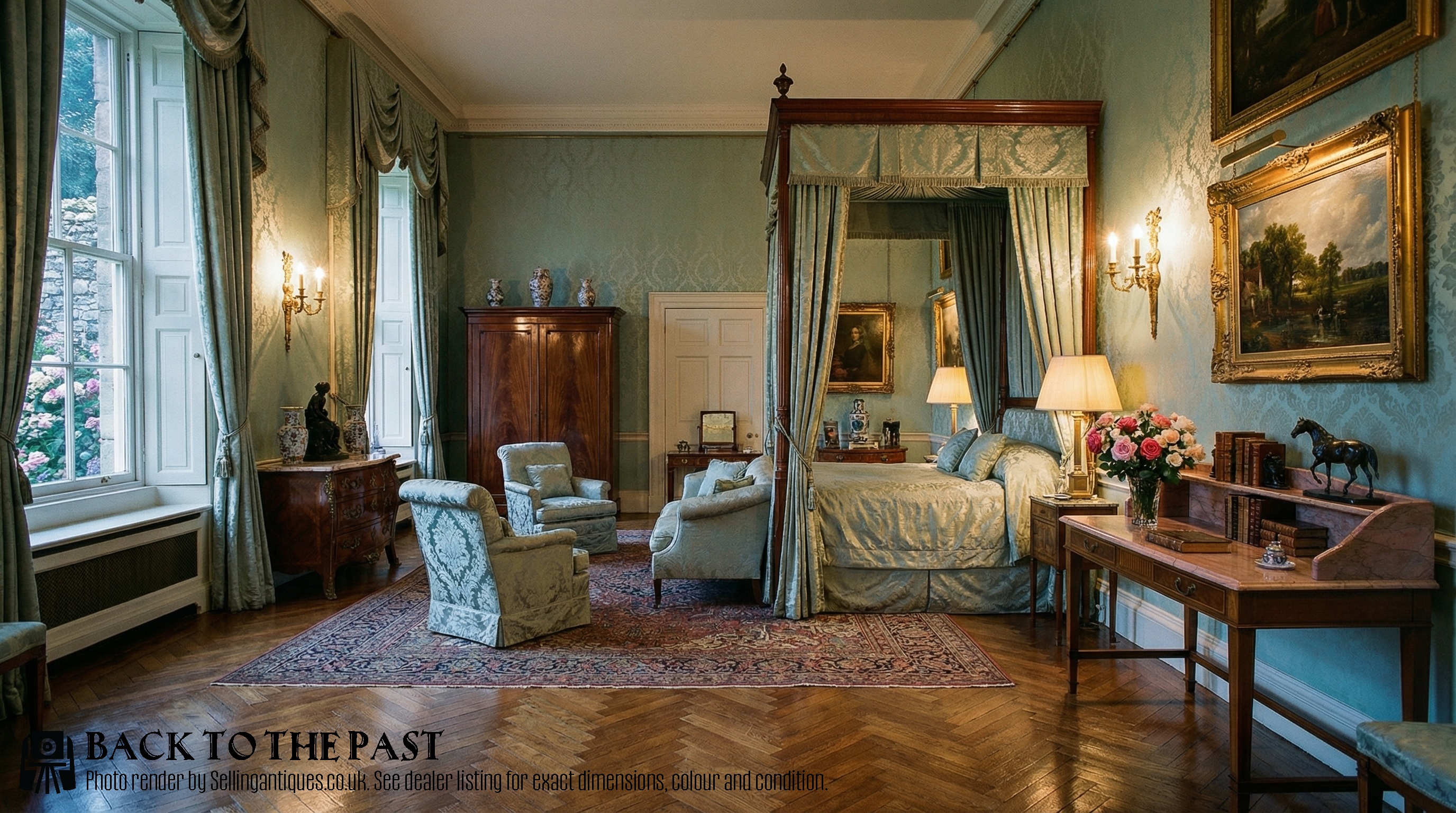
Materials and construction
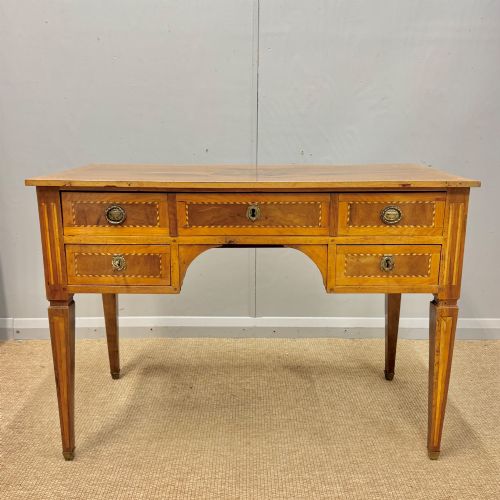
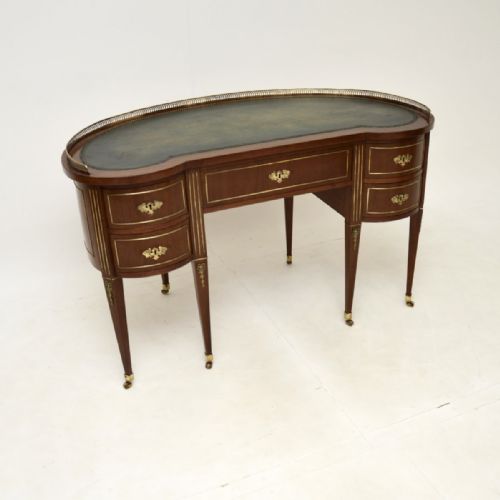
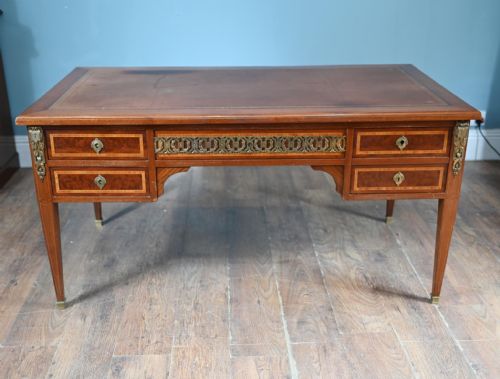
Cabinetmakers built the foundational carcasses of these writing tables using dense timbers such as mahogany, walnut, and satinwood, frequently applying intricate marquetry or contrasting veneers to the primary surfaces. Many examples integrate inset leather writing surfaces framed by delicate banding and stringing.
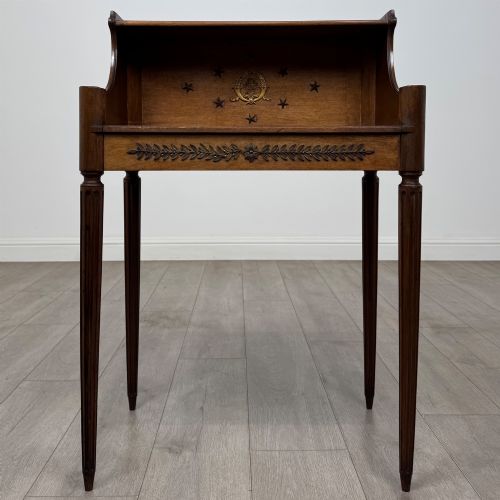
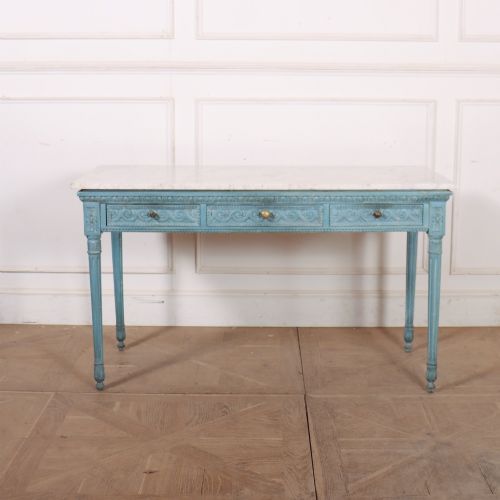
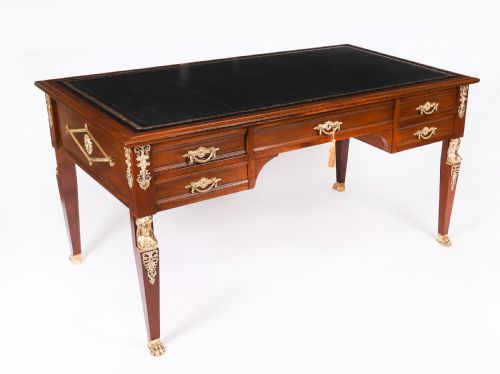
Cast ormolu and gilt bronze mounts, alongside chased brass handles and galleries, provide the signature metallic highlights associated with the style. Marble tops and inserts appear on select French and Italian pieces, adding considerable weight and a cool tactile surface to the design.
Neoclassical Writing Desk Retail Price Guide 2026
Typical asking prices for neoclassical writing desk among the pieces listed under this phrase on Sellingantiques today, from the lower quarter to the upper quarter. They describe what is for sale here now, not the wider market.
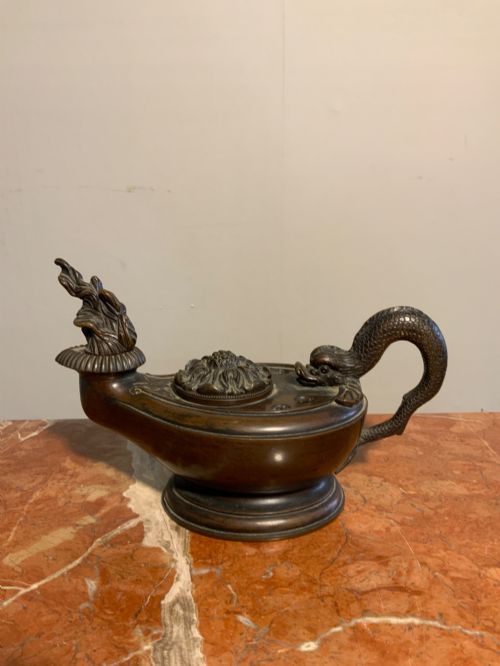
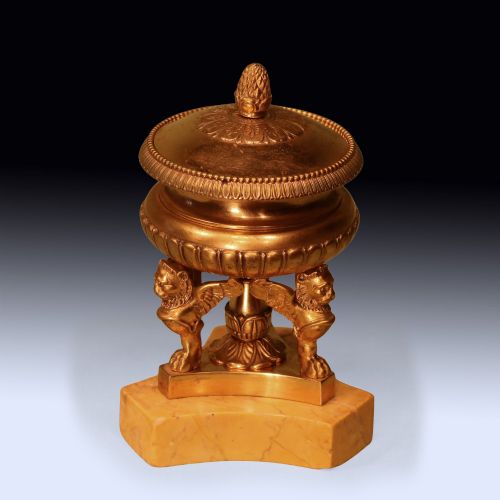
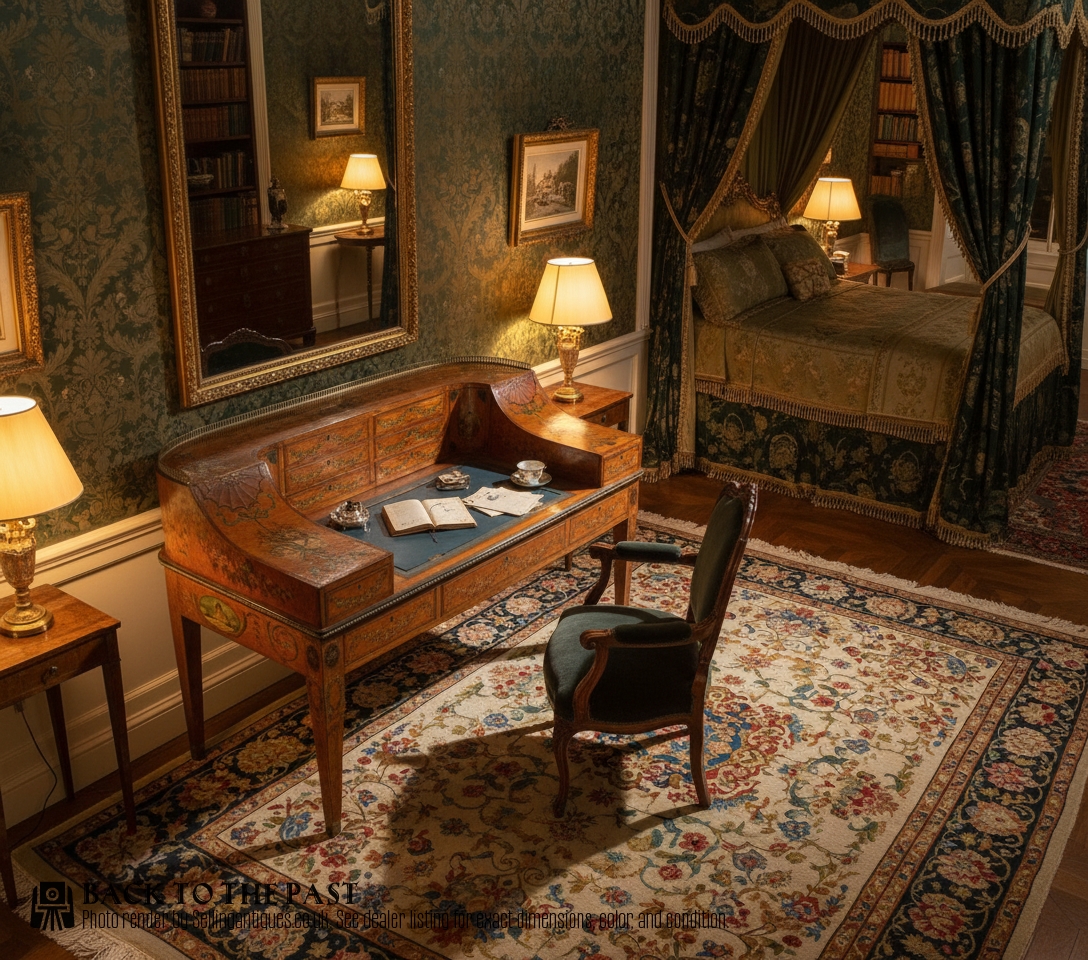
A delicate pounce pot sits ready on the desk to dust sand over fresh ink, saving hurried writers from disastrous smudges.
Assessing quality and execution
The distinction between standard commercial pieces and exceptional furniture rests upon the crispness of the bronze casting and the precision of the timber matching. Finer examples display hand-chased ormolu mounts with sharp definition, whereas lesser pieces rely on softer, mass-produced metalwork.
Internal construction standards reveal the maker's hand just as clearly as the polished exterior surfaces. Superior tables feature carefully dovetailed drawer linings in secondary woods and well-preserved original leather panels framed by delicate gold tooling.
Mercier Freres·Lefebvre
The Neoclassical Writing Desk Glossary
- Bureau plat
- A freestanding writing table, typically with a rectangular leather-inset top and one or more rows of drawers beneath the frieze. This form originated in France and gained popularity throughout the nineteenth century.
- Ormolu
- Gilded bronze mounts applied to furniture and decorative objects for structural and aesthetic enhancement. The technique involves treating metal with a mercury and gold amalgam before heating.
- Secretaire
- A cabinet or desk featuring a drop-down writing flap that conceals a fitted interior of small drawers and pigeonholes. These pieces combine storage capacity with a dedicated writing surface.
- Pounce pot
- A small container with a perforated lid used to sprinkle resin powder onto rough paper. This preparation prevented ink from feathering across the page.
- Marquetry
- The art of applying pieces of veneer to a structural structure to form decorative patterns and pictorial designs. Cabinetmakers utilised contrasting woods to achieve architectural depth.
Neoclassical Writing Desk: Frequently Asked Questions
How do I identify a bureau plat?
A bureau plat is a freestanding writing table designed to sit away from the wall, finished neatly on all four sides with a rectangular leather top and frieze drawers.
These pieces typically feature ormolu mounts at the corners and keyhole escutcheons, following classical French furniture traditions from the eighteenth and nineteenth centuries.
What woods were used for these desks?
Cabinetmakers primarily utilised mahogany, satinwood, and walnut as foundational timbers for their structural strength and rich grain patterns.
Exotic veneers and lighter woods like amboyna or partridgewood also appear frequently on nineteenth-century revival pieces to create striking visual contrast.
Are marble tops original to these tables?
Marble tops and inset slabs appear regularly on French and Italian side tables and writing desks, providing a durable and cool working surface.
These stone elements were integrated during initial production to complement the heavy gilt bronze or ormolu mounts characteristic of the Empire style.
How do I care for antique leather tops?
Leather writing surfaces require gentle cleaning with a slightly damp cloth followed by specialised leather dressings to prevent drying and cracking.
Avoiding direct sunlight and excessive heat will preserve the gold-tooled borders and maintain the supple texture of the original hide.