
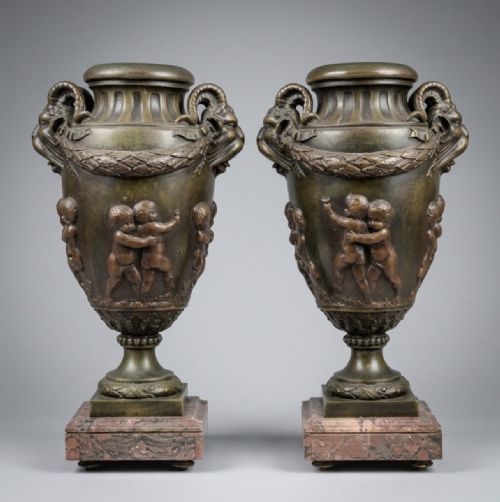





Neoclassical Marble Head
These neoclassical marble head pieces bring classical antiquity into your rooms, carved from stone to echo ancient ideals.
Neoclassical Marble Head
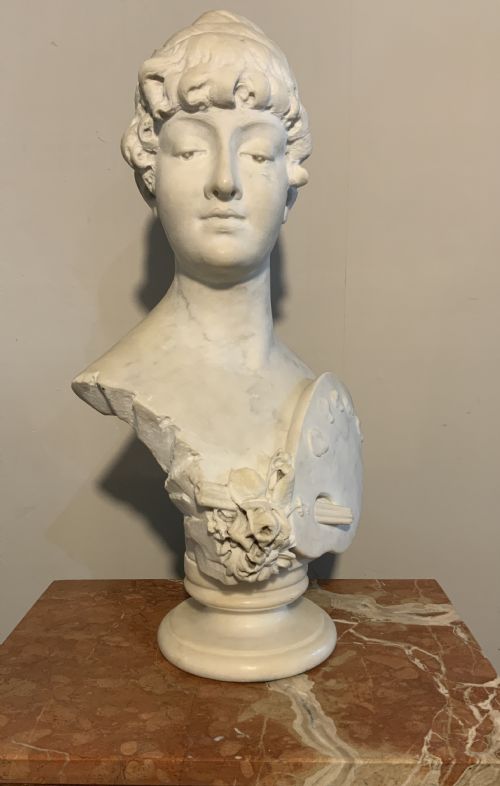
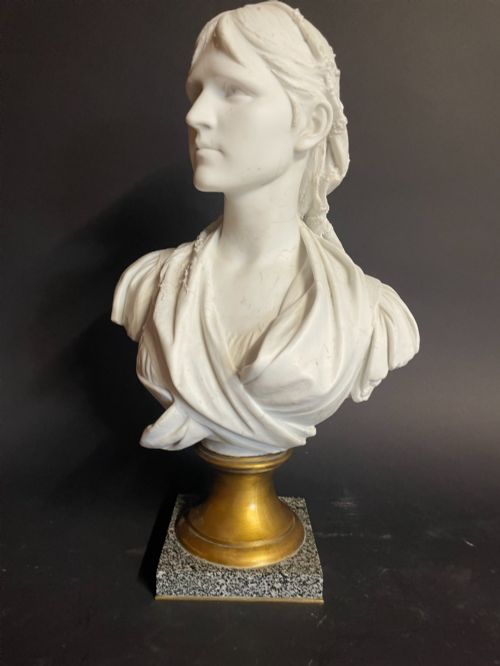
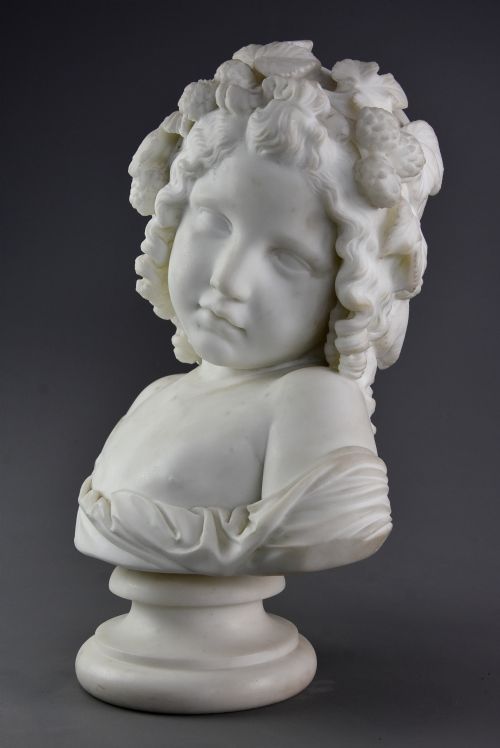
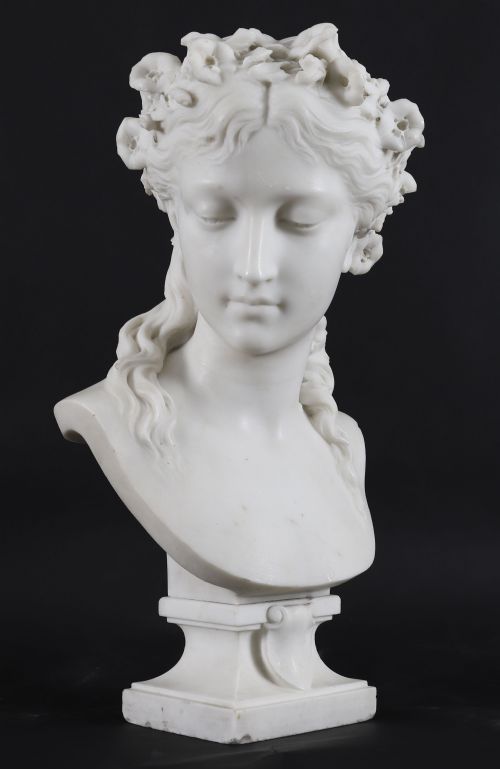
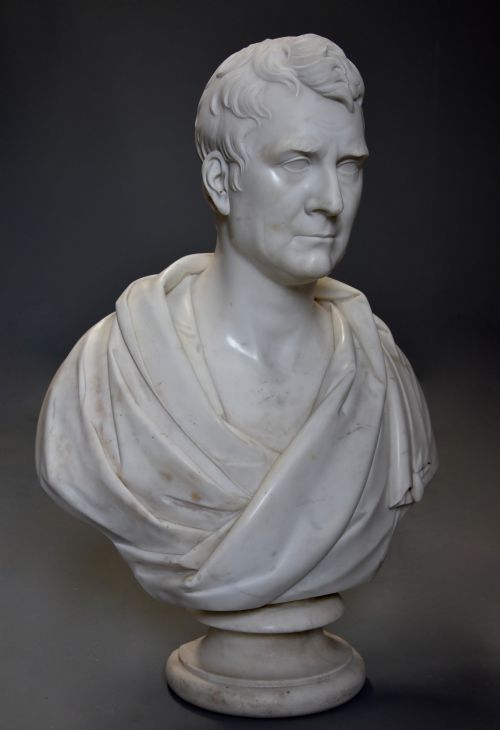
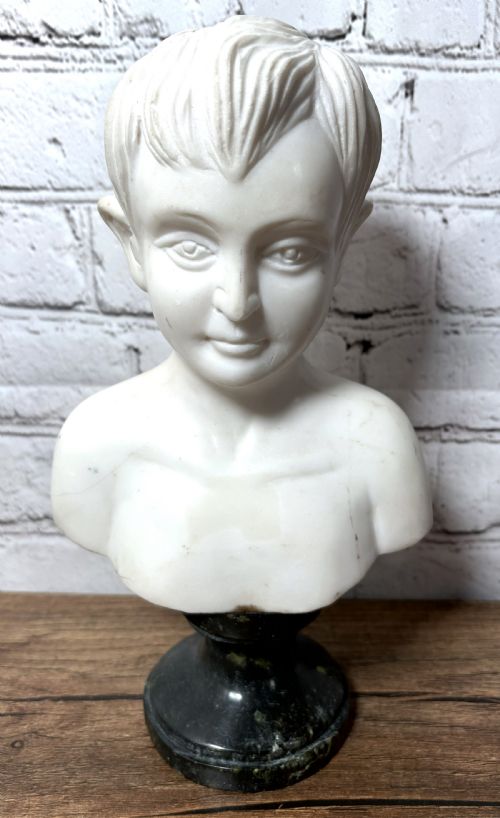
When you search for a neoclassical marble head, you encounter sculpted portraits, classical figures, and historical personages that reflect the enduring fascination with antiquity. The selection spans carved white marble and Carrara marble busts, alongside relief sculptures and fountain heads originating from the nineteenth century and the Grand Tour era.
You meet representations of young girls, Roman emperors, philosophers, and mythical muses such as Erato. These pieces range from monumental library busts to intimate carved portraits originating from Italian and French workshops.
Materials and Technique
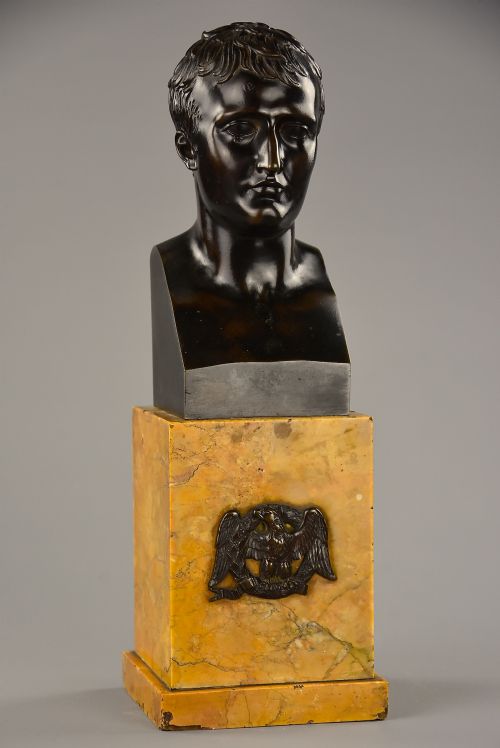
Carvers shaped these works primarily from white and Carrara marble, relying on chisel and drill techniques to render draped garments and lifelike facial expressions. Workshops occasionally combined marble with bronze, brass, or ormolu mounts to accent the stone.
Makers finished surfaces by smoothing the marble to imitate classical skin tones, while patinated bronze and brass elements provided structural support and decorative contrast.
Neoclassical Marble Head Retail Price Guide 2026
Typical asking prices for neoclassical marble head among the pieces listed under this phrase on Sellingantiques today, from the lower quarter to the upper quarter. They describe what is for sale here now, not the wider market.
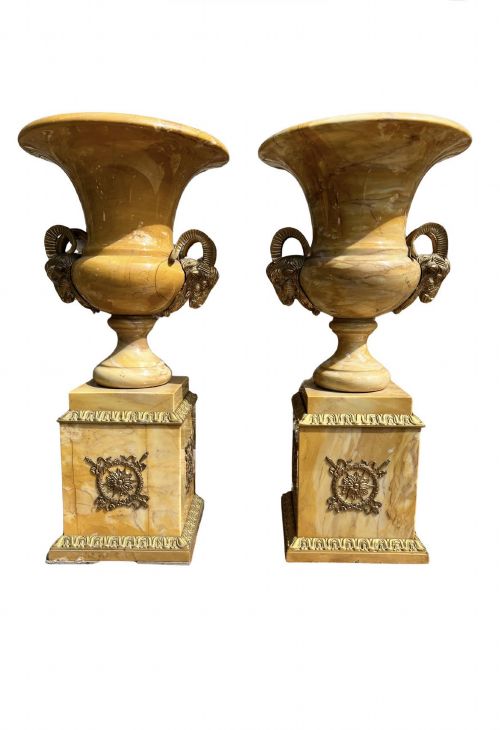
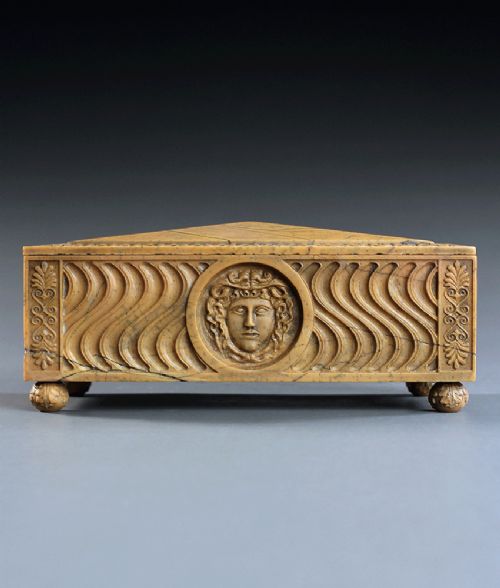
Listings feature nineteenth-century materials including Carrara marble, Siena marble, alabaster, bronze, and ormolu.
Judging Quality
Quality rests in the sensitivity of the carving, where depth in the eyes and softness in the hair separate skilled sculpture from mechanical production. Master carvers captured bone structure and expression with precision in the stone.
The choice of marble and the crispness of signature details, such as carved drapery folds or lettering on the base, distinguish superior historical examples from simpler decorative output.
Houdon·Eugene Aizelin·J Francis
The Neoclassical Marble Head Glossary
- Carrara marble
- A type of white or blue-grey marble quarried in the city of Carrara in Tuscany, widely utilised for classical sculpture.
- Grand Tour
- A traditional trip of Europe undertaken by upper-class European young men of means, resulting in the acquisition of art and antiquities.
- Bust
- A painted, sculpted, or cast representation of a person's upper chest, shoulders, and head.
- Ormolu
- Gilded bronze applications mounted onto decorative objects, furniture, and sculptures.
- Relief sculpture
- Sculpture in which figures project from a background plane, often carved from a single block of marble.
Neoclassical Marble Head: Frequently Asked Questions
What is a neoclassical marble head?
A neoclassical marble head represents sculpted portraits and classical figures inspired by ancient Greek and Roman art. These pieces were produced primarily during the nineteenth century as decorative works and Grand Tour souvenirs.
They capture historical figures, mythological subjects, and anonymous youths in carved stone, reflecting the period's revival of classical ideals in interior decoration.
How do I date a marble bust?
Dating relies on the style of the carving, the clothing, the haircut, and the type of marble used. Nineteenth-century examples often bear signatures, foundry marks, or inscriptions on their bases.
Examining the tool marks on the underside and the mounting hardware provides further clues to the period of manufacture.
Where were these sculptures made?
Many of these pieces originated in Italian workshops, particularly in Rome and Florence, catering to travellers on the Grand Tour. French and British studios also produced significant quantities of classical revival sculpture.
Italian carvers frequently utilised local Carrara marble for export across Europe.
How should I display a marble bust?
Marble busts require a sturdy pedestal, side table, or strong library shelf capable of supporting heavy stone. Placing them away from direct sunlight preserves the surface of the marble.
Ensure the piece sits on a level, stable surface to prevent tipping.