

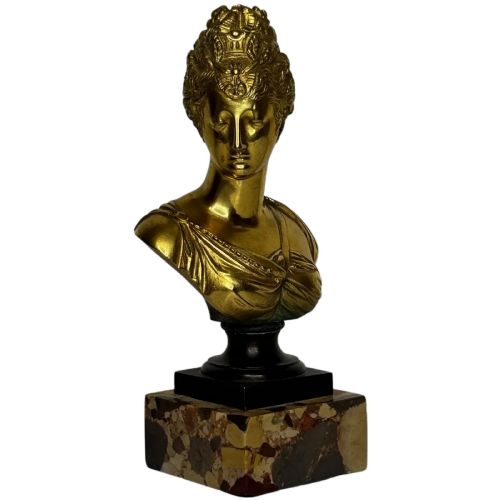
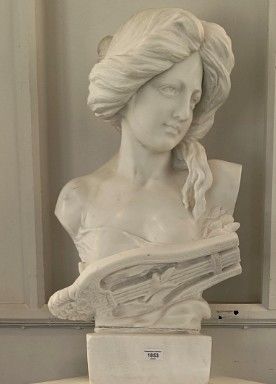
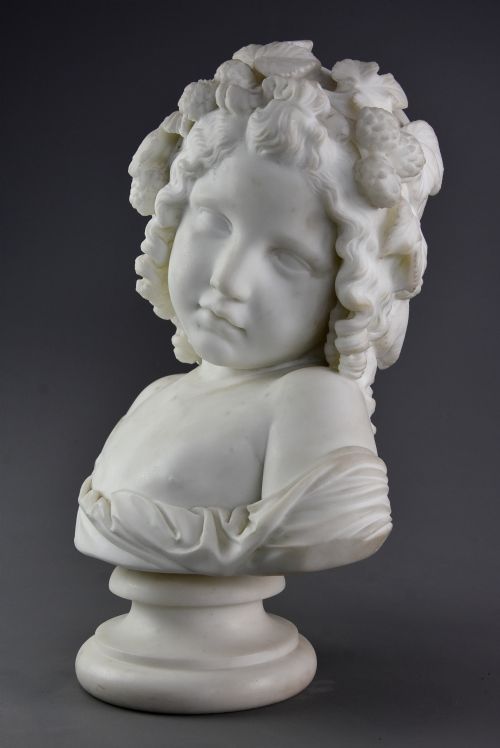
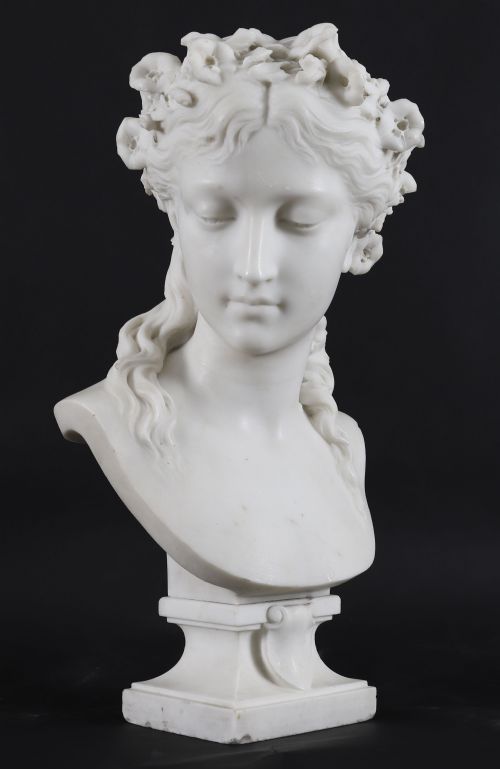


Neoclassical Marble Bust
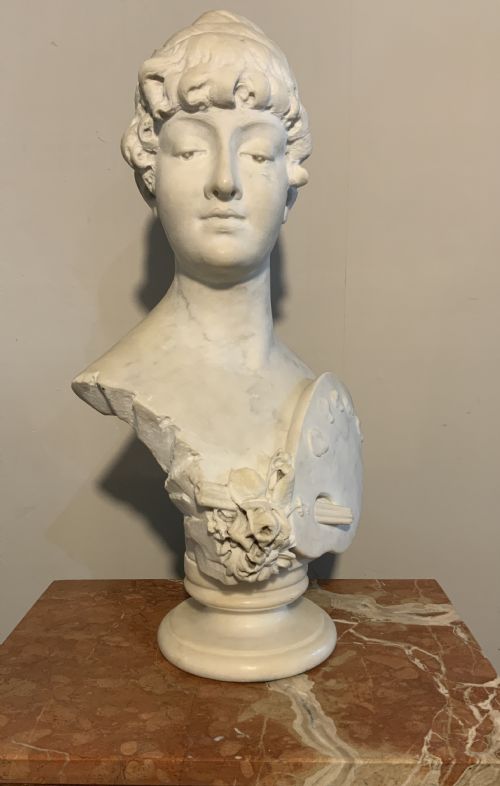
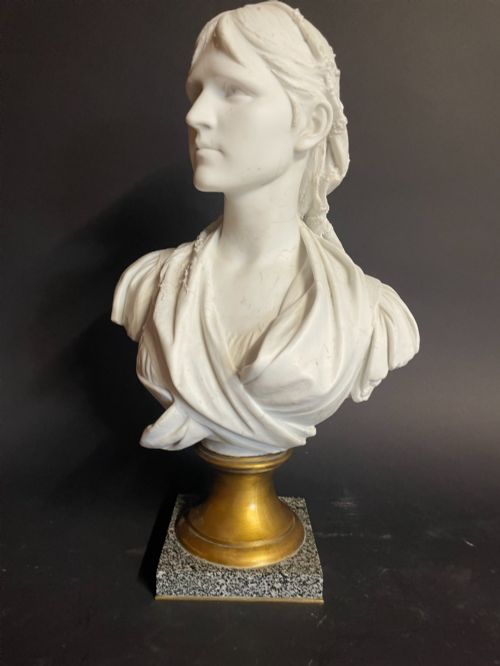
A neoclassical marble bust brings classical antiquity into a room, offering sculpted portraits shaped in white marble and Carrara marble.
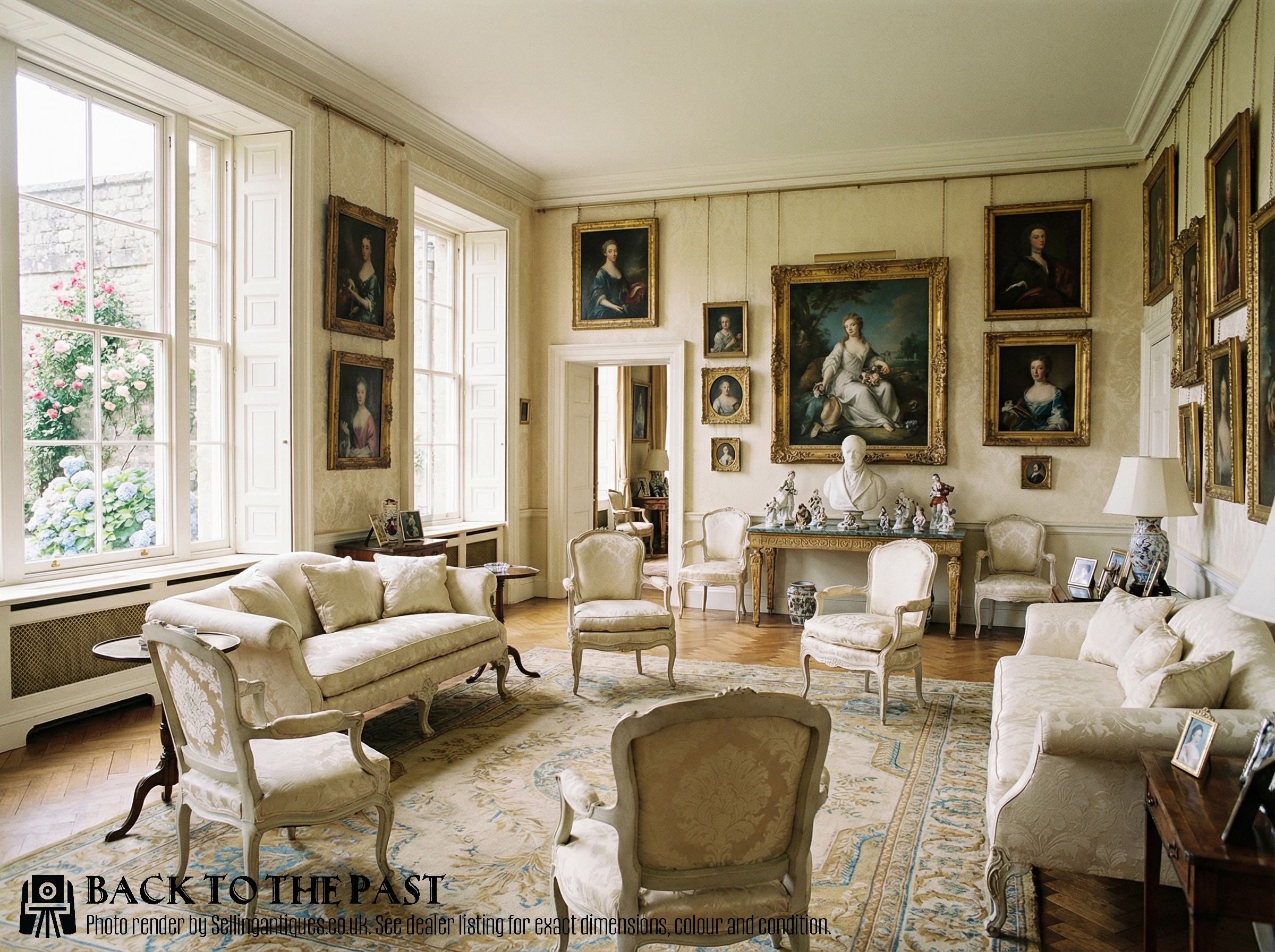
Identifying neoclassical marble bust examples
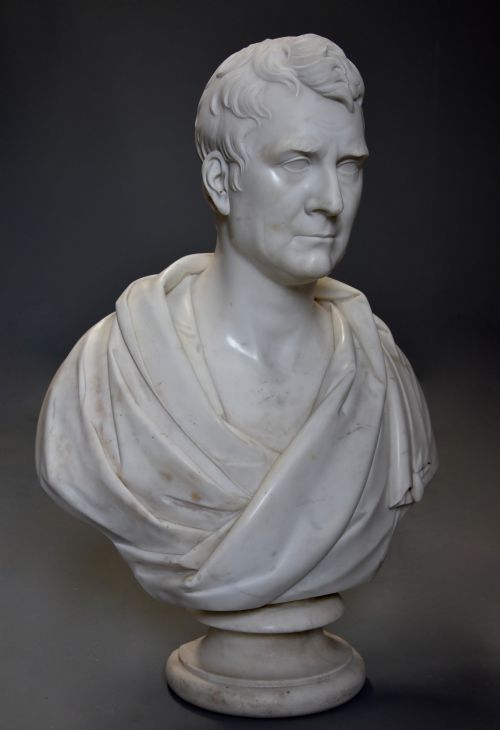
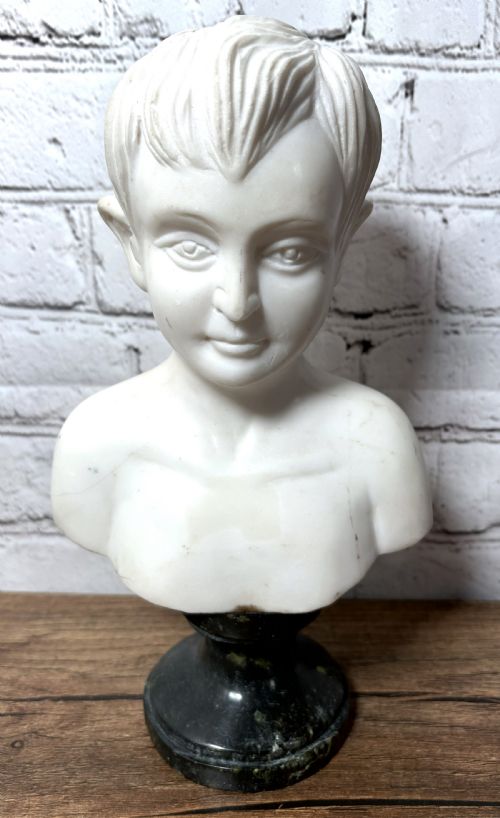
A neoclassical marble bust represents sculpted portraits originating mainly from the nineteenth century. These pieces reflect classical antiquity through carved forms of named subjects and anonymous youths.
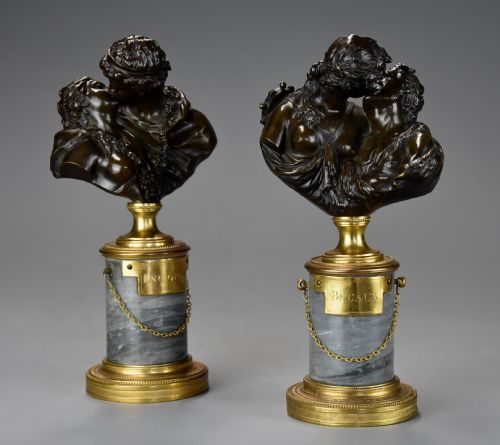
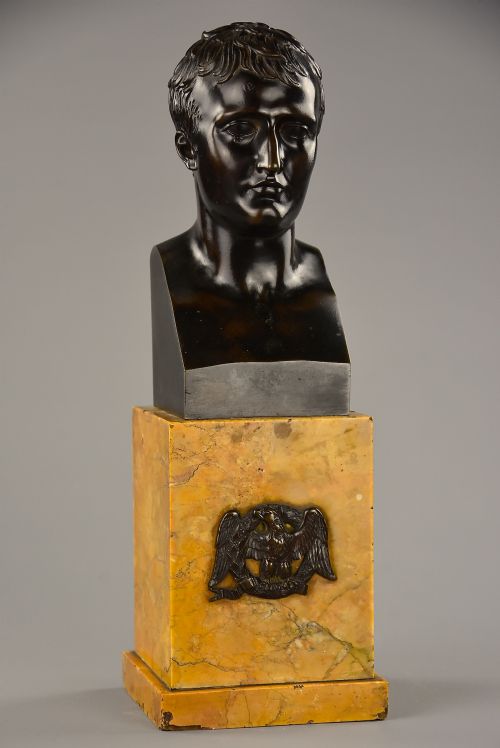
The objects seen here include sculptures carved from Carrara marble, white marble, and onyx. Formats range from large nineteenth century portrayals to signed pieces from nineteen ten.
Materials and construction
Carvers shaped these sculptures from solid blocks of white marble, Carrara marble, and onyx. The material allowed artisans to achieve smooth surfaces and detailed facial expressions.
Makers utilised manual carving techniques to produce nineteenth century pieces. Signatures etched into the stone record the hand of the sculptor.
Retail Price Guide 2026
Typical UK retail prices for neoclassical marble bust, calculated from the Sellingantiques database of over a million retail prices indexed since 2003. This retail price guide relies exclusively on Sellingantiques data; no external sources or auction records are used, so the figures do not describe the wider market.
James Loch MP smiles eternally in eighteen thirty-nine stone, watched over by anonymous nineteenth-century boys.
Assessing quality in carved stone
Quality separates standard nineteenth century carving from works bearing a known signature like that of J Francis. The presence of a signature indicates a higher level of sculptural mastery.
J Francis
The Neoclassical Marble Bust Glossary
- Carrara marble
- A type of white or blue-grey marble quarried in the city of Carrara in Tuscany, prized by sculptors for its uniform grain. This material forms the primary substance of several sculptures on this page.
- Neoclassical
- A style spanning the eighteenth and nineteenth centuries that drew inspiration from the art and culture of classical antiquity. It prioritises proportion, restraint, and classical subject matter.
- Bust
- A sculpted or cast representation of a person's head, shoulders, and upper chest. These objects focus attention entirely upon facial expression and character.
- Onyx
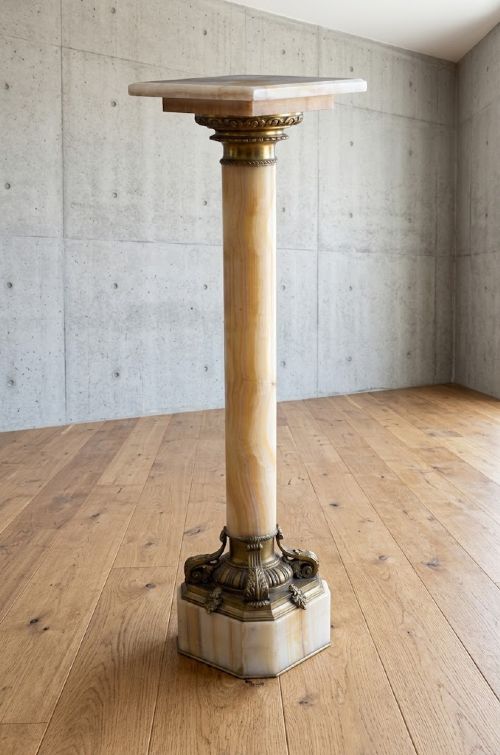
- A banded variety of silicate mineral often used for ornamental objects and sculptural bases. Its layered coloration distinguishes it from uniform white marble.
Frequently Asked Questions
What is a neoclassical marble bust?
A neoclassical marble bust is a sculpted portrait carved from stone during the nineteenth century or around nineteen ten. These pieces draw on classical styles to depict historical figures or youths.
They serve as decorative works that reference antiquity, utilising materials such as Carrara marble, white marble, and onyx.
How are these sculptures signed?
Some pieces feature etched signatures left by the carver near the base or on the reverse of the sculpture. Signatures identify the individual artist responsible for shaping the marble.
Names such as J Francis appear on nineteenth century examples, marking the work of a specific sculptor.
Where do these marble busts originate?
The pieces listed originate from the nineteenth century and nineteen ten. Italian origins appear in connection with Carrara marble works.
Carvers utilised European stone traditions to produce large carved marble bust items for collectors.
What materials make up these busts?
Makers relied primarily on white marble and Carrara marble for these nineteenth century sculptures. Onyx also appears among the materials used for these forms.
Each stone provides a smooth surface suitable for detailed carving and portraiture.