





Needlework Top Table
A needlework top table brings tactile texture and historic craft into a room, offering a functional surface inset with intricate textile panels.
Needlework Top Table
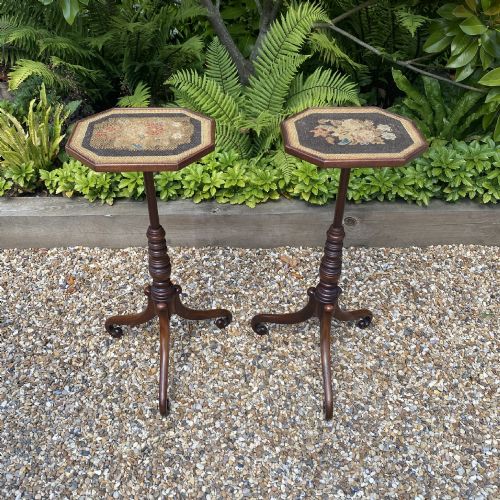
When you search for a needlework top table, you encounter practical furniture designed for domestic crafts and social spaces across past centuries. These pieces combine a sturdy wooden support with a decorative textile panel set directly into the surface.
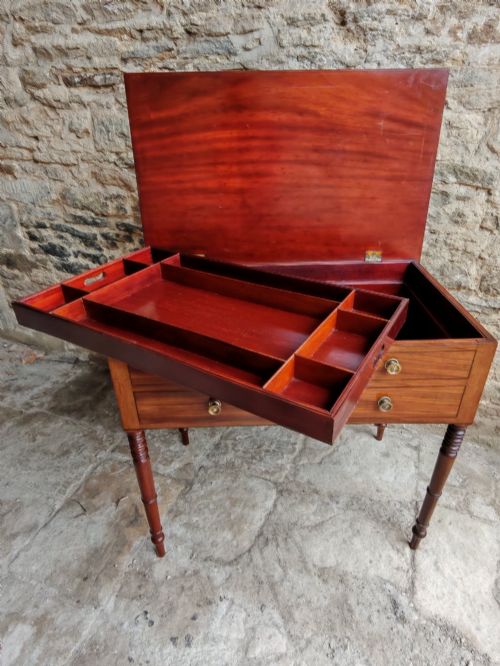
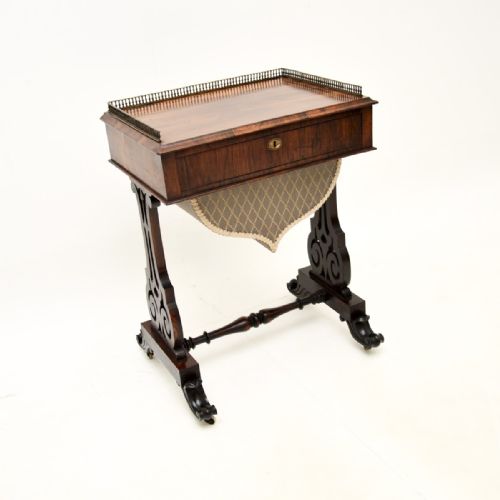
Many examples incorporate specialised interiors, such as fitted compartments for sewing implements, beadwork details, or hinged lids that reveal storage beneath the textile panel. The scale generally remains modest, suiting placement beside a chair or in a drawing room.
How they were made
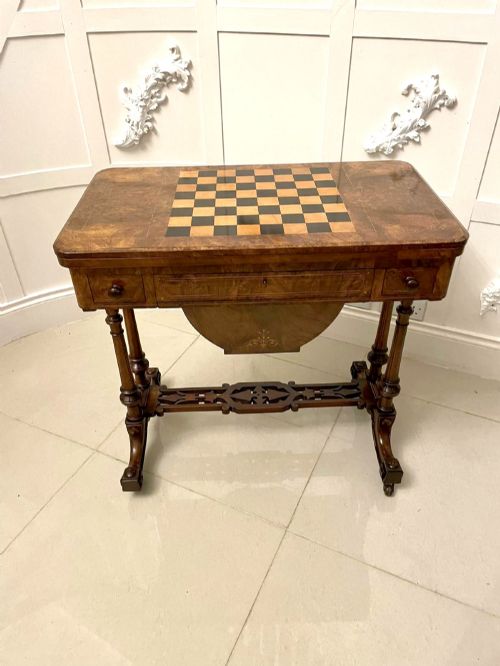
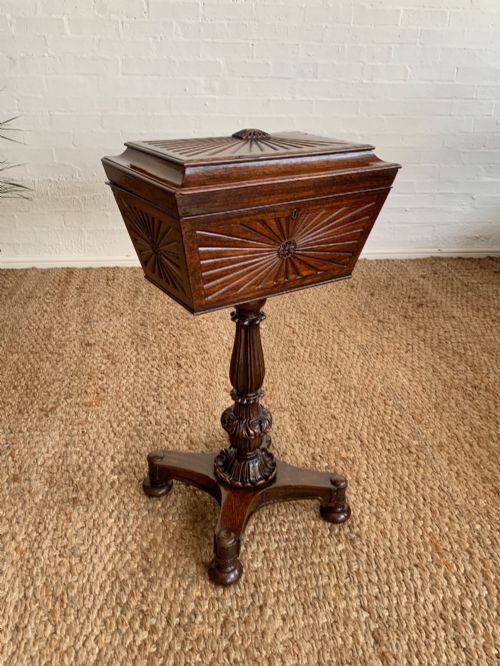
Cabinet makers utilised dense timbers such as rosewood and mahogany for the structural frames, often turning pedestals and shaping tripod bases for stability. Satinwood and specimen wood veneers add contrasting borders and geometric inlay to the tops.
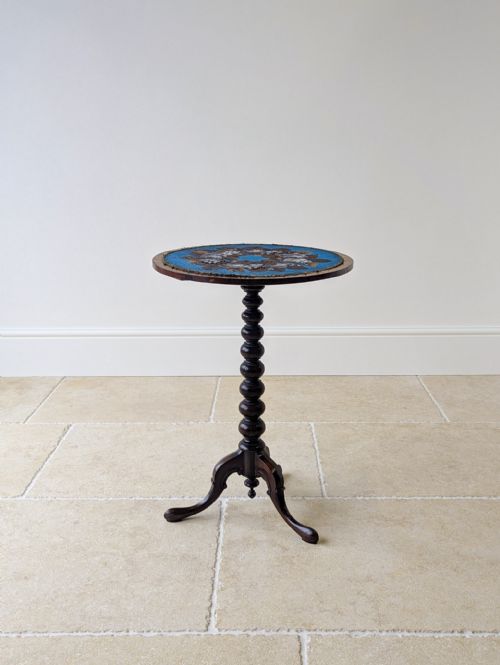
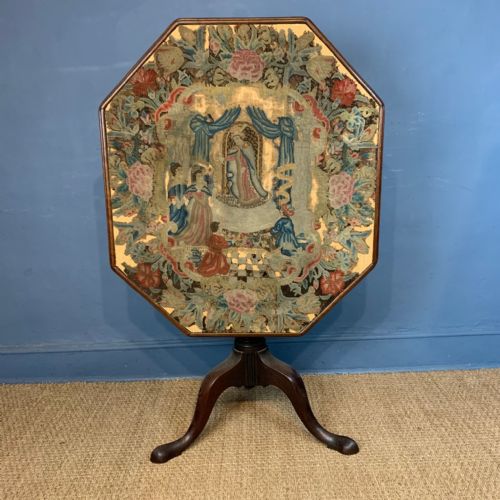
The decorative surfaces rely on textile arts, specifically needlepoint tapestry and beadwork panels protected beneath glass. Frame construction involves traditional joinery, aligning the wooden surrounds closely with the inserted fabric to create a flat, usable surface.
Needlework Top Table Retail Price Guide 2026
Typical asking prices for needlework top table among the pieces listed under this phrase on Sellingantiques today, from the lower quarter to the upper quarter. They describe what is for sale here now, not the wider market.
Some tables double as games boards, hiding strategy beneath the stitching.
What varies in quality
The distinction between standard examples and finer pieces rests upon the precision of the woodwork and the complexity of the textile insert. Crisp carving on pedestals and tight, well-fitted joinery indicate superior cabinet making.
The intricacy of the needlepoint or beadwork panel heavily influences the overall character of the table. Original textiles showing fine stitch density and preserved colour separation elevate the piece above plain or later replacements.
The Needlework Top Table Glossary
- Needlepoint textile
- Canvas worked with wool or silk yarn in counted-thread stitches. It forms the decorative insert displayed beneath glass or set flush into the table surface.
- Tripod table
- A small freestanding table supported by a single central pillar resting on three legs. This form allows the table to stand steadily on uneven floors.
- Work table
- A specialised piece of furniture fitted with compartments, trays, or bags for sewing and crafting materials. They frequently feature hinged tops concealing storage wells.
- Specimen wood
- Small pieces of various contrasting timbers utilised to create decorative geometric patterns and borders. Makers arranged these pieces to display natural tonal variety.
- Caddy top
- A hinged or lift-off lid style reminiscent of tea caddies, often utilised on work tables to enclose the fitted interior or textile panel.
Needlework Top Table: Frequently Asked Questions
What is a needlework top table?
A needlework top table is a small occasional or sewing table featuring a textile panel, such as tapestry or beadwork, incorporated directly into the surface.
These pieces combine furniture construction with decorative needle arts, providing both a functional tabletop and a display of historical stitchcraft.
How were these tables used?
They served primarily as practical stands for domestic needlework, holding threads, fabrics, and tools within integrated compartments.
Many examples also functioned as wine tables or general side tables in parlours, offering a decorative surface for everyday social use.
How do I identify a Victorian example?
Victorian pieces frequently utilise dark timbers such as rosewood and walnut, often featuring turned pedestals and elaborate needlepoint inserts.
They tend to date from the mid to late nineteenth century and commonly include fitted interiors for sewing or games.
Are the textile tops original?
Many tables retain their original needlepoint or beadwork panels, showing period-appropriate wear and stitch techniques.
Careful inspection of the canvas, yarns, and how the textile is secured within the wooden frame helps indicate its age.