




Georgian Scroll Leg Table
These georgian scroll leg table pieces bring together classical proportions and rich timbers, offering practical surfaces that anchor a room with quiet authority.
Georgian Scroll Leg Table
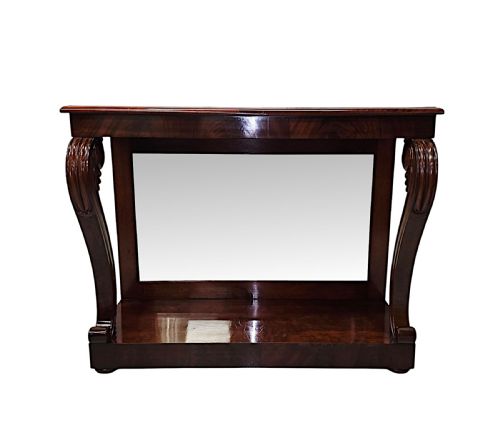
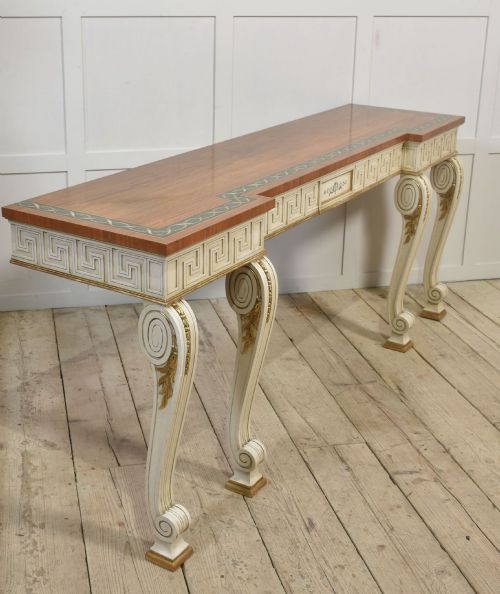
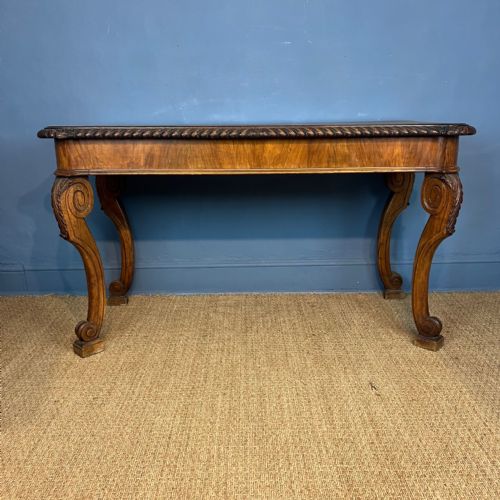
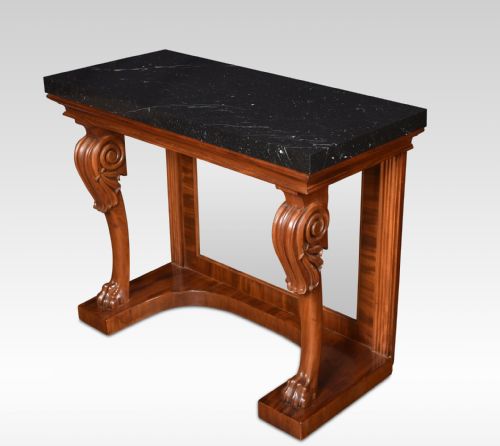
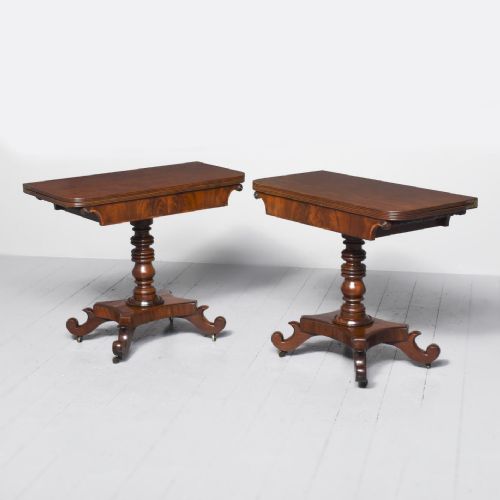
A georgian scroll leg table encompasses console, wine, tea, and occasional tables spanning the Georgian, Regency, and William IV eras. The listings here lean towards mahogany console tables alongside oak, walnut, and painted timber examples.
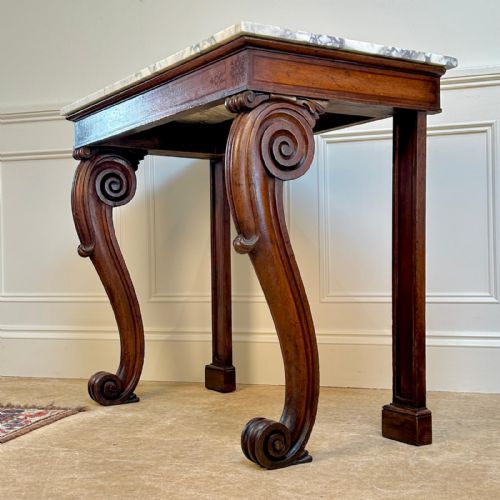
The forms range from wall-fixed console tables with marble or wood tops to smaller pedestal and tea tables. These pieces originate across the nineteenth and late eighteenth centuries, carrying the distinctive scrollwork characteristic of the periods.
Construction and materials
Makers relied heavily on dense hardwoods like mahogany, oak, and walnut, often shaping timber into robust pedestals and console supports. Brass mounts and marble inserts appear on select pieces to elevate the decorative scheme.
Surface treatments include traditional polished wood finishes alongside painted wood surfaces. Joinery reflects the period standards, uniting structural stability with ornate carved scroll details.
Georgian Scroll Leg Table Retail Price Guide 2026
Typical asking prices for georgian scroll leg table among the pieces listed under this phrase on Sellingantiques today, from the lower quarter to the upper quarter. They describe what is for sale here now, not the wider market.
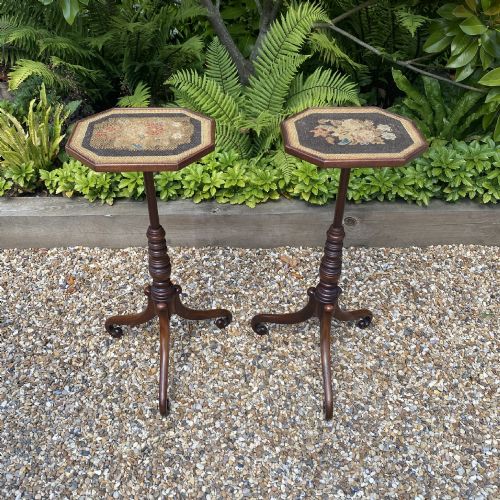
Needlepoint textile surfaces sit quietly among the heavy timber and marble, reminding us that past owners preferred to stitch their own tabletops.
Assessing craftsmanship
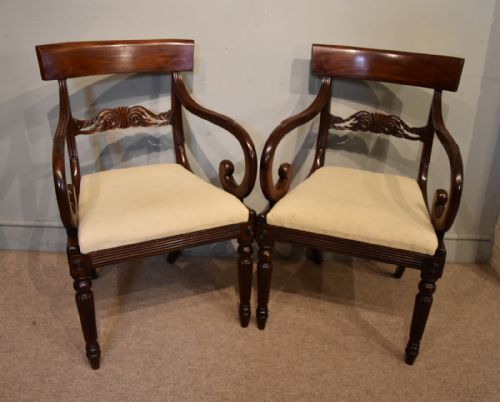
Quality rests in the crispness of the carved scroll legs and the selection of figured timber veneers. Superior examples display harmonious proportions and careful integration of secondary materials like brass mounts or marble tops.
The distinction between standard and finer pieces lies in the depth of hand-carving and the integrity of the original construction. Modest country pieces prioritize utility, while higher-status console and tea tables showcase refined neoclassical design vocabulary.
Gillingtons of Dublin
The Georgian Scroll Leg Table Glossary
- Console table
- A table designed to stand against a wall, frequently secured to it with brackets. These often feature decorative front legs while relying on the wall for ultimate stability.
- Pedestal table
- A table supported by a single central pillar rising from a base. This design maximises legroom around the surface.
- Tea table
- A small folding or flap-top table popular during the eighteenth century for serving tea. They often sit against walls when closed.
- Neoclassical
- A style drawing inspiration from classical antiquity, characterised by restraint, symmetry, and architectural motifs. It heavily influences nineteenth-century furniture design.
Georgian Scroll Leg Table: Frequently Asked Questions
What rooms suit a console table?
Console tables function effectively in hallways, living rooms, and dining spaces where floor space is at a premium. Their shallow depth allows them to sit against walls without obstructing walkways while providing a surface for lamps or decorative objects.
Pairing a console with a mirror or placing it beneath a painting creates a balanced focal point in an interior scheme. The varied materials, from mahogany to marble, help them integrate into both traditional and modern rooms.
How do I care for antique mahogany?
Antique mahogany requires minimal intervention, benefiting most from dusting with a dry, soft cloth. Avoid placing these tables in direct sunlight or near heat sources to prevent the timber and veneers from drying out.
Applying a traditional beeswax polish periodically helps maintain the lustre of the wood grain. Water and alcohol should be kept away from untreated or polished surfaces to prevent staining.
What defines Regency style?
Regency design draws heavily on Greek, Roman, and Egyptian antiquity, emerging during the early nineteenth century. It emphasises clean architectural lines, bold use of rosewood and mahogany, and restrained decorative mounts.
Tables from this era often feature carved scrolls, brass inlays, and heavier pedestals compared to earlier Georgian iterations. The aesthetic balances classical grandeur with functional domestic utility.
How are wine tables used today?
Wine tables serve as compact occasional surfaces for holding drinks, books, or small lamps beside armchairs. Their small footprints make them versatile additions to corners or tight spaces within a seating arrangement.
Moving them around a room is straightforward due to their light construction and central pedestal forms. They offer a functional way to introduce period character into daily living spaces.