


Navy Blue Runner
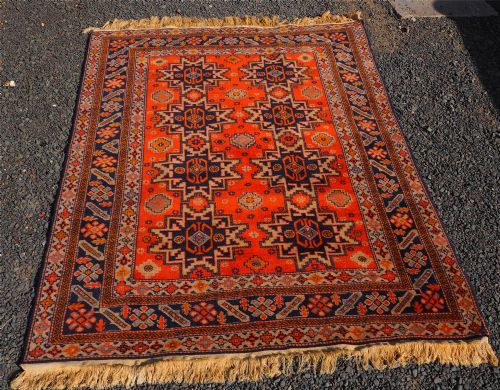
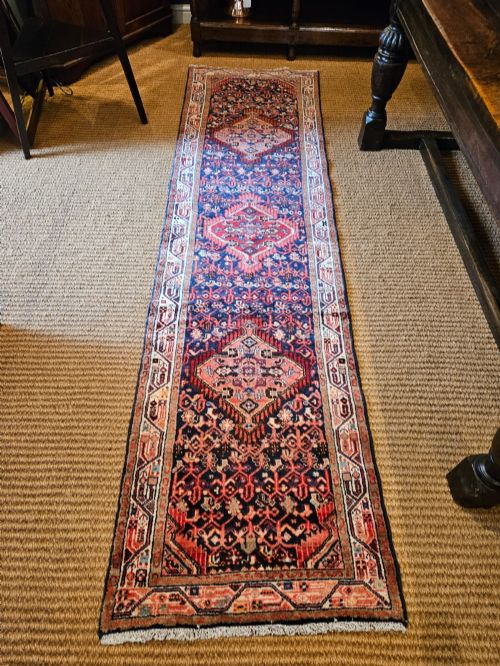
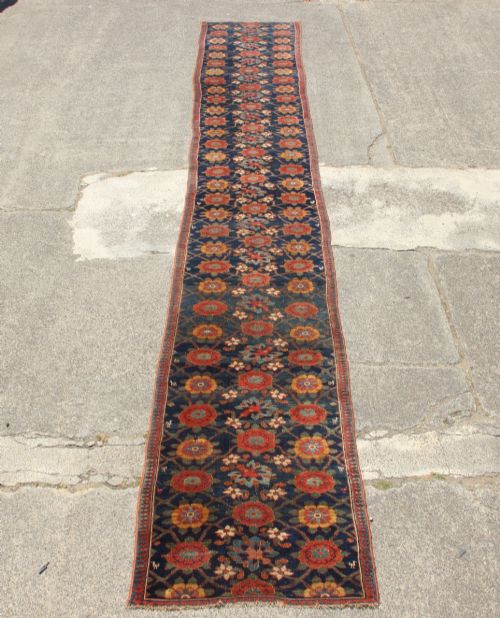
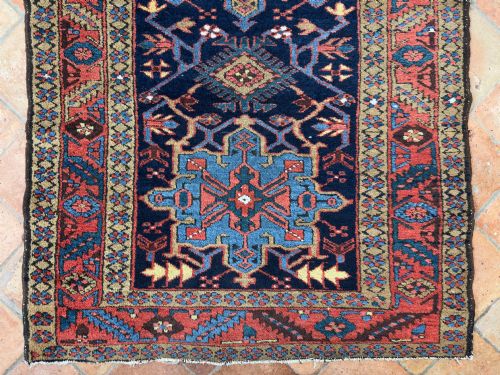
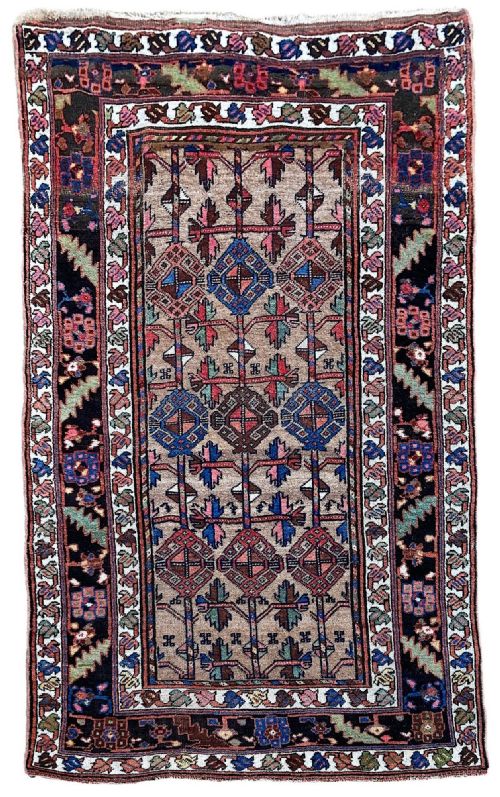
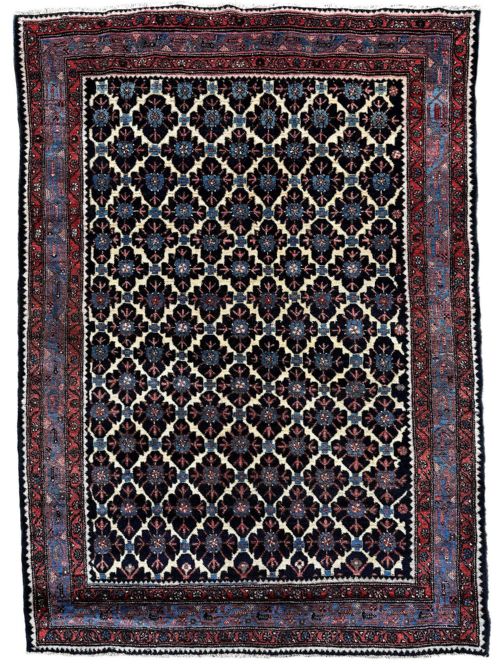
A navy blue runner brings deep indigo ground and linear geometry to a hallway, grounding a narrow space with traditional pile.
Navy Blue Runner
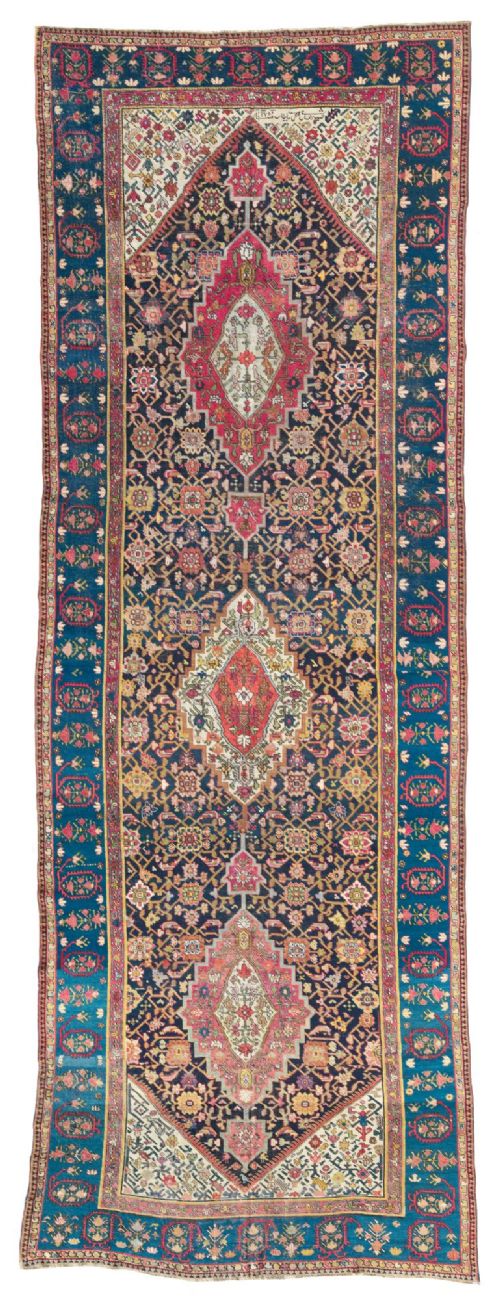
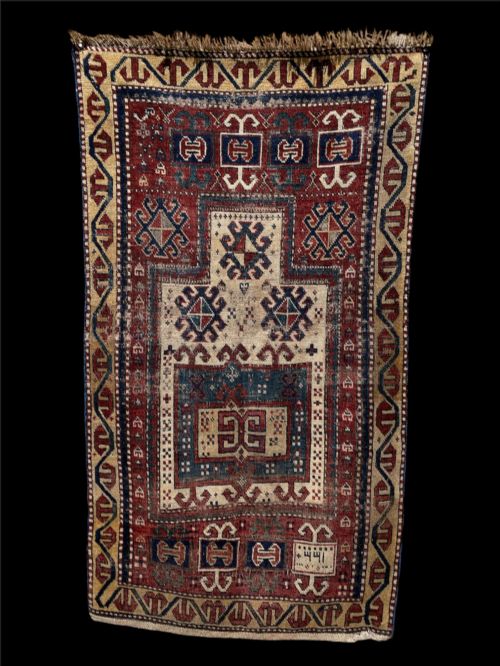
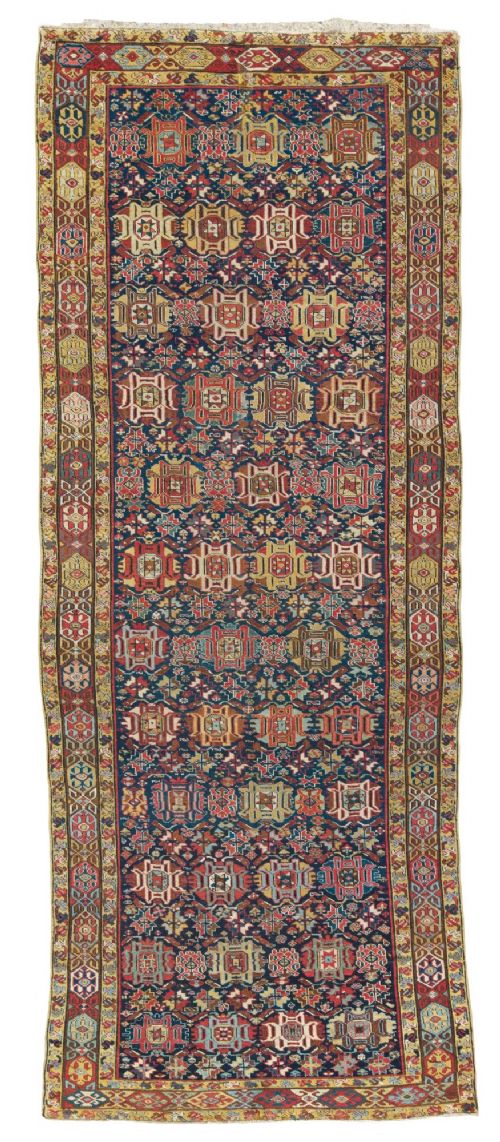
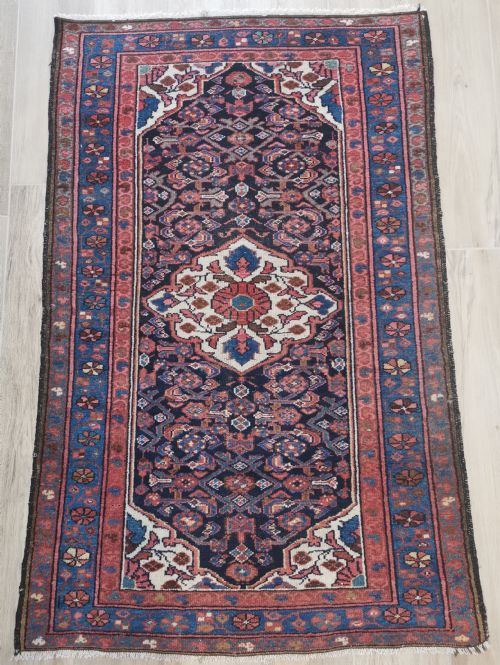
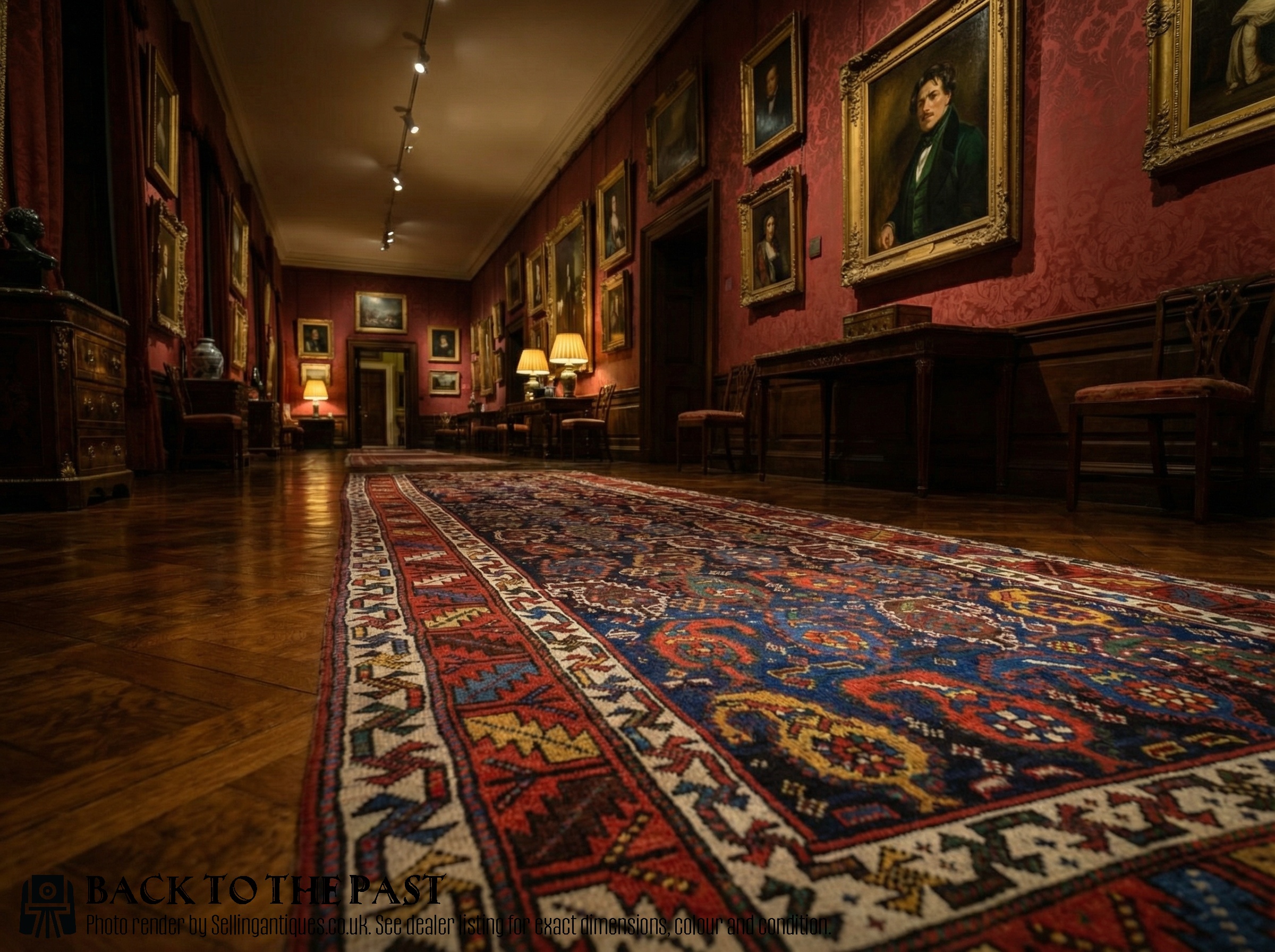
A navy blue runner on this page typically takes the form of a long, narrow carpet woven in village and tribal workshops across Persia and the Caucasus during the nineteenth and early twentieth centuries. These pieces span formats from early twentieth-century examples down to nineteenth-century room lengths, serving narrow passages and corridors.
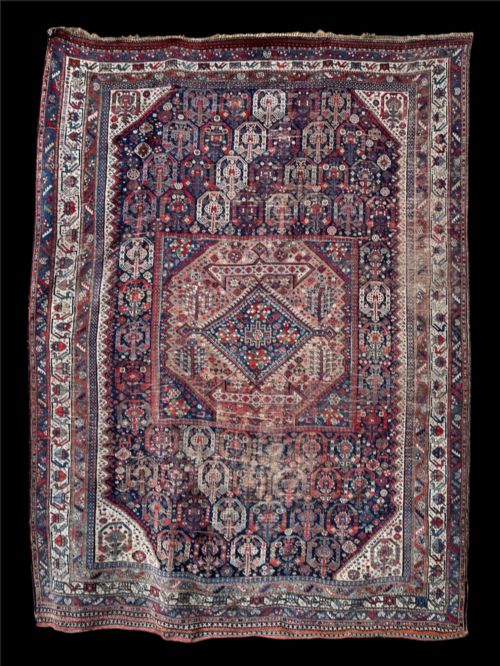
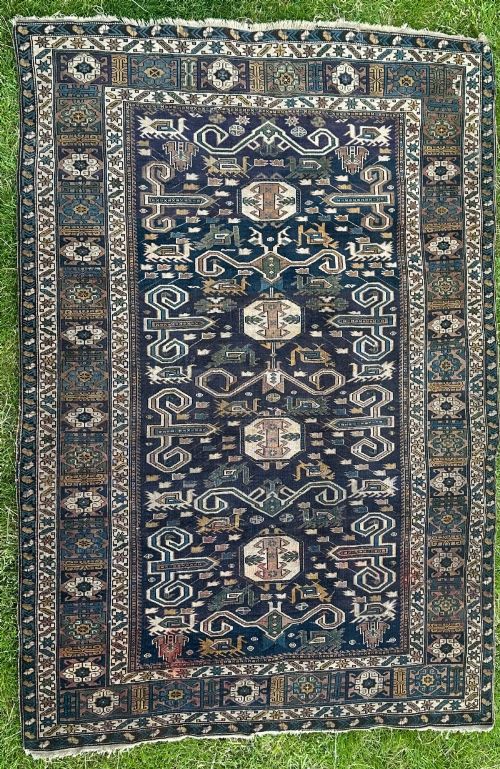
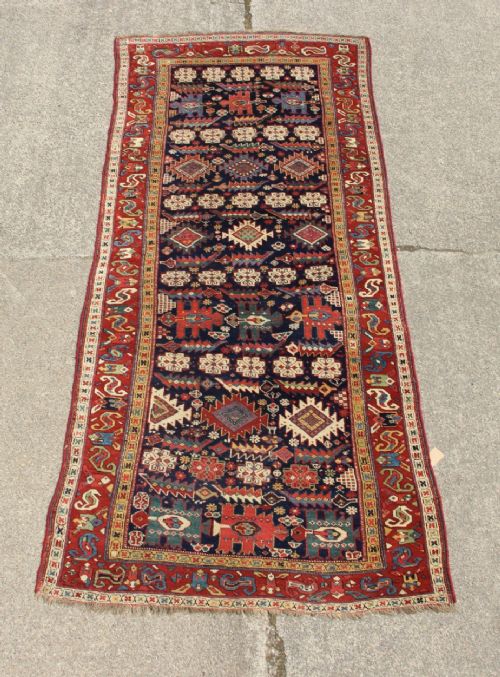
Makers utilised traditional formats like the Kelleh and long runner, deploying deep blue fields to anchor geometric medallions, tribal guls, and floral repeat patterns. The selection ranges from narrow Ferahan runners to broader village carpets originating in regions such as Hamadan, Kurdish territories, and Shirvan.
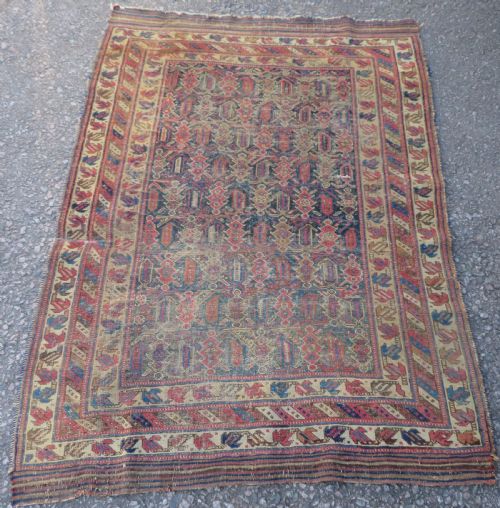
Buyers seeking a navy blue runner encounter formats defined by regional weaving traditions rather than uniform factory production. Each piece reflects the specific palette of its district, combining indigo grounds with contrasting madder reds, ivories, and soft blues.
Materials and construction methods
Weavers constructed these runners using hand-spun wool for both the pile and the foundational warps and wefts, ensuring a dense, resilient fabric suited to heavy foot traffic. Cotton also appears in the foundations of various village and city pieces from the later periods.
The wool absorbs natural dyes unevenly over decades, creating subtle shifts in tone across the indigo field known as abrash. Artisans knotted the pile by hand onto vertical looms, securing the edges with overcast selvedges.
Nomadic weavers occasionally embedded stray animal hairs directly into the wool pile as an authentic signature of rural life.
Distinctions in quality and execution
Quality rests on the fineness of the knotting and the crispness of the drawing within the design, where tighter weaves allow intricate motifs like Mina Khani patterns and Memlinc guls to retain their geometry. Finer examples display precise alignment along the long axis of the runner.
The depth and saturation of the indigo dye determine visual richness, with superior pieces showing complex secondary colours that mellow evenly over time. The integrity of the original wool pile and the survival of the outer borders dictate the structural preservation of the runner.
The Navy Blue Runner Glossary
- Runner
- A long, narrow carpet designed specifically for hallways, corridors, and stairs. They measure significantly longer than they are wide.
- Abrash
- Natural variations of shade within a single colour field caused by distinct batches of dyed wool. This variation indicates hand-dyeing processes.
- Kelleh
- A large format rectangular rug or runner traditionally longer than a standard scatter rug but shorter than a full room-size carpet.
- Gul
- A medallion or repeating octagonal motif used extensively in tribal and village weaving traditions across Central Asia and the Caucasus.
- Sofreh
- A flatwoven or piled spread used for dining, kneading dough, or ritual purposes within nomadic and village households.
Navy Blue Runner: Frequently Asked Questions
Where should I place a runner?
These long carpets suit narrow transit spaces such as hallways, corridors, and landings where foot traffic requires a durable floor covering.
They also function effectively beside beds or in galley kitchens to protect timber flooring while adding linear pattern to the room.
How do I identify the age of a runner?
Age is assessed through structural characteristics, dye palettes, and the type of wool utilised in the pile and foundation. Hand-spun wool and natural indigo indicate production prior to the widespread adoption of synthetic dyes in the late nineteenth century.
Regional weaving styles and structural wear patterns further help narrow down the period of manufacture between the mid-nineteenth and early twentieth centuries.
Are these runners made of pure wool?
Most examples feature a wool pile combined with wool or cotton foundations, utilising materials suited to traditional nomadic and village production.
Hand-spun wool provides the primary substance for both the durable surface pile and the underlying structural grid.
How do regional styles differ?
Caucasian pieces tend to display crisp, geometric motifs and stark primary colours, whereas Persian village runners often incorporate softer floral fields and repeated medallions.
Kurdish and tribal works frequently utilise distinct tribal guls and heavier wool textures compared to the finer, urban-influenced workshops of Seneh or Ferahan.