


Navy Blue Persian Textile
A navy blue persian textile brings deep indigo tones and tribal geometry into a room, offering authentic nomadic craft.
Navy Blue Persian Textile
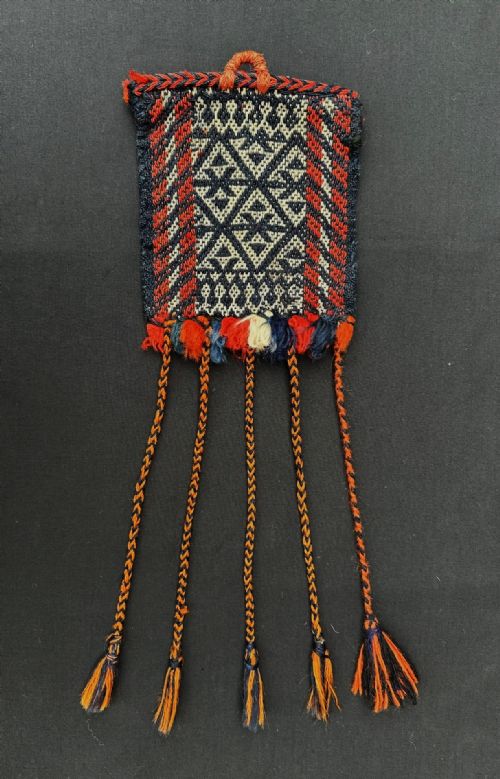
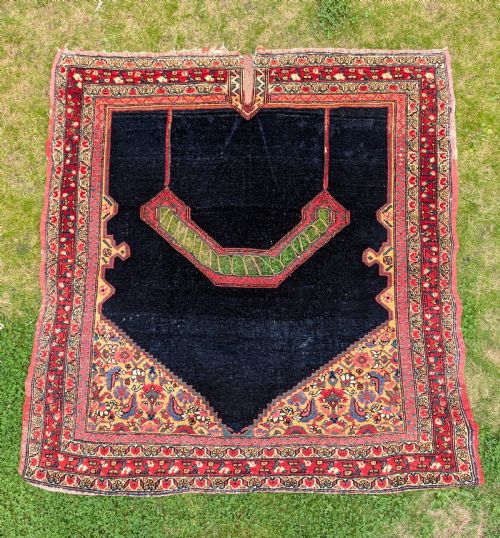
A navy blue persian textile encompasses tribal weavings such as saddlebag faces, sofreh dining cloths, and utility bags originating from various nomadic confederations across nineteenth century Persia. These pieces reflect the functional artistry of groups including the Afshar, Baluch, Qashqa'i, and Shahsavan tribes.
The objects seen here range from complete saddlebags with plain weave backs to individual saddlebag faces and square sofreh cloths. Dating primarily from the eighteen seventies, eighteen eighties, and nineteen hundreds, these survivors demonstrate the diverse weaving traditions of provincial workshops and borderlands.
Buyers seeking a navy blue persian textile encounter formats shaped by nomadic utility, where dark indigo grounds contrast with motifs like boteh and animal or geometric designs. Each item serves as a tangible link to regional weaving centres spanning Kerman, Khorassan, and Fars provinces.
Factors determining quality
Quality rests in the lustre of the wool and the depth of the natural dyes, where luminous material elevates the visual impact of the indigo ground. Superior pieces display precise execution in tribal motifs like boteh or bird and dragon designs.
Condition and completeness also distinguish examples, such as whether a saddlebag survives with its original plain weave back or remains a single face. Finer knot density and intact original selvedges indicate careful domestic production.
Some saddlebag faces still carry the hidden ghosts of camel transport in their sturdy utilitarian backs.
The Navy Blue Persian Textile Glossary
- Sofreh
- A flatwoven or piled cloth used for dining or food preparation in Persian nomadic households. These rectangular textiles often double as serving spreads.
- Boteh
- A stylized almond or paisley motif originating in Persian textile design, frequently repeated across tribal fields. The shape represents a floral spray or cypress tree.
- Soumak
- A flatweave technique utilising wrapping threads over warp strings to create a durable, textured surface without pile. This method provides crisp geometric pattern definition.
- Khorjin
- The traditional Persian term for a double saddlebag used by nomadic tribes for transport and storage. Surviving fragments typically preserve just the face or half-face.
- Selvedge
- The bound edge of a textile that prevents the warp threads from unraveling along the sides. Original finishing indicates careful preservation.
Navy Blue Persian Textile: Frequently Asked Questions
How were these bags used?
Nomadic groups utilised these sturdy bags for pack transport and storage during seasonal migrations across Persia. They held household possessions, grain, or personal belongings on horseback and camelback.
Over decades of domestic service, these utility pieces became central decorative items within tribal tents. Their conversion into wall hangings or small floor displays reflects modern appreciation for utilitarian folk art.
Where did these pieces originate?
Various nomadic tribes and confederations produced these textiles across specific provinces of Persia and adjacent borderlands. Groups such as the Afshar, Baluch, Qashqa'i, and Shahsavan worked in distinct regions including Kerman, Khorassan, and Fars.
Local environmental conditions and regional dye recipes shaped the distinct visual character of each tribe's output. Borderland territories between Persia and Afghanistan also yielded mixed design traditions.
How do I care for old wool?
Gentle vacuuming without a beater bar removes surface dust safely from antique pile and flatweave surfaces. Professional textile cleaning specialists should handle heavier maintenance.
Avoiding direct sunlight preserves the fugitive nature of natural indigo and vegetable dyes over time. Periodic rotation prevents uneven wear from foot traffic or localized illumination.
How can I date these items?
Dating relies upon stylistic markers, structural analysis, and material consistency aligned with nineteenth century production methods. Natural dye palettes and hand-spun wool characteristics point toward the eighteen seventies, eighties, and nineteen hundreds.
Structural evidence such as cotton content in foundations and specific tribal knotting habits help establish approximate periods. Comparative study with documented pieces in museum archives refines these timeframes.