




Nautical Seascape Artwork
Nautical seascape artwork captures vessels, coastal shores and open waters through oils, watercolours and gouache across the nineteenth and twentieth centuries.
Nautical Seascape Artwork
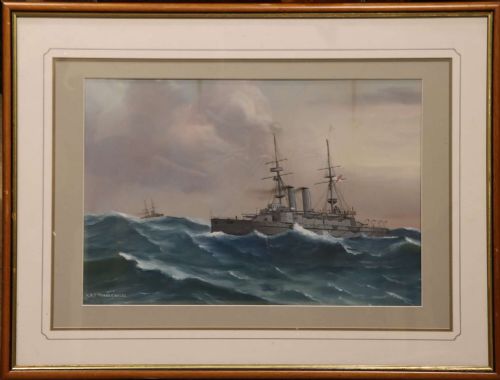
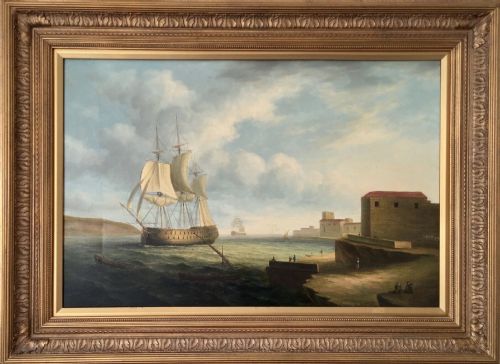
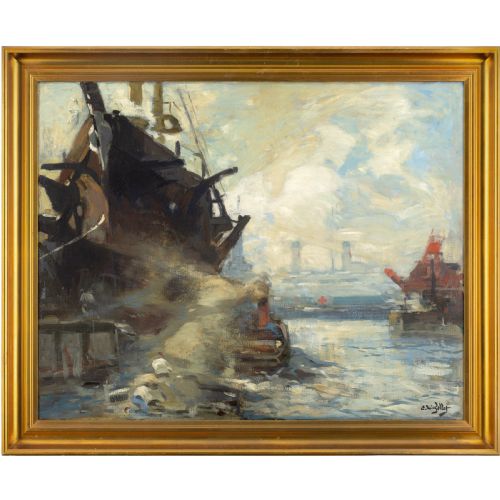
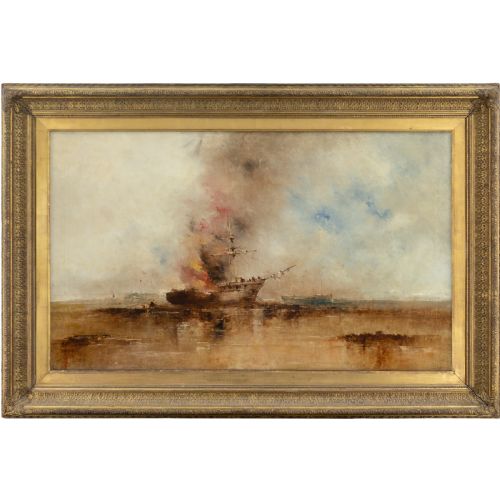
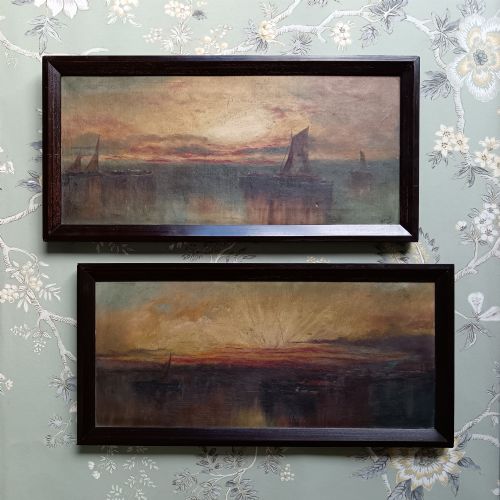
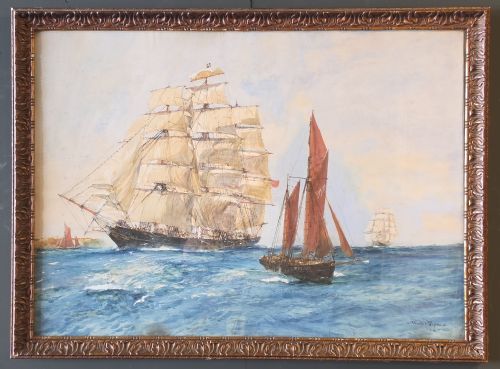
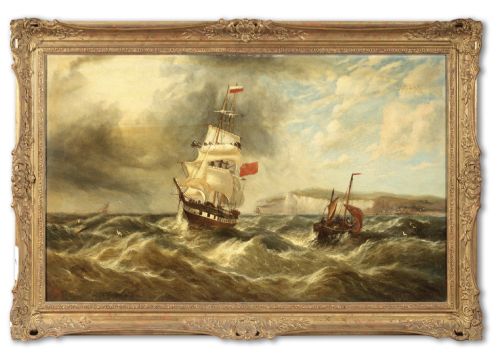
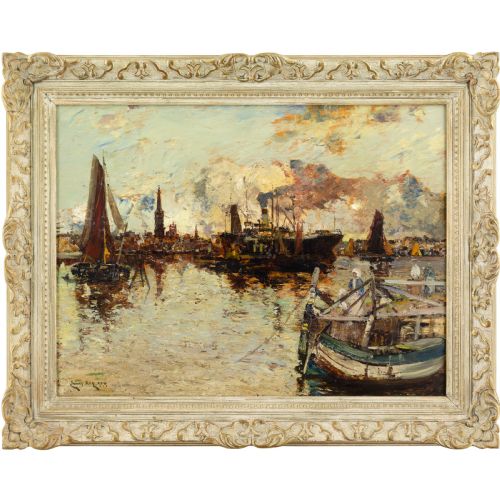
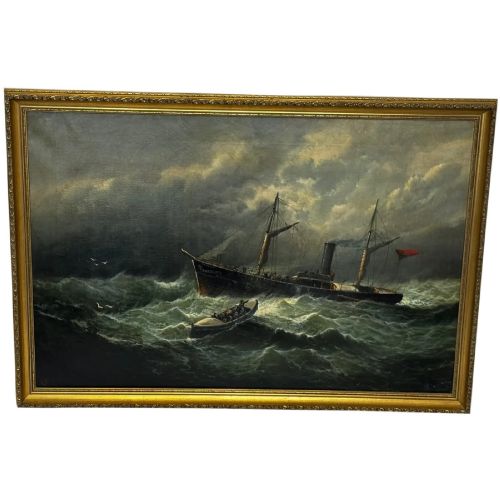
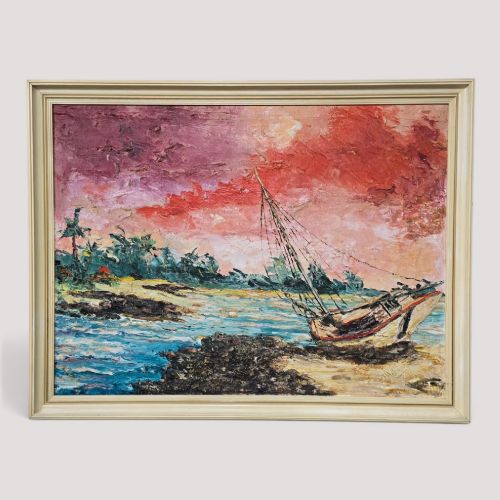
A nautical seascape artwork records maritime subjects ranging from bustling harbour scenes and fishing boats to dramatic shipwrecks and warships on the open ocean. These works span the nineteenth century into the mid twentieth century, encompassing Victorian maritime styles and Edwardian marine art.
Buyers will most frequently encounter nineteenth century oil paintings on canvas and panel alongside period watercolours on paper. Coastal landscapes, river views and stormy seascapes form the core of the available forms on this page.
How they were made
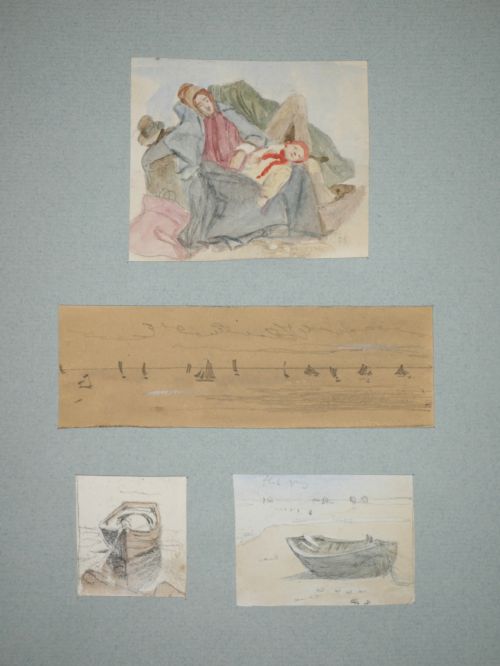
Artists painted primarily with oil paint on canvas or wooden board, or applied watercolours and gouache onto paper. These mediums allowed painters to render the translucent qualities of water and the heavy atmosphere of stormy skies.
Many surviving pieces retain their original wooden and gilt frames, which provide structural support and complement the maritime subject matter through traditional decorative moulding.
Listings feature works from the nineteenth century, the Edwardian era, and the mid twentieth century, executed in oil and watercolour.
What varies in quality
Quality rests upon the artist's command of light, movement and maritime architecture, where accurate rigging and hull proportions distinguish accomplished hands from routine topographical production. Dynamic compositions capturing turbulent waves or atmospheric light effects generally demonstrate superior artistic skill.
The preservation of the pigment and the integrity of the canvas or paper surface also determine distinction, alongside the quality of any period gilt framing associated with the piece.
James Hardy·Kenneth Cozens·James Orrock·Eugène-Louis Gillot·William McAlpine·Charles Edward Dixon·John Rose Miles·James Kay·William Broome·Bernard Gribble·Bonaventura Peeters·Frank William Scarbrough·F. Corpuz·Peter Brannan·Lucy Pratt·Willem Bos·TB Hardy·John Wilson Carmichael·Lai Fong·William Henry Williamson·Bernard Benedict Hemy·George Stanfield Walters
The Nautical Seascape Artwork Glossary
- Gouache
- An opaque water-based paint that allows for vibrant highlights and solid areas of colour on paper or board.
- Panel
- A thin sheet of wood used as a rigid painting surface before stretched canvas became dominant.
- Provenance
- The documented history of ownership that traces a work from its creation to the present collection.
- Seascape
- A work of fine art that depicts the sea, coastal views, ships or maritime activity.
Nautical Seascape Artwork: Frequently Asked Questions
How should I hang nautical seascape artwork?
Display these works away from direct sunlight and damp environments to protect fragile watercolours and oil surfaces. Secure them to wall studs using appropriate fixings given the weight of period wooden frames.
Ensure adequate spacing around each piece so the maritime composition remains the clear focal point of the room.
What subjects appear in these maritime paintings?
The subjects range from merchant sailing ships and warships to quiet fishing boats and bustling harbour ports. Artists recorded specific locations such as Valletta Harbour, Brighton Beach and the River Tyne.
Stormy seas and calm coastal inlets both feature prominently across the various periods.
How do I identify the period of a seascape?
Examine the materials, framing style and clothing of any figures depicted within the composition. Nineteenth-century works often employ heavier gilt frames and traditional rigging details.
Twentieth-century pieces introduce post-impressionist influences and modernist handling of paint.
Are these works painted on canvas or paper?
The collection includes both oil paintings executed on stretched canvas or wooden board and watercolours created on paper. Each medium offers a distinct texture and visual finish.
Watercolours are typically mounted behind glass, whereas oil paintings remain unglazed.