


Natural History Wall Art
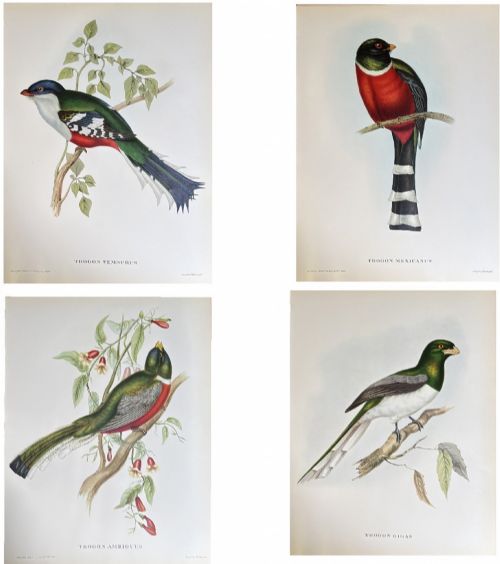
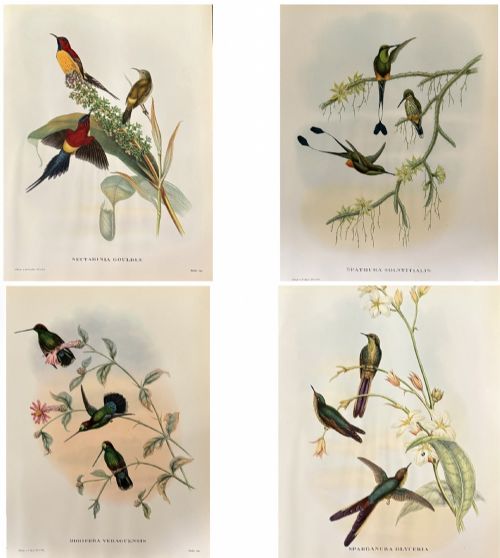
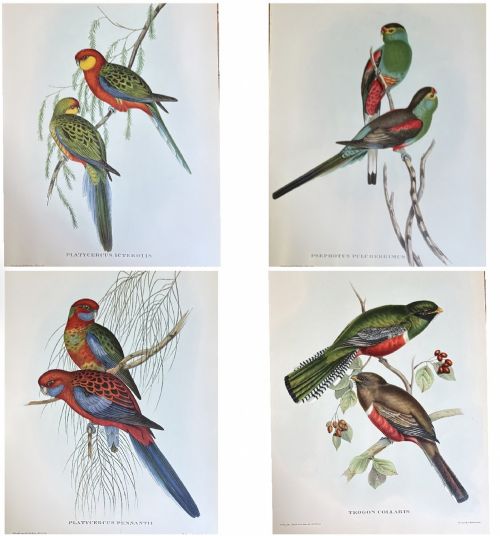
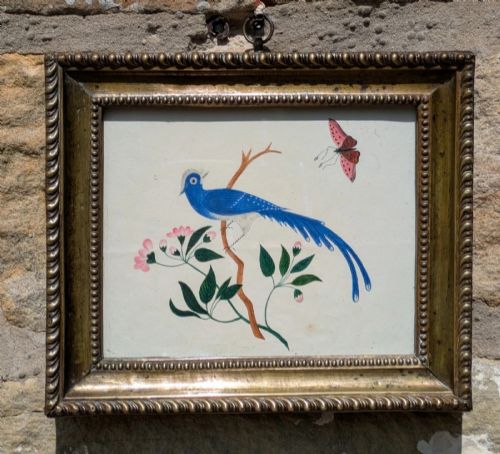
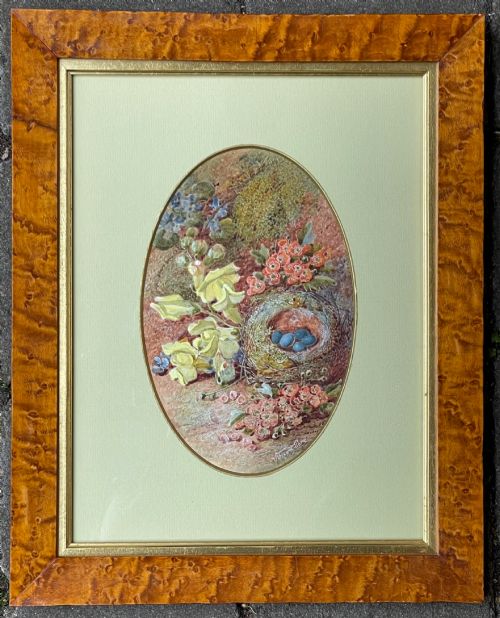
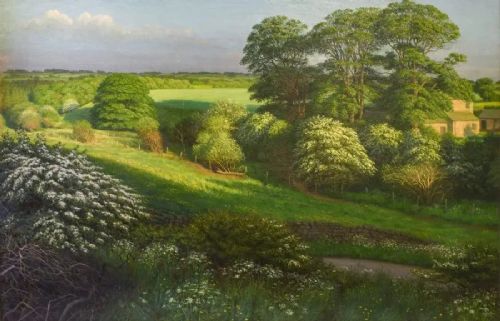
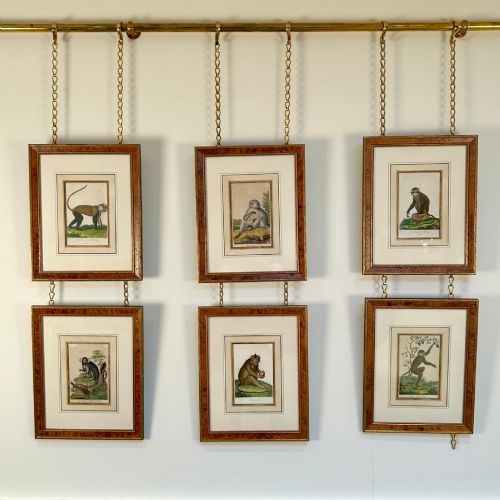
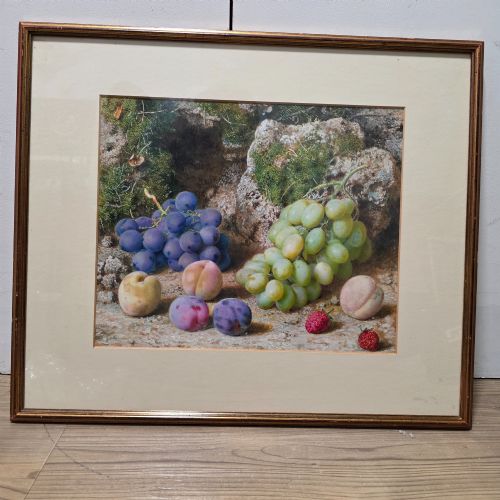
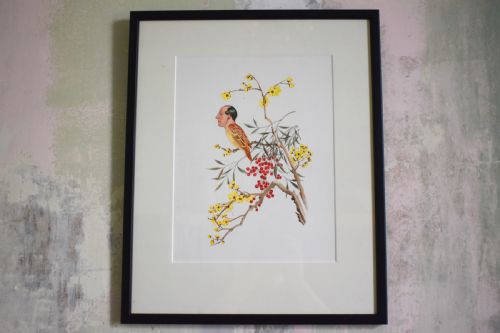
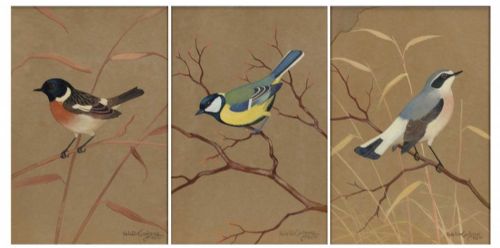
Natural history wall art brings the scientific study of plants, birds and insects directly into domestic rooms as decorative framed pieces.
What natural history wall art is
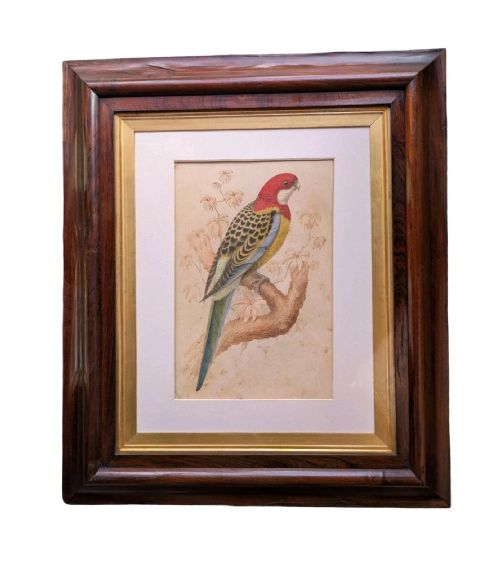
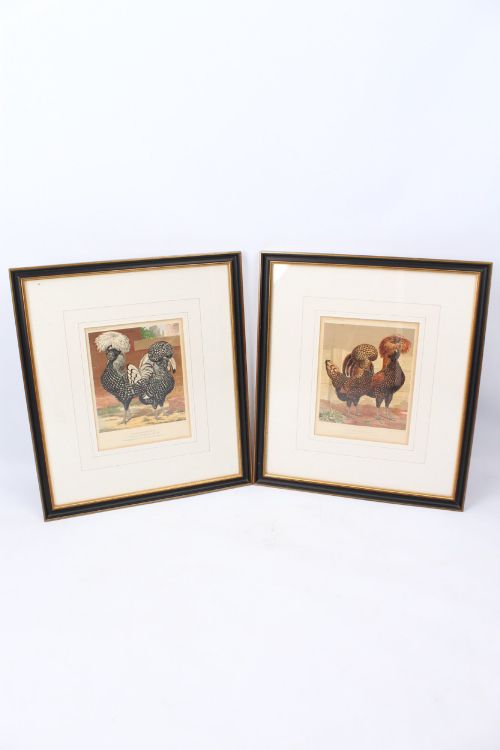
Natural history wall art encompasses botanical prints, bird engravings, and butterfly prints designed for interior display. These works capture scientific observation through artistic rendering, combining educational documentation with visual appeal.
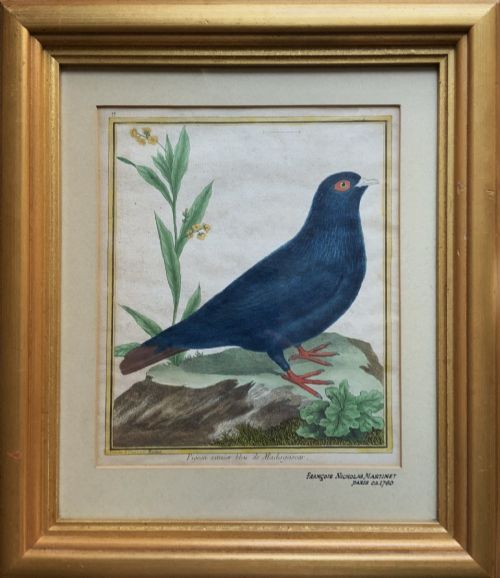
The selections span multiple eras, including Georgian, Victorian, and twentieth-century examples. Buyers frequently encounter framed prints, engravings, and watercolours set behind glass within wooden frames.
Originating from illustrated books, portfolios, and individual studies, these pieces transform historical scientific documentation into wall decoration. Works feature subjects ranging from tropical birds and fish to mushrooms and botanical specimens.
How they were made
Makers utilised paper, cardboard, ink, and watercolour to create these works, frequently employing hand-colouring techniques over printed lines. Engravings and wood engravings provided the foundational imagery for later hand application of pigment.
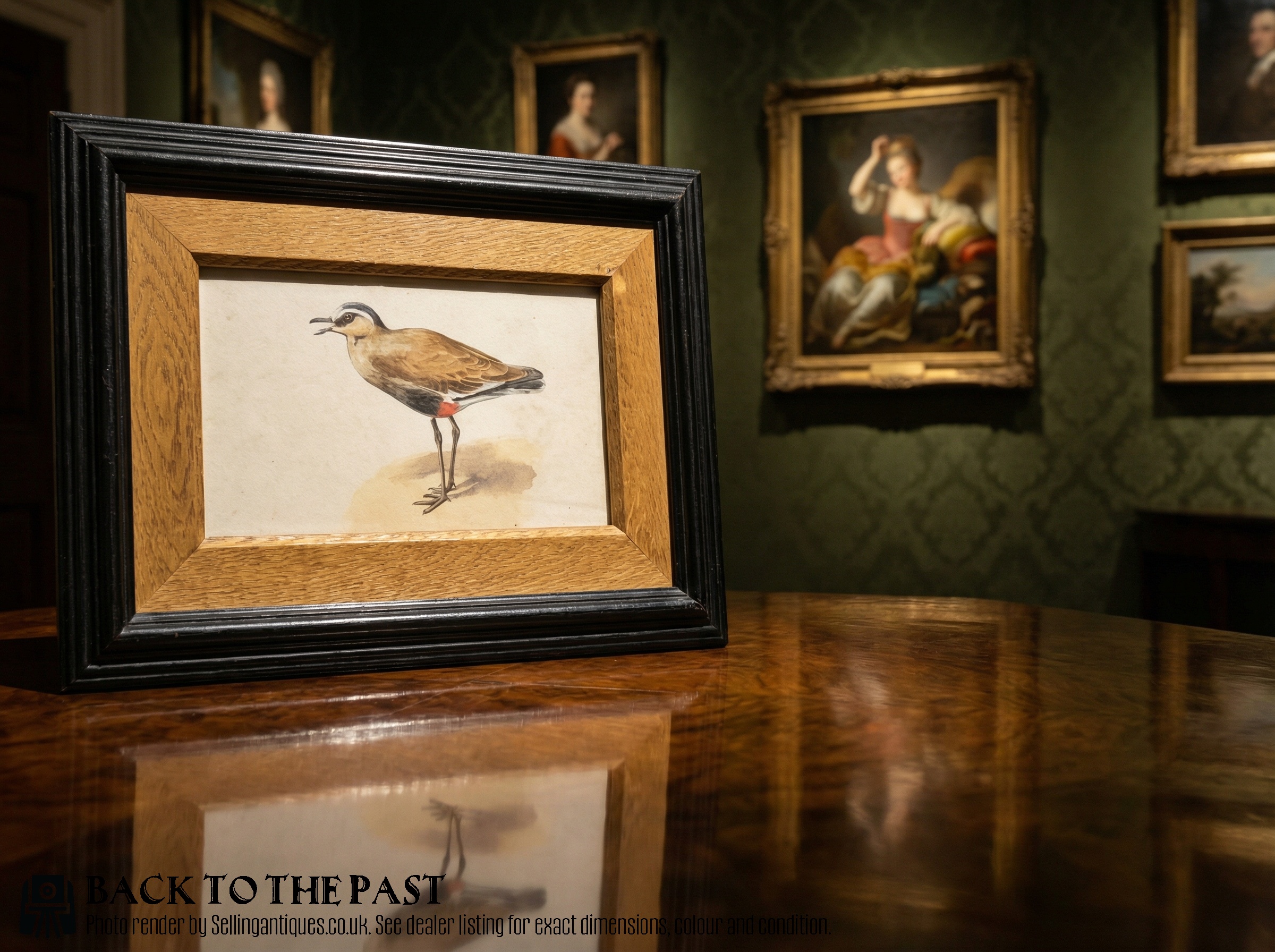
Framing materials incorporate oak and ebonised wood alongside deep giltwood mounts, protecting the delicate paper surfaces beneath glass. Construction methods reflect the prevailing framing standards of the Georgian, Victorian, and subsequent periods.
Retail Price Guide 2026
Typical UK retail prices for natural history wall art, calculated from the Sellingantiques database of over a million retail prices indexed since 2003. This retail price guide relies exclusively on Sellingantiques data; no external sources or auction records are used, so the figures do not describe the wider market.
Periods represented span the Georgian era, Victorian period, and twentieth century.
What varies in quality
Quality rests upon the precision of the original engraving and the finesse of any applied hand-colouring. Fine line work and subtle tonal variations in watercolour distinguish superior renderings from standard output.
The integrity of the framing materials, such as period oak moulding and preserved giltwood mounts, contributes significantly to the overall character of the piece. Preservation of the paper surface without excessive fading maintains the visual strength of the imagery.
Gould·Clare Leighton·Jonathan Couch·George Edwards·John Curtis
The Natural History Wall Art Glossary
- Engraving
- A printmaking technique where an image is incised into a metal plate, holding ink to transfer fine lines onto paper. This method allowed for the precise scientific illustration of birds, fish, and botanical subjects.
- Wood engraving
- A relief printmaking method utilising the hard end-grain of wood to produce exceptionally detailed illustrations. Clare Leighton and other twentieth-century artists employed this technique for published works.
- Hand-coloured
- The manual application of watercolour or tint to a printed monochrome engraving. This technique enhances the realism of natural history subjects such as birds and insects.
- Mount
- A cardboard border placed within the frame around a print or watercolour to separate the paper from the glass. Deep giltwood mounts add traditional decorative depth to nineteenth-century framing.
Frequently Asked Questions
What is natural history wall art?
Natural history wall art consists of historical prints, engravings, and watercolours depicting plants, birds, insects, and fish. These pieces originate from scientific publications and artist folios before being framed for interior decoration.
Subjects range from Georgian ornithological plates to twentieth-century wood engravings. They combine detailed scientific observation with decorative aesthetic appeal.
How do I date an engraving?
Dating relies on stylistic indicators within the print, the paper type, and associated publication records. Georgian and Victorian examples often feature distinct plate marks and hand-coloured details characteristic of their respective eras.
Framing methods and materials like ebonised wood or oak also provide clues to the period of assembly. Documentation from the original artist or publication helps confirm the timeline.
Are these pieces original prints?
The listings include original historical engravings, wood engravings, and watercolours produced during the periods stated. These are period impressions rather than modern reproductions.
Each work reflects the printing and illustration techniques of its specific century. Hand-applied watercolour further distinguishes individual period sheets.
How should I display framed prints?
Display prints away from direct sunlight to protect the paper and watercolour pigments from fading. Maintaining stable room humidity preserves both the paper artwork and the historical wooden frames.
Grouping sets together, such as series of botanical or bird engravings, creates a balanced wall display. Framing under glass protects the delicate surface from airborne dust and moisture.