
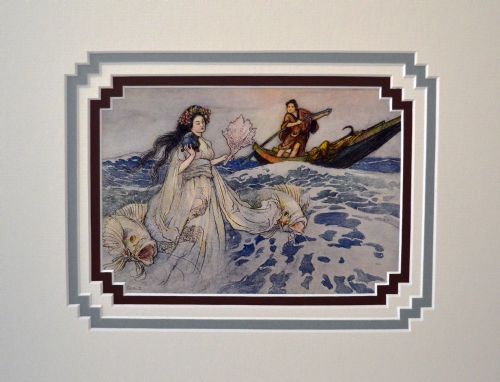
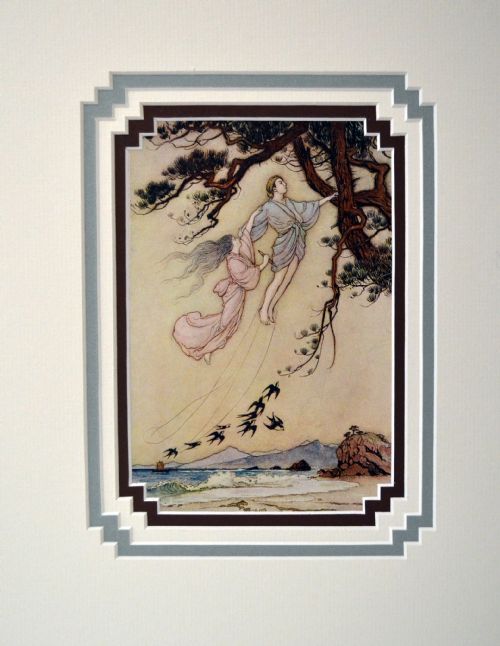
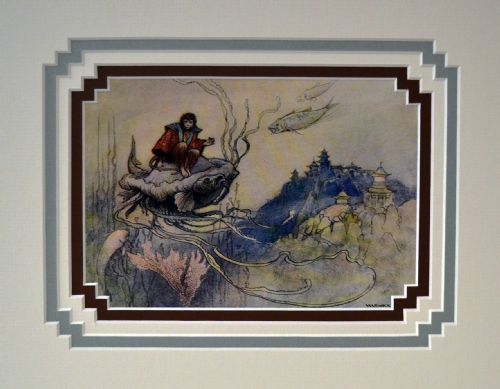
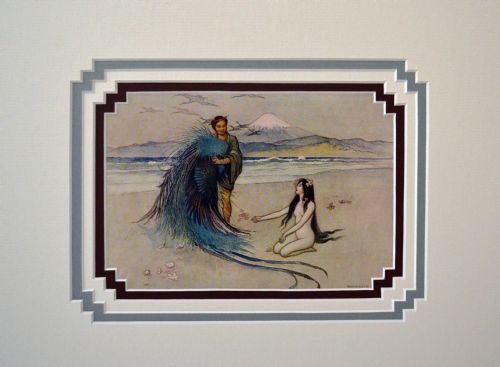
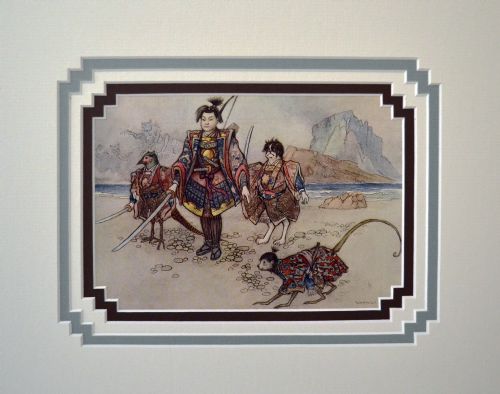
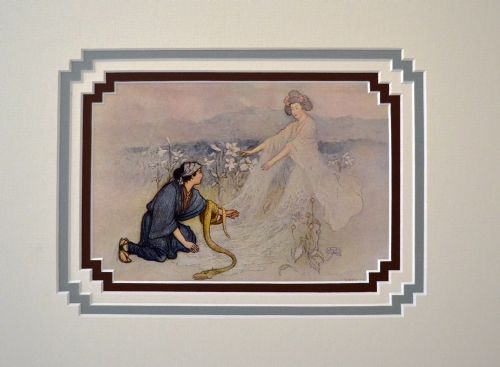
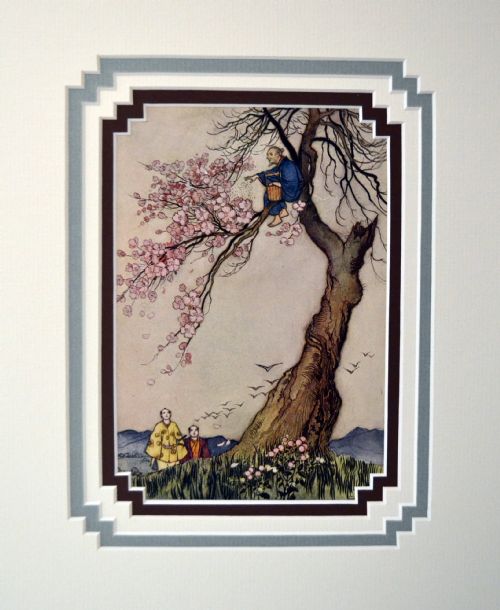

Cream Paper Art Print
When you search for a cream paper art print, you uncover centuries of graphic work preserved on toned sheets.
Cream Paper Art Print
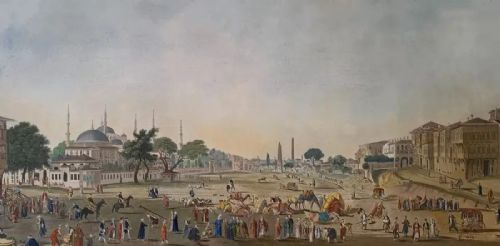
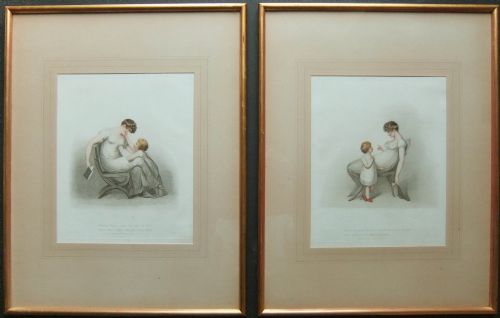
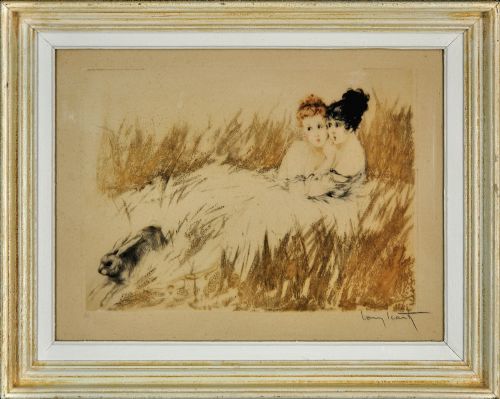
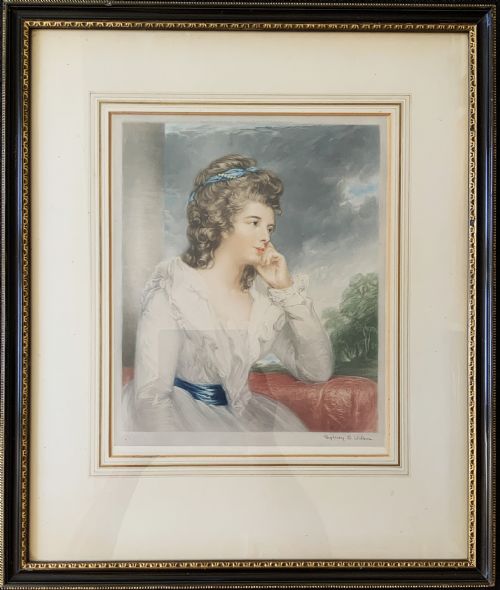
A cream paper art print brings together centuries of graphic output, ranging from botanical studies and sporting scenes to topographical maps and advertising posters. Buyers hunting for a cream paper art print encounter works created across the eighteenth, nineteenth, and twentieth centuries, often framed behind glass with wooden surrounds.
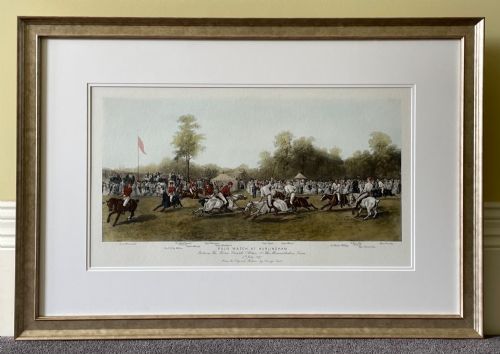
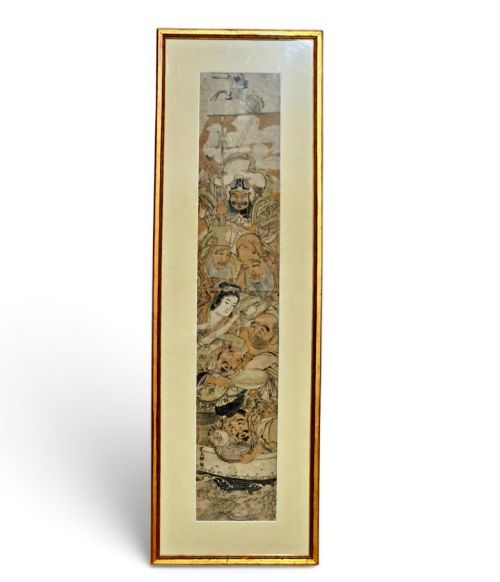
The selection on this page relies heavily on works executed on toned or aged paper stock rather than stark modern white sheets. Examples span Japanese woodblock prints from the Edo period, French etching, English aquatints, and early twentieth-century illustrations.
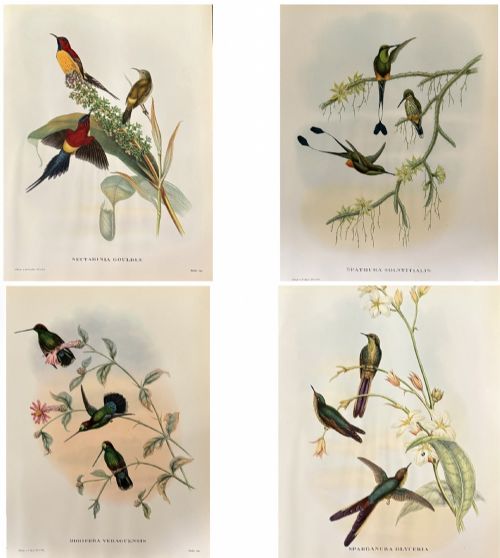
Subjects vary from ornithological plates by Gould and botanical engravings by John Curtis to caricature prints and antique cartography. These works frequently arrive in sets or pairs, offering cohesive decorative options for walls.
What varies in quality
The distinction between tiers rests upon the crispness of the impression left by the plate or block and the fidelity of any applied hand watercolour. Early strikes pulled when the printing matrix was fresh display sharper lines than later impressions.
The preservation of the paper itself, including even natural ageing without heavy foxing or damp staining, defines the upper bracket of pieces. Original margins and clear publisher inscriptions further separate standard decorative items from collectable impressions.
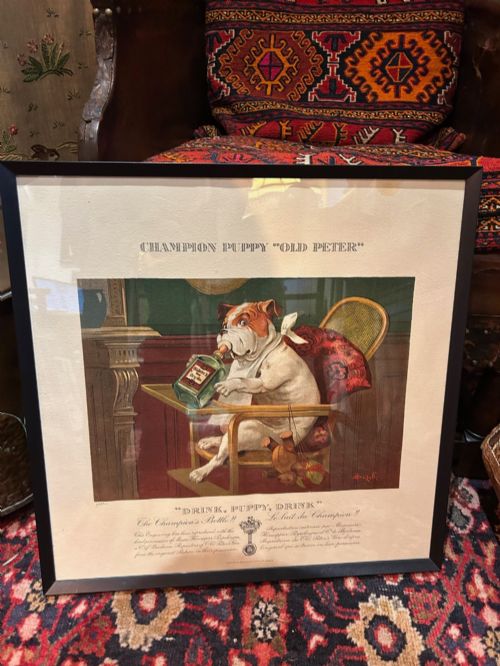
Victorian dogs drink and play polo with surprising frequency across these historical sheets.
Louis Icart·Warwick Goble·Louis Wain·Robert Morden·John Curtis
The Cream Paper Art Print Glossary
- Etching
- A printmaking technique where lines are bitten into a metal plate with acid before ink is applied and pressed onto paper. The resulting image possesses fine, flowing lines.
- Lithography
- A planographic printing process based on the mutual repulsion of oil and water, allowing artists to draw directly onto a limestone block. This method captures painterly gradations.
- Aquatint
- An intaglio printmaking variant that produces tonal areas resembling watercolour washes through resin acid-bitting. It appears frequently in nineteenth-century book illustrations.
- Woodblock
- A relief printing method where material is carved away from a wooden block, leaving the design raised to accept ink. Japanese ukiyo-e works rely on this tradition.
- Mezzotint
- A tonal printmaking process where the metal plate is roughened uniformly to produce dark backgrounds, then scraped to create highlights. It yields rich, velvety dark tones.
Cream Paper Art Print: Frequently Asked Questions
How should I clean the glass on framed prints?
Wipe the glass gently using a soft cloth sprayed with a mild glass cleaner rather than applying liquid directly to the frame. This prevents moisture from seeping under the edge and damaging the cream paper.
Keep the cloth away from any exposed paper edges or unglazed sections to protect the historic medium from water damage.
Where is the best place to hang these prints?
Position these works away from direct sunlight and damp environments to prevent the cream paper stock from fading or developing foxing spots. Interior walls with stable ambient temperatures offer the safest conditions for long-term display.
Using conservation-grade backing materials during any future framing updates also helps maintain the stability of older paper items.
Why do some prints feature hand colouring?
Publishers in the eighteenth and nineteenth centuries frequently employed colourists to apply watercolour by hand to monochrome printed outlines for botanical and satirical works. This step added visual clarity and decorative appeal before mechanical colour printing became widespread.
Hand-applied pigment often sits slightly proud of the printed lines, showing subtle brushwork under close inspection.