
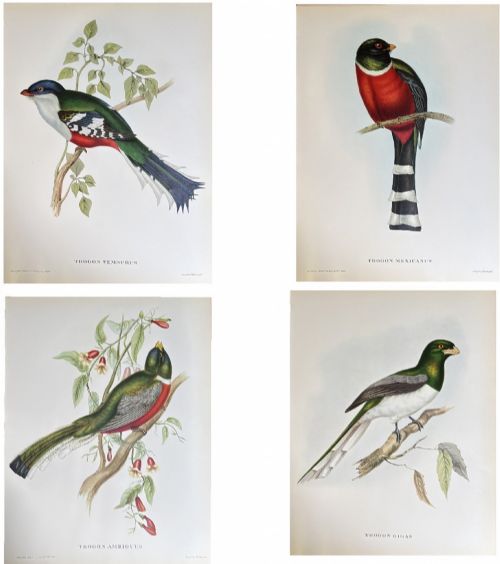
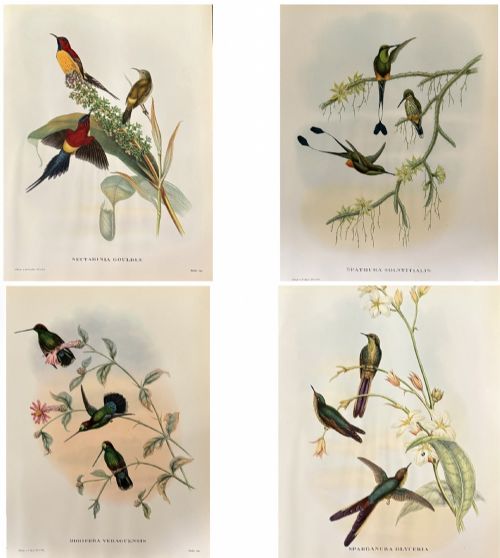
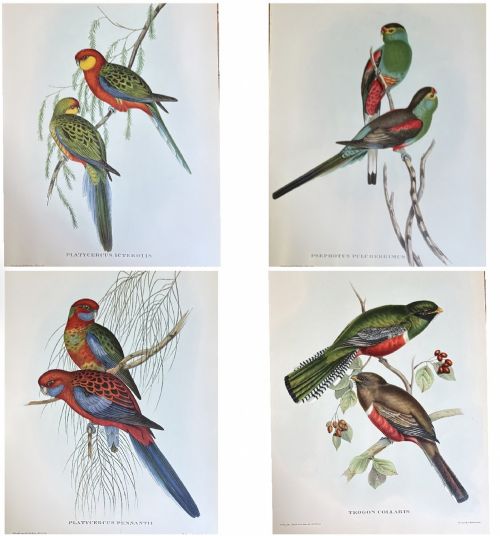
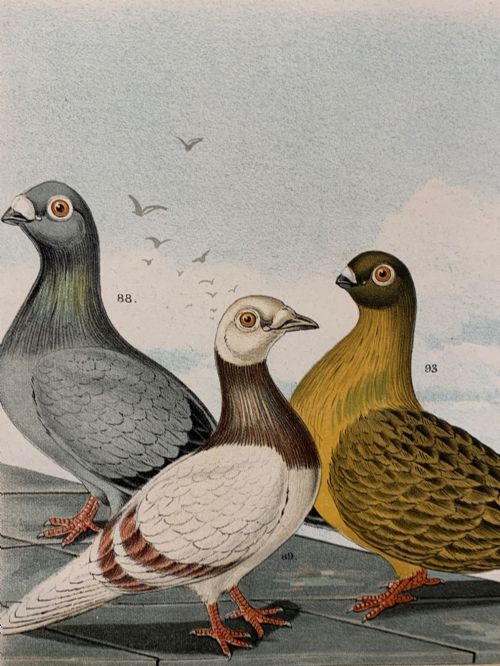


Natural History Artwork
Natural history artwork brings the precise detail of the natural world indoors, offering framed studies of wildlife, flora and fauna.
Natural History Artwork
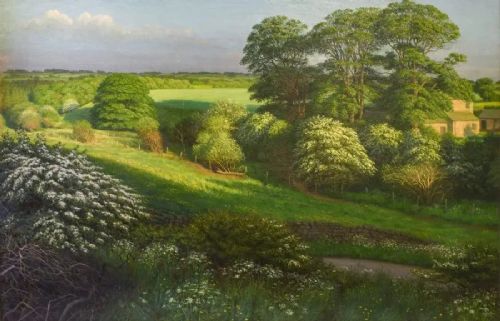
Natural history artwork encompasses framed paintings, watercolours, wood engravings and butterfly prints produced across the nineteenth and twentieth centuries. These pieces record flora and fauna with descriptive clarity, ranging from traditional sporting art to twentieth century naturalism and modern British expressionism.
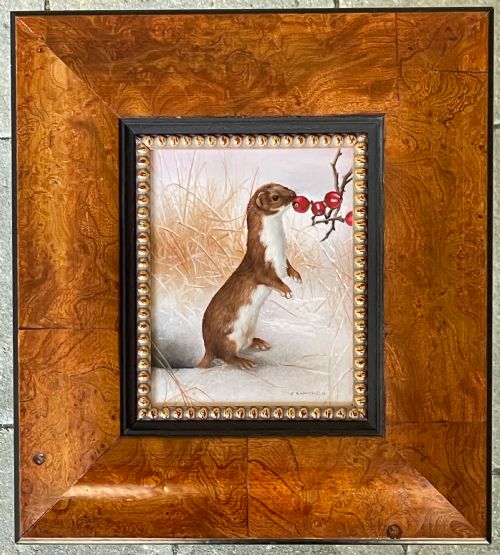
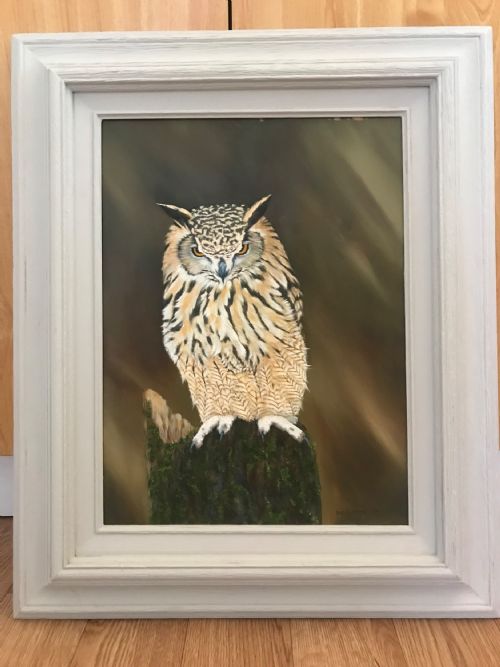
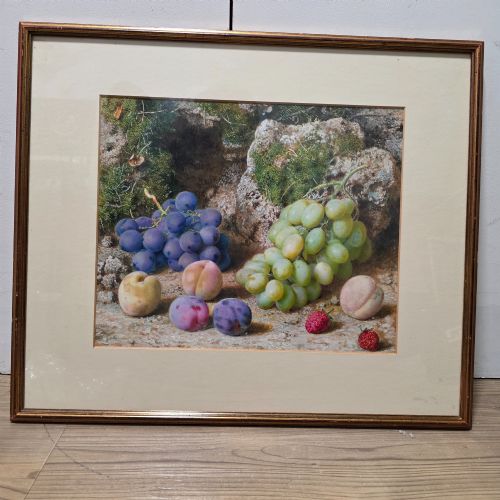
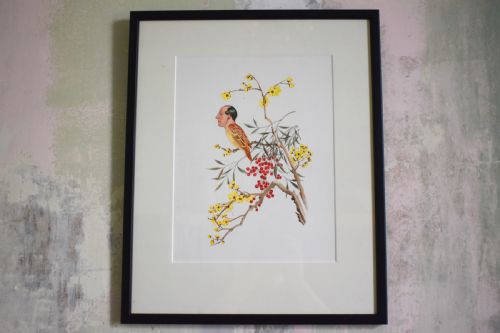
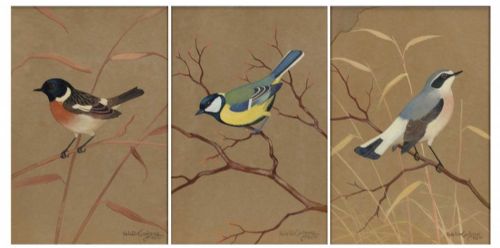
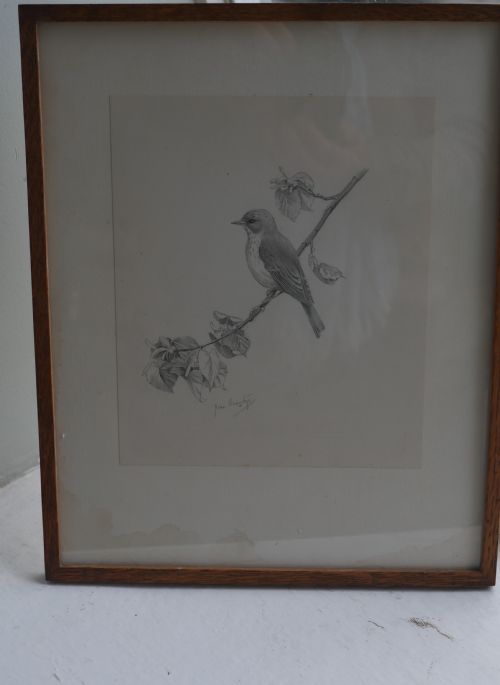
Buyers encounter diverse formats on this page, including original oil paintings of rabbits, watercolour studies of birds by named artists, and mounted wood engravings pulled from published volumes. The selection spans nineteenth century specimen displays up to mid twentieth century modernist interpretations.
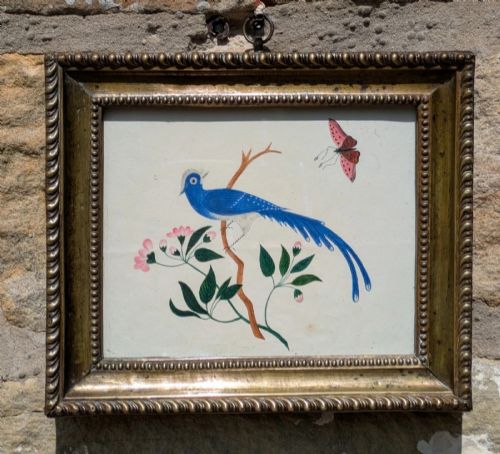
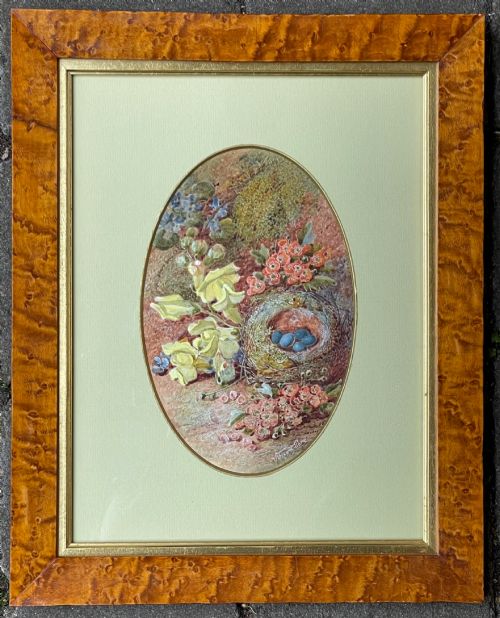
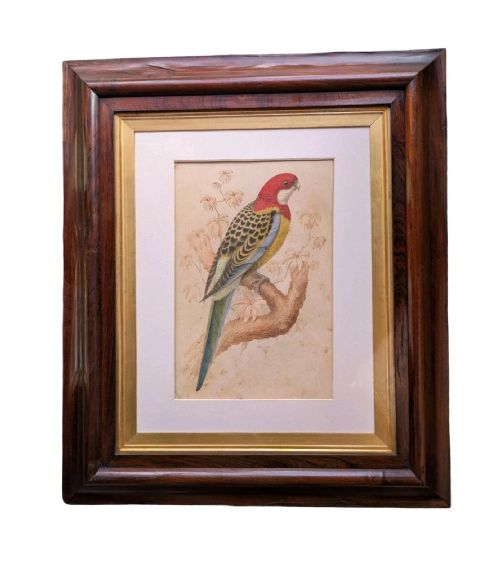
Subjects include individual bird studies, botanical specimens, and insect displays set within wooden frames behind glass. Each piece captures the distinct aesthetic of its period, shifting from Victorian scientific framing to later twentieth century artistic interpretation.
How they were made
Makers utilised traditional mediums such as oil paint on canvas or board, watercolour on paper, and ink. Wood engravings were hand-printed onto paper from carved blocks, while butterfly prints utilised archival mounting techniques within oval frames.
Surviving pieces combine paper and card supports with protective glass glazing and timber framing. Pigments applied to canvas and watercolour paper preserve the original hand of the artist through visible brushwork and ink lines.
Retail Price Guide 2026
Typical UK retail prices for natural history artwork, calculated from the Sellingantiques database of over a million retail prices indexed since 2003. This retail price guide relies exclusively on Sellingantiques data; no external sources or auction records are used, so the figures do not describe the wider market.
A set of framed butterfly prints brings Victorian entomology straight to the drawing room wall without the flutter.
What varies in quality
Quality rests upon the direct touch of the artist and the retention of crisp detail in printmaking. Original paintings and signed watercolours by known twentieth century hands command greater attention than anonymous decorative prints.
The integrity of the original support, whether canvas, board or paper, dictates longevity. Premium examples retain vibrant pigment and contemporary framing that suits the historical period of the artwork.
Clare Leighton·Paul-Louis Barruel·Donald Watson
The Natural History Artwork Glossary
- Wood Engraving
- A relief printing technique where an artist carves an image into the end grain of a hardwood block. This method allows for exceptionally fine lines and tonal depth, as seen in published book illustrations.
- Naturalism
- An artistic approach dedicated to the faithful representation of nature without idealisation. In these pieces, the focus remains on accurate anatomical and botanical observation.
- Watercolour on Paper
- A painting method using water-soluble pigments applied to a paper support. The technique creates translucent washes of colour that highlight delicate botanical and avian forms.
- Traditional British Sporting Art
- A genre focusing on British wildlife, game and field sports. Works in this tradition prioritise anatomical precision and the natural habitats of animals.
Frequently Asked Questions
What periods do these pieces span?
The selection includes items from the nineteenth century alongside works dated through the decades of the twentieth century.
Specific dates on this page range from the eighteen hundreds up to nineteen sixty, capturing shifts in artistic style.
How should I hang these artworks?
Most pieces arrive framed in wood and protected behind glass, ready for direct placement on interior walls.
Keep them away from direct sunlight to protect watercolours and paper supports from fading over time.
Are these works original or printed?
The page includes both unique hand-painted works in oil and watercolour and historical print mediums.
Listings specify the exact medium, distinguishing original paintings from period engravings and butterfly prints.
What subjects appear in these artworks?
Subjects focus entirely on the natural world, featuring studies of birds, rabbits, insects and botanical specimens.
Artists approach these subjects through scientific observation, naturalism, and modern British expressionism.