



Napoleon III Bureau
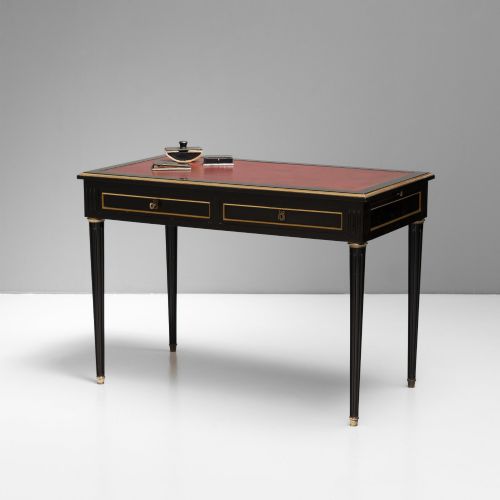
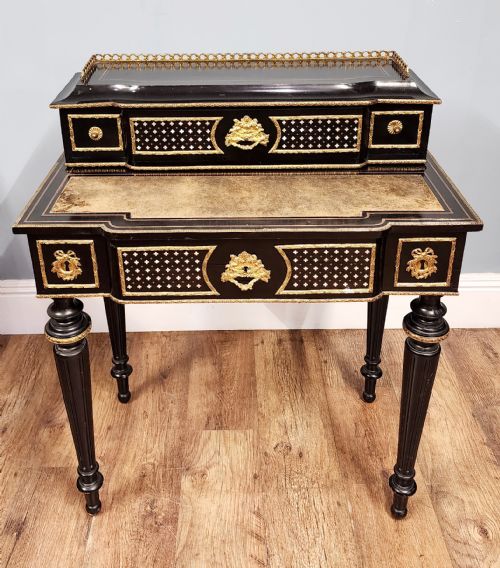
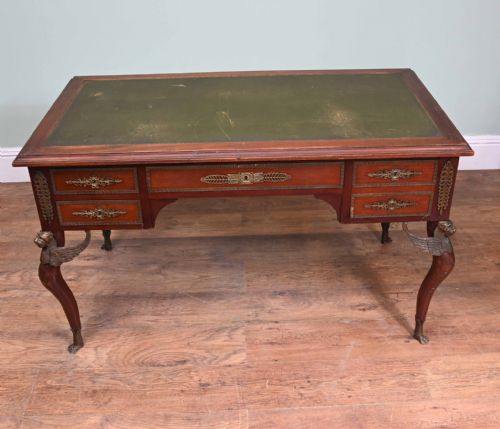
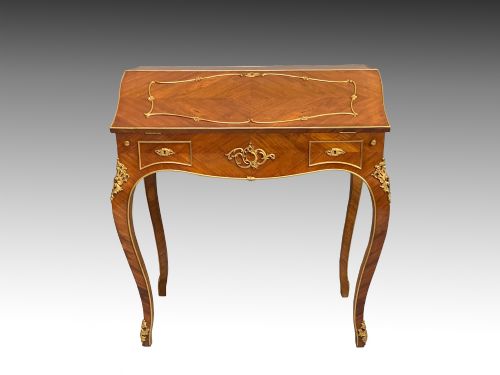
These pieces are a Napoleon III bureau, offering ornate nineteenth-century French writing furniture defined by rich woods, bronze mounts, and intricate marquetry for domestic studies.
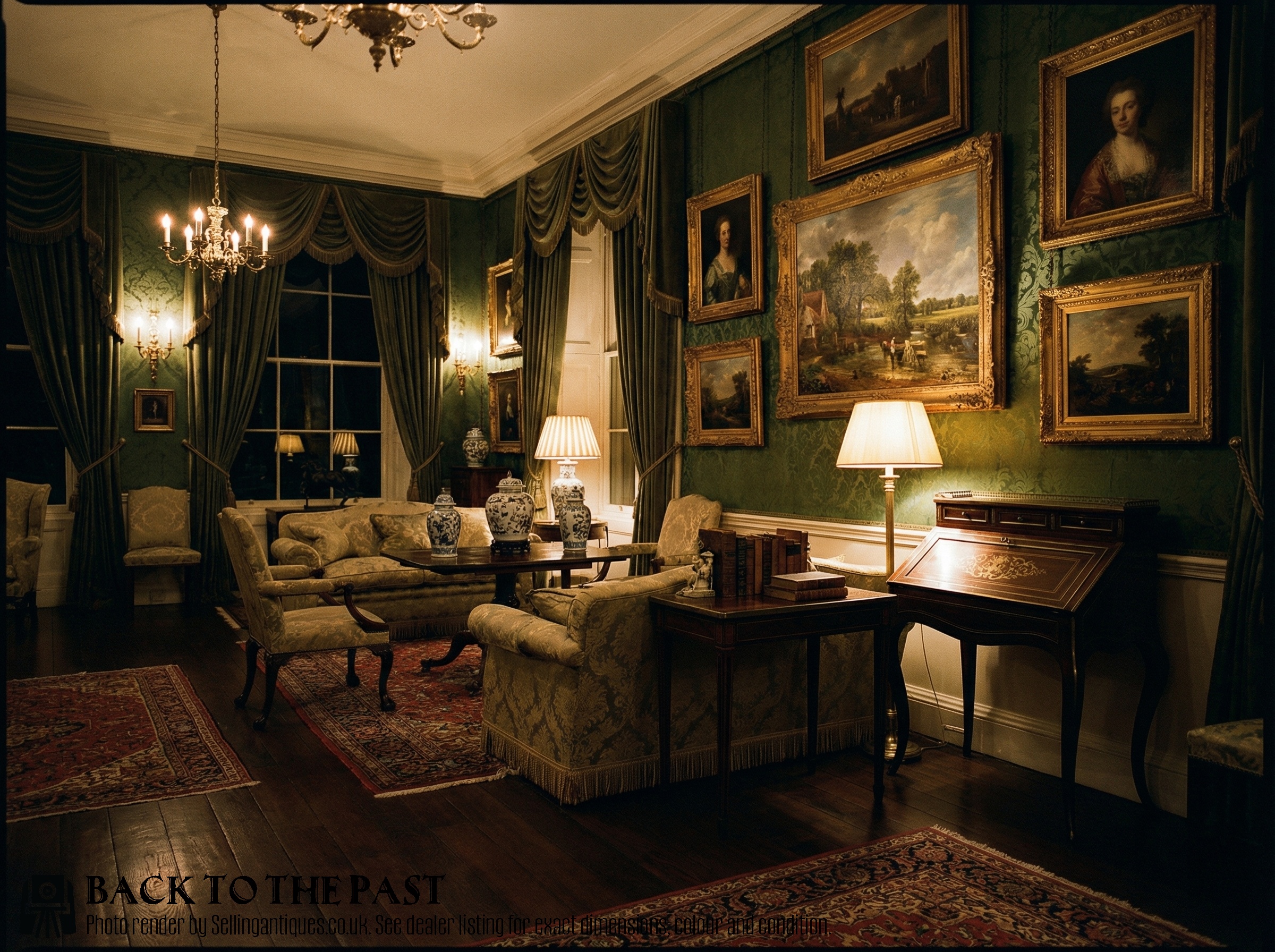
Napoleon III Bureau
A napoleon iii bureau encompasses writing desks, tables, and cabinets produced predominantly during the nineteenth century under French influence. Buyers searching this phrase encounter a variety of forms, from flat-topped writing tables to elevated cabinets with fitted compartments.
The selections on this page draw heavily on revival styles, particularly Louis XV and Louis XVI aesthetics. Pieces range from straightforward mahogany writing tables to elaborately decorated desks with tiered superstructures.
Most items originate from nineteenth-century French workshops, spanning decades from the mid-Victorian era onwards. Walnut, kingwood, and ebonised timber provide the primary foundations for these historical writing surfaces.
How They Were Made
Cabinet makers built these pieces using supportive carcases of walnut, rosewood, or mahogany, overlaid with decorative veneers such as kingwood, tulipwood, and amboyna. Ebonised finishes appear frequently, often contrasting with brightly polished brass and ormolu mounts.
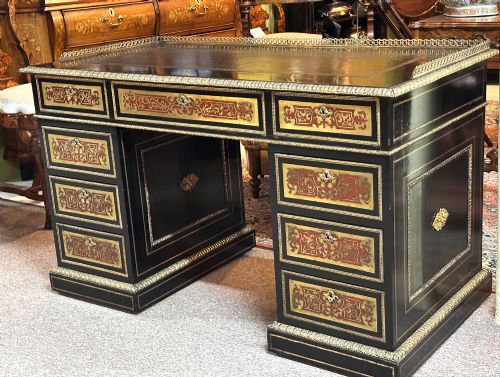
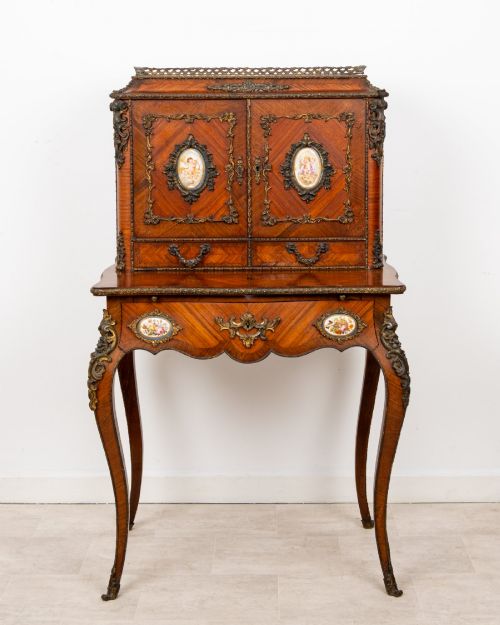
Surface decoration relies on meticulous marquetry, parquetry, and Boulle work utilising brass and tortoiseshell inlay. Many examples incorporate porcelain plaques, marble tops, and hand-painted Vernis Martin panels into the overall construction.
Several desks include hidden compartments originally designed for secret correspondence and tiny jewellery collections.
What Varies in Quality
The distinction between ordinary and superior pieces rests on the precision of the cabinet work and the crispness of the cast bronze or ormolu mounts. Finer examples display harmonious grain selection in the veneer work and deeply chased metal ornamentation rather than mass-produced surface fittings.
Signatures from established makers elevate a piece, alongside the integration of specialised elements like hand-painted porcelain panels or intricate Pietra Dura inlays. The complexity of the internal drawers and the preservation of original leather writing inserts also mark out the higher tier of production.
Paul Sormani·Diehl Paris·Mathieu Befort
The Napoleon III Bureau Glossary
- Bureau plat
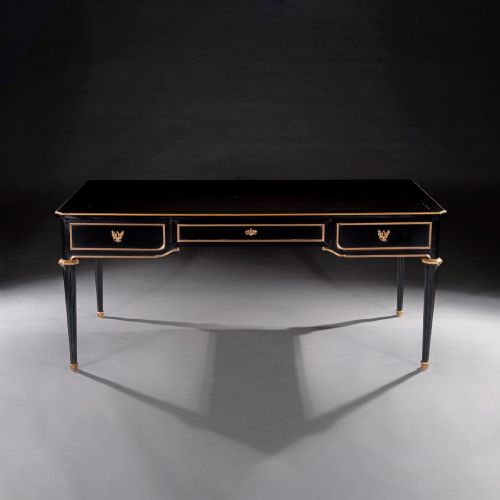
- A double-sided freestanding writing table with a flat top, typically fitted with drawers in the frieze. These desks lack the superstructure found on cabinet variants.
- Bonheur du jour
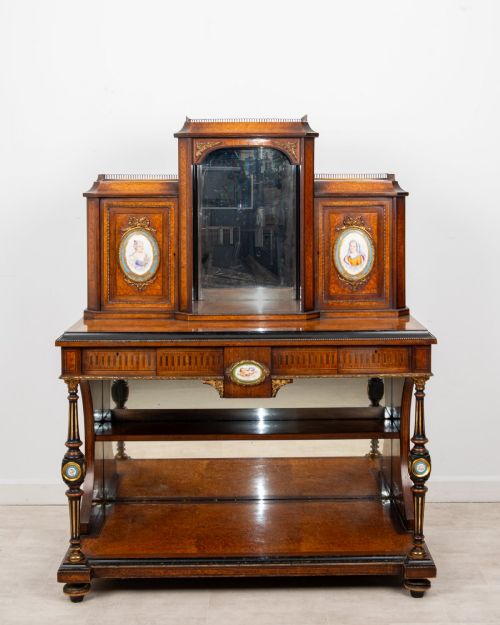
- A small ladies writing desk featuring an upper cabinet or tier of small drawers and shelves above the main writing surface. They often incorporate mirrors or miniature cupboards.
- Ormolu
- Gilded bronze used for decorative mounts, handles, and feet on nineteenth-century furniture. The metal is cast and chased to achieve sharp detail before gilding.
- Boulle work
- A form of marquetry consisting of tortoiseshell and brass inlay, named after cabinet maker André-Charles Boulle. It creates intricate contrasting patterns across the surface of the wood.
- Vernis Martin
- A type of simulated Japanese lacquer developed in France during the eighteenth century and revived during the nineteenth. It uses multiple resin layers to create glossy painted panels.
- Parquetry
- Geometric wood inlay forming patterned surfaces such as cubes or chequers. Craftsmen select contrasting timbers to highlight the modular design.
Napoleon III Bureau: Frequently Asked Questions
How do I use a bonheur du jour?
A bonheur du jour functions as a compact writing desk with built-in compartments for correspondence, stationery, and small valuables. The upper tier offers shelving and miniature drawers for display.
In modern interiors, these desks serve well as hallway writing spots or bedroom dressing tables where space is limited but decorative presence is desired.
What is ebonised wood?
Ebonised wood is timber treated with a dark stain or finish to simulate the appearance of solid ebony. It became popular during the nineteenth century for furniture requiring sharp contrast against gilt bronze mounts.
This dark finish highlights the reflective quality of ormolu mounts and porcelain plaques attached to the surface, creating a distinct visual balance.
Are these desks suitable for daily use?
Many of these desks remain sturdy enough for contemporary writing tasks and laptop use, provided the surface leather is treated with care. Their historical construction ensures durable joints and functional drawers.
Placing them away from direct sunlight and maintaining stable room humidity protects the delicate veneers, marquetry inlay, and polished timber surfaces from drying out.