
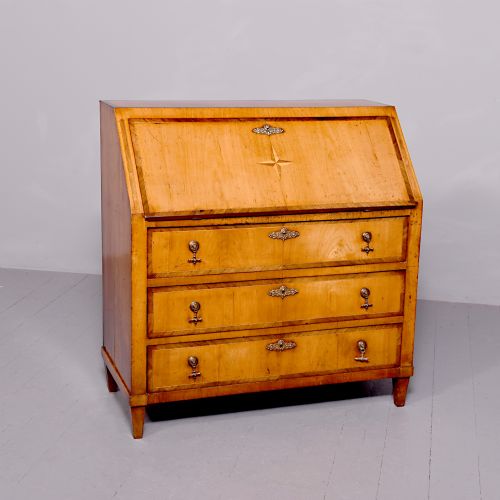
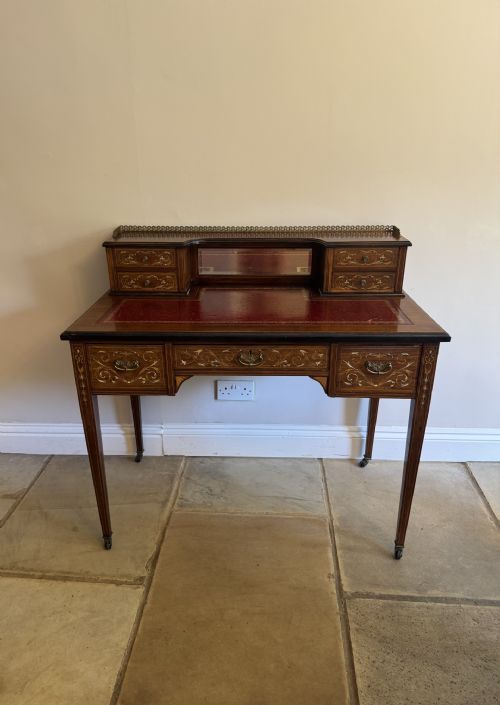


Rosewood Secretary Desk
A rosewood secretary desk offers fitted writing space and concealed storage, bringing fine figured timber and polished brass into a study or drawing room.
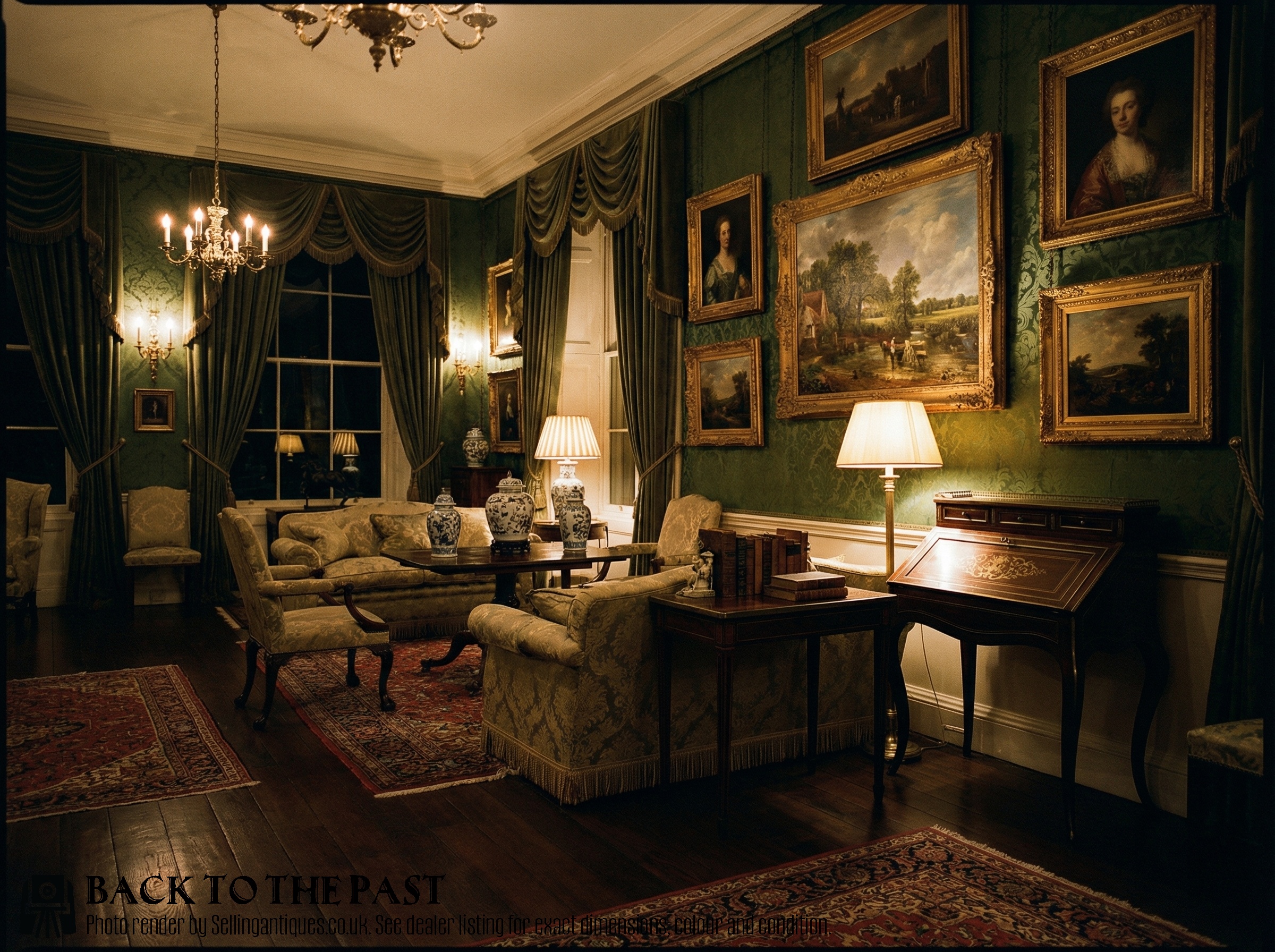
Rosewood Secretary Desk
When you search for a rosewood secretary desk, you examine pieces designed for correspondence and storage, spanning 18th century, Regency, and Victorian periods. These range from substantial bureau bookcases and secretaire chiffoniers to compact ladies bureaux and bonheur du jour desks.
The most common examples on this page are Victorian and 19th century Continental pieces, often featuring inlaid details or brass work. Forms vary from English writing desks and bureau bookcases to French bureau de dame and marquetry escritoires.
Origin and regional style shape the proportions of each form, whether Anglo-Indian hardwood desk construction or French Louis XV revival shaping. Buyers encounter diverse writing surfaces, interior pigeonholes, and drop fronts designed for domestic correspondence.
Materials and construction
Cabinet makers utilised rosewood as the primary visible timber, frequently combining it with contrasting elements of satinwood, walnut, kingwood, and blonde walnut. Brass inlay, ormolu mounts, and leather writing surfaces appear across Regency and Victorian examples.
Marquetry and inlay techniques decorate the fall fronts and cabinet doors of French and English pieces alike. Skilled hands shaped hardwood frames to house complex pigeonholes, small drawers, and secret compartments behind the drop writing slopes.
Secret drawers within these desks rewarded curious owners with hidden compartments for private letters.
Distinctions in craftsmanship
The refinement of the brass inlay and the precision of the marquetry determine the visual success of the piece. Finer examples display carefully chosen timber grain across the rosewood surfaces and crisp execution of interior pigeonholes.
Structural integrity of the drop front hinges and the smooth operation of internal drawers separate superior desks from standard examples. The quality of the secondary timbers and the crispness of the cast ormolu mounts indicate the workshop standard.
The Rosewood Secretary Desk Glossary
- Secretaire
- A desk or cabinet with a folding or drop-down writing flap concealing drawers and pigeonholes. It allows a user to write comfortably while keeping correspondence private.
- Bureau bookcase
- A tall piece of furniture combining a sloping writing desk below with enclosed shelving or cabinet space above. This form provides both working surface and library storage.
- Marquetry
- Decorative patterns formed by inserting small pieces of veneered wood into a contrasting background. Craftsmen use varied timbers to create floral or geometric motifs.
- Ormolu
- Gilt bronze ornamentation applied to furniture mounts and decorative hardware. It adds metallic contrast to dark rosewood surfaces.
- Bonheur du jour
- A light lady's writing desk featuring a small cabinet or set of shelves upon the writing surface. This delicate form gained popularity during the 19th century.
Rosewood Secretary Desk: Frequently Asked Questions
What is a secretaire abbasant?
A secretaire abatant is a tall upright cabinet featuring a drop-down writing front that conceals fitted interior compartments.
This vertical form saves floor space while offering the storage capacity of a traditional bureau.
How do I identify a Regency period desk?
Regency desks often display bold brass inlay, classical proportions, and dark rosewood surfaces characteristic of the early 19th century.
Maker details from this era frequently show restraint in ornament while relying on fine timber grain.
Where were ladies bureaux used?
Ladies bureaux served for writing personal letters, managing household accounts, and storing stationery in private sitting rooms.
Their smaller scale allowed placement in bedrooms and intimate drawing spaces.
What is a bureau de dame?
A bureau de dame is a French ladies writing desk, typically featuring cabriole legs and curved woodwork.
These pieces often incorporate marquetry panels and delicate brass mounts characteristic of continental workshops.