

French Bureau Cabinet
A french bureau cabinet brings together fine cabinet-making, concealed writing surfaces and refined decorative mounts from the nineteenth century.
French Bureau Cabinet
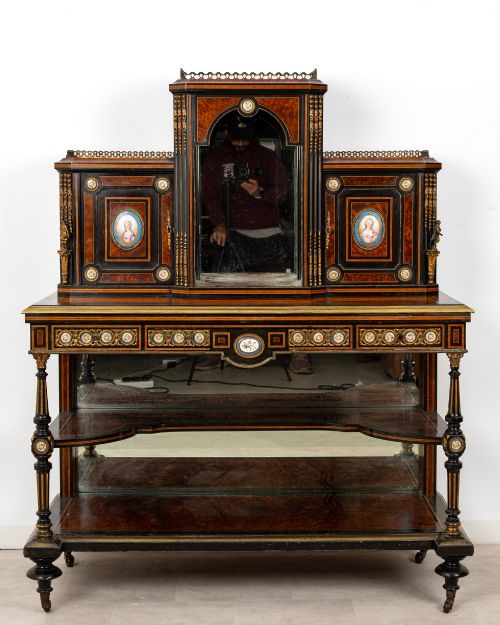
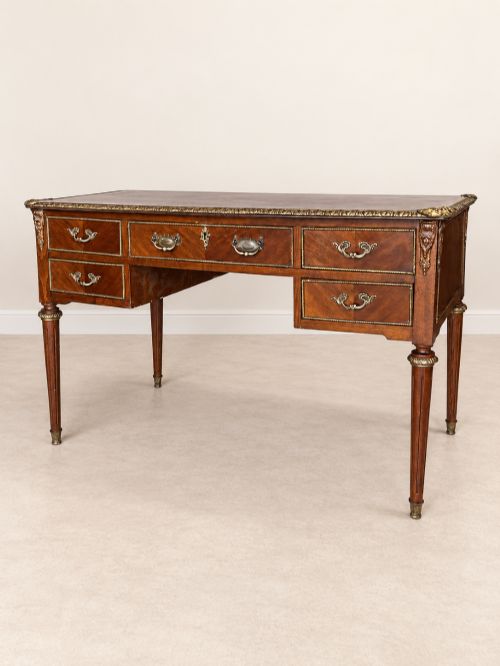
When searching for a french bureau cabinet, a buyer encounters pieces designed for correspondence and private storage, primarily originating from the nineteenth century. These items span various revival styles, including Louis XV, Louis XVI and French Empire, alongside later Art Deco examples.
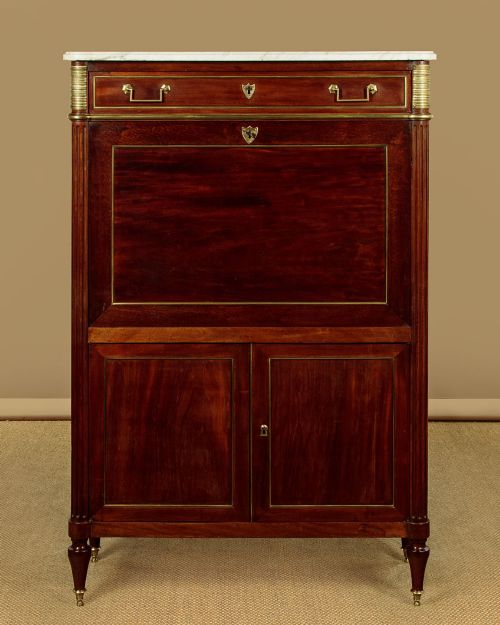
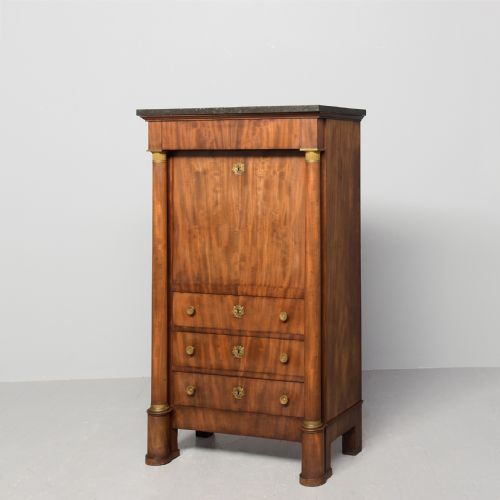
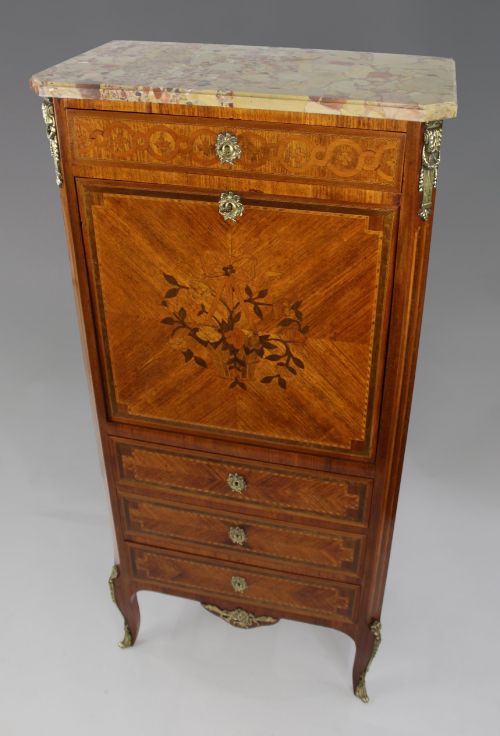
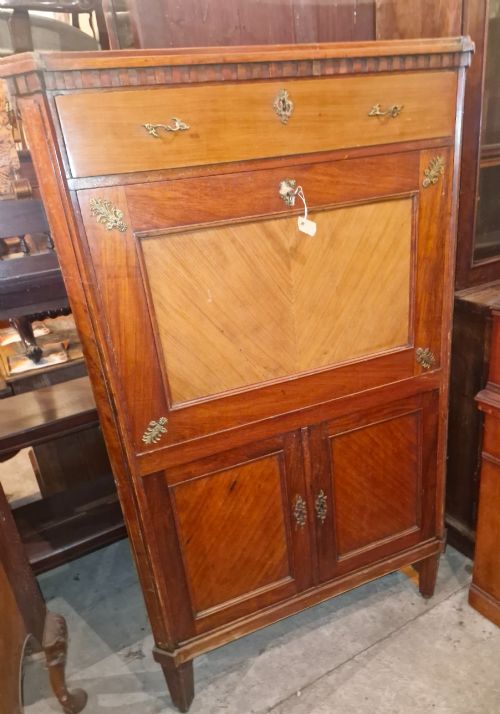
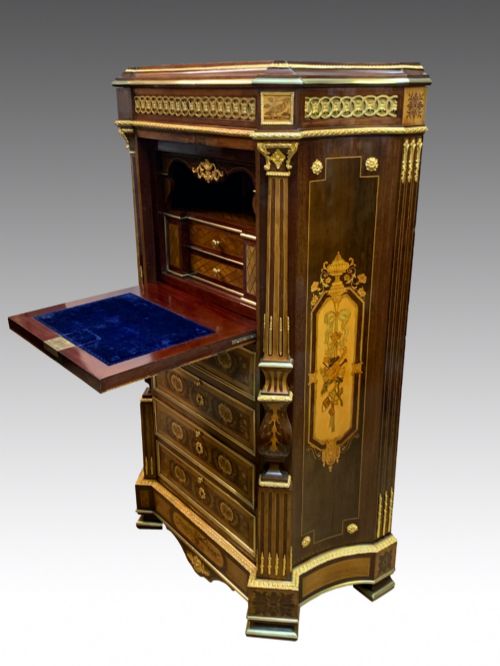
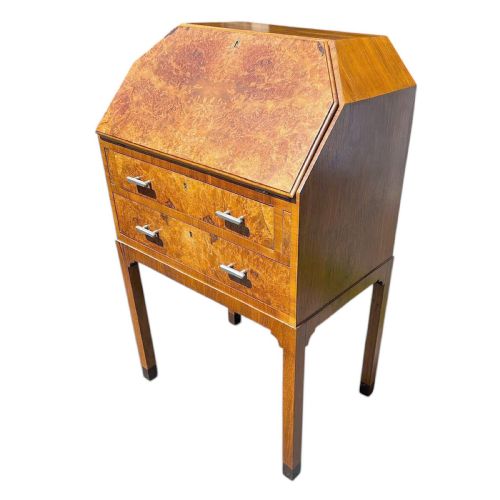
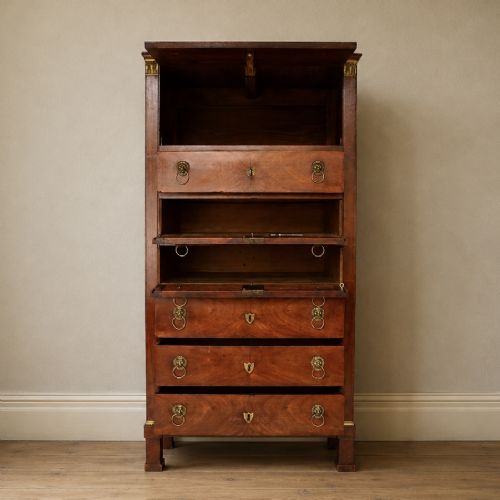
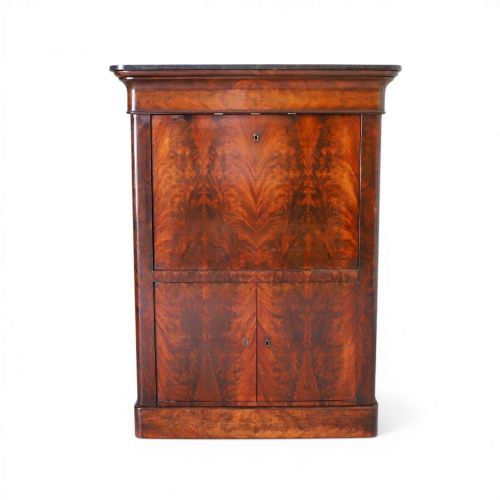
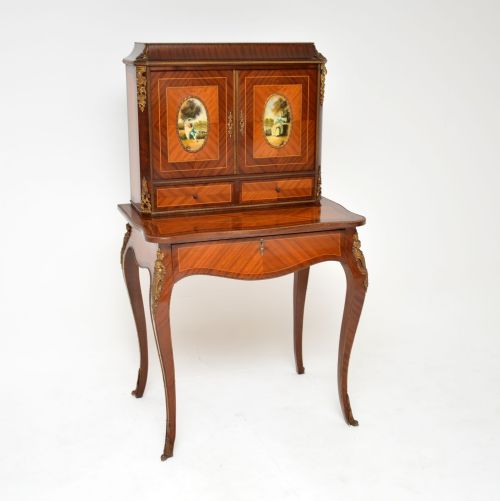
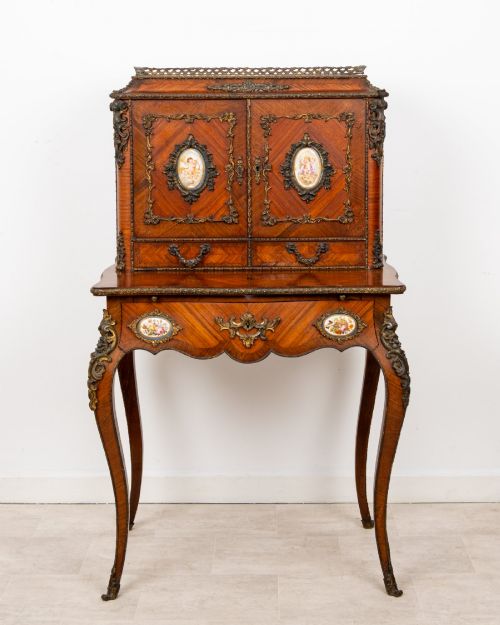
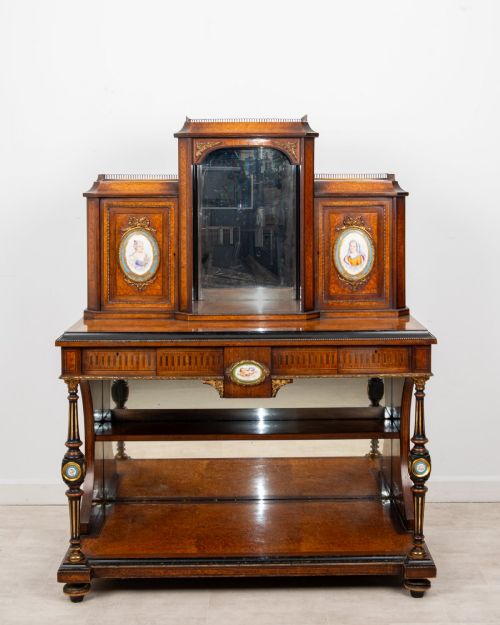
The most common form on this page is the secretaire à abattant, featuring a drop-front writing flap that conceals fitted interior drawers and pigeonholes. Alongside these tall cabinets appear smaller writing desks such as the bonheur du jour and tabletop escritoires.
Materials and Technique
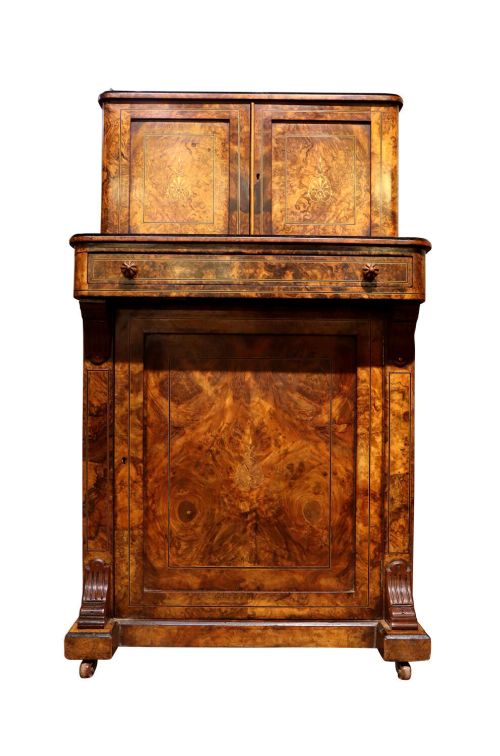
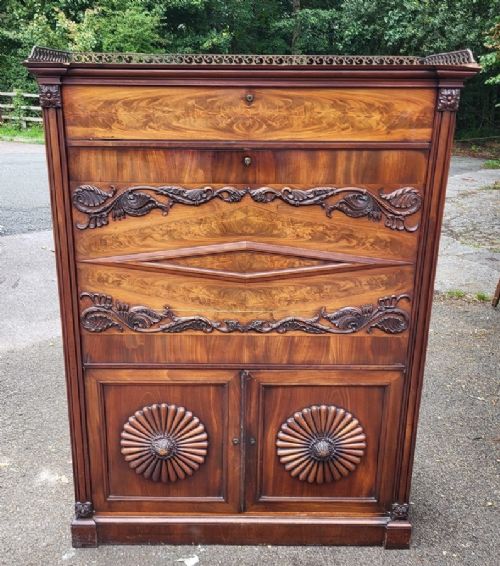
Makers utilised dense cabinet timbers like kingwood, mahogany, walnut and rosewood, frequently applying elaborate marquetry, parquetry or burr veneers to visible surfaces. Carcase structures often incorporate oak or pine internals behind the decorative exterior veneers.
Cast and chased ormolu mounts, gilt bronze details, inset porcelain plaques and marble tops punctuate the designs, particularly on nineteenth-century revival pieces. Interior compartments often include secret drawers operated by hidden spring releases or sliding mechanisms.
Periods represented span from the Bourbon Restoration and Victorian era through to the Art Deco twentieth century.
Craftsmanship and Proportion
Quality rests upon the precision of the veneer work, the crispness of the cast ormolu mounts and the smooth operation of drop-front hinges and secret compartments. Superior examples maintain balanced proportions and integration between the marble slab and the wooden carcase below.
Lower quality pieces often display coarser timber selection, poorly fitted joints that reveal movement in the carcase, and cast metal mounts with blurred detail and flat finishes. The complexity of the interior compartment layout and the presence of signed maker stamps elevate a piece.
Maison Krieger·Blake·Edwards and Roberts
The French Bureau Cabinet Glossary
- Secretaire à abattant
- A tall vertical cabinet with a drop-front writing surface that conceals an arrangement of small drawers and pigeonholes. This form provides substantial storage while occupying minimal floor space.
- Ormolu
- Gilded bronze mounts applied to furniture for decorative accent. The term derives from the French for ground gold.
- Marquetry
- Decorative patterns formed by fitting together contrasting veneer pieces onto a carcase. Craftsmen utilise various wood species to create floral or geometric motifs.
- Bonheur du jour
- A light lady's writing desk featuring a small cabinet or superstructure with drawers and shelves above the writing surface. These dainty pieces emerged during the eighteenth century and remained popular in nineteenth-century revivals.
- Escritoire
- A writing desk or cabinet designed for correspondence. The term encompasses both drop-front vertical desks and slope-front writing furniture.
French Bureau Cabinet: Frequently Asked Questions
What is a secretaire à abattant?
A secretaire à abattant is a tall upright cabinet with a hinged front flap that drops down to form a writing surface. Inside, the fitted interior contains small drawers, compartments and sometimes secret catches for private documents.
This form allowed owners to write and store correspondence securely in drawing rooms or bedrooms without needing a dedicated library desk.
How do I maintain a marble top?
Marble surfaces require simple cleaning with a damp cloth and mild soap, avoiding acidic cleaning solutions that etch the polished stone. Placing felt pads beneath decorative items prevents scratching.
Due to the weight of the marble slab, keeping the cabinet level prevents stress fractures along the stone.
Where were these cabinets placed?
These cabinets stood in principal reception rooms, boudoirs and private studies where guests and family gathered. Their decorative veneers and ormolu mounts suited formal domestic display.
The vertical profile made them practical for corners or wall spaces where standard horizontal desks would obstruct movement.
How do I spot secret drawers?
Secret drawers often conceal behind false drawer fronts, sliding panels or removable pigeonhole partitions within the desk interior. Discovering them requires gentle pressure on hidden spring mechanisms or lifting internal floor sections.
Makers incorporated these compartments to safeguard valuables, jewellery and confidential letters.