



Multicolour Wool Runner
A multicolour wool runner brings bold tribal patterns and rich hues into a hallway, offering durable warmth through centuries-old weaving traditions.
Multicolour Wool Runner
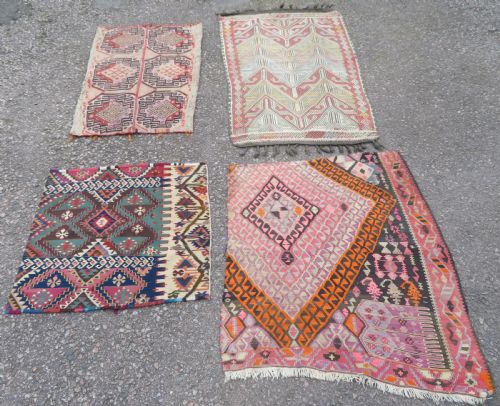
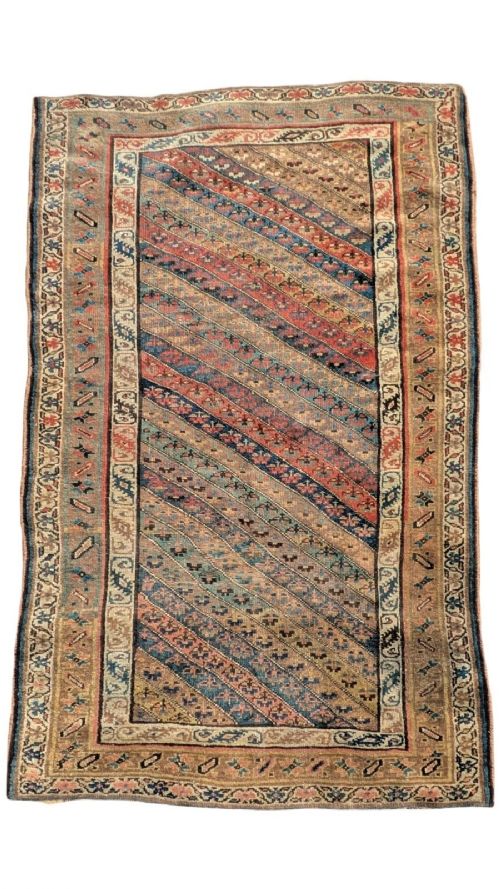
The pieces on this page span from the mid-nineteenth century through the early twentieth century, encompassing diverse regional aesthetics such as Caucasian, Kurdish, and Uzbek tribal traditions. Makers utilised repeating medallions, diagonal stripes, and geometric motifs to decorate the wool surface.
Materials and construction
Weavers constructed these textiles primarily using wool, occasionally incorporating cotton foundations or silk highlights to add structural stability and textural variation. The material selection provided natural resilience suited to heavy foot traffic in domestic settings.
Traditional production methods involved flat-woven kilim techniques or pile knotting, depending on whether the makers intended a lightweight tapestry finish or a dense, plush surface. Artisans dyed the wool in varied multicolour palettes to execute complex graphic designs and pictorial layouts.
Multicolour Wool Runner Retail Price Guide 2026
Typical asking prices for multicolour wool runner among the pieces listed under this phrase on Sellingantiques today, from the lower quarter to the upper quarter. They describe what is for sale here now, not the wider market.
Determining quality
Quality rests in the precision of the tribal design and the tightness of the weave, which dictate how sharply medallions and geometric borders are rendered. Finer knotting or precise flat-weaving secures the longevity of the structure.
The vibrancy and depth of the multicolour dyes also distinguish finer examples, as expertly fixed pigments maintain their contrast across decades. The integrity of the wool pile and the balance of the proportions further elevate certain village and tribal pieces above standard production.
The Multicolour Wool Runner Glossary
- Kilim
- A flat-woven carpet or runner produced without a pile, created by tightly interweaving warp and weft threads. This technique results in lightweight, reversible textiles with sharp geometric patterns.
- Runner
- A long, narrow carpet format specifically designed for hallways, corridors, and stairs. These pieces balance length with constrained width to fit confined architectural spaces.
- Medallion
- A central ornamental motif set into the field of a rug or runner. Tribal weavers frequently arranged geometric or latch-hook versions of these shapes in repeating sequences.
- Boteh
- A stylised almond, pear, or floral motif with a bent upper end. This ancient Persian design appears frequently in striped and field arrangements on antique carpets.
- Warp
- The vertical foundation threads stretched tightly on a loom before weaving begins. The visible fringes at either end of a finished runner are the remaining warp threads.
Multicolour Wool Runner: Frequently Asked Questions
Where should I place a wool runner?
These narrow textiles suit hallways, corridors, and bedside areas where elongated formats balance empty floor space. Their durable wool construction withstands daily walking while adding visual warmth.
Ensure you use a suitable underlay beneath the runner to prevent slipping and reduce friction on wooden or tiled floors.
How do I clean an antique wool runner?
Regular gentle vacuuming without a rotating brush roll removes surface dust from the wool pile. Professional specialist cleaning remains necessary for deeper washing to protect ancient natural dyes.
Avoid chemical spot treatments or soaking the textile in water, as moisture can damage the structural foundation fibres.
What is the difference between a kilim and a rug?
A kilim is a flat-woven textile made without a raised pile, resulting in a thin, tapestry-like fabric. Traditional rugs feature knotted piles that create a softer, thicker surface underfoot.
Both forms utilise similar regional wool materials and geometric tribal designs across Caucasian, Persian, and Central Asian traditions.
How can I tell the age of a tribal runner?
Age assessment relies on examining the natural dye variations, wool consistency, and specific regional weaving structures. Characteristics like hand-spun wool and authentic tribal motifs provide clues to nineteenth and early twentieth-century origins.
Comparing structural details against documented tribal types helps narrow down the production era.