

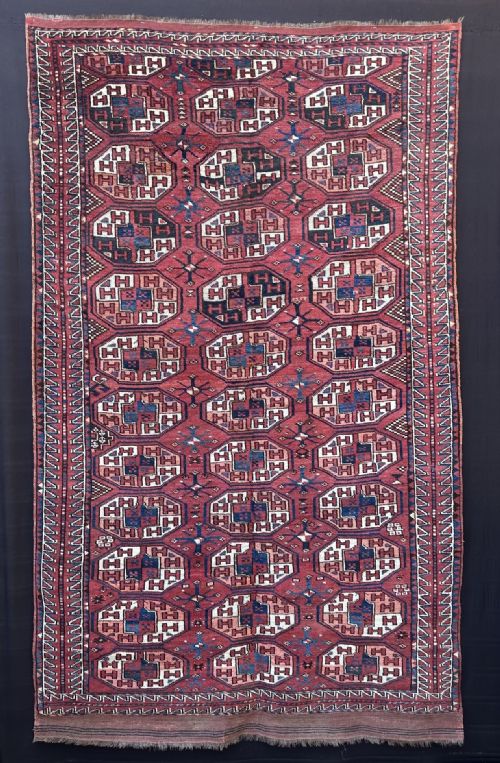
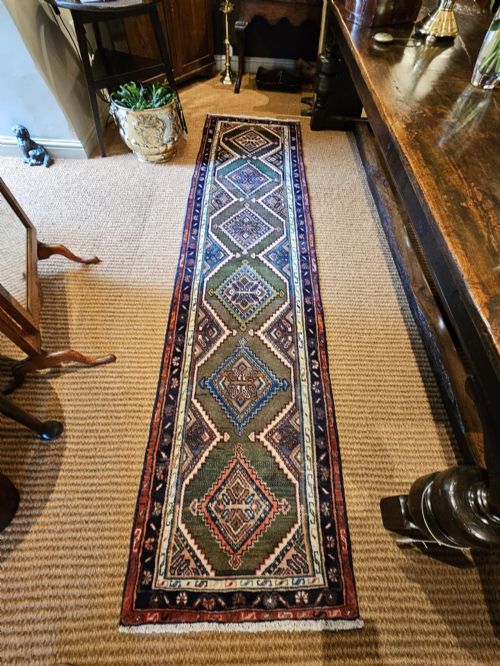


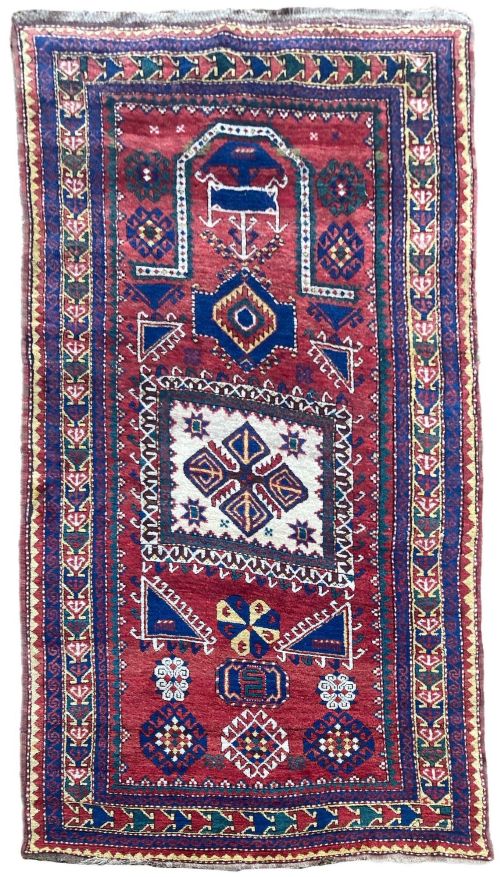
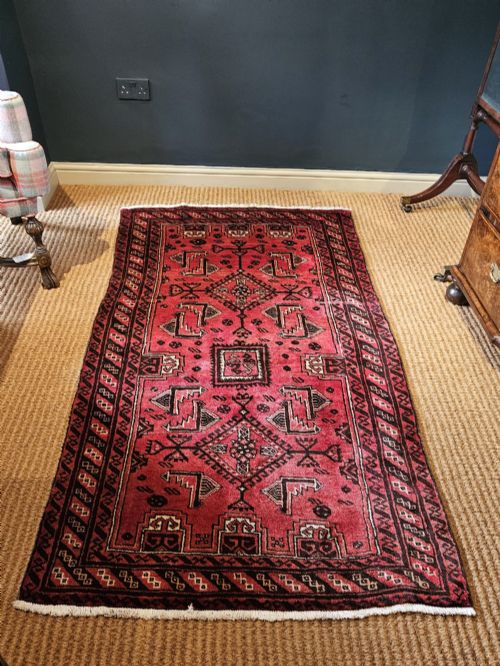



Geometric Wool Runner Rug
Geometric wool runner rugs bring linear tribal motifs and enduring practical length to long hallways and narrow rooms.
Geometric Wool Runner Rug
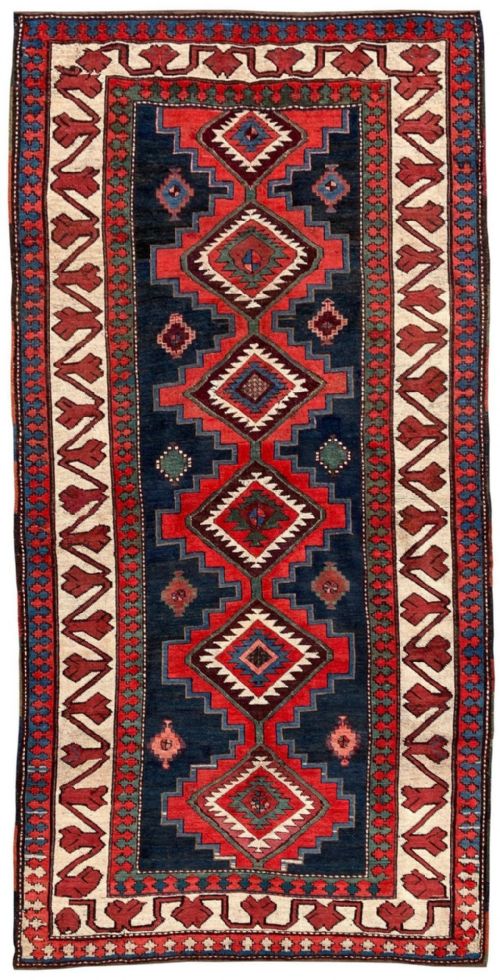
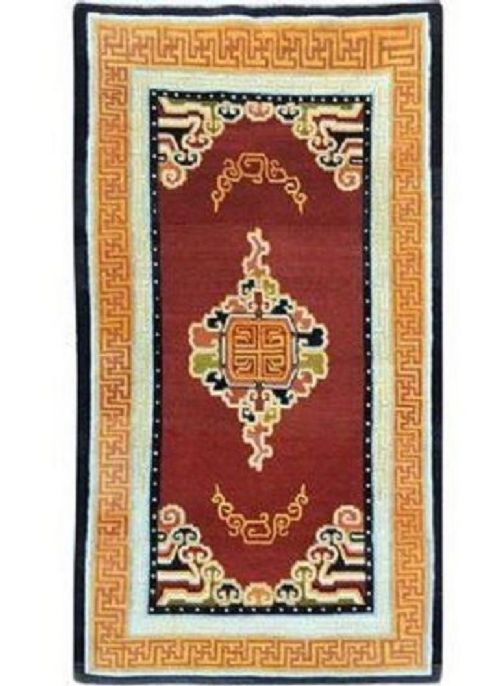
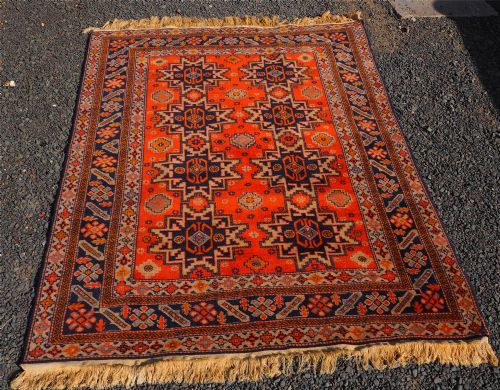
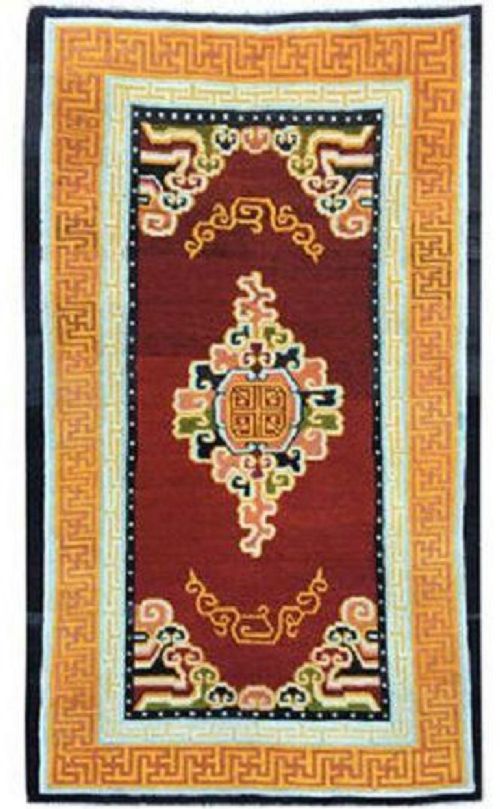
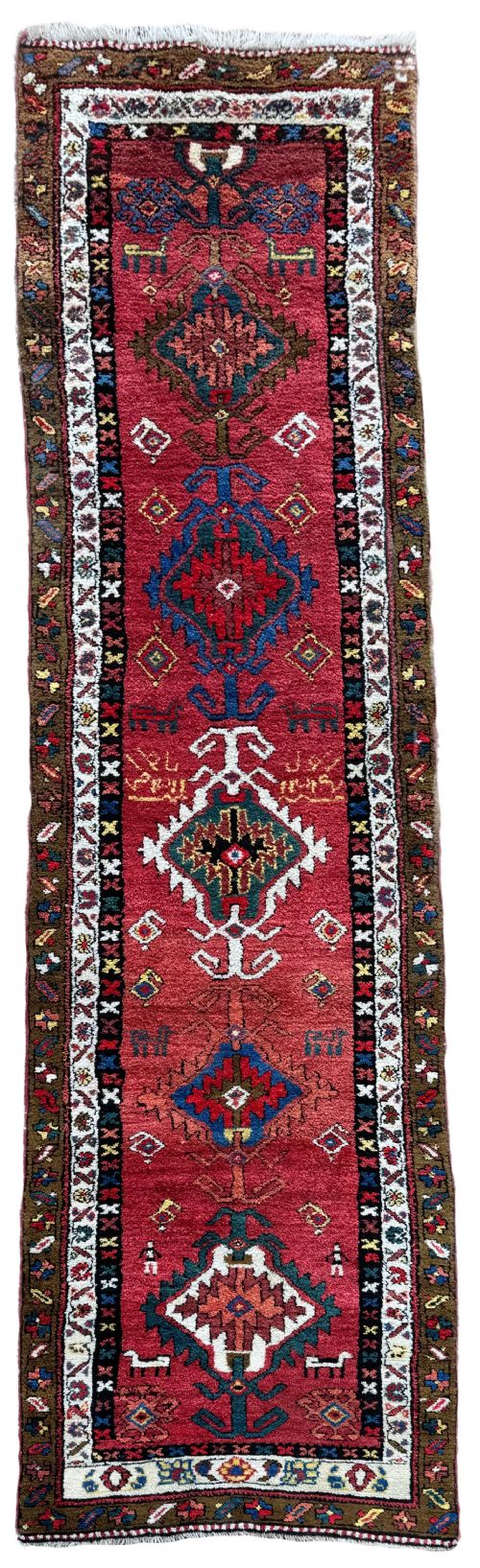
A geometric wool runner rug provides a narrow, linear format designed for corridors and passages, often displaying repeating angular motifs.
The selections span nineteenth and early twentieth century production across Persia, the Caucasus, Anatolia, and Central Asia.
These floor coverings encompass tribal and village weaving traditions, including runner formats alongside long rugs utilised in similar narrow spaces.
How they were made
Weavers constructed these pieces utilising hand-spun wool and cotton foundations, binding the pile tightly by hand.
Makers integrated camel hair alongside standard wool fibres within specific tribal pieces to provide natural colour variation without artificial dyes.
Camels occasionally contributed their soft underhair directly to the pile, lending these runners a naturally resilient, undyed warm brown tone.
What varies in quality
The intricacy of the geometric lattice and medallion work dictates the visual sophistication of each runner.
Knot density and the resilience of the wool pile determine how well the piece withstands foot traffic over decades.
The Geometric Wool Runner Rug Glossary
- Runner
- A long, narrow carpet format designed specifically for hallways, corridors, and stairs. These pieces measure significantly longer than they are wide.
- Kazak
- A style of rug originating from the Caucasus region, known for bold geometric medallions and saturated primary colours. They display crisp rectilinear drawing.
- Mihrab
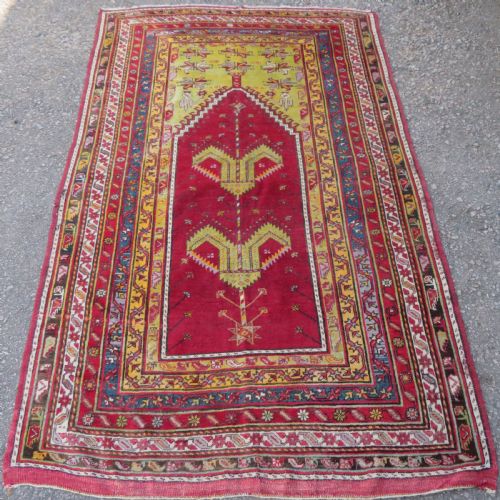
- A niche design element found primarily on prayer rugs, representing the direction of prayer. It typically forms an arched shape at one or both ends.
- Gul
- A medallion pattern or octagonal motif repeated across Central Asian and Baluch carpets. Each tribal group traditionally utilised distinct variations.
- Lattice
- An open, repeating network of crisscrossing lines forming diamond or rectangular grids across the field. This geometric framework often encloses smaller floral or tribal motifs.
Geometric Wool Runner Rug: Frequently Asked Questions
Where should I place a runner rug?
These narrow formats suit hallways, corridors, and long entryways where floor protection and linear decoration are required.
They also function effectively in narrow kitchens or alongside beds in larger bedrooms.
What is hand-spun wool?
Hand-spun wool utilises fibres twisted manually into yarn rather than through industrial machinery. This method creates subtle variations in thickness and texture along the strand.
Such inconsistencies allow dye to absorb unevenly, producing a rich abrash effect across the finished pile.
How do I care for an antique wool runner?
Vacuum these pieces gently with the beater bar disengaged to remove grit without pulling the wool fibres. Professional cleaning by a specialist in antique textiles preserves the integrity of the natural dyes and foundation.
Using an appropriate underlay prevents slipping and reduces friction between the rug and the floorboards.