
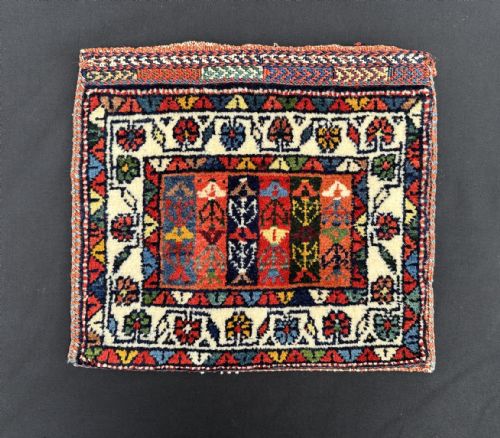


Multicolour Carpet
These multicolour antique carpet selections encompass tribal and regional flatweaves and knotted textiles offering rich historical palettes for the floor.
Multicolour Carpet
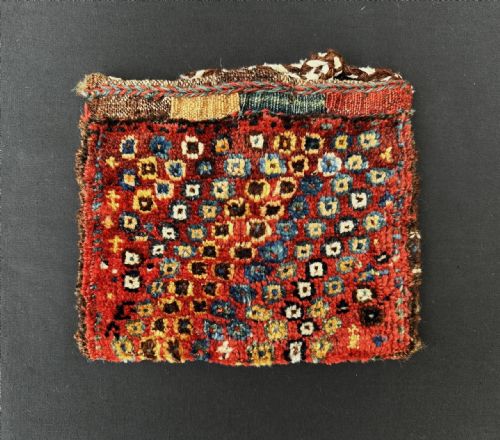
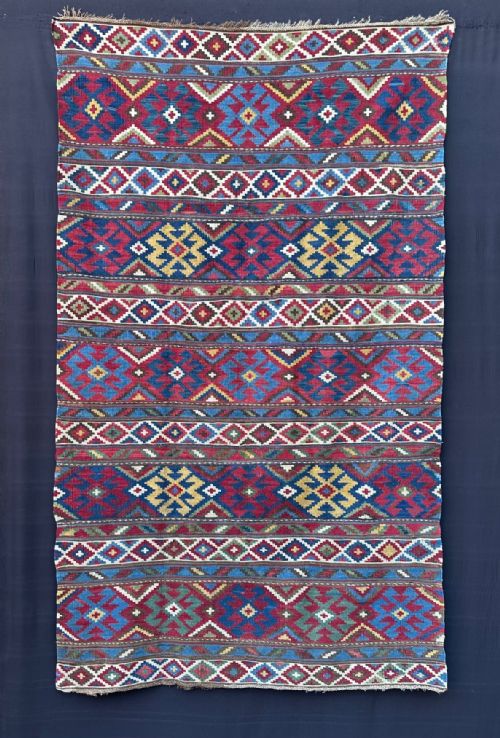
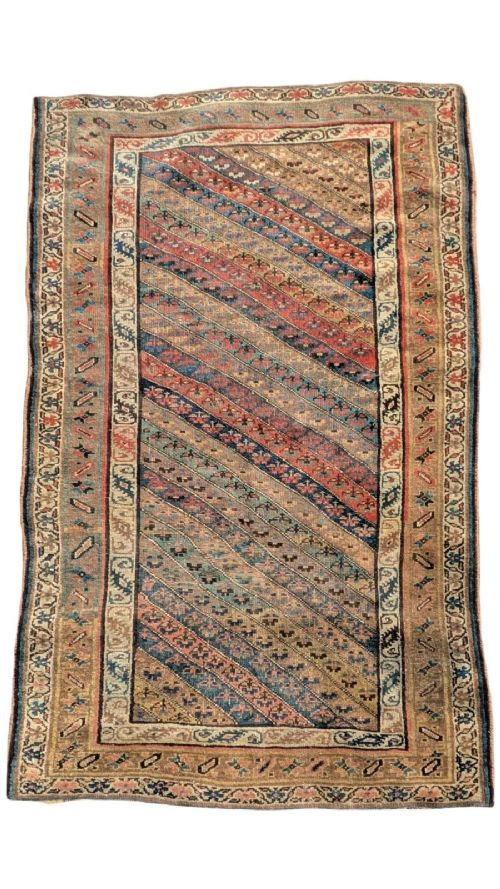
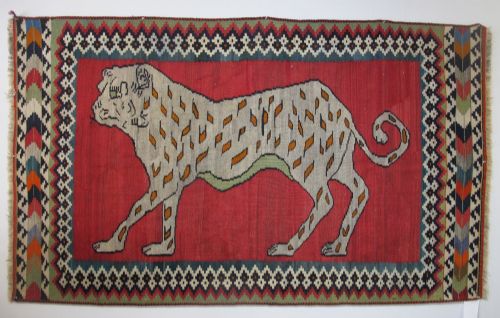
A multicolour antique carpet brings together diverse regional traditions from the Caucasus, Persia, Anatolia, and Central Asia spanning the mid-nineteenth century through the early twentieth century. You meet runner rugs, kilims, and village formats displaying geometric medallions, repeating boteh motifs, and striped designs.
Village and nomadic groups including the Qashqai, Kurdish, and Uzbek weavers produced these textiles using traditional floor looms for daily utility and decoration. The selection on this page centres on regional flatweaves and knotted pile rugs created with distinct local iconography.
How they were made
Weavers relied principally on wool and cotton foundations, occasionally incorporating silk or camel hair to build durable pile and flatweave structures. Natural dyes provided the foundational palette for these textiles, generating deep hues that developed rich patinas over decades of use.
Makers utilised slit-tapestry techniques for kilims and hand-knotting methods for pile carpets, translating tribal patterns into precise geometric and graphic layouts.
Nomadic weavers occasionally embedded small asymmetry quirks into strict geometric repeats, playfully outsmarting the evil eye.
What varies in quality
Quality rests on the integrity of the weave and the clarity of the design structure, where tighter knotting or finer flatweave execution distinguishes masterwork pieces from standard village output. The depth and stability of the natural dyes also set examples apart, determining how vividly the multicolour palette holds across the surface.
The precision of traditional motifs, such as latch hooks, medallions, and repeat shrub patterns, reveals the weaver's skill and adherence to regional tribal canons.
The Multicolour Carpet Glossary
- Kilim
- A flatwoven carpet or rug produced without a pile, commonly associated with Anatolian, Caucasian, and Central Asian traditions. These textiles feature slit-woven geometry.
- Boteh
- A stylised almond or pear-shaped motif representing a floral spray or cypress tree, frequently repeated across regional carpets. It is a defining element in many traditional Persian and Caucasian designs.
- Medallion
- A central ornamental design element placed in the field of a carpet, often geometric or floral in structure. Weavers use these symmetrical shapes to anchor the composition.
- Latch hook
- A geometric motif with small hooked corners extending from larger polygons or diamonds. This ancient tribal device appears across numerous Caucasian and Kurdish village rugs.
Multicolour Carpet: Frequently Asked Questions
How do I clean an antique carpet?
Professional specialist cleaning is essential for preserving natural dyes and delicate wool, cotton, or silk foundations.
Avoid household chemical treatments or vigorous scrubbing which can damage fragile historical textile structures.
Can I place these rugs in high traffic areas?
Sturdy wool constructions and dense flatweaves handle moderate everyday movement quite well when paired with a quality underlay.
Delicate pieces containing silk elements require placement in lower traffic spaces to prevent premature wear.
How do I identify regional tribal designs?
Study the specific structural motifs, colour combinations, and border arrangements unique to areas like Shirvan, Qashqai territories, or Uzbekistan.
Distinctive graphic markers such as diagonal stripes or repeat shield patterns often point directly to specific tribal groups.
What underlay should I use on hard floors?
A breathable, non-slip natural rubber or felt pad prevents sliding and reduces friction between the floor and the textile.
This simple layer protects the foundation yarns from breaking against hard surfaces during daily use.