

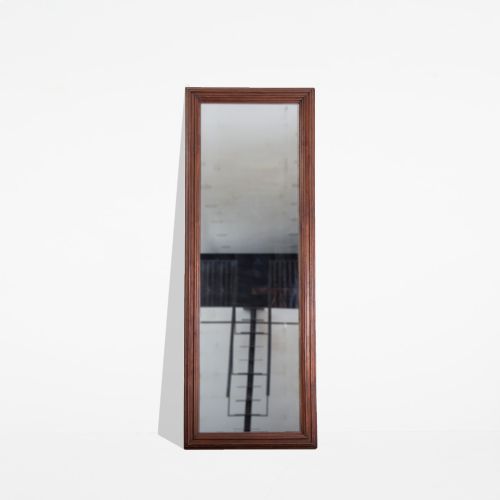

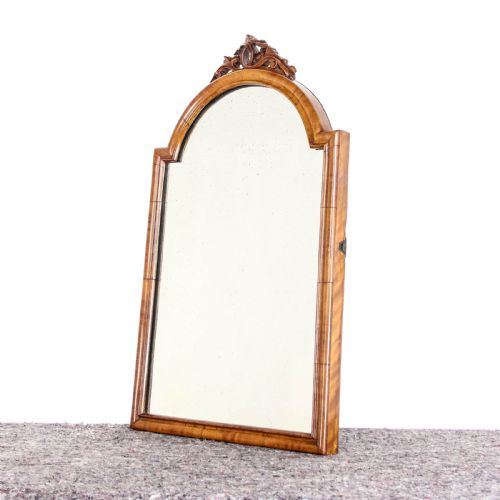
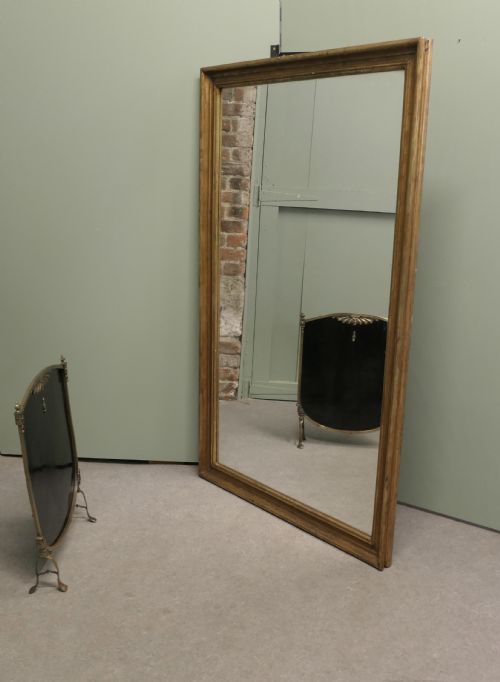
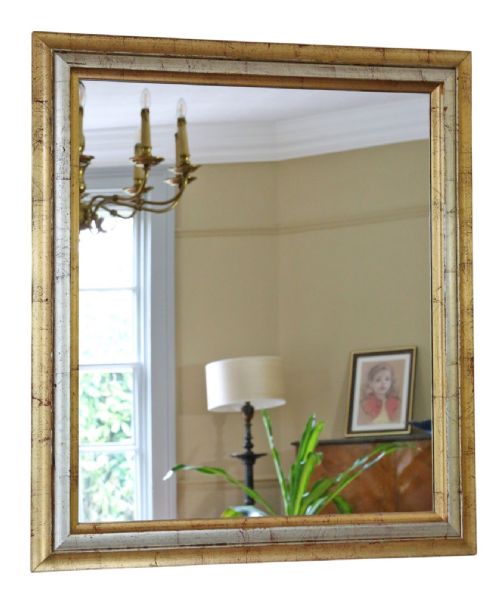


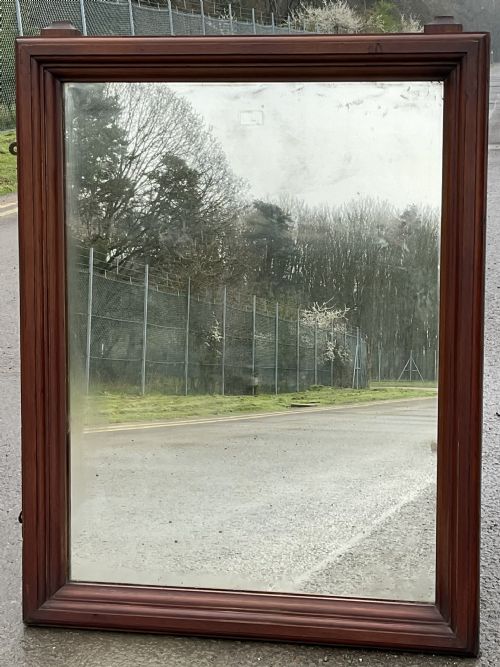


Moulded Wooden Frame Mirror
A moulded wooden frame mirror brings architectural depth to a room, offering centuries of craftsmanship in walnut, mahogany, and maple.
Moulded Wooden Frame Mirror
When searching for a moulded wooden frame mirror, you encounter wall-hanging and overmantel pieces spanning the seventeenth century through to the mid-twentieth century. The selection ranges from simple Georgian walnut designs to taller French rectangular and Edwardian white overmantel examples.
You are most likely to meet nineteenth-century interpretations on this page, particularly walnut and mahogany framed mirrors featuring bevelled glass or cushion frames. These wall mirrors offer versatile proportions suitable for both traditional and contemporary interiors.
How these mirrors were constructed
Cabinetmakers constructed these frames using solid hardwoods such as walnut, mahogany, and maple, often applying decorative veneers like oyster cuts to create complex surface patterns. Gesso and painted finishes were also utilised to achieve specific aesthetic qualities on wood and metal substrates.
Original mirror glass with bevelled edges is housed securely within these timber mouldings, held by traditional backing methods appropriate to each period from the seventeenth century onward.
Seventeenth-century makers sliced tree branches like carrots just to frame reflections.
Judging quality in a moulded wooden frame mirror
The distinction between standard examples and superior pieces lies in the crispness of the timber moulding and the depth of the wood grain, particularly visible in walnut and mahogany surfaces. Finer mirrors display sophisticated joinery and well-preserved original glass rather than later replacements.
Proportion and execution separate everyday items from exceptional works, where the relationship between the wooden frame and the mirror plate demonstrates considered design from periods such as the Georgian era or the late nineteenth century.
The Moulded Wooden Frame Mirror Glossary
- Cushion frame
- A convex, rounded wooden moulding profile often associated with seventeenth-century aesthetics. This style projects forward from the wall to create a distinct framing effect around the glass.
- Oyster veneer
- Slices cut transversely from small branches to produce circular or oval patterns resembling oyster shells. Cabinetmakers arranged these decorative veneers meticulously across seventeenth-century mirror frames.
- Bevelled glass
- A mirror plate with edges angled and polished to a thinner profile. This traditional technique catches the light differently around the perimeter of the glass.
- Overmantel mirror
- A large wall mirror designed specifically to hang above a fireplace mantel. These pieces frequently feature architectural framing to complement interior panelling.
Moulded Wooden Frame Mirror: Frequently Asked Questions
How do I date a wooden frame mirror?
Dating relies upon examining the timber species, construction joints at the corners, and the characteristics of the mirror glass itself. Older pieces often show hand-planed backs and specific moulding profiles native to periods like the Georgian era.
Secondary indicators include the presence of original fixings, backboards, and the manufacturing method of the glass plate, which changes from early hand-blown distortion to later machine-rolled perfection.
Can I hang these heavy mirrors safely?
Most hanging wall mirrors from the nineteenth century possess substantial weight due to solid timber construction and thick glass plates. Proper wall anchors and professional fixings rated for the specific weight are essential.
Ensure the hanging wire or integrated brackets match the structural demands of the wall material, whether lath and plaster or solid brick, to support the piece securely.
How should I clean an antique mirror?
Maintenance requires gentle dusting with a soft, dry cloth to protect both the wooden moulding and the aged glass surface. Avoid harsh chemical cleaners that might seep behind the frame and damage the silvering.
If moisture is necessary, apply a mild solution sparingly to the cloth rather than directly onto the mirror plate or the timber.