


Traditional French Wall Mirror
A traditional french wall mirror brings depth and gilded warmth to a room, drawing the eye with classic proportions.
Traditional French Wall Mirror
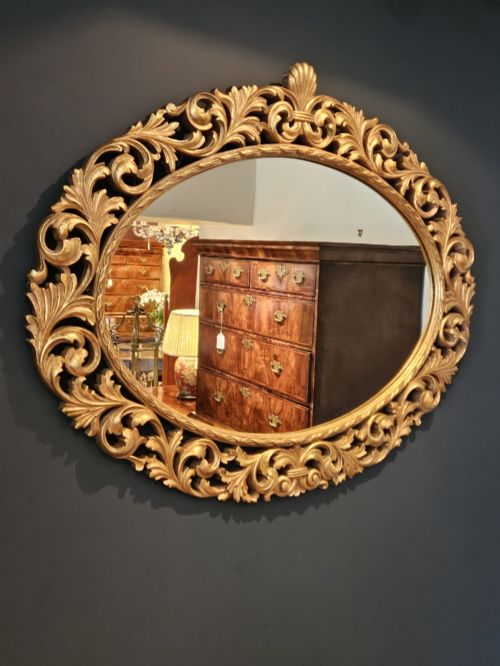
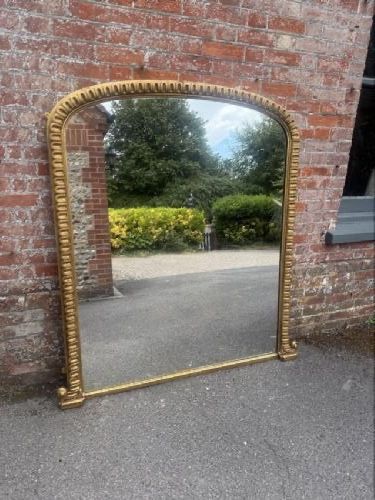
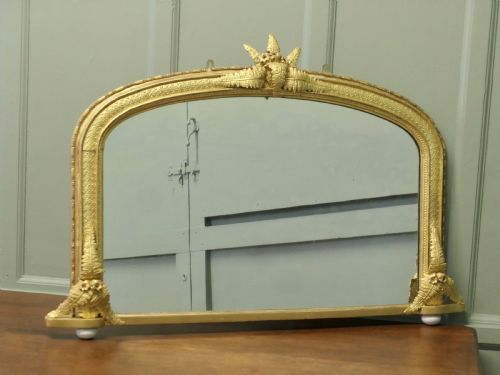
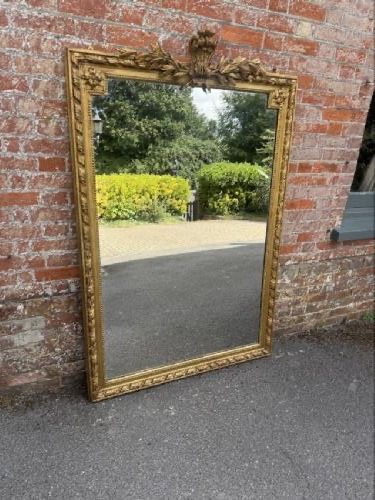
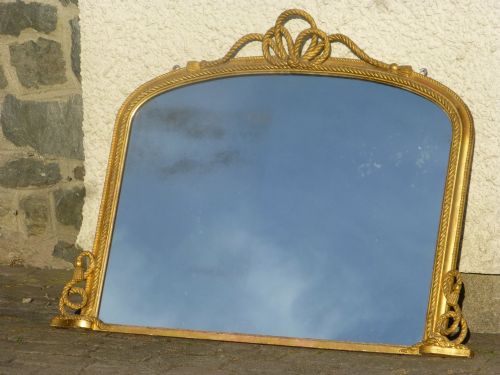
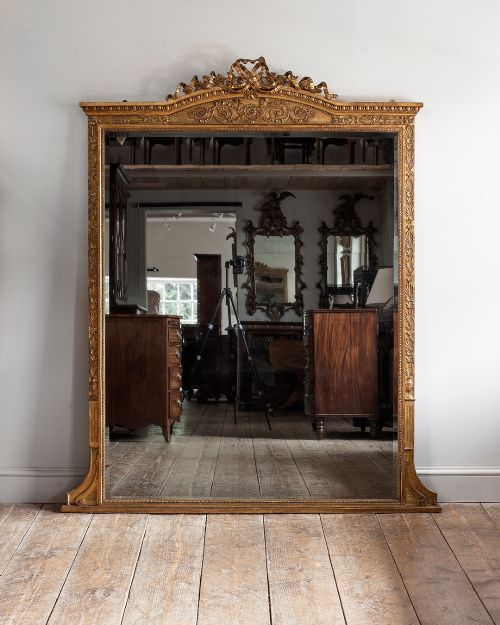
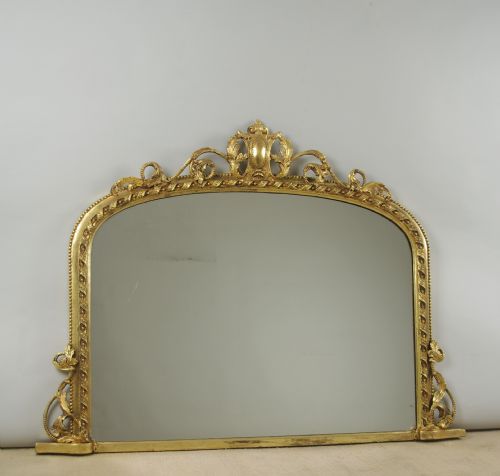
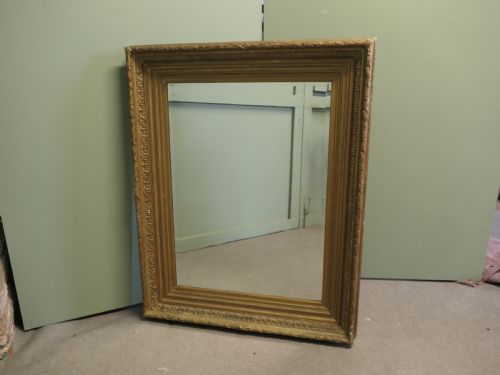
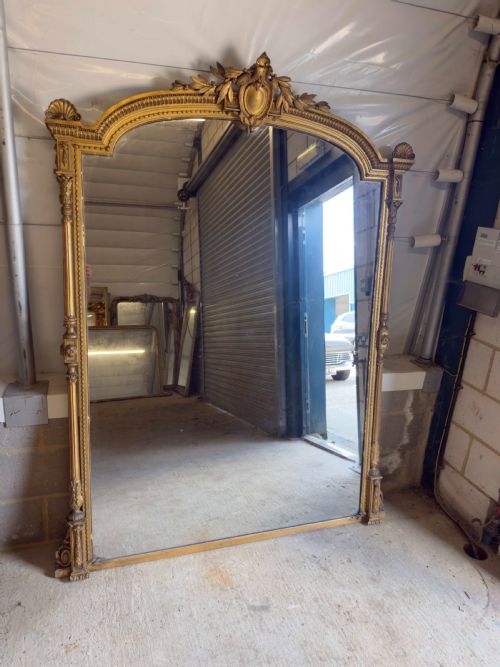
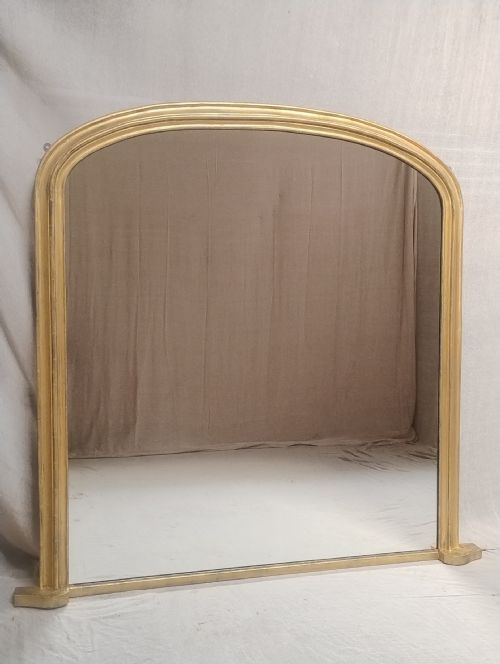
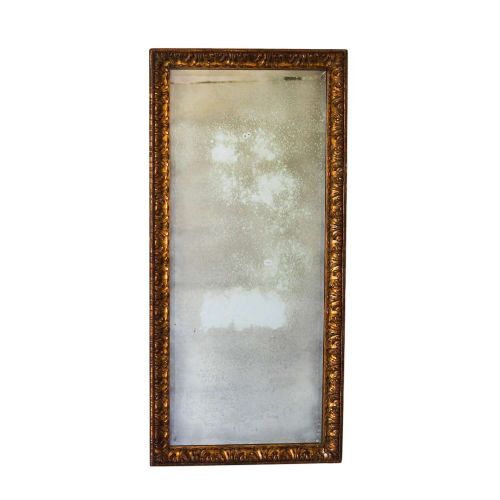
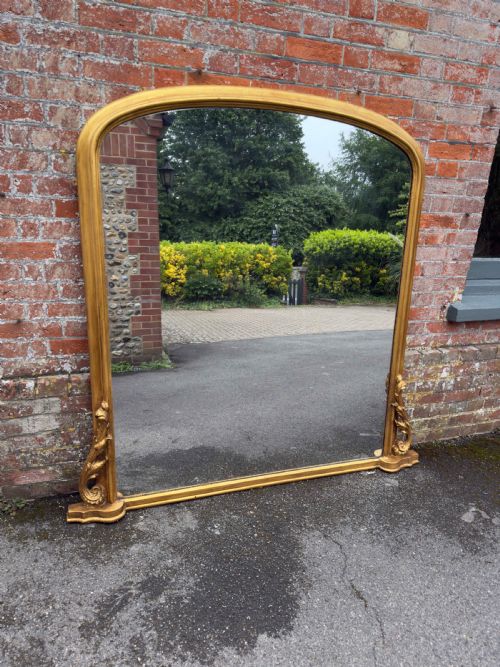
A traditional french wall mirror encompasses large overmantel designs, rectangular hall pieces, and shaped architectural formats found across nineteenth century contexts.
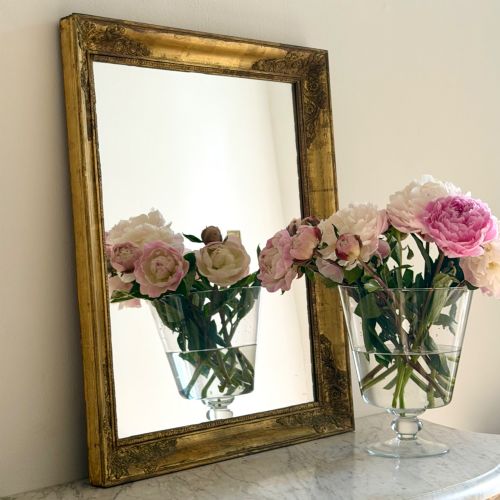
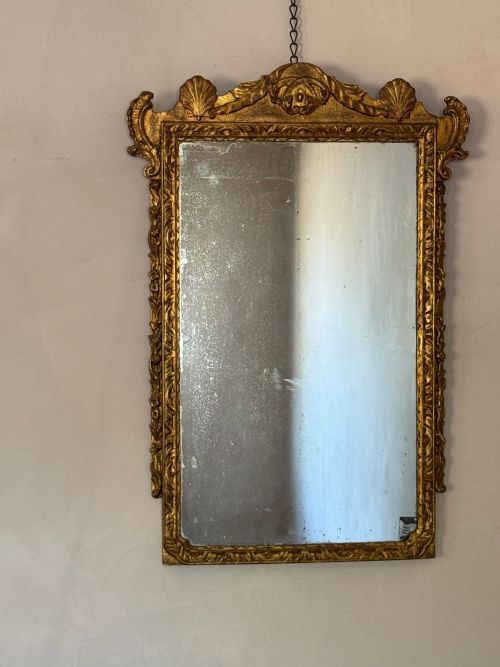
The selections span stylistic revivals including Rococo, Regency, and French Provincial, often featuring arched tops or intricate scrollwork.
Buyers encounter substantial carved wood frames alongside neat dressing mirrors and decorative brass bistro pieces originating from the nineteenth and early twentieth centuries.
How They Were Made
Craftsmen built structural frames using timber, carved wood, and applied gesso or plaster moulded into ornate decorative motifs.
Finishes relied on gold leaf and gilding applied over preparation layers, sometimes paired with overpainting or aged gilt effects.
Mirrors incorporated traditional glass plates housed within robust wooden backs, occasionally retaining their original mirror glass.
Some nineteenth-century mirrors still hide faint chalk inscriptions left by nineteenth-century framers on their dusty wooden backs.
What Varies in Quality
The crispness and depth of hand-carved wood details separate standard mouldings from superior architectural framing.
The integrity of the original gilt surface, whether gold leaf or composition, dictates the visual richness of the piece.
Preservation of original glass plates and sturdy timber construction define the distinction between decorative items and finer period examples.
The Traditional French Wall Mirror Glossary
- Giltwood
- Wood that has been coated with gold leaf or a gold-coloured finish. This material forms the primary shimmering surface of many classical mirror frames.
- Gesso
- A plaster-like mixture applied to wood frames to create a smooth surface for carving and gilding. Artisans built up relief details with this substance before applying gold leaf.
- Overmantel Mirror
- A large mirror designed specifically to hang above a fireplace mantel. These pieces often feature arched tops to match architectural chimney breasts.
- Rococo Revival
- A nineteenth-century design style characterised by asymmetrical scrollwork, floral motifs, and organic curves. Mirrors in this style display elaborate naturalistic ornamentation.
- Composition
- A moulded material made from whiting, resin, glue, and linseed oil pressed into decorative shapes. It offered a cost-effective alternative to deep hand-carving on Victorian frames.
Traditional French Wall Mirror: Frequently Asked Questions
Where should I hang a traditional french wall mirror?
These mirrors suit placement above mantelpieces, console tables, or low sideboards where their substantial proportions reflect light across the room. Larger overmantel formats anchor empty wall space effectively.
Ensure wall fixings match the considerable weight of timber and gesso frames. Secure mounting prevents shifting once installed.
How do I clean an antique mirror glass?
Use a soft microfibre cloth slightly dampened with water or a mild, ammonia-free cleaning solution. Avoid harsh chemical sprays that might seep beneath aged glass edges.
Dry the surface immediately to protect the silvering on the reverse. Gentle maintenance preserves the historical character of nineteenth-century glass.
What styles are available?
The available selection includes nineteenth-century French and Victorian designs, featuring Rococo revival scrolls, architectural arched tops, and simple rectangular formats. Brass bistro styles and floral giltwood pieces also appear.
Each style reflects the decorative preferences of the eighteen-sixties through to the nineteen-thirties. Frame details range from rope twists to ornate moulded flowers.