


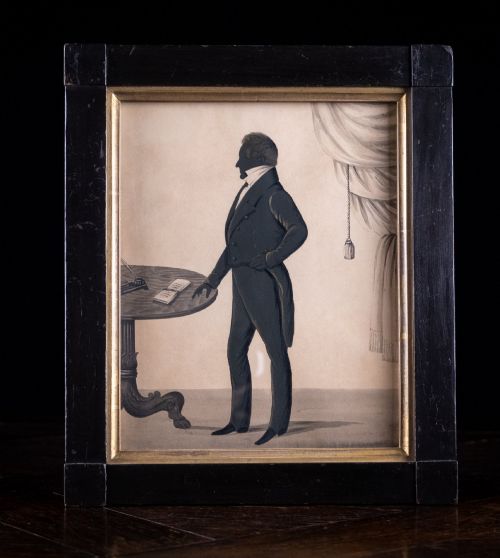
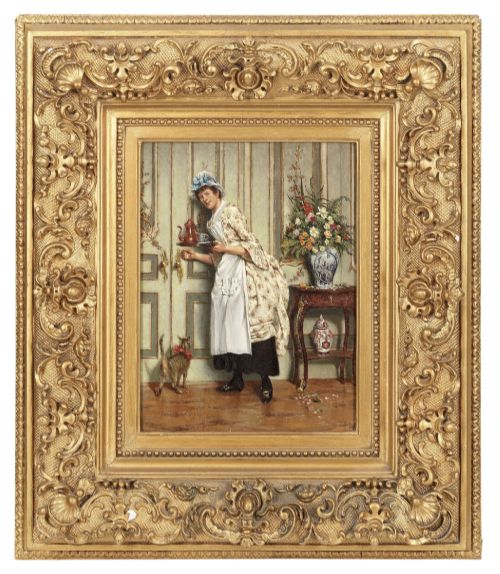

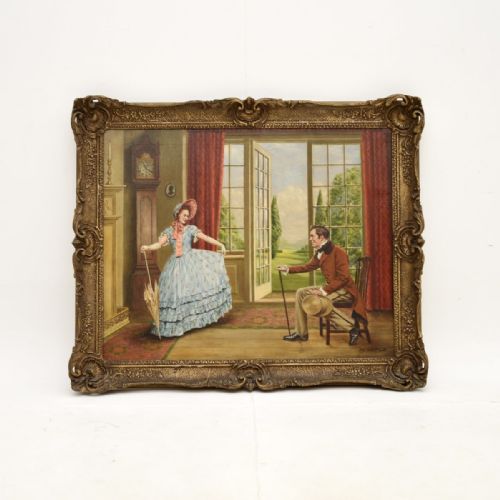
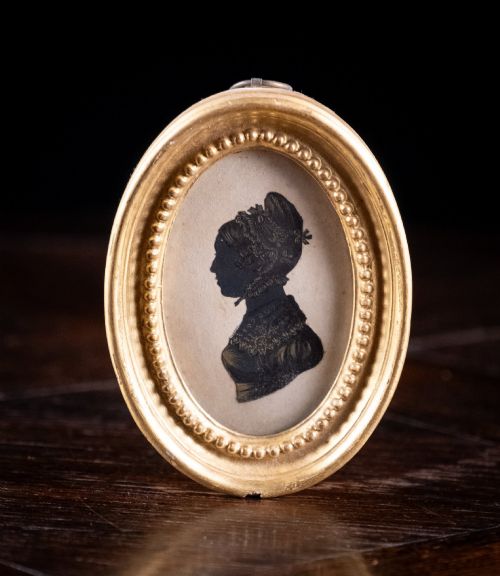

Period Gilded Frame
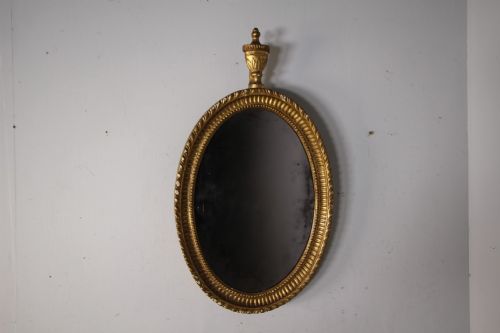
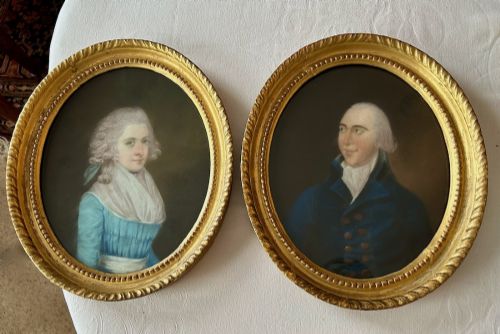
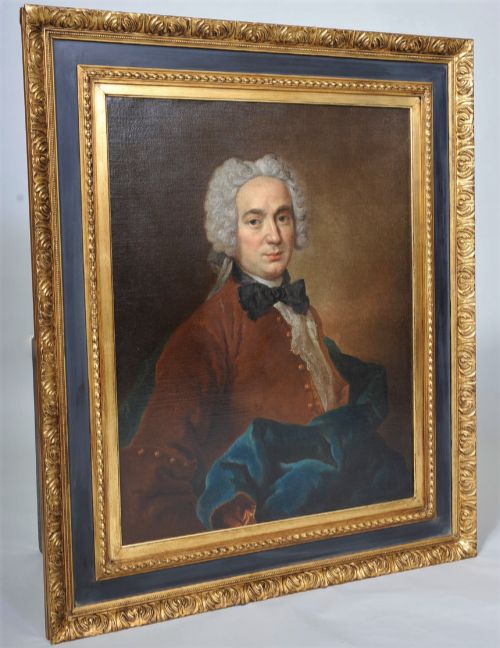
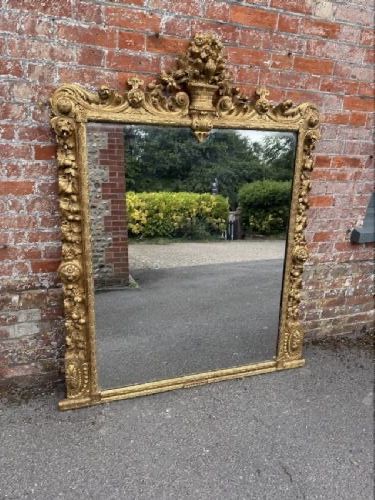
Period gilded frame describes antique mirrors and oil paintings enclosed in gold leaf and gesso, bringing centuries of craftsmanship and warmth into a room.
Period Gilded Frame
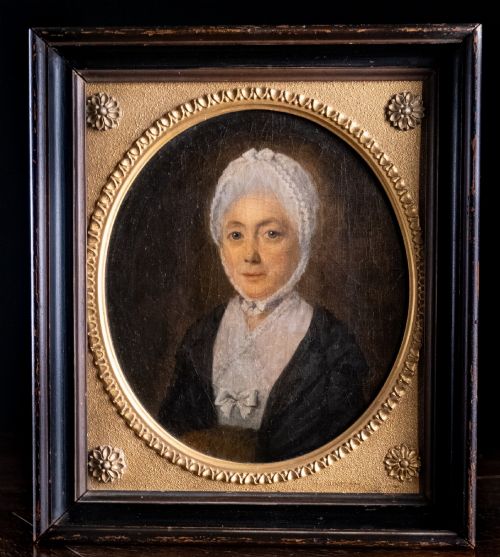
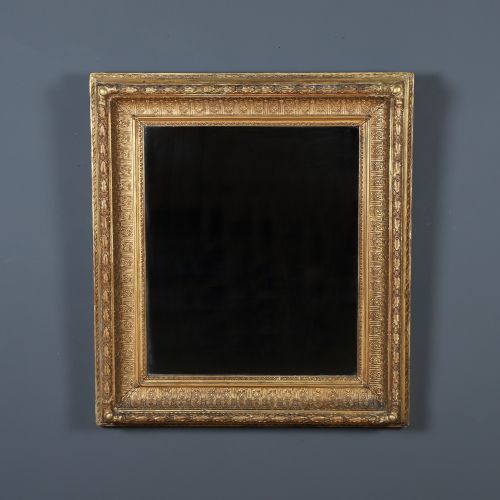
A period gilded frame most often surrounds a wall mirror, overmantel mirror, or oil painting dating from the seventeenth, eighteenth, and nineteenth centuries. These pieces encompass Georgian, Regency, and Victorian styles, reflecting the prevailing aesthetic of their original makers.
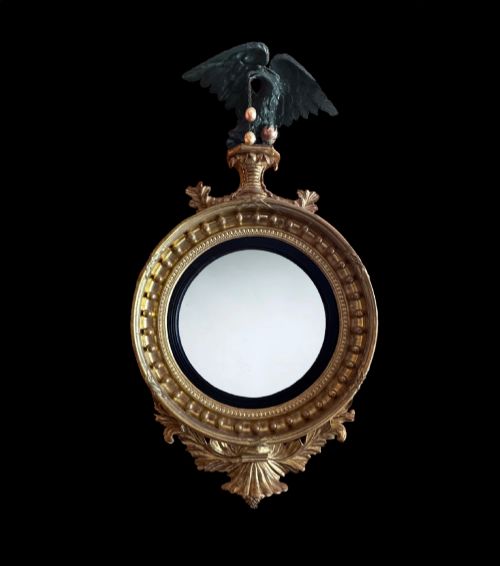
Mirrors range from small convex wall pieces to large architectural overmantels designed for nineteenth-century reception rooms. Paintings span pastel portraits, watercolours, and substantial oil on canvas works housed in matching decorative surrounds.
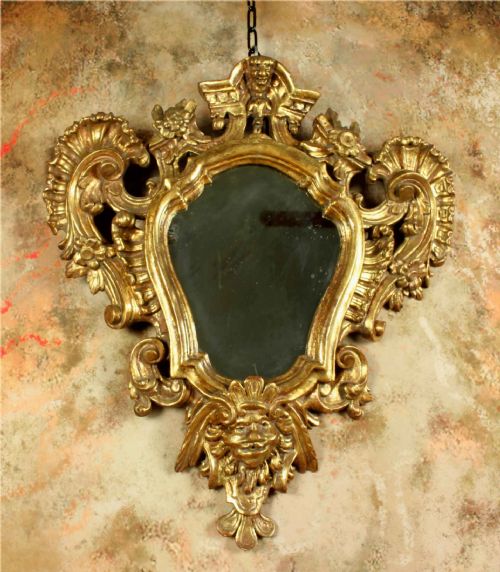
The inventory on this page draws heavily from English and continental European traditions, including rococo and neoclassical designs. Buyers encounter both original period pieces and later nineteenth-century revivals modelled on earlier George II and George III proportions.
Construction and Gilding Techniques
Carved wood provides the primary structural foundation for these pieces, utilising timber such as mahogany, pine, or other native hardwoods. Artisans shaped the wooden substrate by hand before applying layers of preparation materials.
Gesso, a mixture of chalk and glue, was built up over the wood to create a smooth base for intricate carved details and mouldings. Workers then applied thin sheets of gold leaf over a coloured bole, burnishing portions to achieve a reflective metallic lustre.
Auctioneers and seated gentlemen gaze out from these centuries-old walls, supervising modern living rooms with painted dignity.
Quality and Craftsmanship
Depth and crispness of hand-carved ornamentation separate standard mouldings from superior examples created by skilled workshops. The complexity of decorative masks, foliage, and architectural motifs indicates the level of artisan investment.
The integrity of the original gilt surface and the preservation of the underlying gesso layers dictate historical value. Condition of the glass plate in mirrors, including natural foxing, also influences the character and desirability of the piece.
Joshua Reynolds·Stephen Samuel Lewin·Alfred Lyndon Grace·Jeremiah Davison·Allan Ramsay·James Maubert·Joseph Highmore·Nicolaes Maes
The Period Gilded Frame Glossary
- Giltwood
- Wood that has been coated with gold leaf. This material forms the primary visual and structural element of traditional ornate frames.
- Gesso
- A plaster-like preparation mixture used as a base for gilding. It allows artisans to carve intricate relief details before applying gold leaf.
- Convex mirror
- A round mirror with a curved glass plate that reflects a wide-angle view of the room. These frequently feature detailed circular frames with ball mouldings or dragon motifs.
- Overmantel mirror
- A large horizontal mirror designed to hang above a fireplace mantelpiece. They dominate nineteenth-century interiors and reflect light across the room.
- Foxed plate
- Glass displaying small dark spots or discolouration caused by ageing of the silver backing. This chemical reaction develops naturally over decades.
- Bole
- A prepared layer of fine clay applied beneath gold leaf. It provides a warm red or yellow undertone visible where the gold wears thin.
Period Gilded Frame: Frequently Asked Questions
How do I clean a gilded frame?
Dust the surface gently with a soft, dry brush to remove particles without disturbing the fragile gold leaf.
Avoid using water, chemical solvents, or modern cleaning sprays, as these substances strip the historical gesso and gilding.
Are convex mirrors difficult to hang?
Convex mirrors carry considerable weight due to their heavy timber construction and thick glass plates.
Secure them directly into wall studs using appropriate hardware rated for heavy loads to ensure stability.
What causes foxing on mirror glass?
Foxing occurs when moisture gradually penetrates the protective backing of the glass over many decades.
This oxidation process creates natural dark spots and speckles that collectors value as proof of genuine age.
How do I date a gilded frame?
Examine the construction methods, wood types, and underlying gesso layers visible at the reverse or unpainted edges.
Compare the decorative style, such as rococo scrolls or Regency motifs, with documented examples from specific centuries.