
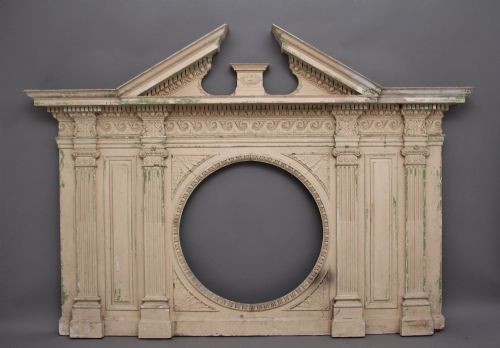
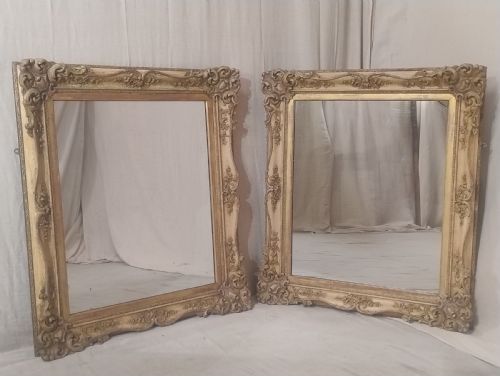


Cream Framed Mirror
When you want a cream framed mirror, you are looking for a painted antique piece that brings light and calm proportion into a room.
Cream Framed Mirror
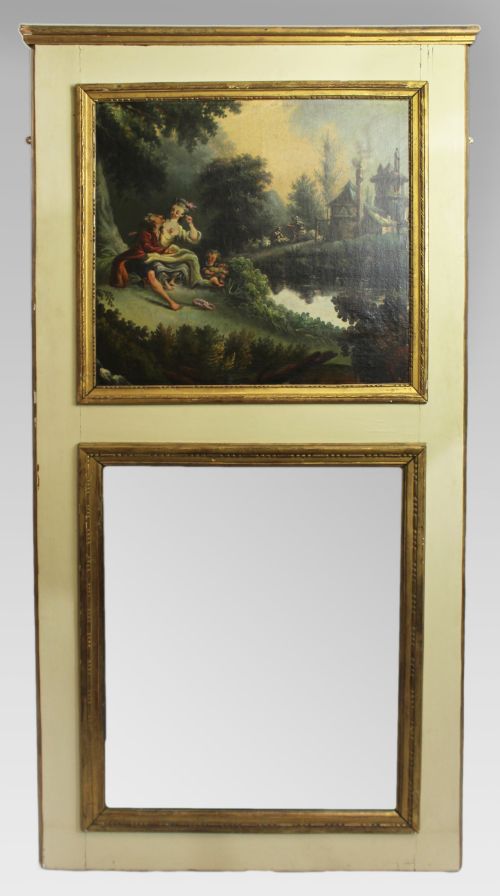
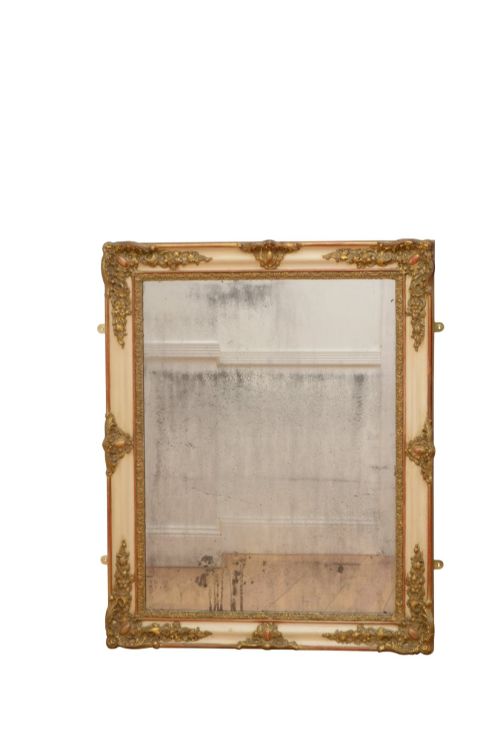
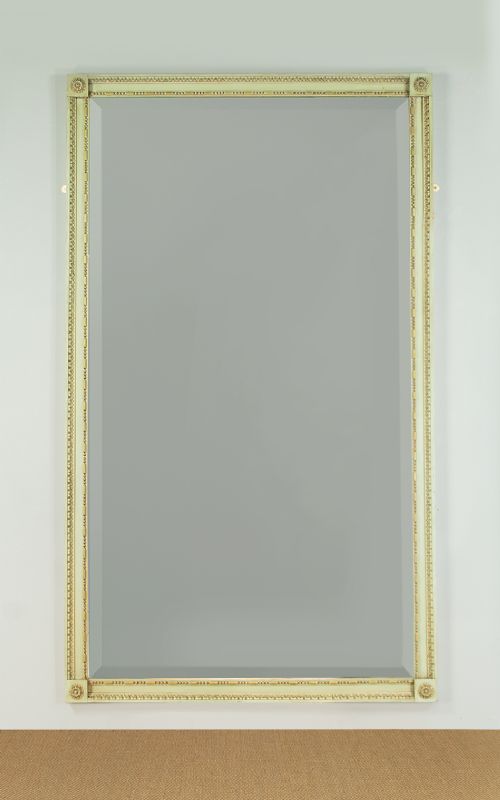
A cream framed mirror brings historical character and soft neutral tones to a space, drawing on centuries of decorative tradition. When searching for a cream framed mirror, buyers frequently encounter large nineteenth-century overmantels, French provincial wall glasses, and tall trumeau panels.
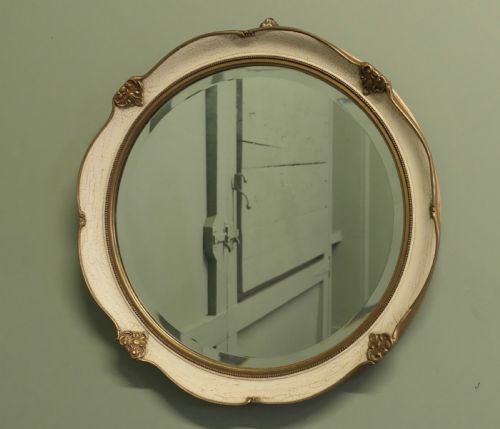
The selection ranges from restrained Edwardian ovals and round art deco pieces to ornate nineteenth-century French rococo designs and heavy Victorian architectural frames. Many of these pieces originate from continental workshops or English homes where paint and gilt were applied to soften heavier wood grounds.
Overmantel mirrors dominate the selection, designed historically to sit above a fireplace and reflect the light of a room. Alongside these sit pier glasses, round hall mirrors, and architectural wall pieces tailored for domestic interiors.
Materials and construction
Frames are built primarily from solid pine, carved wood, or composite assemblies where mouldings are built up in gesso over a wooden base. Artisans applied layers of paint, often in cream or off-white tones, sometimes combined with partial gilding, gold leaf, or silvered highlights.
The glass itself is held within heavy rebates, often showing the subtle imperfections, ripples, or foxing associated with older mirror plates. Carved details on nineteenth-century pieces include rope twists, Vitruvian scrolls, and classical column frames shaped by hand.
Listings span periods from the eighteenth century through the Victorian era and into the early twentieth century, featuring wood, gesso, painted finishes, and gold leaf.
Defining quality in antique mirrors
Quality rests in the depth of the carving and the integrity of the original gesso and paint layers. Finer examples display crisp hand-carved wooden details rather than heavy, uniform modern cast ornaments.
The relationship between the scale of the frame and the weight of the original mirror glass dictates the visual balance. Wear in the painted finish that reveals the warm pine or gesso beneath often adds to the character of an authentic period piece.
The Cream Framed Mirror Glossary
- Overmantle mirror
- A large horizontal mirror designed specifically to hang on the wall directly above a fireplace mantelpiece. These pieces often incorporate arched tops or elaborate cresting.
- Trumeau mirror
- A tall decorative wall glass paired with an oil painting or panel set into the upper section of the wooden frame. They originated in eighteenth and nineteenth-century French domestic interiors.
- Gesso
- A plaster-like mixture applied to wood frames to create a smooth surface for painting or gilding. It allows for intricate moulded details that harden over time.
- Pier glass
- A tall, narrow mirror designed to hang on the wall space between two windows. They reflect natural light back into the centre of a room.
- Partial gilt
- A decorative technique where gold leaf or gilt highlights are applied selectively to specific areas of a painted frame. This draws attention to carved scrolls and mouldings.
Cream Framed Mirror: Frequently Asked Questions
How do I hang a heavy overmantel mirror?
Heavy nineteenth-century mirrors require secure fixing directly into wall studs or masonry using substantial brackets and weight-rated fixings. The substantial wooden and gesso frames carry considerable mass that standard picture hooks cannot support safely.
Professional installation is often advisable for very large wall mirrors to ensure the weight distributes evenly across the frame structure.
Are the mirror plates original?
Many antique mirrors retain their original glass, which can exhibit light foxing, minor speckling, and gentle distortion. These natural signs of age confirm the historic nature of the glass plate.
Some pieces have received replacement glass over the decades where the original silvering degraded beyond practical use.
How do I clean a painted antique frame?
Dust the carved wood and gesso surface gently with a soft, dry brush to prevent dirt from settling into the crevices of the paintwork. Avoid harsh liquid cleaners or chemical solvents that can soften historic oil paint and gesso.
Glass cleaner should be applied sparingly to a cloth rather than sprayed directly onto the mirror, protecting the surrounding painted frame from moisture.
What is a trumeau mirror?
A trumeau mirror combines a vertical looking glass with a decorative painted panel or oil scene set into the upper wooden frame. These tall French pieces were built to anchor the proportions of formal reception rooms.
The pastoral scenes or decorative motifs integrated into the woodwork give these mirrors a distinct narrative character.
How do I date a painted wooden mirror?
Dating relies on examining the construction joints, the composition of the underlying gesso, and the style of the carved ornamentation. Nineteenth-century pieces often show hand-cut elements and layered paint finishes over pine carcases.
Changes in decorative taste, from neoclassical symmetry to rococo curves and Edwardian restraint, provide clear markers for the period of manufacture.