

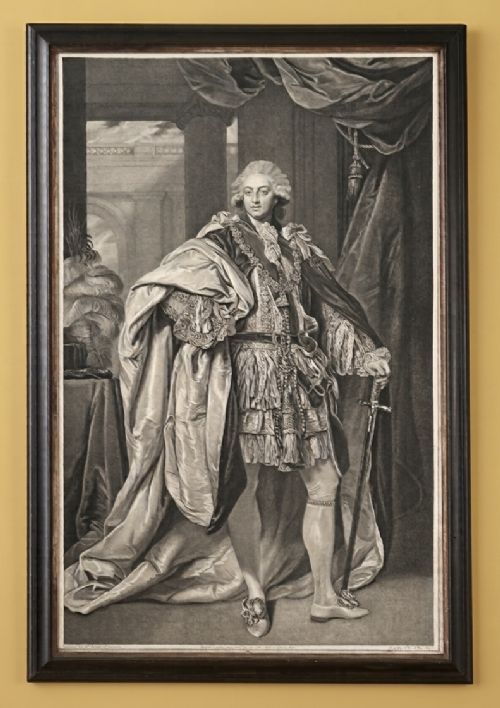
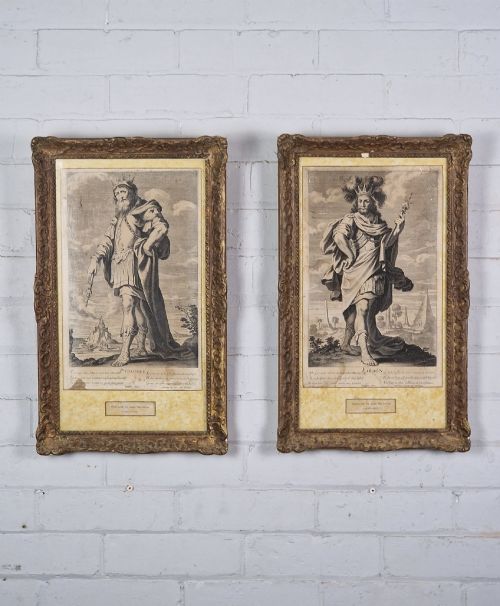
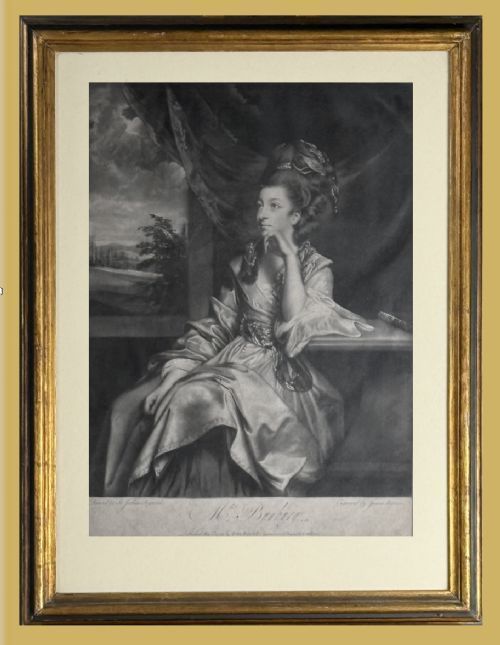
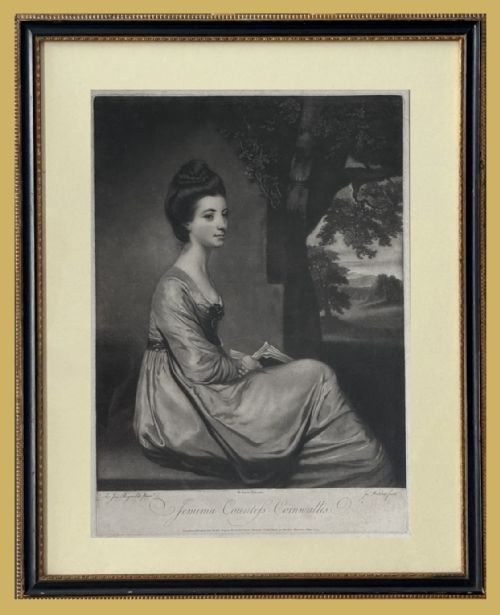
Monochrome Portrait Engraving
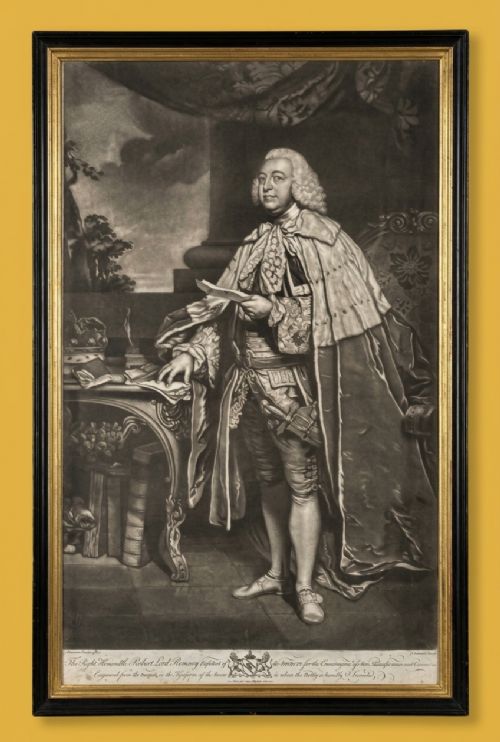
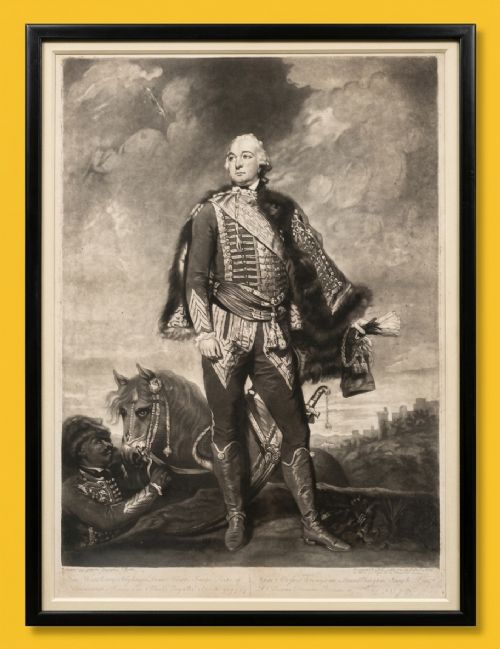
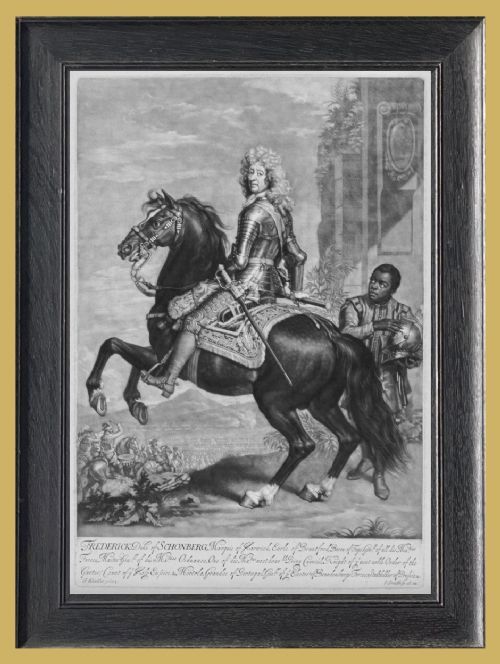
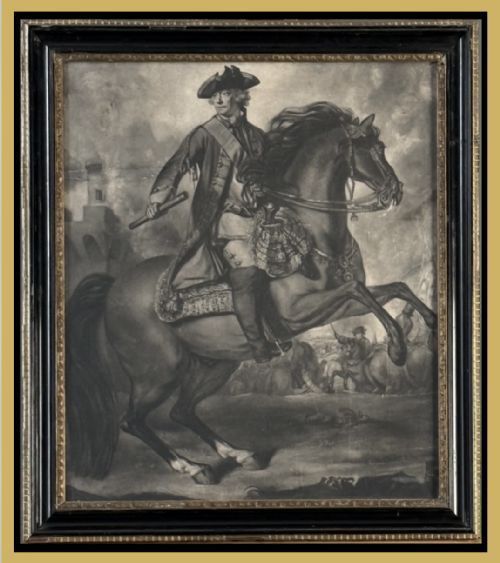
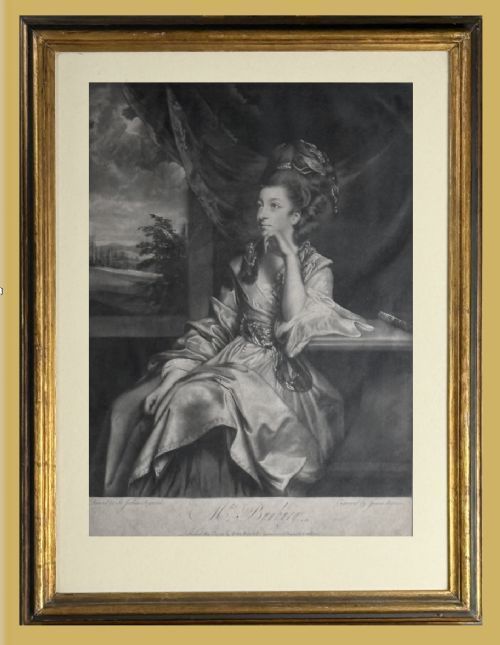
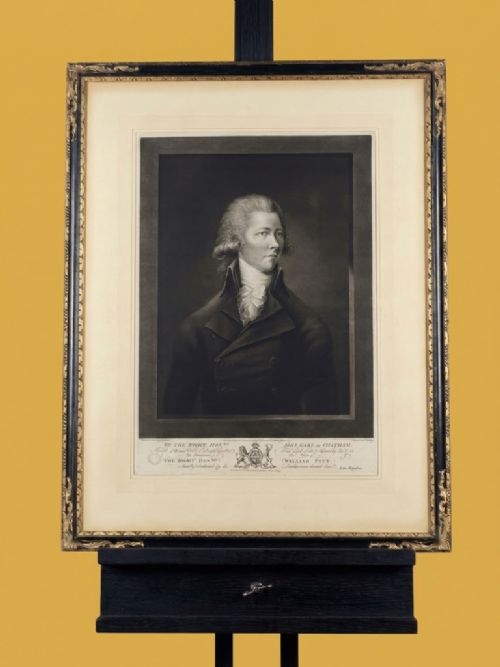
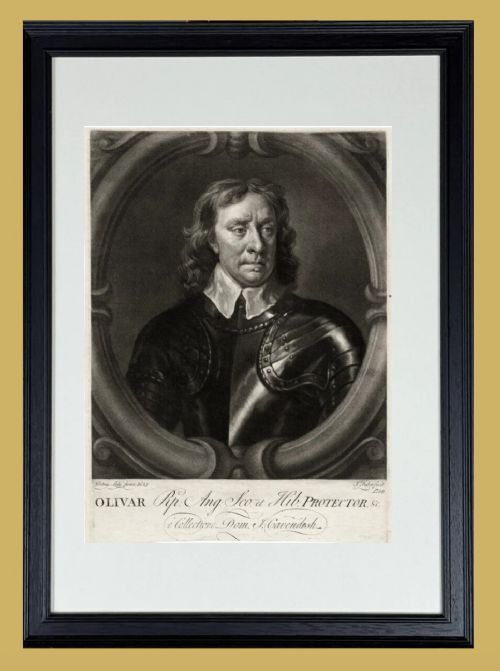
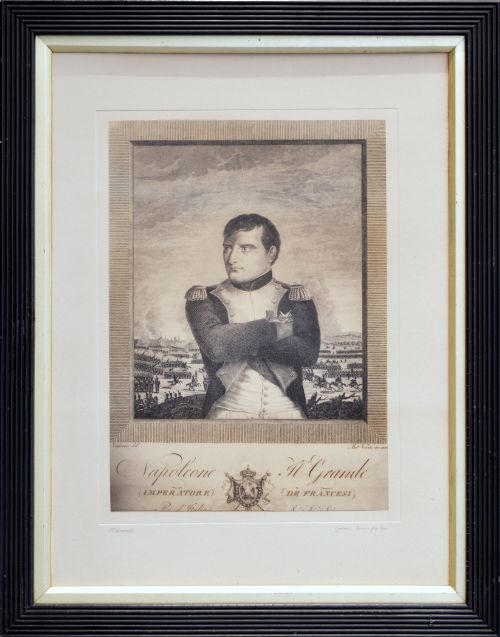
A monochrome portrait engraving offers a direct link to historical likenesses through inked impressions on paper, prized for fine tonal depth.
Monochrome Portrait Engraving
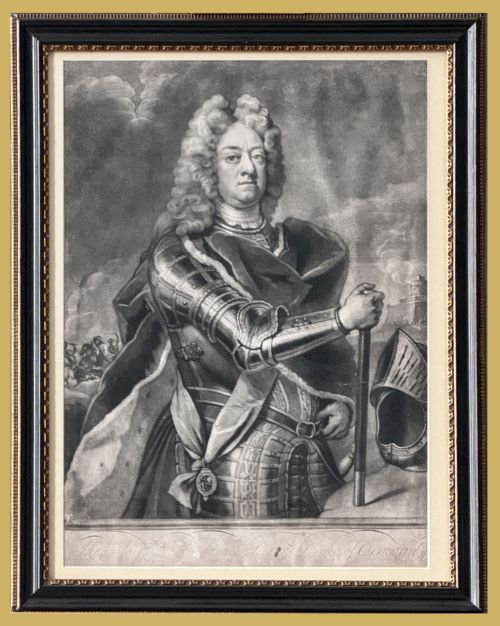
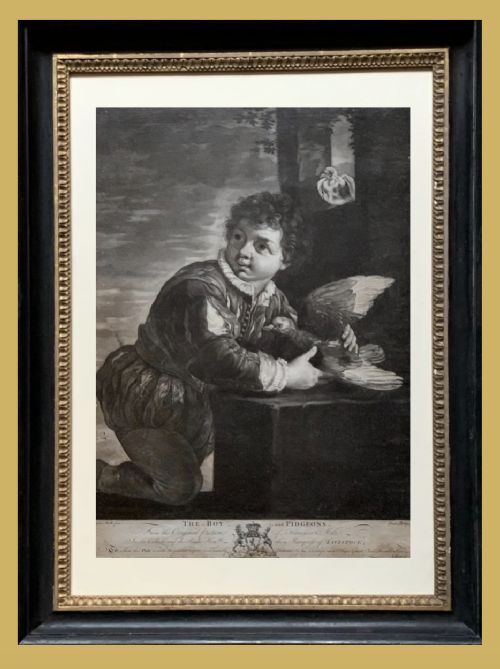
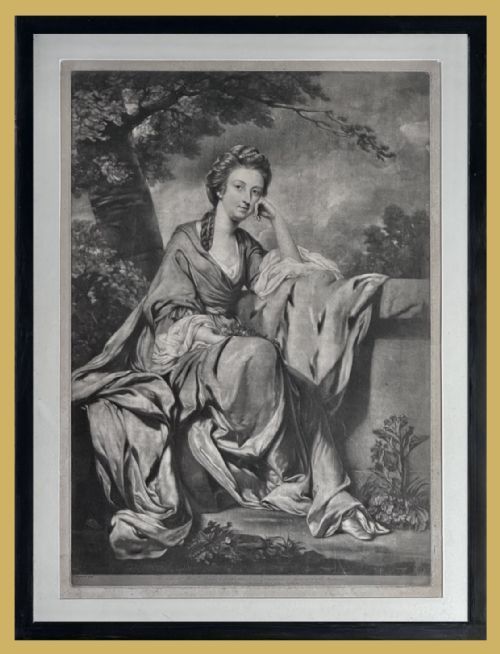
A monochrome portrait engraving captures historical figures and nobility through detailed printed imagery designed for wall display.
Buyers most frequently encounter eighteenth-century and seventeenth-century British and French plates, often framed in wood or gilt.
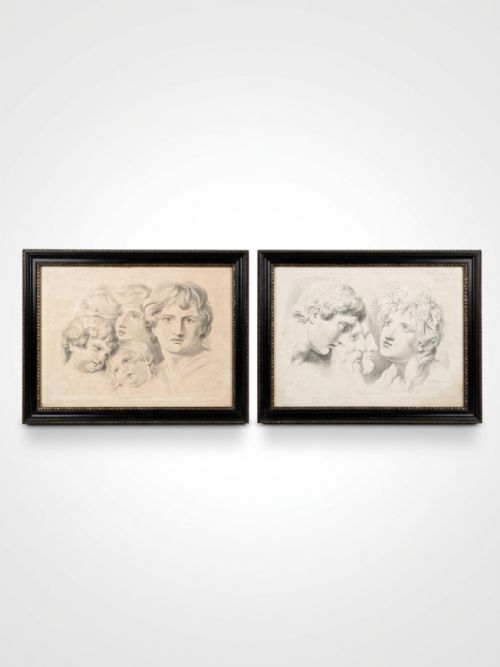
The selection ranges from individual framed prints to pairs and sets depicting monarchs, aristocrats, and artists.
How They Were Made
Craftsmen applied ink to engraved metal plates, pressing the image onto paper using manual printing techniques.
Finished works frequently feature wooden surrounds, sometimes enhanced with gold leaf, ebonised finishes, or glass protection.
Monochrome Portrait Engraving Retail Price Guide 2026
Typical asking prices for monochrome portrait engraving among the pieces listed under this phrase on Sellingantiques today, from the lower quarter to the upper quarter. They describe what is for sale here now, not the wider market.
Several historic sitters share wall space with an original drypoint etching of a young foal.
What Varies in Quality
The clarity of the inked impression depends heavily on the condition of the metal plate during printing.
The historical significance of the sitter and the skill of the translating engraver dictate the standing of the piece.
John Simon·Edward Fisher·John Boydell·James Watson·John Smith·John Faber Jr·Valentine Green·James Macardell
The Monochrome Portrait Engraving Glossary
- Mezzotint
- A printmaking process where the copper plate is roughened to allow rich tonal gradients and dark backgrounds. This method was widely utilised for eighteenth-century portraiture.
- Engraving
- A technique where lines are cut directly into a metal plate with a sharp tool to hold ink. Clean, precise strokes define the resulting image.
- Drypoint
- A printmaking variant where a sharp needle scratches the metal directly, creating a raised burr that holds ink for a velvety line. It yields fewer clear impressions before wearing down.
- Gilt Wood
- Timber framing finished with a thin layer of gold leaf or metallic paint. It provides a traditional decorative border for historic prints.
Monochrome Portrait Engraving: Frequently Asked Questions
What periods do these engravings come from?
The selection spans multiple centuries, with a strong concentration of pieces originating in the seventeenth and eighteenth centuries alongside occasional later works.
Evolving printmaking techniques across these eras created distinct visual styles in portraiture.
How should I frame and display them?
Most pieces arrive ready for wall display in wooden or gilt frames protected by glass. Keep them away from direct sunlight to protect the paper and ink from fading.
Stable indoor humidity levels help preserve both the paper support and the original framing materials.
Who are the subjects depicted?
The portraits portray notable historical figures, including monarchs, aristocrats, military commanders, and cultural icons of their day.
Many plates were executed after paintings by prominent artists such as Sir Joshua Reynolds and Sir Peter Lely.
Are these works original antique prints?
The inventory consists of period printed works created during the active eras of the respective engravers and publishers.
Documentation within titles often references the original painters and the historical publishing dates.