
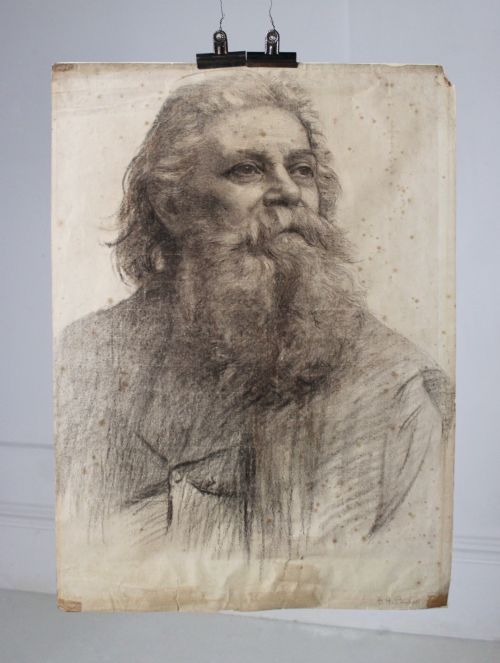
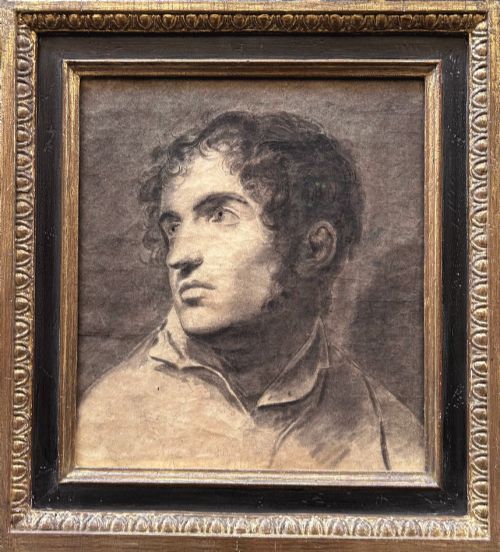
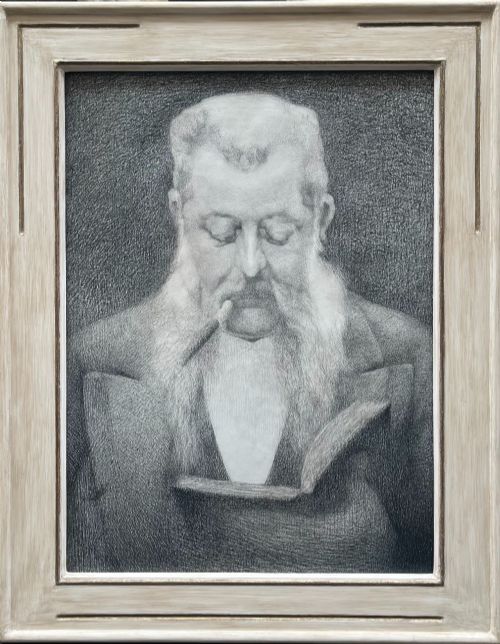
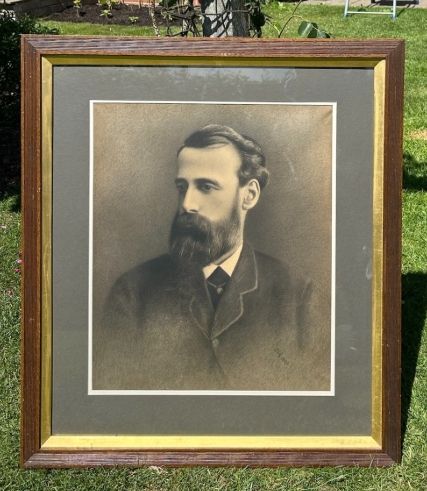


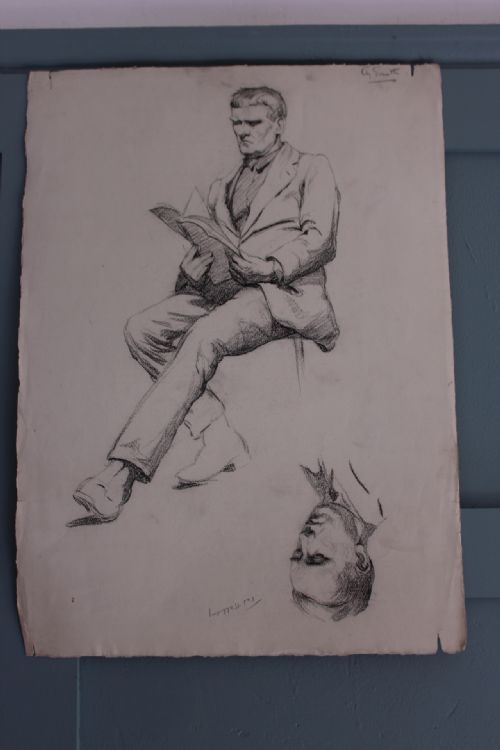

Monochrome Charcoal Portrait
Monochrome charcoal portrait works capture human character through tonal contrast, offering direct contact with past lives.
Monochrome Charcoal Portrait
A monochrome charcoal portrait sits within a wide span of centuries, from the seventeenth century through to the mid-twentieth century. These works appear across several distinct traditions, including Victorian realism, academic studies, French school pieces, and Art Deco sketches.
Most pieces on this page take the form of framed artwork, original drawings, and life studies depicting gentlemen, ladies, artists, and notable figures. The selection ranges from informal studio sketches to finished works by named artists.
Materials and technique
The primary medium involves charcoal applied to paper, often accompanied by graphite, chalk, or pencil to build depth and shadow. Certain pieces utilise pastel on canvas within gilded frames, combining linear precision with softer tonal blending.
Framing materials typically include wood and glass to protect the delicate charcoal surface from smudging and environmental wear. The handling of the medium varies from swift studio gestures to meticulous academic rendering.
Several drawings preserve the quiet concentration of nineteenth-century art students grappling with charcoal dust and stubborn paper.
Judging quality and hand
Quality rests upon the sureness of the draughtsmanship and the artist's ability to capture expression and bone structure using limited tones. A strong piece demonstrates confident handling of shadow and light, whereas weaker examples rely on stiff outlines.
The provenance and attribution to a recognised artist or specific school elevate a piece beyond standard studio exercises. Framing also contributes, particularly period giltwood frames that complement the tonal range of the drawing.
Winifred Eugene Ballard·Ernest Borough Johnson·Francis Dodd·Juliet Pannett
The Monochrome Charcoal Portrait Glossary
- Charcoal
- A dry drawing medium made from organic matter, valued for deep blacks and soft smudging capabilities.
- Life study
- A drawing executed from a live model, often created within an art school or studio setting.
- Gilded frame
- A wooden protective border coated in gold leaf or metallic paint, common in nineteenth-century presentation.
- Academic realism
- A style of painting and drawing produced under the influence of European academies of art, prioritising accurate human anatomy.
Monochrome Charcoal Portrait: Frequently Asked Questions
Are these portraits original works?
The pieces shown are original hand-drawn or painted works on paper and canvas, rather than mechanical reproductions.
Many originate from artist studios, academic life study sessions, or historical portrait commissions.
What periods do these portraits cover?
The selection spans from the seventeenth century through the Victorian and Edwardian eras into the Art Deco and mid-twentieth-century periods.
Nineteenth-century academic studies and early twentieth-century portraits form a substantial part of the available range.
How do I identify the sitter?
Some portraits record the names of historical figures, explorers, actors, and editors directly within the listing details or signatures.
Anonymous sitters appear frequently in studio drawings and life studies where the focus remained purely on artistic execution.