

Monochrome 18th Century Print
A monochrome 18th century print brings historical depth and graphic clarity to a wall through centuries-old ink on paper.
Monochrome 18th Century Print
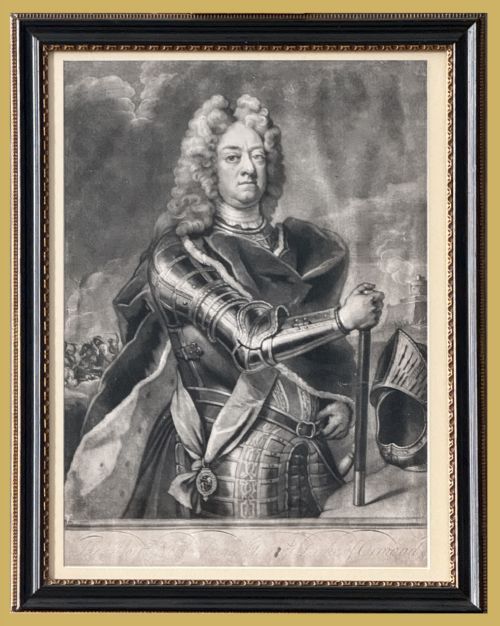
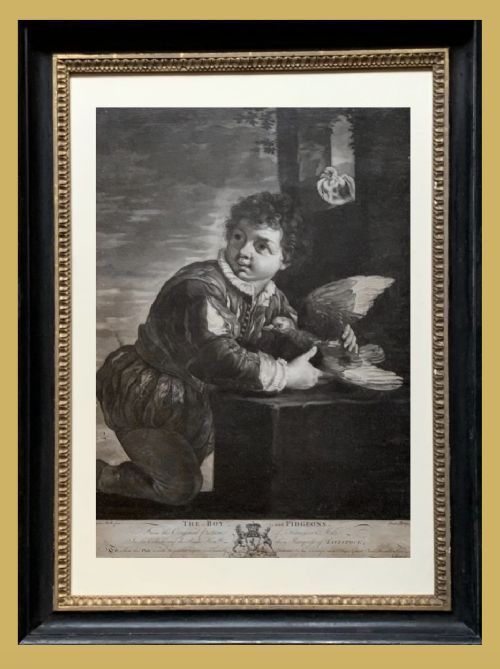
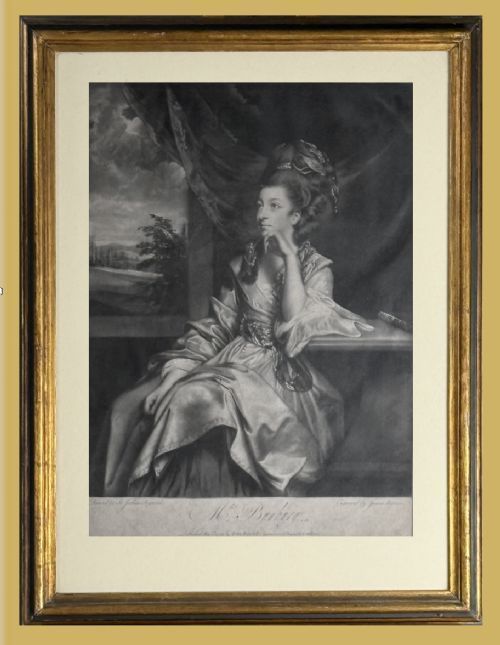
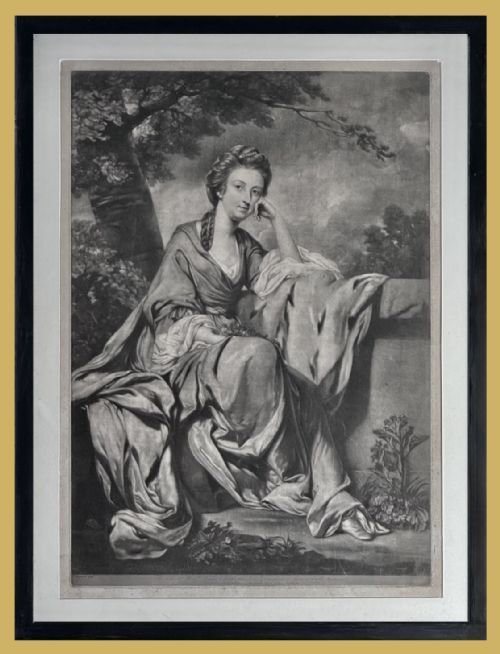
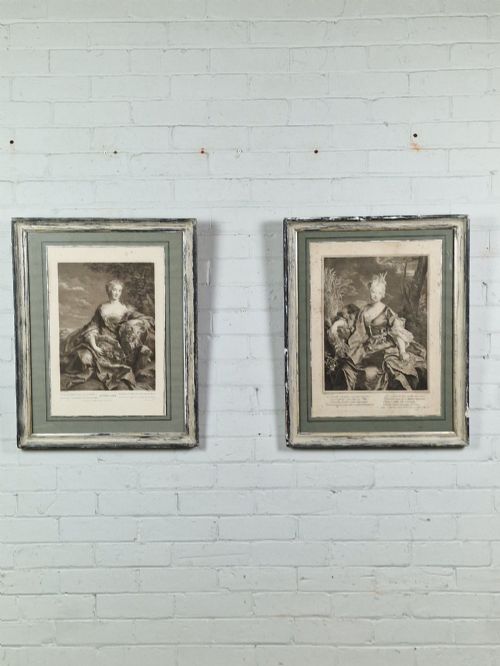
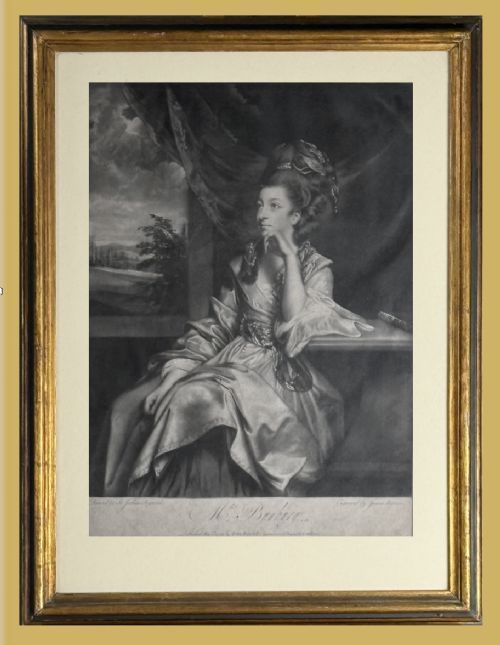
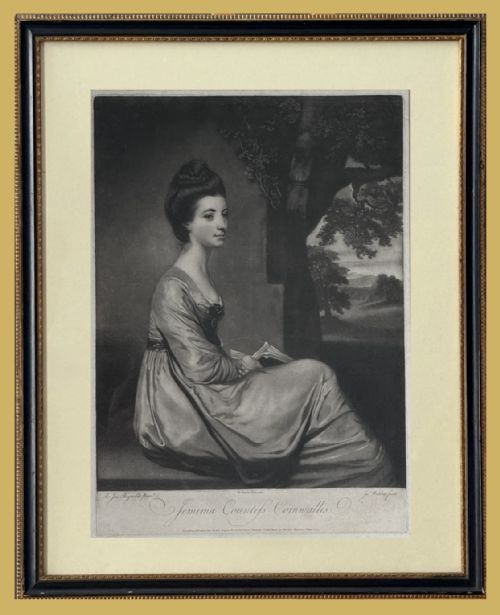
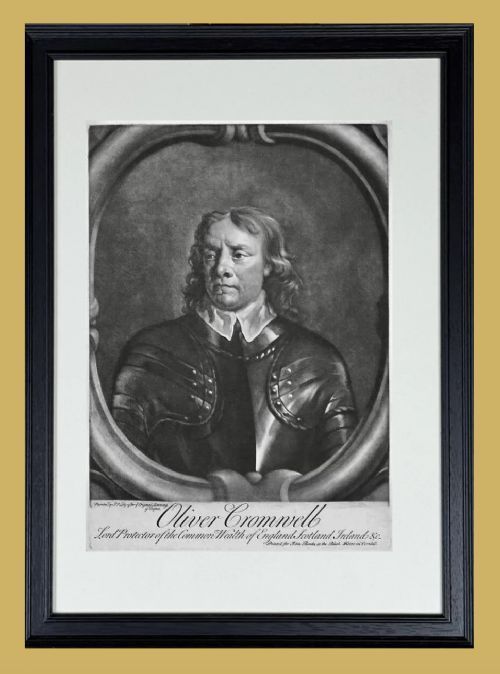
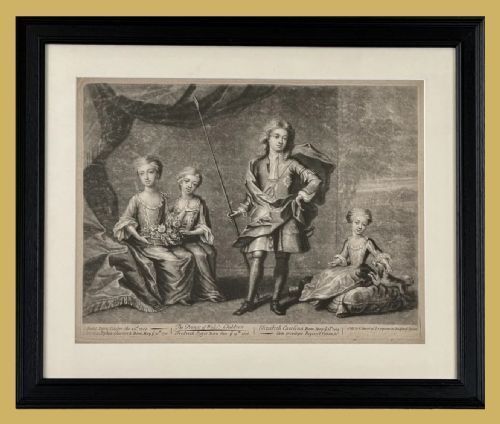
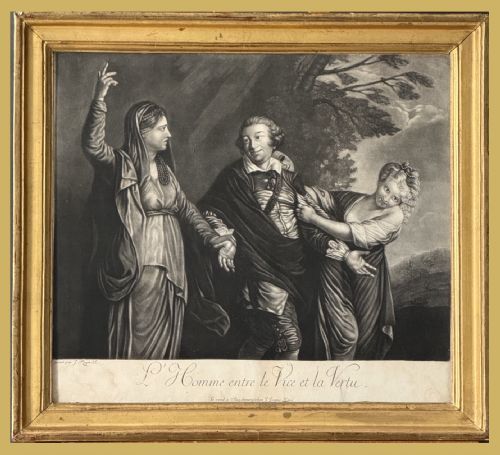
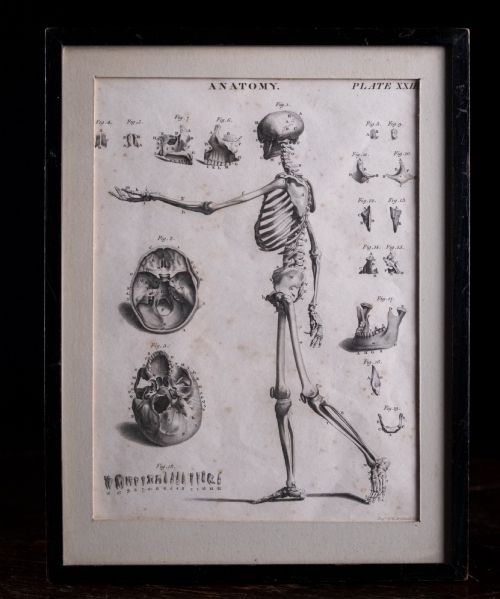
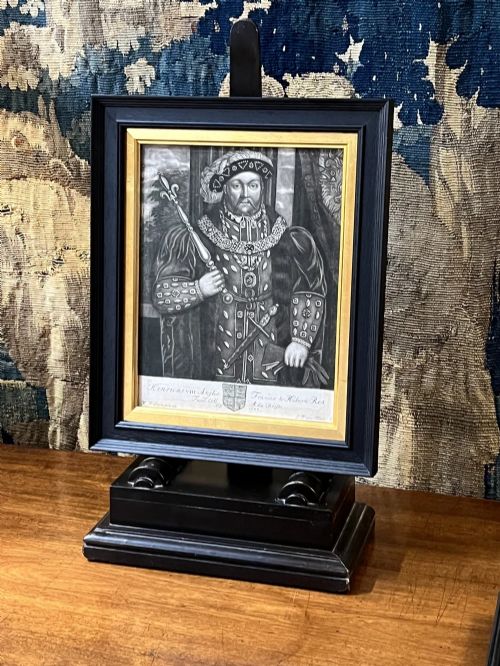
A monochrome 18th century print encompasses copperplate engravings, line engravings, etchings, and mezzotints executed predominantly in black or sepia ink upon paper sheets. These works record portraiture, historical subjects, architectural studies, anatomical charts, satirical social scenes, and geographical maps.
The versions most frequently encountered on this page originate from the Georgian era and the wider eighteenth century, often framed within period wood or giltwood surrounds behind glass. Many examples survive as individual plates, paired compositions, or complete serialized sets.
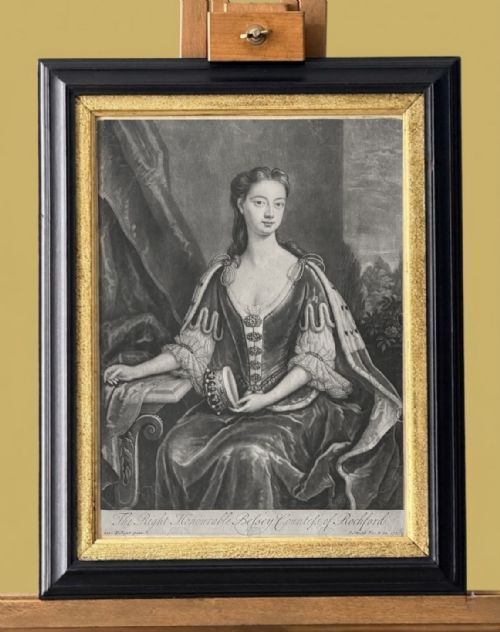
Subjects range from British nobility and royal personages to classical mythology, foreign voyages, and theatrical allegories. These pieces bridge fine art and historical documentation, reflecting the printing technology and portraiture conventions of their period.
How They Were Made
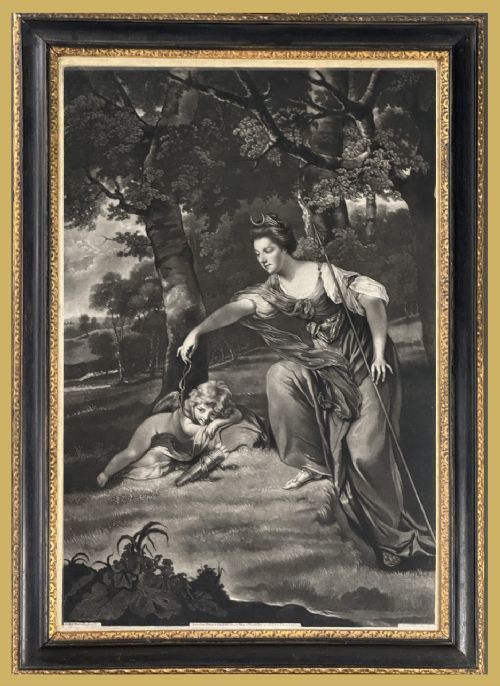
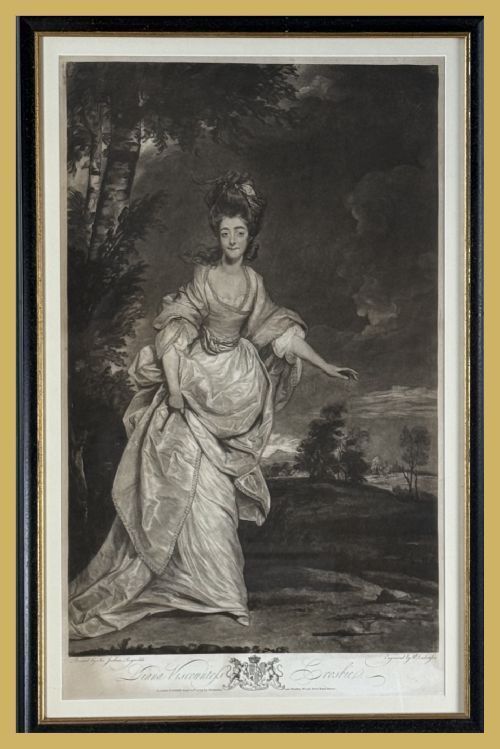
The primary technique relies on intaglio printing, where lines or tonal gradations are cut, etched, or scraped into copper plates before ink is pressed into the recesses and transferred to paper under pressure. Mezzotints required the copper plate to be roughened uniformly to hold ink for rich dark tones, while lighter areas were scraped smooth.
Artists often worked collaboratively, with an original painter providing the composition while a specialist engraver translated the image onto the metal plate. The resulting impressions were printed on rag paper using hand-operated rolling presses, occasionally receiving later hand-colouring or mounting within protective frames.
Listings feature paper, glass, wood, ink, and giltwood materials across Georgian, Neoclassical, and Baroque styles.
What Varies in Quality
Quality depends heavily on the clarity of the impression and the wear sustained by the copper plate during the printing process. Early impressions exhibit sharp lines, deep velvety darks in mezzotints, and crisp lettering, whereas later strikes show softened details and faint or muddy tones.
The prestige of the original painter, the skill of the printmaker, and the survival of the print in its original frame or mount influence the standing of an individual piece. Complete sets and unblemished margins further distinguish superior examples from trimmed or heavily restored sheets.
John Simon·John Boydell·James Watson·Edward Fisher·John Smith·John Bowles·W Dickinson·Andrew Bell·John Faber Snr·Purcell·Thomas Frye·Richard Purcell·James Heath·Thomas Watson·Lord George Anson·Valentine Green·Maria Hadfield Cosway·James Macardell·Francis Cotes·Jacobus Houbraken·Richard Houston·James Ward·John Hoppner·William Hogarth·Francesco Piranesi
The Monochrome 18th Century Print Glossary
- Mezzotint
- A printmaking process where a copper plate is roughened with a rocker to produce rich tonal gradations and dark backgrounds. Scraped areas create lighter highlights, making this method popular for translating oil paintings into monochrome prints.
- Engraving
- A technique where lines are incised directly into a metal plate using a sharp tool called a burin. The resulting prints are valued for their precise, clean lines and durability during long print runs.
- Etching
- A method where acid is applied to bite lines into a metal plate through a protective wax ground. This process allowed printmakers greater freedom of line compared to direct mechanical cutting.
- Copperplate
- A flat sheet of copper used by printmakers to hold the engraved or etched design. Soft metal plates wore down over time, limiting the number of sharp impressions that could be pulled.
- Intaglio
- A printing family where ink sits below the surface of the plate in grooves or textured areas. Pressure forces the damp paper into these recesses to lift the ink during printing.
Monochrome 18th Century Print: Frequently Asked Questions
How should I frame an antique print?
Protect the paper by using acid-free mounts and UV-filtering glass to prevent fading and chemical damage over time. Keep the glazed artwork away from direct sunlight and damp environments to preserve the paper and ink.
Retain original period frames whenever possible, as they add historical context and complement the aesthetic of the artwork.
What is the difference between an etching and an engraving?
An engraving is cut directly into metal using a sharp tool, resulting in precise and rigid lines. An etching uses acid to bite the lines into a plate covered with a protective ground, producing a freer and more fluid stroke.
Both methods fall under the intaglio printing family used extensively throughout the eighteenth century.
Are these prints originals from the eighteenth century?
The listings on this page originate from the periods stated, primarily the eighteenth century, created using traditional copperplate techniques of that era. Contemporary impressions from later centuries are distinct in paper quality and plate wear.
Examine the paper texture, watermark evidence, and plate marks to understand the age and printing history of a sheet.
Why are many 18th century prints monochrome?
Printing technology of the period relied primarily on black or brown inks applied to etched or engraved metal plates. Colour printing required complex multi-plate registration or tedious hand-colouring by artists in the workshop.
Monochrome prints achieved remarkable tonal depth and shadow through sophisticated engraving and mezzotint techniques without needing colour.