



Historical Copperplate Etching
Historical copperplate etching brings detailed historical portraits and classical scenes into a room through ink on paper held behind glass within timber frames.
Historical Copperplate Etching
When a buyer searches for historical copperplate etching, they encounter framed prints and wall art spanning the seventeenth, eighteenth, and nineteenth centuries. The pieces on this page lean heavily towards eighteenth-century European works, alongside seventeenth-century British portraits and nineteenth-century English scenes.
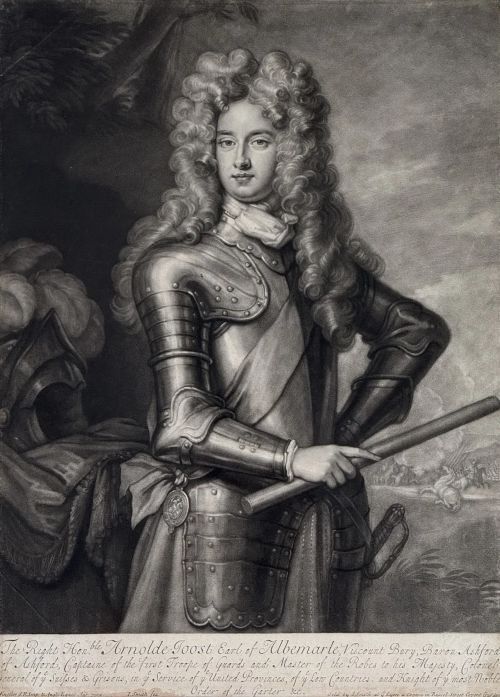
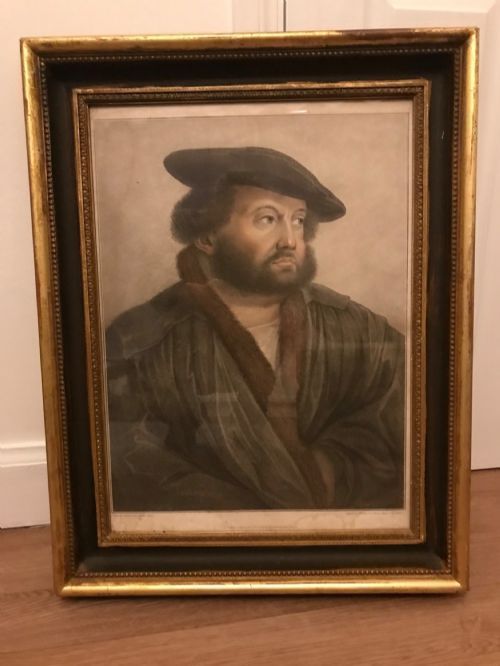
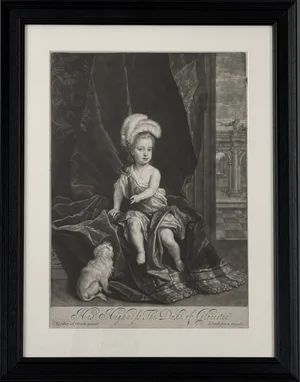
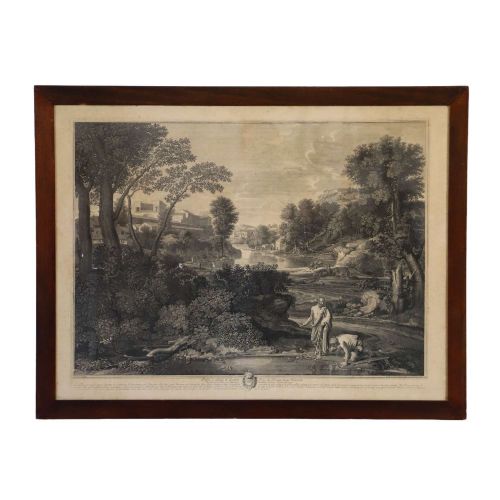
Subjects range from classical figures and architectural antiquities of Athens to portraits of historical subjects like William Pendrill and William Duke of Gloucester. Buyers will find these works housed in period enclosures such as original Hogarth frames and gilt wood surrounds.
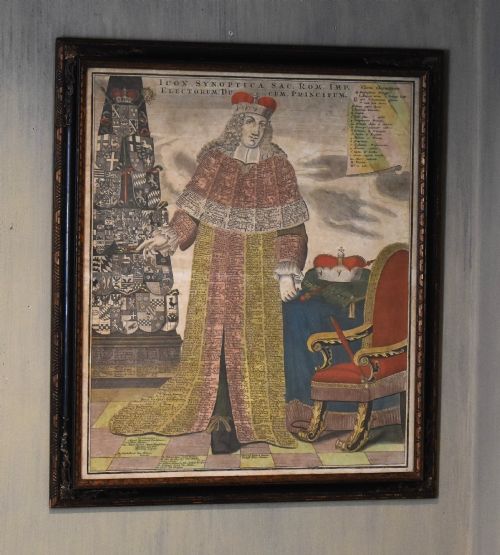
The selection reflects diverse stylistic movements, taking in Baroque, French Classical, Georgian Neoclassical, and Victorian aesthetics. These visual records provide a direct link to past portraiture and topographical documentation.
Materials and construction methods
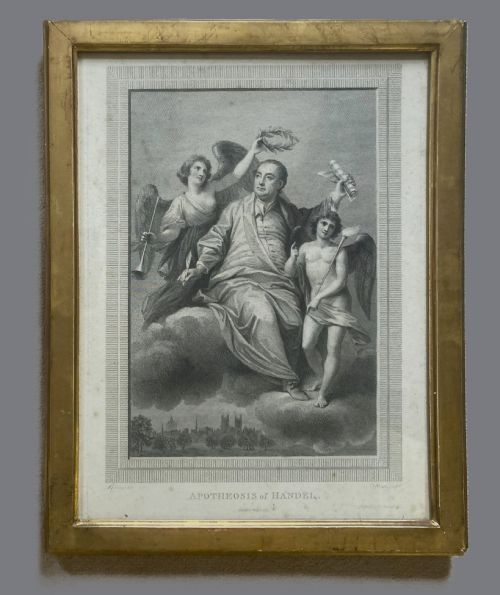
The physical objects rely upon ink transferred from metal plates onto paper sheets, which are then mounted behind glass for protection. Timber frames, including gilt wood and original Hogarth designs, often incorporate gold leaf details.
The making process involves skilled printmakers using intaglio techniques to incise designs into plates before pulling impressions on paper. These sheets are subsequently paired with period framing materials that define their exterior presentation.
Materials documented across the available inventory include paper, ink, glass, timber, gold leaf, and gilt wood.
Distinctions in quality and preservation
Quality separates through the crispness of the ink lines on paper and the preservation of the original framing, such as untouched Hogarth moulding or gilt wood surrounds. The skill of the engraver, such as Francesco Bartolozzi or James Basire, elevates the artistic merit.
Condition rests heavily on how well the paper has survived without excessive discolouration or damage behind the glass. The historical significance of the subject matter, from architectural antiquities to named portraits, further influences the standing of each piece.
Francesco Bartolozzi·James Heath·John Smith·Étienne Baudet·W. Roffe·Edward Rooker·James Basire
The Historical Copperplate Etching Glossary
- Engraving
- A printmaking technique where an artist cuts lines directly into a metal plate to hold ink. This method produces sharp, clear details on paper.
- Mezzotint
- A tonal printmaking method allowing smooth gradations of dark and light. This process creates atmospheric portraits with rich shadow depths.
- Stipple
- A method of engraving using dots rather than continuous lines to build form. This technique yields gentle tonal transitions particularly suited to portraiture.
- Hogarth frame
- A style of narrow timber picture frame with a distinct profile, popular in the eighteenth century. These frames frequently accompany period prints.
- Gilt wood
- Timber treated with a thin layer of gold leaf on its surface. This finish adds brightness and formal structure to the framing.
Historical Copperplate Etching: Frequently Asked Questions
How should I hang historical copperplate etching?
Keep these framed works away from direct sunlight to protect the paper and ink from fading over time. Maintain stable room humidity levels to safeguard both the paper and the timber frames.
Ensure secure wall fixings are used, particularly for heavier pieces featuring wood and glass construction. Position them at eye level to properly appreciate the fine engraved details.
Are these frames original?
Many listings specify original enclosures, such as Hogarth frames or gilt wood surrounds that match the period of the print. These housings contribute to the historical integrity of the object.
Inspect the joinery and surface finish of the timber to understand its age. Original mountings often show honest signs of past handling that correspond with the century of creation.
What subjects appear most often?
The selection includes classical portraits of political figures, literary subjects, and historical personages. Architectural studies, such as the antiquities of Athens, also feature prominently.
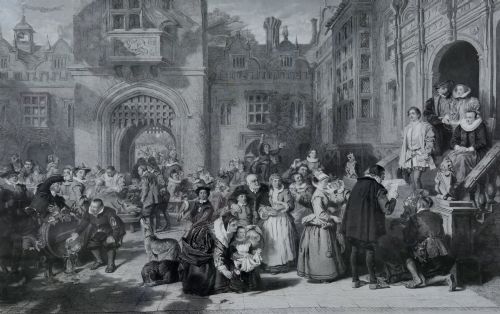
Allegorical scenes and interior courtyard views provide variety beyond simple portraiture. These diverse motifs reflect the visual interests of seventeenth, eighteenth, and nineteenth-century collectors.
How do I identify the century of a print?
Look to the style of the engraving work, the typography used in any lettering, and the characteristics of the framing materials. Seventeenth-century pieces often display heavier tonal contrasts, while eighteenth-century works frequently employ refined stipple or line techniques.
Documentation within the title or accompanying text usually confirms the historical period. Comparing the subject's costume and the artistic style offers further clues to the date of creation.