





Classical Allegory Wall Art
Classical allegory wall art brings mythological figures, deities and symbolic narratives onto the wall in oil, watercolour and print.
Classical Allegory Wall Art
Classical allegory wall art encompasses oil paintings, watercolours, engravings and lithographs depicting mythological scenes, Roman goddesses, deities and symbolic figures. These works draw heavily upon classical themes and stories, spanning the seventeenth, eighteenth and nineteenth centuries.
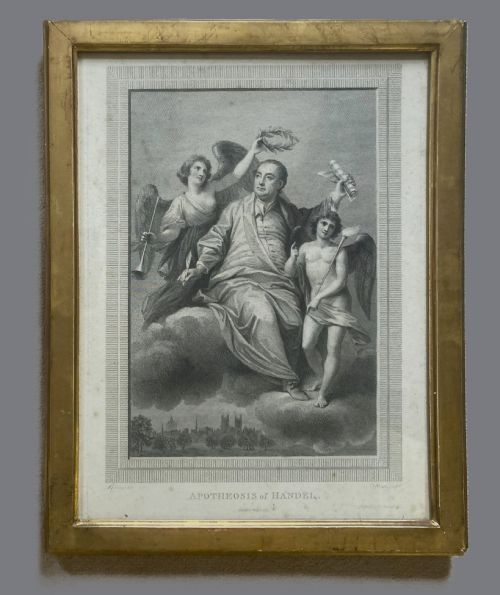
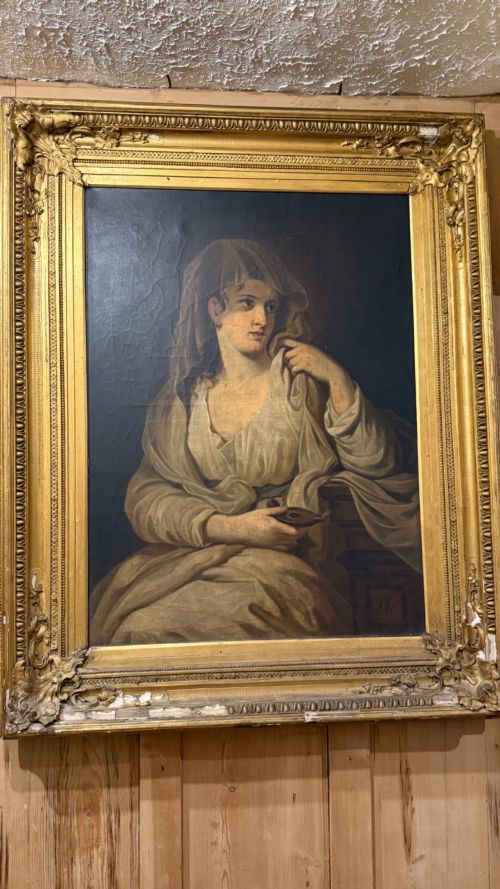
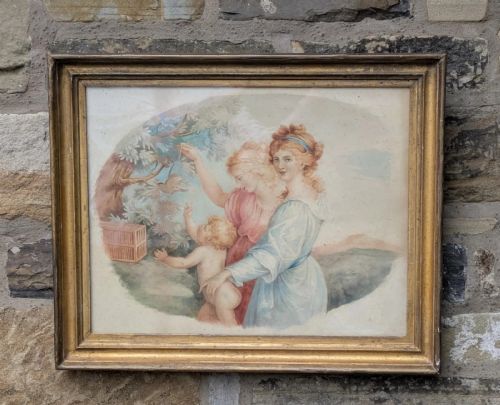
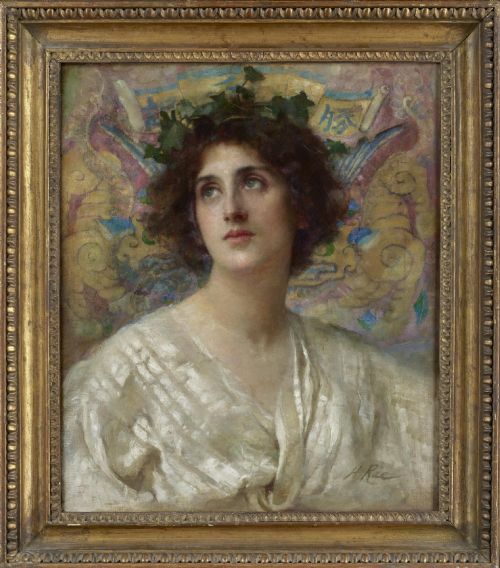
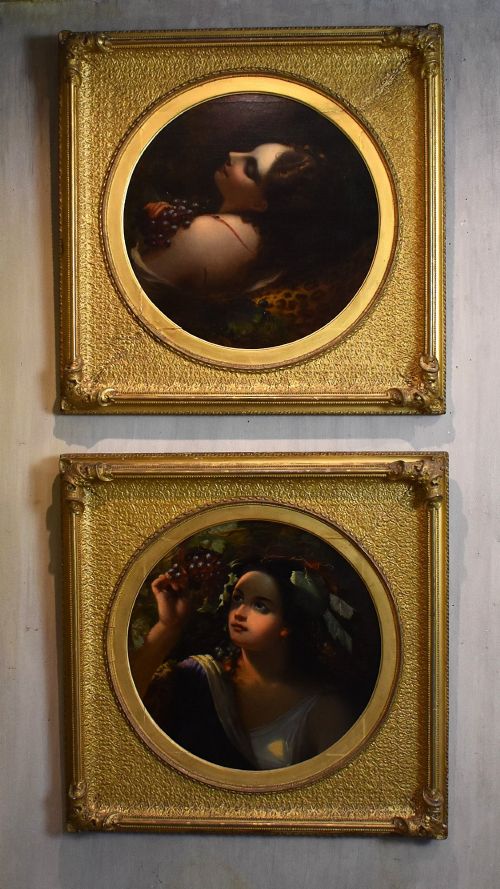
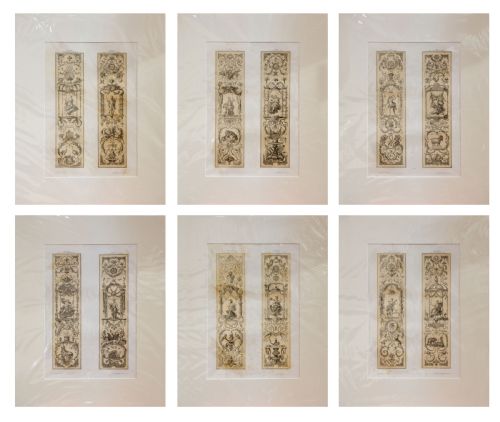
The versions most frequently met on this page range from nineteenth century framed oil paintings and continental school mythical works to eighteenth century engravings and chromolithographs. Forms include individual framed canvases, fine art prints and pairs of paintings depicting figures such as Diana, Flora and mythological nymphs.
Makers and artists represented across the centuries include Sir Peter Lely, James Heath, Biaggio Rebecca, Theodore Jensen, Eduard Veith and Nathaniel Hone. Styles stretch from Baroque and Renaissance Revival through Georgian Neoclassical to Victorian Classicism and Art Nouveau.
How they were made
Works in this category rely primarily on oil paint applied to canvas or wood panels, alongside watercolours and ink on paper. Artists built up complex figurative compositions using traditional mediums that defined European academic painting over several centuries.
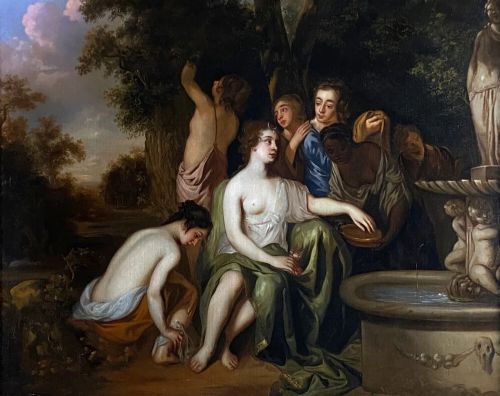
Even mythological nymphs need a bath, as Diana proves on canvas.
What varies in quality
Quality in these works rests upon the precision of the draughtsmanship, the handling of figurative anatomy and the expressive depth of the mythological subject matter. Original hand-painted oil works by identified continental or British hands demonstrate greater nuance than mass-produced decorative prints.
The integrity of the physical medium and the presence of a matching period frame significantly influence the standing of a piece. Works retaining their original giltwood framing and untouched surfaces hold stronger material authenticity.
Sir Peter Lely·James Heath·Biaggio Rebecca·Theodore Jensen·Eduard Veith·Nathaniel Hone
The Classical Allegory Wall Art Glossary
- Oil on Canvas
- Pigments bound in a drying oil applied to a woven canvas support. This method allowed artists to achieve rich tonal gradations in large scale allegorical scenes.
- Chromolithograph
- A multicolour planographic printing technique used to reproduce colour images. Popular in the late nineteenth and early twentieth centuries, it brought vibrant hues to classical prints.
- Engraving
- An intaglio printmaking process where an artist cuts lines into a metal plate to hold ink. This technique produced sharp, highly detailed monochrome prints of classical subjects.
- Giltwood
- Wood carved and coated with gold leaf or a gold-coloured metallic finish. It frequently frames antique paintings and prints from the seventeenth to the nineteenth centuries.
- Neoclassical
- A Western cultural movement drawing inspiration from the art and culture of classical antiquity. It prioritised proportion, restraint and mythological narrative.
Classical Allegory Wall Art: Frequently Asked Questions
What is classical allegory wall art?
Classical allegory wall art consists of historical paintings, prints and watercolours that portray mythological narratives, Roman deities and symbolic human figures. These pieces reflect enduring European interest in classical literature and antiquity.
They serve as decorative and intellectual focal points within a room, translating complex philosophical or mythological ideas into visual compositions.
How were these artworks displayed?
Historically, these works were hung in formal reception rooms, libraries and galleries to demonstrate the owner's classical learning and refined taste. They were typically set within ornate giltwood or timber frames designed to complement the interior architecture.
Today, they function similarly in domestic interiors, anchoring traditional or eclectic gallery walls with narrative depth.
How do I live with antique oil paintings?
Antique oil paintings on canvas require stable environmental conditions away from direct sunlight and excessive humidity. Protecting the surface from sudden temperature changes preserves both the canvas and the underlying paint layers.
Displaying them on interior walls where light levels are controlled ensures the longevity of the pigments and the original frame.
How do I tell nineteenth century pieces apart from eighteenth century works?
Eighteenth century pieces frequently exhibit the lighter palette and theatrical grace of Georgian Neoclassical or Baroque design, often executed through detailed engravings or restrained portraiture. Nineteenth century works tend toward heavier romanticism, academic realism and Victorian classicism.
Examining the paper substrate, canvas preparation and frame construction provides further physical clues to the correct period.