






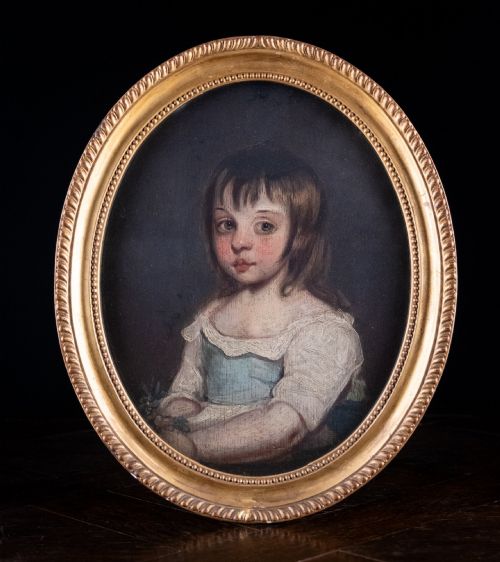
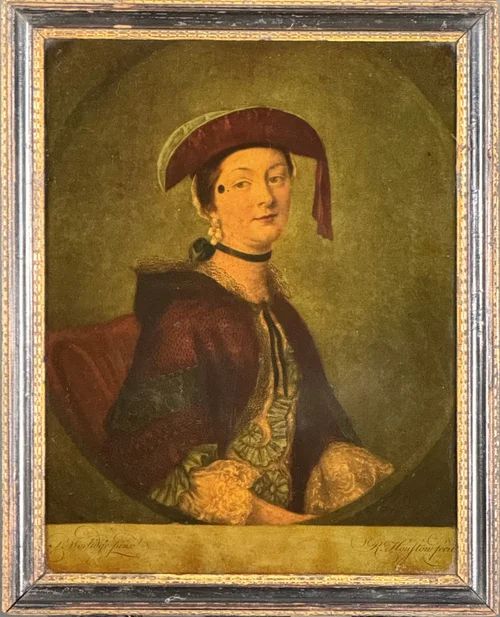
Georgian Gilt Framed Artwork
Georgian gilt framed artwork brings together historic portraiture, delicate watercolours, and fine engravings housed within ornate gilded surrounds.
Georgian Gilt Framed Artwork
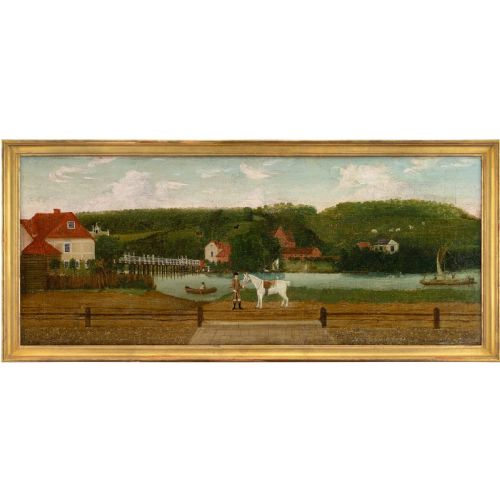
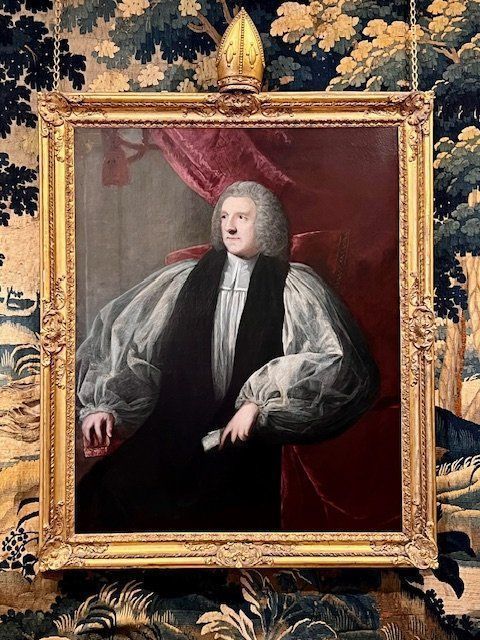
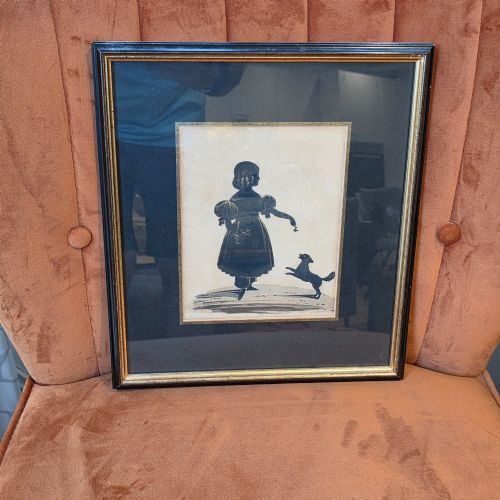
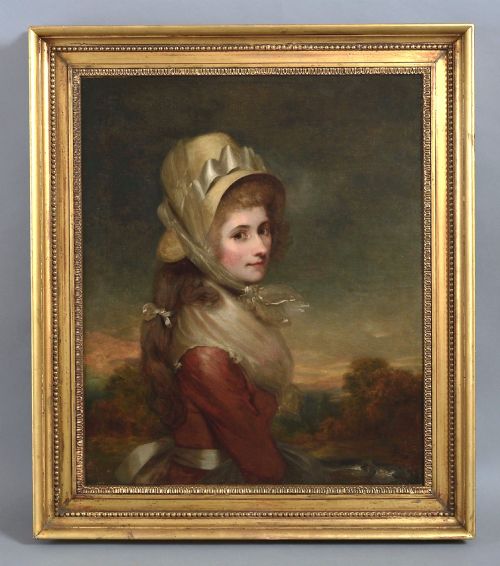
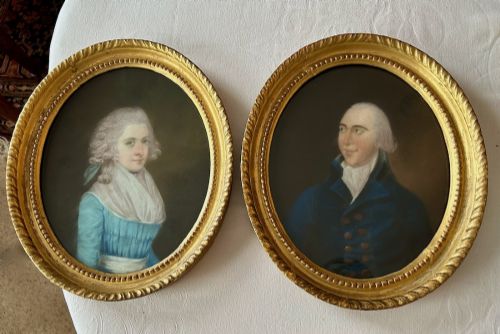
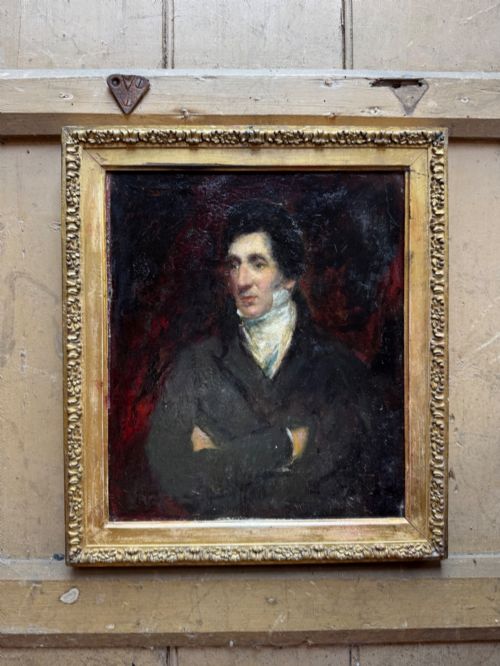
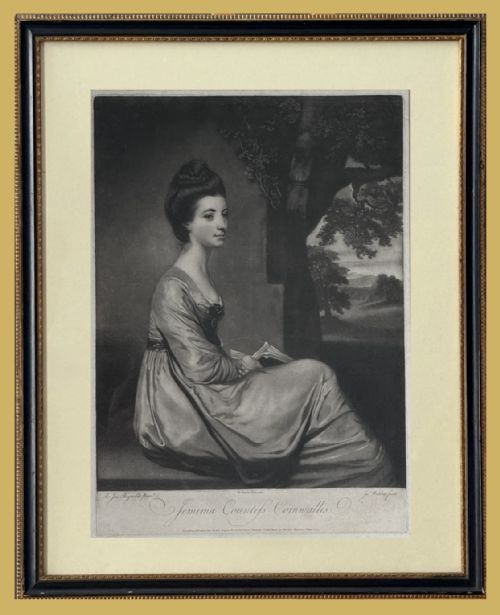
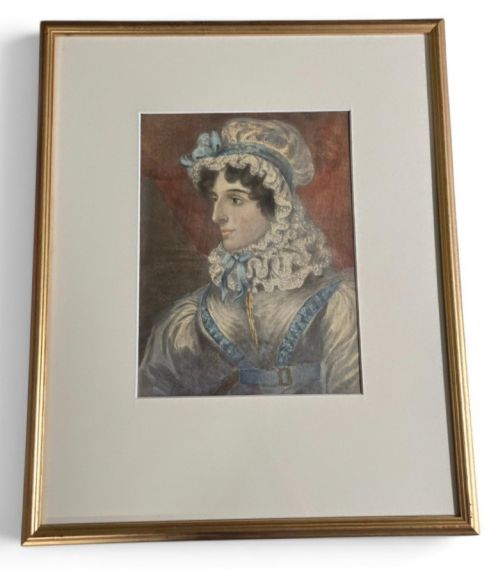
When searching for georgian gilt framed artwork, buyers encounter a diverse selection of portraiture, watercolours, and engravings spanning the eighteenth and nineteenth centuries. The listings frequently feature oil paintings on canvas and panel alongside pastel works, silhouettes, and mezzotints.
Most items represent notable individuals, domestic scenes, or classical subjects captured through the lens of Georgian, Regency, and Neoclassical aesthetics. These visual pieces retain their original or period-appropriate gilded wood frames, adding significant decorative presence to an interior space.
The selection extends from intimate cut paper silhouettes to large oil paintings attributed to prominent studios and followers of master portraitists. Collectors specifically seek these framed works to introduce period character and historic depth into traditional rooms.
How they were made
The physical construction of georgian gilt framed artwork relies on traditional craftsmanship involving wood, gesso, and gold leaf applied to support structures. Artisans carved intricate mouldings from timber before layering fine gold leaf to achieve a brilliant reflective surface around the central image.
The artworks themselves utilise varied media recorded in the evidence, including oil on canvas or panel, watercolour on paper, woven silk, and ink. Engravings and mezzotints demonstrate specialised printing techniques of the era, often enhanced with hand-applied pigments or reverse painting methods.
Listings demonstrate a strong prevalence of eighteenth and nineteenth-century portraiture executed in oil, watercolour, and pastel.
What varies in quality
The distinction between tiers of georgian gilt framed artwork rests upon the skill of the execution and the historical significance of the subject or maker. Works originating directly from established painters or recognised studios display superior draughtsmanship and nuanced handling of light compared to generic student copies.
Frame construction also dictates the overall standard, where hand-carved giltwood mouldings with deep relief ornamentation command greater appreciation than simpler later replacements. The preservation state of both the delicate frame and the underlying paper, canvas, or panel ultimately determines the desirability of the piece.
Sir Joshua Reynolds·William James Hubard·Jean Baptiste Van Loo·Joseph Clover·James Watson
The Georgian Gilt Framed Artwork Glossary
- Giltwood
- Wood that has been coated with a thin layer of gold leaf or gold dust. This technique provided furniture and picture frames with a luxurious, durable metallic finish.
- Mezzotint
- A printmaking process of the intaglio family where the plate is roughened to produce dark tones and scraped to create light areas. It became especially popular for reproducing portraits during the eighteenth century.
- Stipple engraving
- A method of creating prints by dotting the design onto a copper plate rather than using continuous lines. This technique produced soft tonal gradations well suited to flesh and fabric.
- Neoclassical
- A Western cultural movement drawing inspiration from the classical art and culture of ancient Greece and Rome. The style emphasises restrained grandeur, symmetry, and classical motifs.
- Panel
- A rigid support surface for paintings, typically made of wood rather than stretched canvas. Wooden panels were common in earlier portraiture before canvas became the dominant medium.
Georgian Gilt Framed Artwork: Frequently Asked Questions
What is georgian gilt framed artwork?
Georgian gilt framed artwork encompasses paintings, prints, and drawings created during the eighteenth and early nineteenth centuries, encased in decorative gilded wooden frames. These pieces often feature portraits of historical figures or classical subjects reflecting the artistic tastes of the period.
The category bridges fine art and decorative history, offering buyers a direct link to the visual culture of the Georgian and Regency eras.
How do I date these pieces?
Dating georgian gilt framed artwork involves examining the painting style, costume details of any portrayed subjects, and the construction methods of the frame. Material choices such as wooden panels versus later canvas supports also provide clues to the period of creation.
Furthermore, inscriptions, artist signatures, or archival labels attached to the reverse often supply definitive dates or attribution to specific makers and schools.
Where were these artworks displayed?
Historically, georgian gilt framed artwork hung within the formal drawing rooms, libraries, and galleries of country houses and urban townhouses. Portraits of ancestors and prominent public figures served to project lineage, social standing, and cultural education to visitors.
Smaller watercolours and silhouettes were frequently kept in more intimate private chambers or passed down as family mementos.
How should I care for gilt frames?
Maintaining antique gilt frames requires gentle dusting with a soft, dry brush to prevent the accumulation of dirt without disturbing the fragile gold leaf surface. Moisture and chemical cleaning agents must be strictly avoided to protect the underlying gesso and wood.
Placement away from direct sunlight and fluctuating humidity ensures the preservation of both the artwork and its gilded surround over time.