

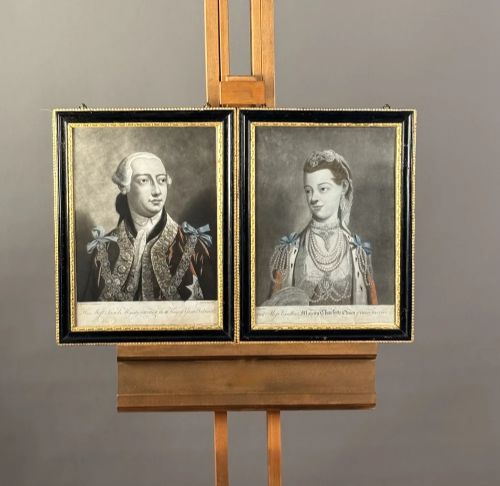
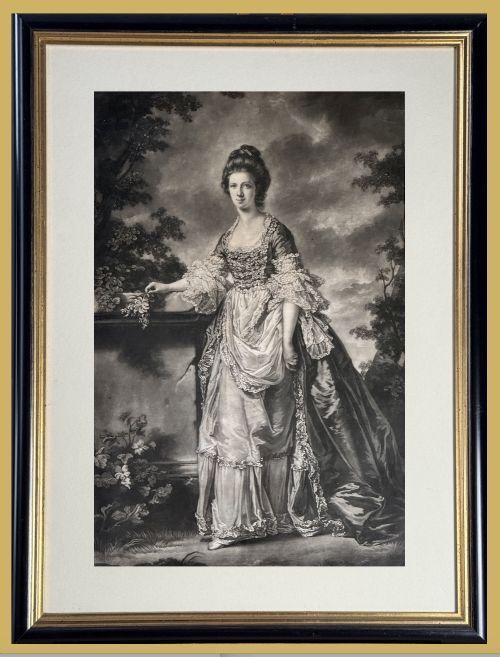
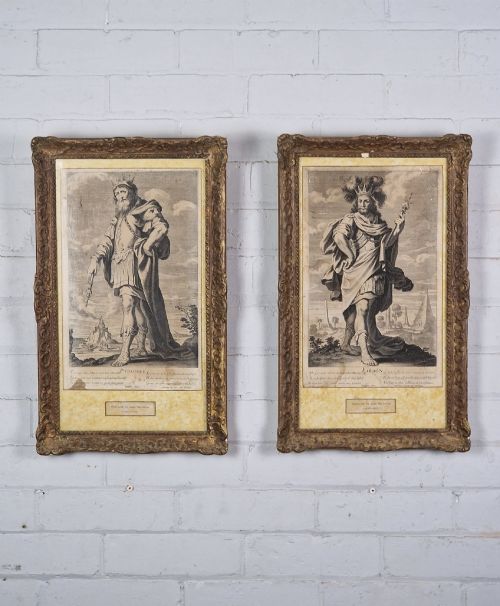
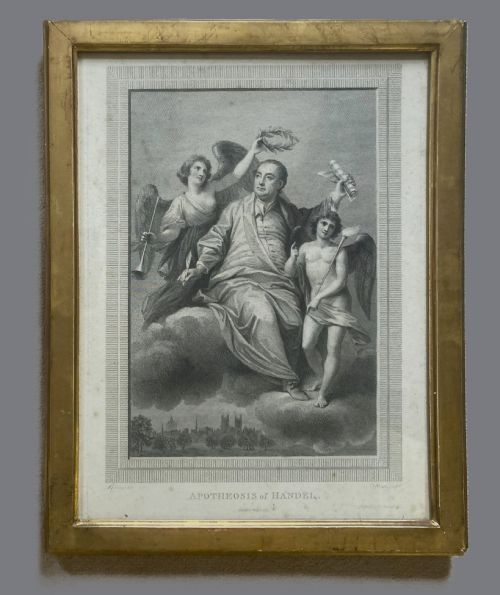
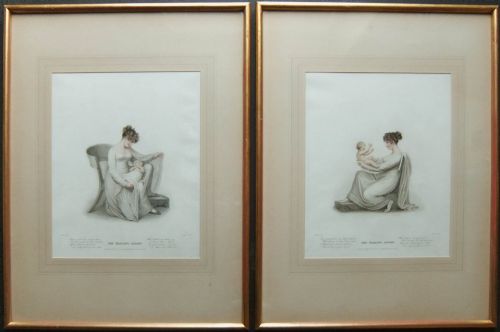
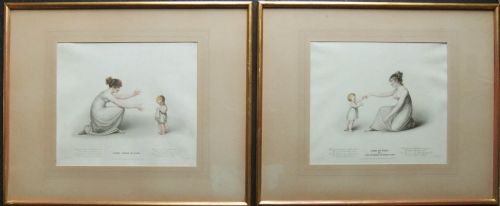

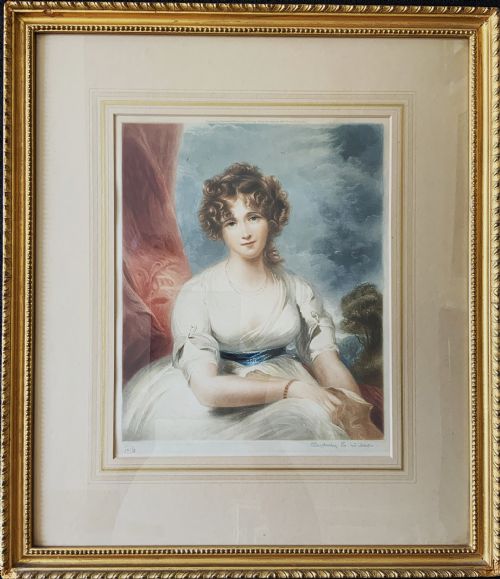


Gold Framed Portrait Engraving
A gold framed portrait engraving brings historical likenesses to interior spaces through ink on paper held by gilded timber.
Gold Framed Portrait Engraving
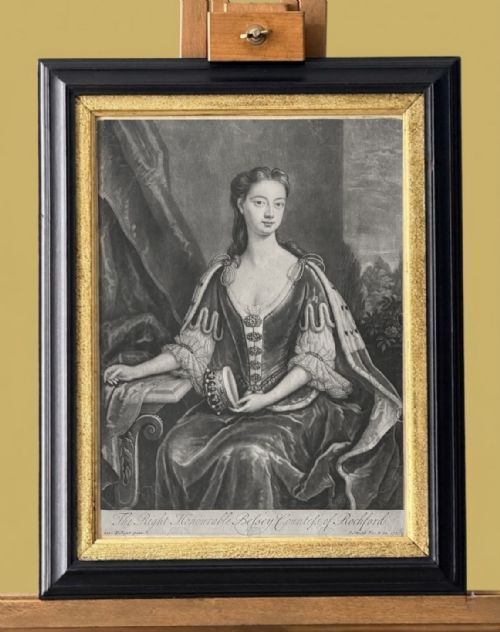
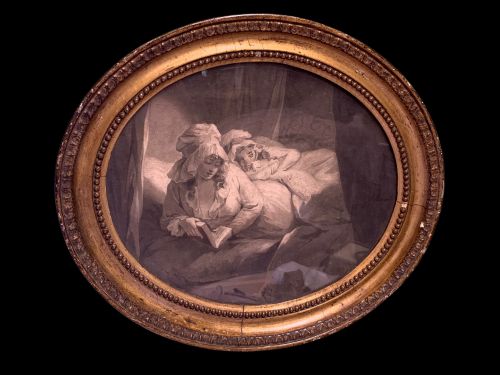
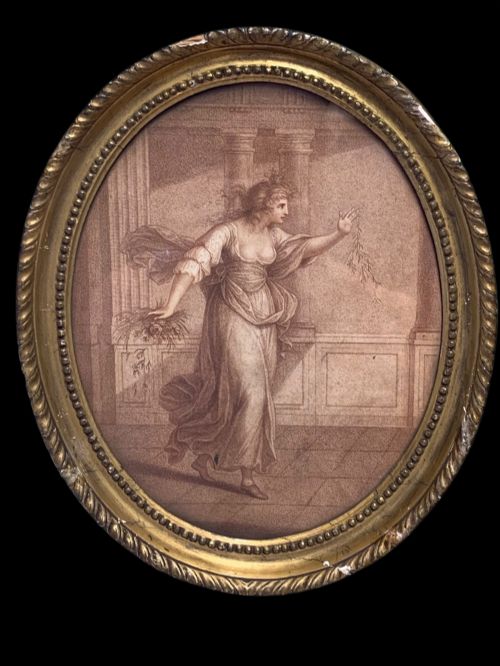
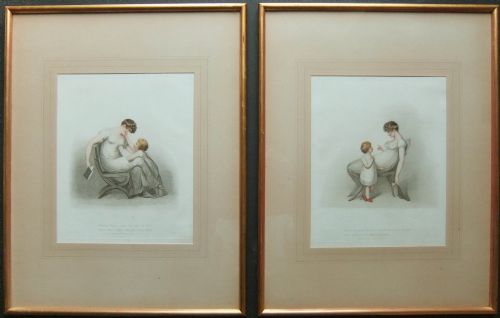
A gold framed portrait engraving captures historical figures, ladies, politicians, and actors rendered in ink upon paper and secured within gilded frames. These works span the eighteenth century, the Regency era, the Victorian period, and the Edwardian years.
The version most commonly met on this page is the single portrait or pair of prints, often created using stipple or mezzotint techniques after notable artists. Period frames employing giltwood and gold leaf frequently accompany these paper artworks.
What varies in quality
The preservation of the paper and the integrity of the period gilt frame determine the overall desirability of the piece. Original matching frames enhance the historical coherence of the artwork.
Period styles represented feature Regency, Victorian, Georgian Neoclassical, French Baroque, and Georgian Revival.
Jean Mariette·John Smith·James Heath·Adam Buck·Sydney Wilson·Robert Sayer·George Romney·Edward Stodart·W. Roffe·Sir Thomas Lawrence·J. Brown·Petrus Johannes Arendzen
The Gold Framed Portrait Engraving Glossary
- Engraving
- A printmaking technique where an artist cuts lines into a metal plate to hold ink. This method produces crisp detail on paper.
- Mezzotint
- A printmaking process that achieves rich tonal variations and soft shades. It was frequently utilised for portraiture.
- Stipple
- A method of engraving using dots to build up form and shadow. It creates gentle facial contours in portraits.
- Giltwood
- Timber carved and coated with gold leaf or gold paint. It forms the decorative boundary around many period prints.
- Artist proof
- An early impression printed for the creator's approval before the main edition. These often carry signatures.
Gold Framed Portrait Engraving: Frequently Asked Questions
How are portrait engravings dated?
Dates often derive from the active period of the artist or engraver recorded in the title. Publication dates inscribed on the paper also provide precise chronological markers.
Stylistic cues in the clothing and hair of the portrayed subject help confirm the era of creation.
Are the frames original to the prints?
Many pieces retain their period frames, such as Regency Hogarth styles or Edwardian giltwood surrounds. These match the historical context of the paper artwork.
Checking the construction behind the frame reveals whether the timber and glass belong to the same era as the engraving.
What is a stipple engraving?
A stipple engraving builds an image using a network of dots rather than continuous lines. This technique allows for subtle shading, particularly suited to skin tones in portraits.
Examining the surface closely under magnification reveals the distinctive pattern of small dots left by the metal tool.
How should these framed prints be displayed?
Displaying these works away from direct sunlight protects the delicate paper and ink from fading. Glass fronts shield the surface from dust and atmospheric moisture in domestic rooms.
Secure wall fixings suited to the weight of wood and gilt frames ensure safe hanging.