


Modernist Portrait Painting
A modernist portrait painting brings character and experimental form to a room, capturing subjects through the distinct lenses of twentieth-century avant-garde movements.
Modernist Portrait Painting
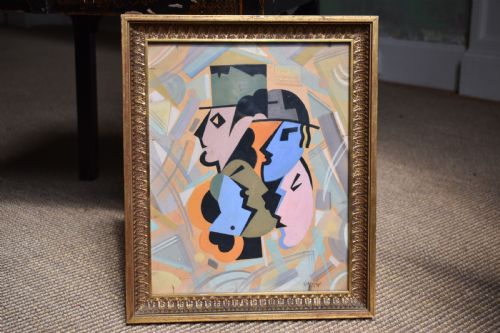
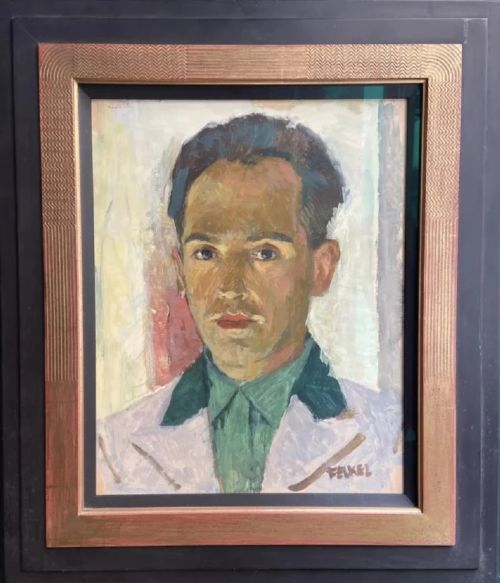
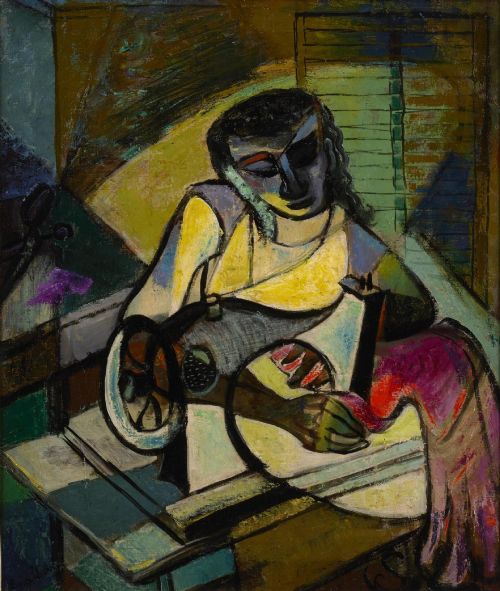
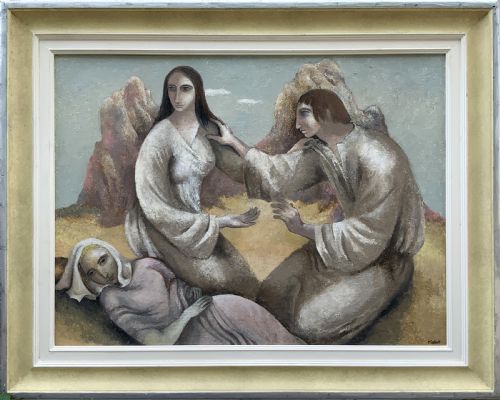
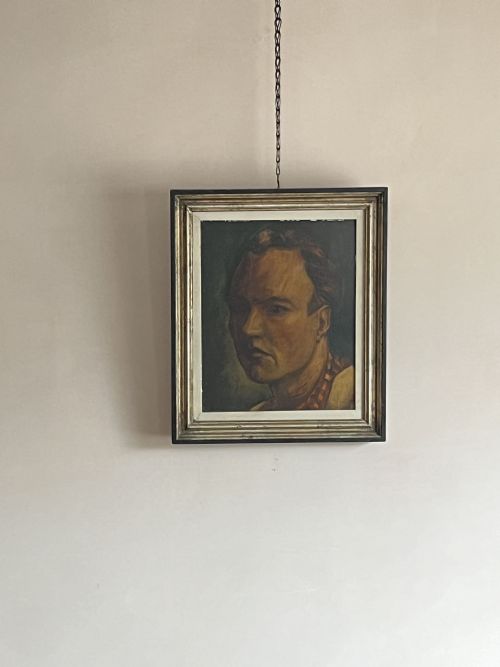
A modernist portrait painting captures human subjects through the experimental lenses of the twentieth century, ranging from Edwardian works to mid-century modernism. These pieces embrace varied interpretations of the human form, from self-portraits and nudes to musicians and artists' assistants. The most common examples met here emerge from the 1930s and 1950s, bridging expressive portraiture with abstract and surrealist sensibilities.
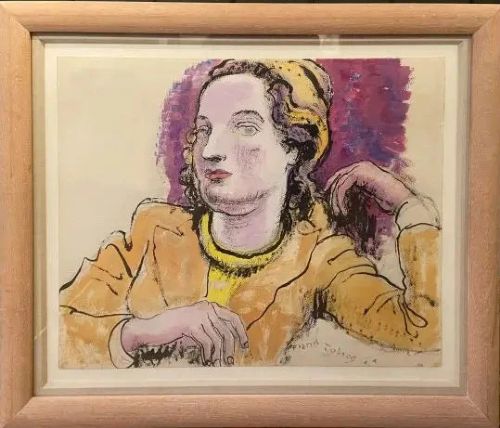
The aesthetic vocabulary encompasses Art Deco, Modern British, Expressionism, and Avant-Garde Surrealism. Canvases and boards depict sitters in interior settings, coastal scenes, and bohemian haunts like Paris Montparnasse. Buyers encounter both intimate watercolours on paper and large-scale oil paintings produced across Britain, France, America, and Spain.
Materials and technique
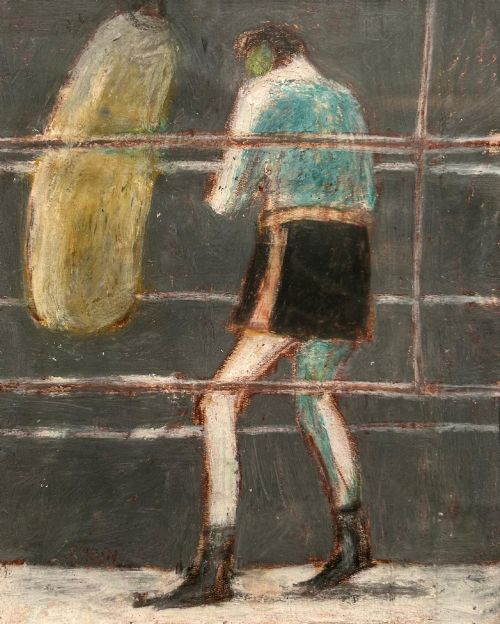
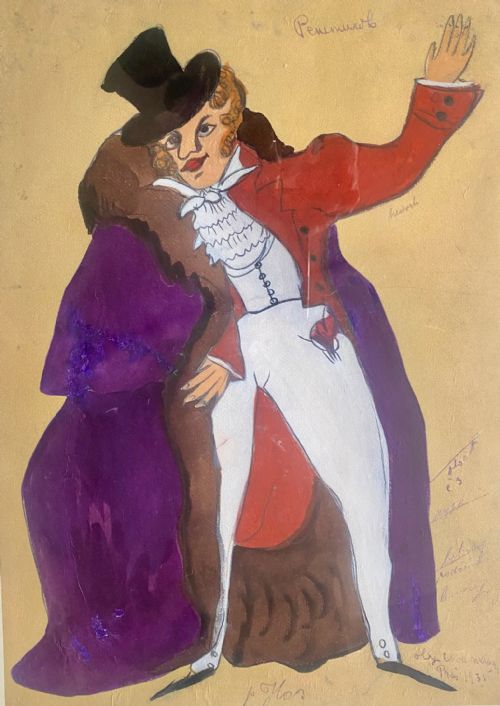
Artists relied primarily on oil paint applied to canvas, board, or wood, building texture and depth through layered brushwork and impasto. Gouache and watercolour on paper offer a more immediate, fluid alternative, capturing vivid hues in works like theatrical gouache paintings and surrealist compositions.
Supports range from traditional stretched canvas to sturdy wooden boards. The physical execution reflects the stylistic shifts of the era, combining rigorous draughtsmanship with spontaneous, expressive handling of pigment.
Artistic styles represented range from early twentieth-century Art Deco and Expressionism to mid-century modernism and avant-garde surrealism.
Distinctions in quality
Quality rests upon the confidence of the brushwork and the clarity of the composition, distinguishing hesitant academic exercises from assured avant-garde statements. The strength of a piece derives from how decisively the artist handles form, colour, and psychological depth.
Provenance and documentation elevate certain works, particularly when signed by known figures or linked to specific artistic circles like the Bloomsbury group or Montparnasse bohemia. The harmony between the sitter's presence and the maker's experimental technique dictates the overall impact of the painting.
Carl Felkel·Frank Dobson·Samuel Rabin·Lena Gurr·Christine Nesbit·Olga Choumansky·Raymond Moritz·Pinchus Krémègne·Yo Mayer·Antonio Ferri·Yetta Kane·Bernard Meninsky·Archille Zavatta·Murphy
The Modernist Portrait Painting Glossary
- Impasto
- Paint laid on an area of the surface in thick layers, usually thick enough that the brush or painting-knife strokes are visible. This technique adds tactile dimension to modernist portraits.
- Gouache
- An opaque method of watercolour painting consisting of pigment, water, and a binding agent such as gum. It dries to a flat, matte finish prized for vibrant colour.
- Surrealism
- A twentieth-century avant-garde movement that sought to release the creative potential of the unconscious mind. In portraiture, this manifests in dreamlike or bizarre juxtapositions.
- Expressionism
- A modernist movement originating in Germany where artists sought to express emotional experience rather than physical reality. It prioritises intense colour and distorted forms.
Modernist Portrait Painting: Frequently Asked Questions
What defines a modernist portrait?
A modernist portrait departs from strict academic realism to focus on expressive brushwork, psychological depth, and experimental forms. Artists of the early to mid-twentieth century manipulated colour and line to capture the essence of a sitter rather than a mere likeness.
These pieces often incorporate influences from Cubism, Expressionism, and Surrealism. The focus shifts toward personal interpretation and modern aesthetics.
How do I care for an oil painting on board?
Keep oil paintings away from direct sunlight and dramatic fluctuations in temperature and humidity, which can warp wooden boards and crack paint. Display them on stable interior walls in well-ventilated spaces.
Dust the surface gently with a soft, dry brush when necessary, avoiding water or chemical cleaning agents. Consult a professional restorer for deep cleaning.
Where were these artists working?
The creators of these works operated across major creative hubs, including artistic quarters in Paris like Montparnasse, as well as studios in Britain, America, and Spain. They participated in vibrant avant-garde circles and exhibited in progressive salons.
Their geographical movement reflects the international nature of mid-century modernism, where ideas flowed freely between European and transatlantic capitals.
How can I date a mid-century portrait?
Dating relies on stylistic clues, framing techniques, artist signatures, and inscriptions recorded on the reverse of the canvas or board. Twentieth-century works frequently display period-specific clothing, hairstyles, and interior decor.
Documentation such as exhibition labels or biographical records of the artist provide precise temporal context. Material analysis of the canvas and pigments offers additional verification.