
Mirrored Mahogany Cabinet
A mirrored mahogany cabinet brings depth and warm timber grain to a room, catching the light across periods from the eighteenth century to the Edwardian era.
Mirrored Mahogany Cabinet
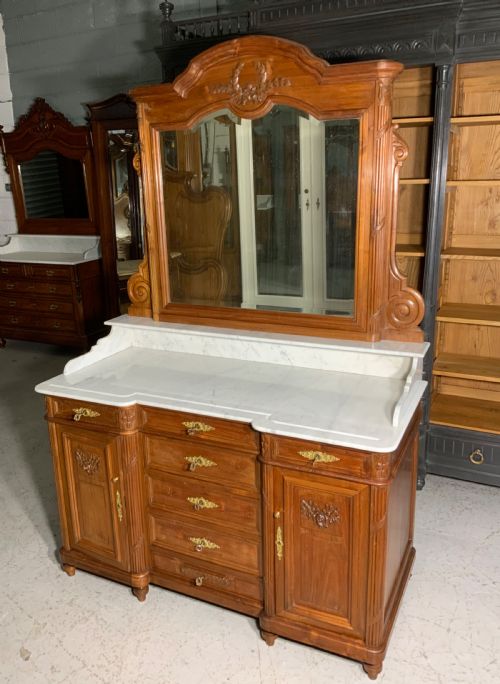
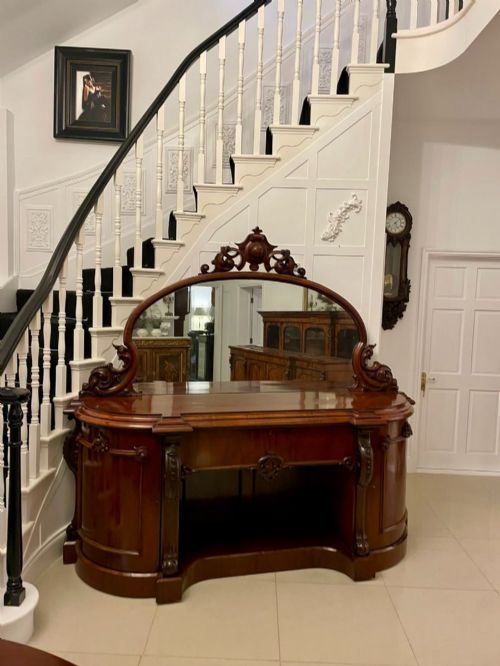
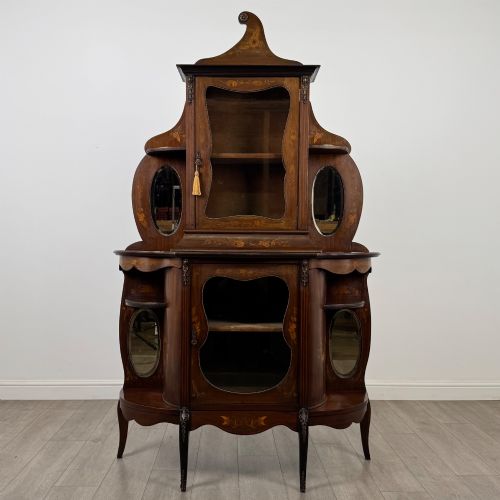
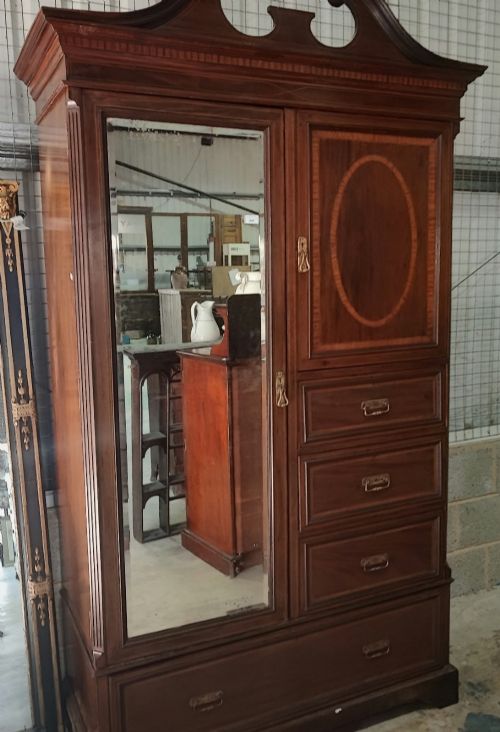
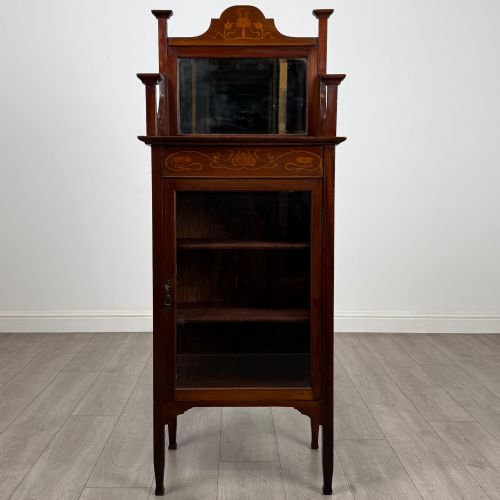
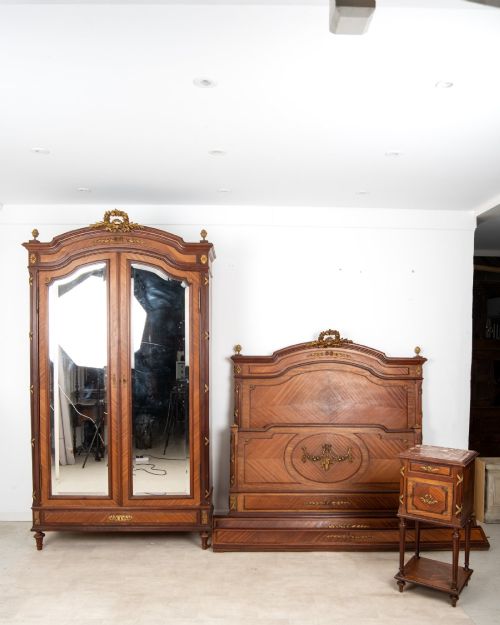
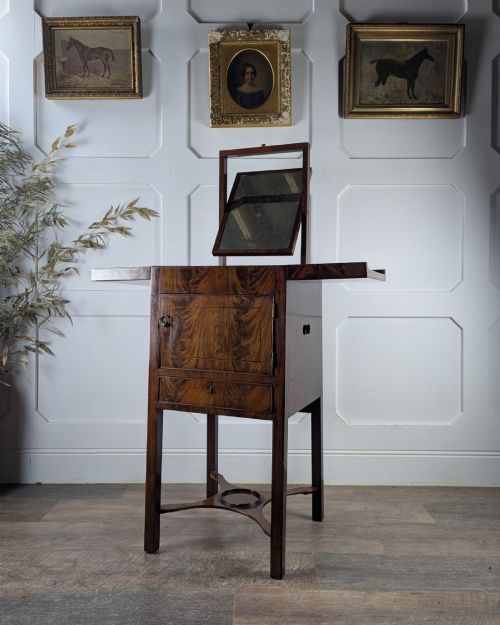
A mirrored mahogany cabinet combines rich timber construction with reflective glass, appearing across various forms including display cases, sideboards, and compactum wardrobes. These pieces span centuries, originating in Georgian workshops and evolving through Victorian and Edwardian iterations.
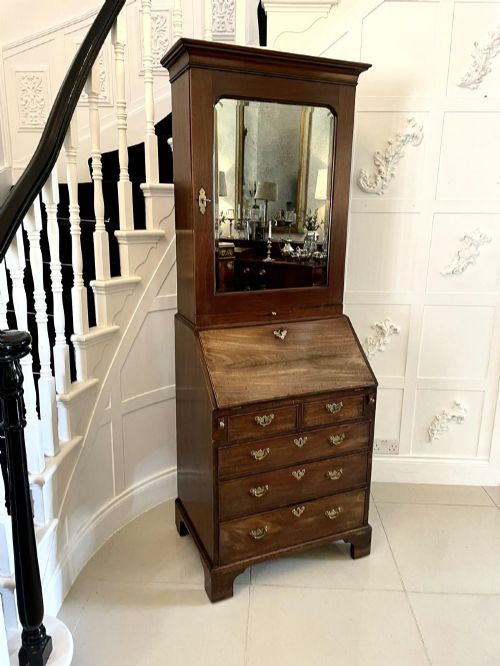
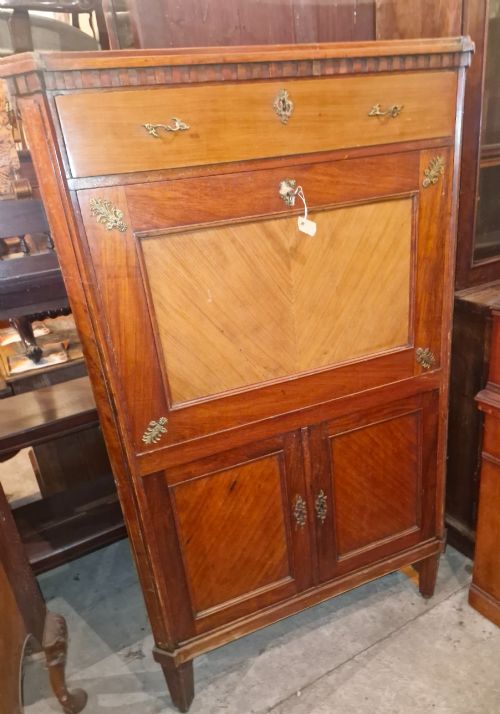
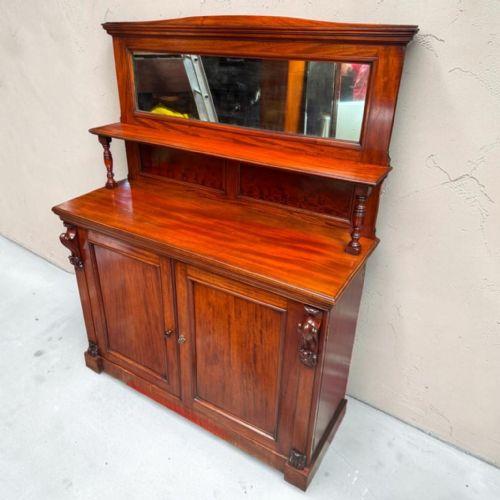
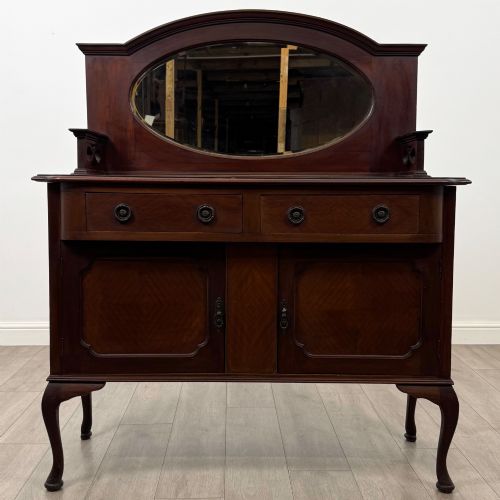
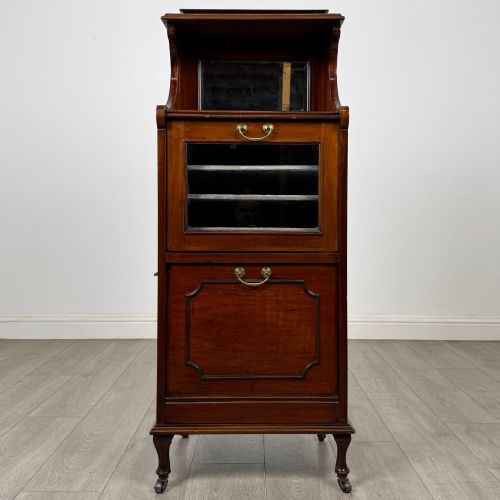
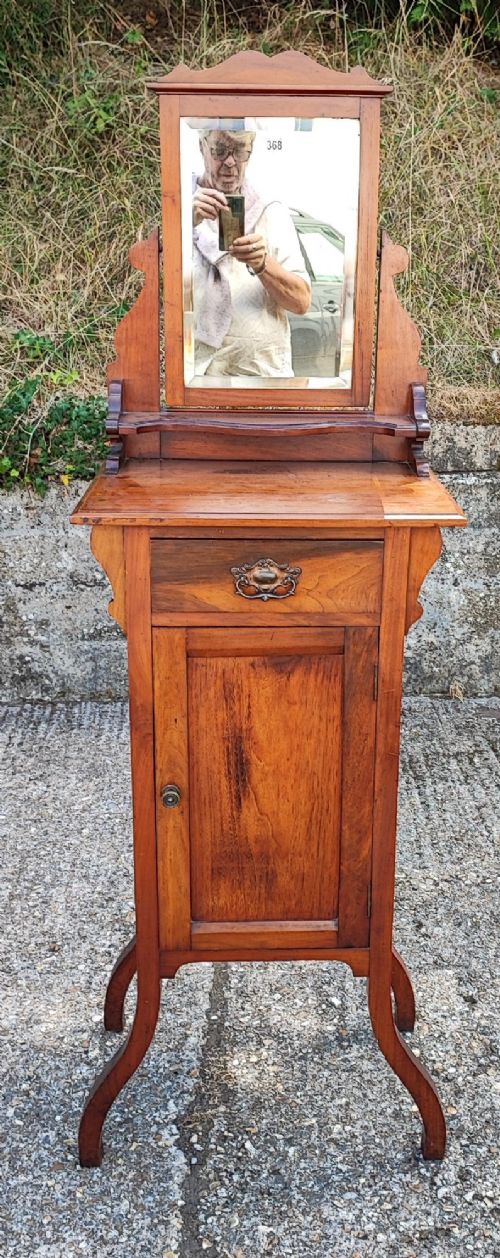
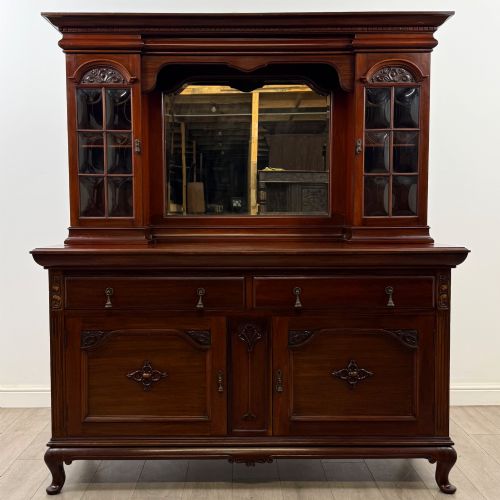
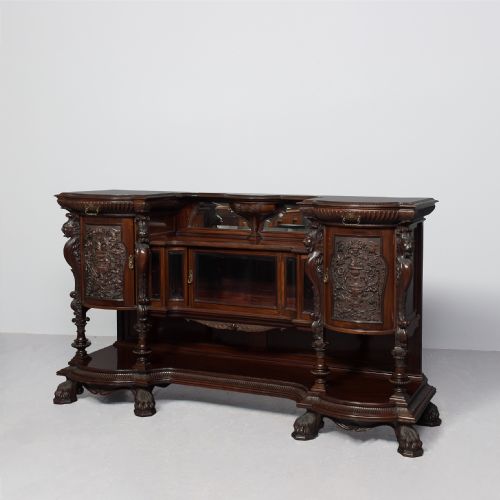
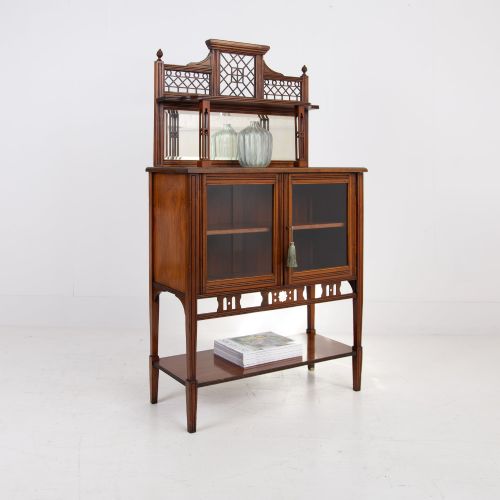
The most common examples on this page are Victorian and Edwardian sideboards, display cabinets, and dressing chests featuring integrated mirrors and mahogany carcases. Buyers encounter items ranging from narrow side cabinets to elaborate bureau bookcases.
Origins stretch from eighteenth-century George II and George III periods into the late nineteenth and early twentieth centuries, capturing shifts in domestic utility and design.
Materials and construction
Construction techniques include careful cabinetmaking with carved ornamentation, intricate marquetry, and fitted interiors incorporating adjustable glass shelves and secret compartments.
Listings include Georgian, Victorian, and Edwardian pieces, uniting mahogany with glass, brass, satinwood, and marble across diverse forms.
Distinctions in quality
The upper tier of pieces is defined by precision in timber selection, such as figured Cuban mahogany, and refinement in hand-carved details and inlay work. Lesser examples rely on simpler construction without the sophisticated embellishments seen on pieces by notable makers.
Quality reveals itself in the integration of the mirror back with the main cabinet structure, the crispness of mouldings, and the selection of secondary timbers within drawers and interiors.
Edwards and Roberts
The Mirrored Mahogany Cabinet Glossary
- Mahogany
- A durable, reddish-brown tropical hardwood prized for its stability and rich grain. It serves as the primary structural material for the cabinets on this page.
- Inlay
- A decorative technique where contrasting materials like satinwood are set into the surface of the mahogany. This creates geometric or floral patterns across door panels and friezes.
- Compactum
- A large, multi-functional wardrobe designed to maximise storage efficiency. These pieces often incorporate hanging space, drawers, and mirrored doors.
- Bureau bookcase
- A combination of a sloping desk compartment and upper shelving enclosed by doors. Examples in the evidence date back to the George II and George III periods.
- Chiffonier
- A low sideboard or cabinet developed in the nineteenth century. They frequently feature enclosed cupboards beneath a mirrored superstructure.
Mirrored Mahogany Cabinet: Frequently Asked Questions
What periods do these cabinets come from?
The pieces span from the mid-eighteenth century under George II and George III through to the Victorian, Edwardian, and early twentieth-century eras.
Craftsmanship and decorative styles shifted across these periods, moving from Georgian restraint to ornate Victorian carving and Edwardian satinwood inlay.
How were mirrored mahogany cabinets used?
They served multiple domestic functions, acting as display spaces for porcelain and crystal, sideboards for dining rooms, and bedroom storage.
Mirrored backs were specifically designed to reflect interior light and create an illusion of space within the room.
What is a compactum wardrobe?
A compactum is a large, fitted wardrobe designed to provide comprehensive clothing storage within a single footprint. They often include interior drawers, hanging sections, and mirrored doors.
Victorian cabinetmakers produced these in configurations that combined satinwood inlay with substantial mahogany carcases.
How do I identify an Edwardian piece?
Edwardian cabinets date from around 1900 to 1910, frequently displaying lighter proportions and delicate satinwood stringing on mahogany.
They also encompass Arts and Crafts influences and shop display furniture featuring adjustable glass shelving and mirrored interiors.