
20th Century Cabinet
A 20th century cabinet provides practical storage while displaying the varied woodwork and revival styles of the era.
20th Century Cabinet
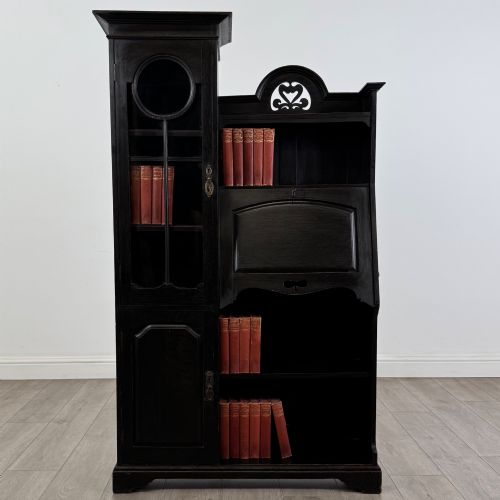
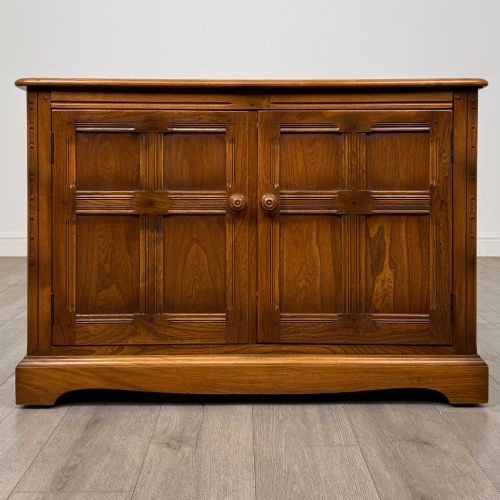
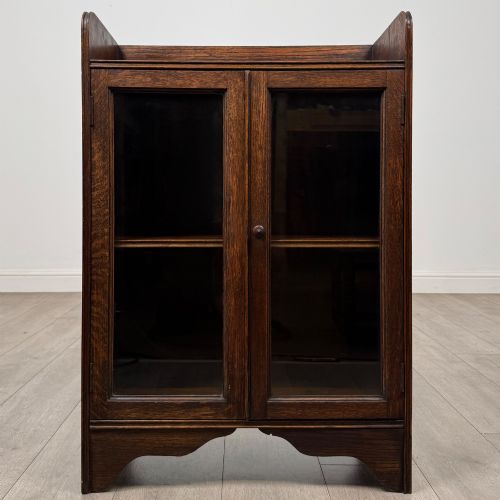
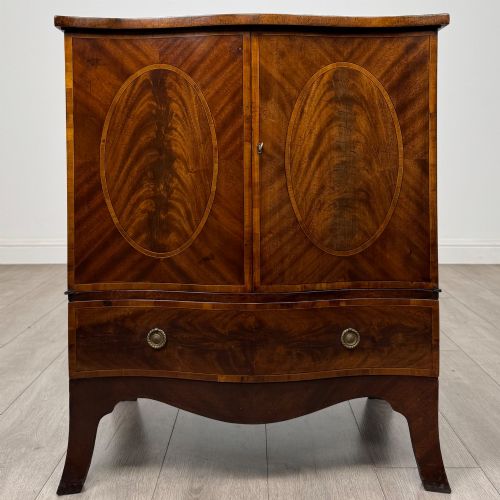
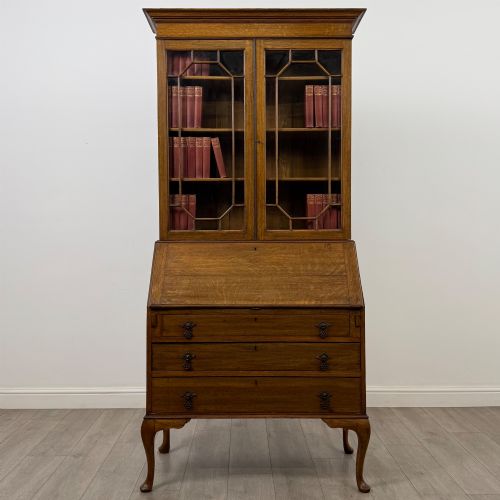
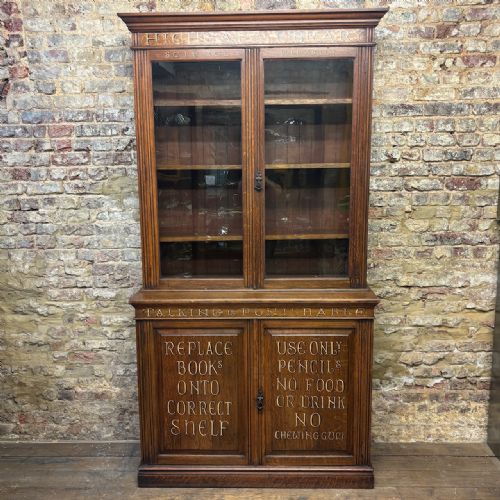
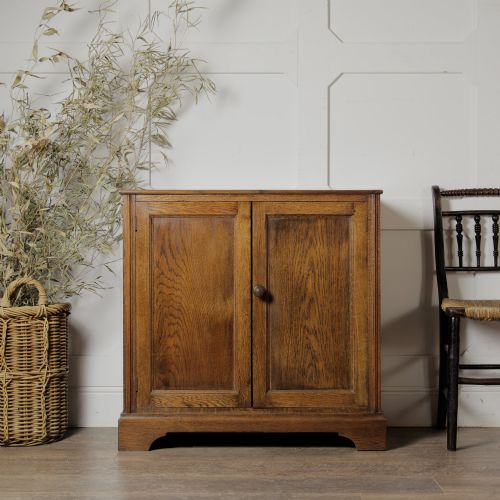
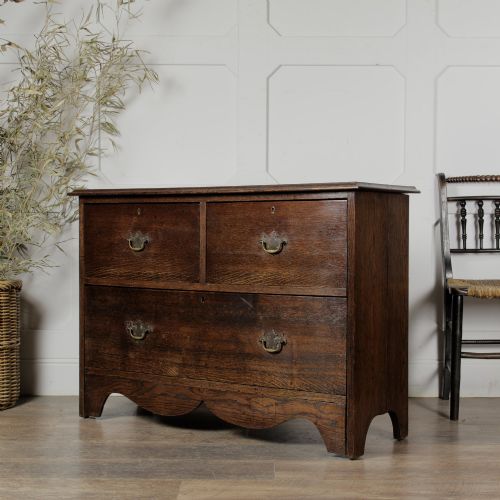
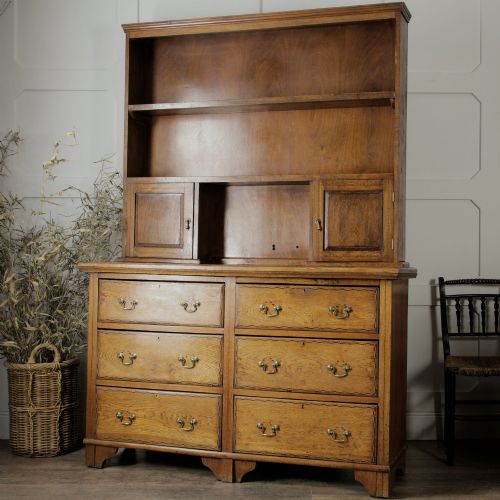
A 20th century cabinet encompasses a broad selection of domestic furniture intended for storage and display, originating predominantly from the Edwardian period and the early decades of the 1900s. Buyers searching this phrase encounter diverse functional forms, ranging from glazed display cases and bedside units to bureau bookcases and sideboards.
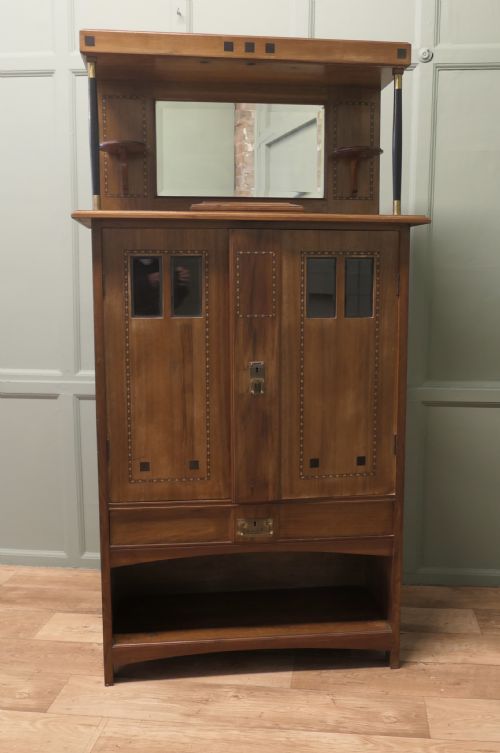
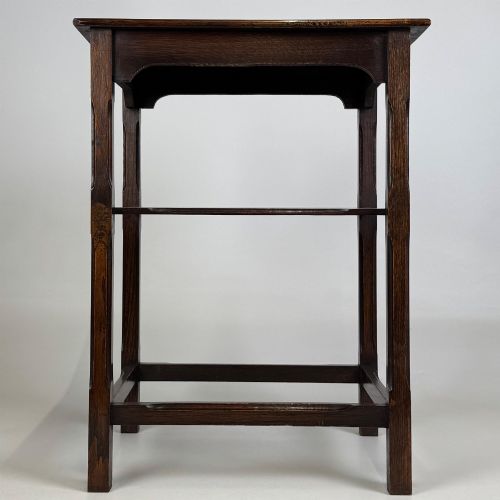
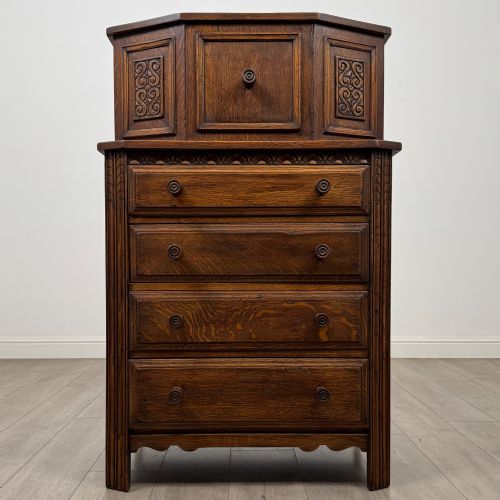
Oak and mahogany form the backbone of the selection, appearing frequently alongside walnut, yew wood, and pine. Pieces often reflect revival aesthetics such as Tudor, Jacobean, and Georgian styles, alongside Arts and Crafts design principles and early modern touches.
Materials and Construction
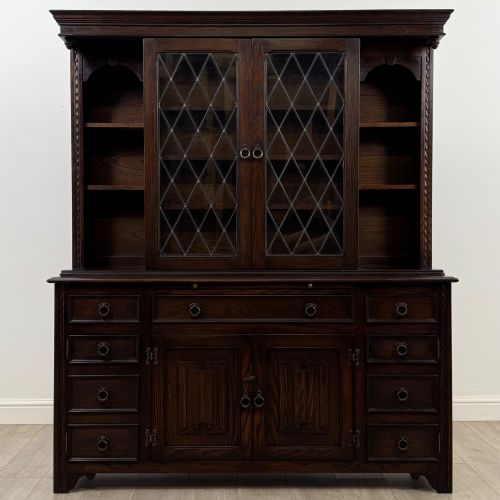
Makers utilised solid timbers and selected veneers, anchoring structures in oak and mahogany while incorporating brass hardware, lead detailing, and glass panels for display doors. Surface decoration relies on traditional techniques including carving, marquetry, and inlay to accentuate the grain of walnut, satinwood, and golden oak.
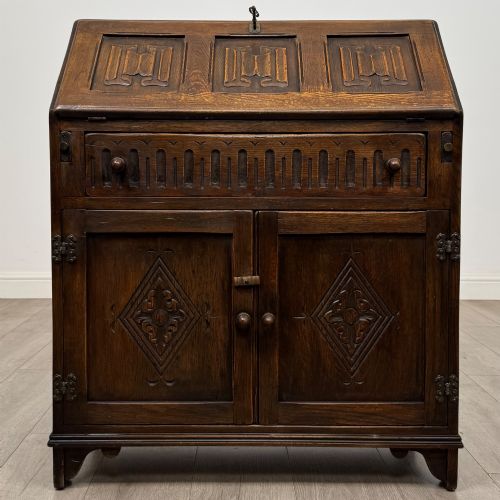
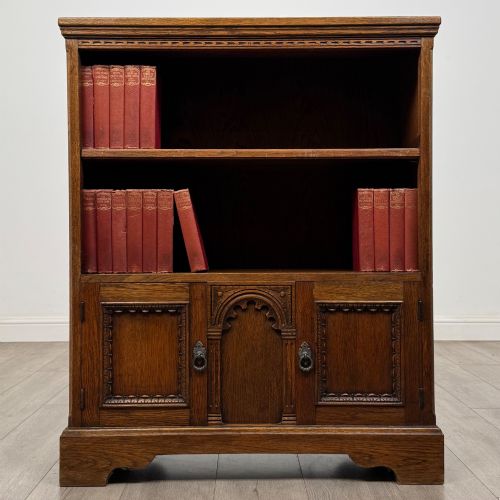
Structural elements show standard cabinet-making practices of the period, from panelled linenfold doors to tambour fronts and glazed frames. Secondary woods support internal shelving and drawer linings, while marble tops appear on select continental walnut pieces.
Among the storage solutions sits a bronze study of a whip girl, proving that 20th century cabinets sometimes keep surprising company.
Quality and Execution
The distinction between standard utility furniture and superior examples lies in the selection of timber and the precision of decorative carving. Finely figured walnut, burr veneers, and crisp hand-carved details separate finer pieces from straightforward utilitarian storage.
Construction methods also dictate grade, where tight joinery, matching wood grain across panels, and original brass fittings indicate higher workshop standards. Simpler pieces rely on plain oak or pine boards with minimal ornamentation.
Warring & Gillows LTD
The 20th Century Cabinet Glossary
- Linenfold
- A carved wooden panel motif designed to resemble folded parchment or linen. It is frequently seen on Edwardian oak cupboards and bureaus.
- Bureau bookcase
- A dual-purpose piece combining a sloping writing flap with a shelved bookcase upper section. These often feature fitted interior pigeonholes.
- Marquetry
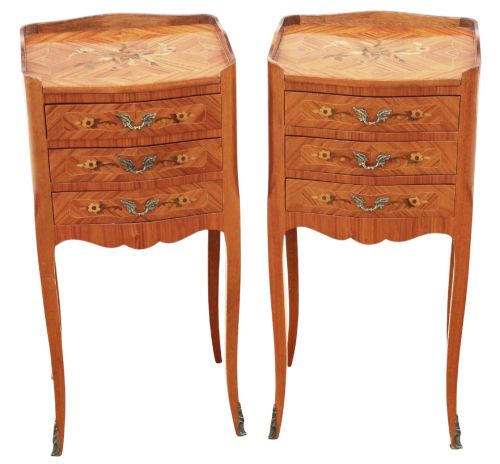
- The art of applying decorative veneer pieces to a structure to form intricate patterns or pictorial designs. This technique decorates selected French bedside tables.
- Tambour front
- A flexible shutter made of narrow wooden slats glued to a canvas backing, allowing it to slide smoothly around a curved cabinet track.
20th Century Cabinet: Frequently Asked Questions
What rooms suit a 20th century cabinet?
These pieces adapt easily to living rooms, studies, and bedrooms depending on their specific form. Display cases and bookcases suit public spaces, while bedside cabinets and tallboys fit private rooms.
Compact variants offer useful surface space and internal storage without dominating smaller modern interiors.
How do I identify Edwardian examples?
Edwardian pieces often feature lighter timber tones such as golden oak or inlaid mahogany, drawing on Georgian and classical revival motifs. They tend to exhibit clean lines combined with subtle decorative carving.
Construction from this era frequently incorporates brass hardware and glass-fronted display doors suited to middle-class domestic interiors.
Are these cabinets made of solid wood?
Many examples utilise solid oak, mahogany, or pine for their primary frames and structural elements. Veneers also appear frequently on surfaces like walnut and satinwood to display decorative grain patterns.
Secondary timbers support internal components such as drawer bases and cabinet backs, reflecting standard period manufacturing methods.
How should I care for timber surfaces?
Maintain wood finishes by keeping cabinets away from direct heat sources and fluctuating humidity. Regular dusting with a soft, dry cloth preserves the polish without building up residue.
Occasional application of appropriate wax polish helps nourish older timbers like oak and mahogany.