

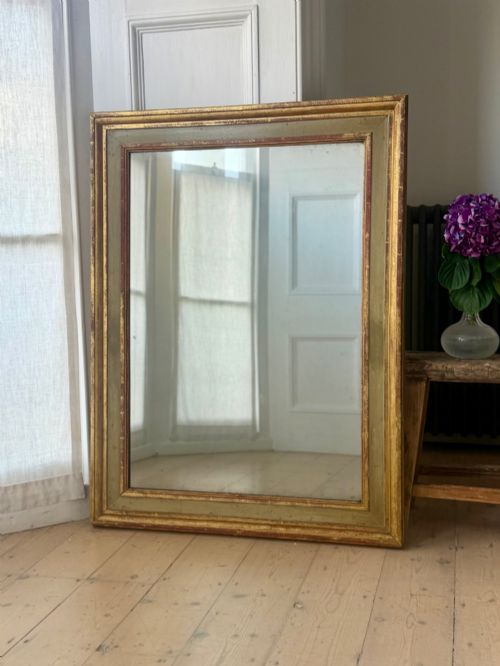
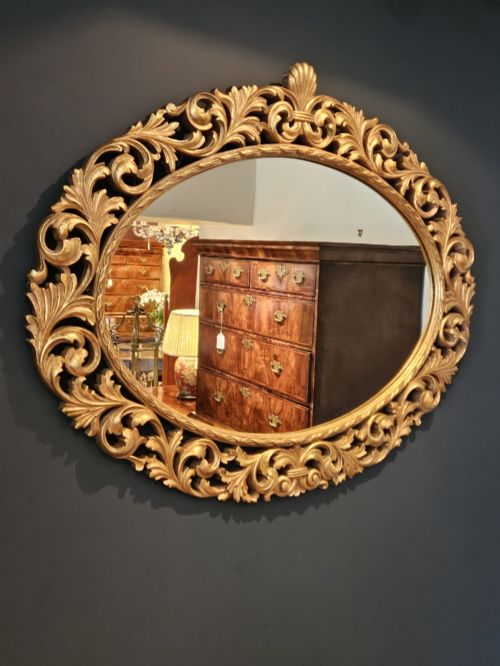
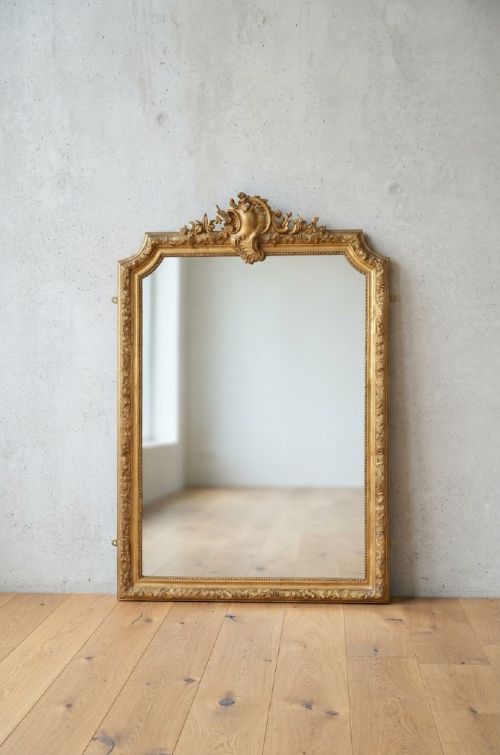
Mirrored Giltwood Frame
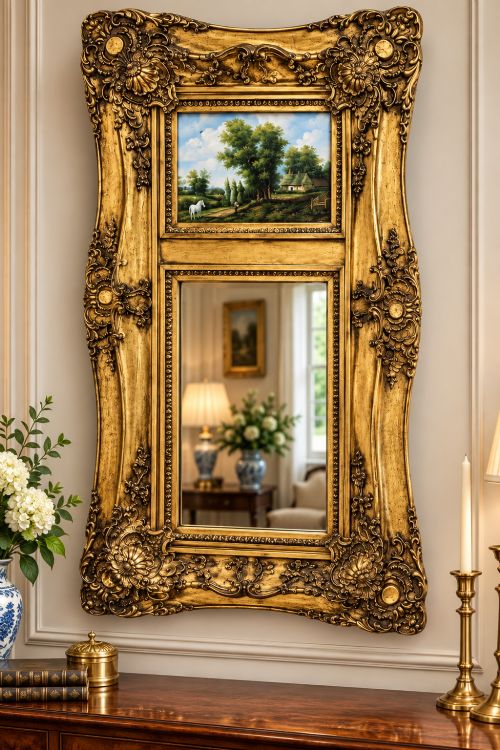
A mirrored giltwood frame brings warmth and reflection to a room, catching the light through centuries of carved detail.
Mirrored Giltwood Frame
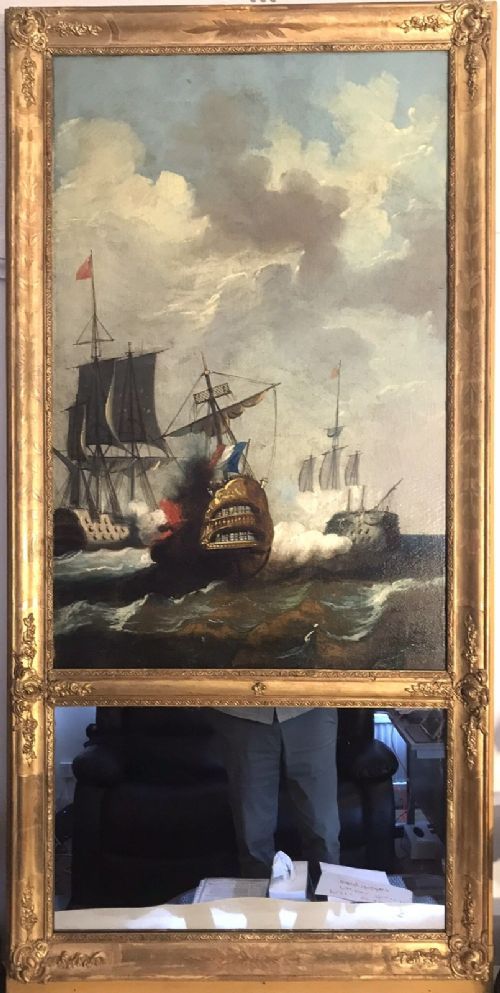
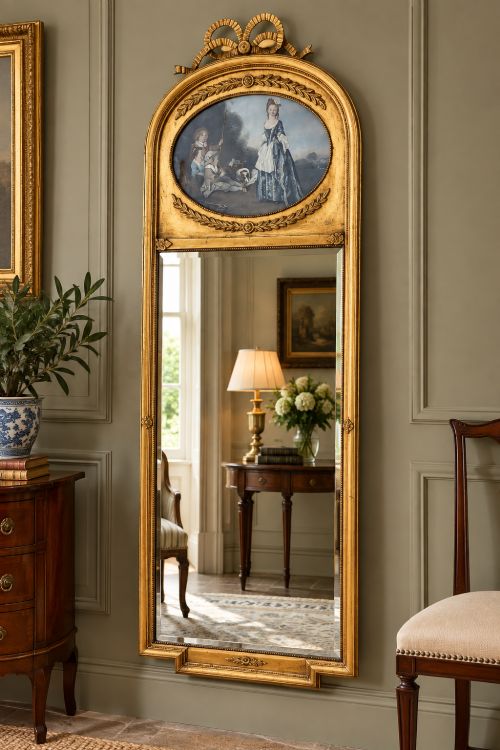
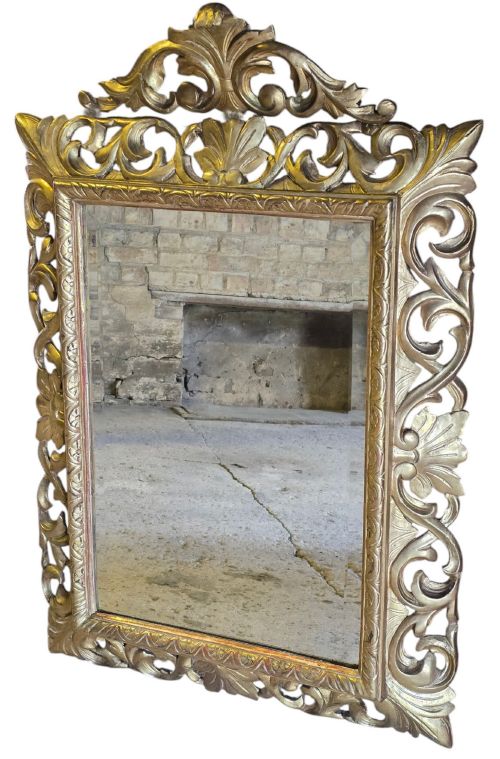
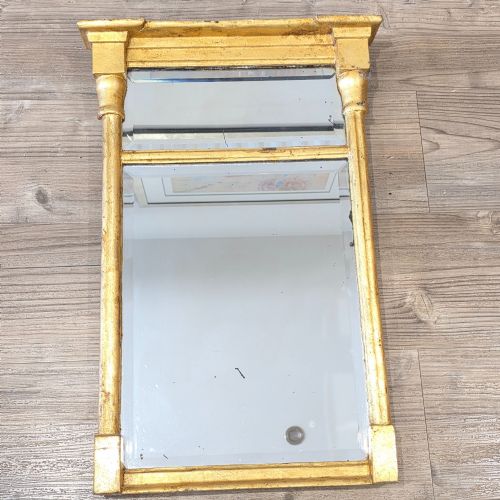
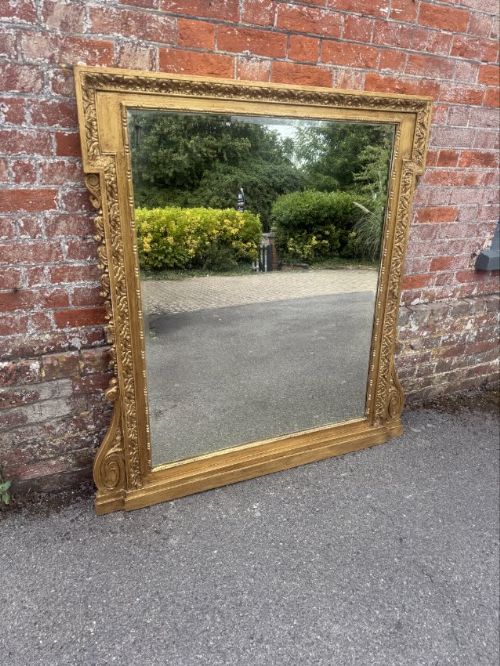
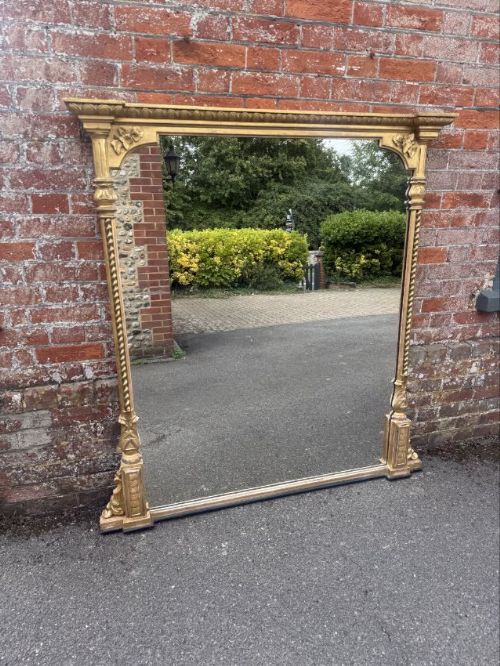
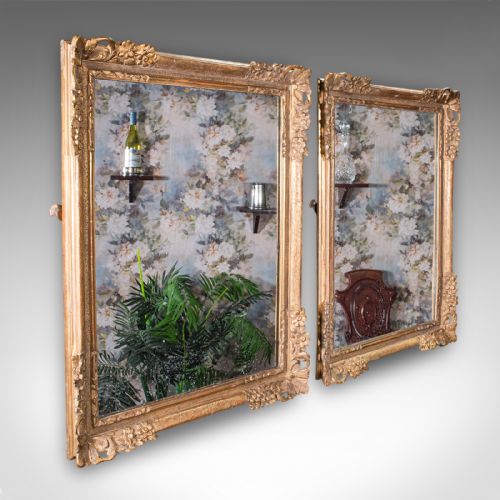
A mirrored giltwood frame combines the reflective depth of glass with the rich, warm sheen of gold leaf applied over carved wooden structures. When searching for a mirrored giltwood frame, buyers encounter pieces designed primarily as wall mirrors, grand overmantels, slender pier mirrors, and decorative girandoles.
The selection ranges widely across periods, including robust 18th-century English and French examples, ornate Victorian and Edwardian interpretations, and structured Regency designs. Overmantel mirrors and wall mirrors dominate the forms currently available, serving as focal points above mantelpieces and drawing rooms alike.
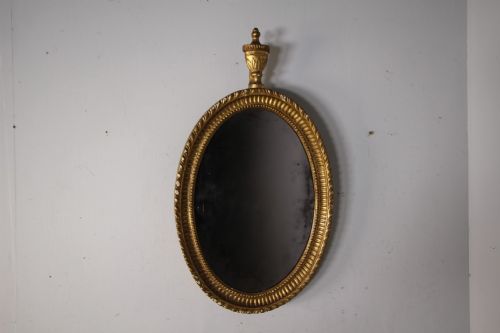
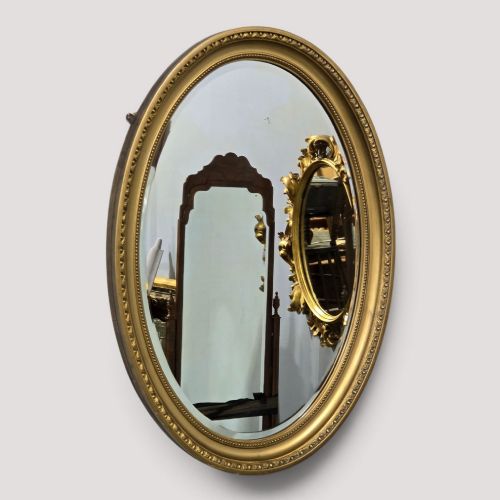
Origins span English workshops and French ateliers, bringing distinct regional carving traditions to the gilt surface. Pieces appear in oval, rectangular, and architectural formats, utilising glass plates that sometimes display the character of original mercury silvering.
How they were made
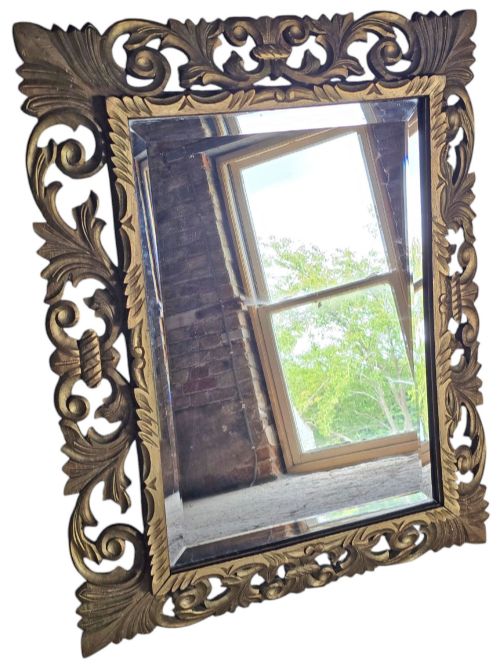
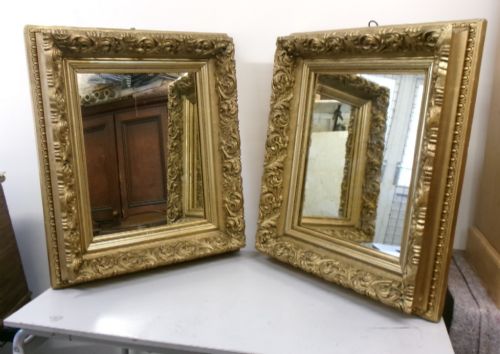
Constructed around a base of carved timber, often using woods like walnut or pine, these frames rely on layers of gesso to build up intricate relief ornamentation. Artisans carved floral motifs, acanthus leaves, and rope twists directly into the wood or moulded them in gesso before gilding.
Gold leaf or silver-gilt was applied meticulously over the prepared surface, sometimes complemented by ebonised wood sections for contrast. The resulting finish was burnished to achieve varying degrees of reflection, housing hand-silvered or mercury glass plates secured within the rebate.
Listings feature periods ranging from the 18th century through the Victorian era up to the early 20th century, utilising materials like mercury glass and gesso.
What varies in quality
The distinction between standard decorative pieces and exceptional examples lies in the depth and crispness of the carving. Hand-carved wooden relief work retains sharper definition and smoother transitions than moulded composition ornament.
The integrity of the original gilt surface and the presence of period mirror plates, such as foxed mercury glass, significantly elevate the character of a piece. Substantial proportions and well-balanced architectural or floral detailing mark out the finer productions.
The Mirrored Giltwood Frame Glossary
- Giltwood
- Wood that has been coated with gold leaf or gold powder. This finish gives antique frames their characteristic warm metallic glow.
- Gesso
- A plaster mixture applied to wood frames to create a smooth surface for carving and gilding. It allows for intricate relief details.
- Mercury glass
- A type of double-walled glass blown in the 19th century and silvered with a mercury amalgam. It often develops charming foxing and speckling over time.
- Overmantel mirror
- A large mirror specifically proportioned to hang above a fireplace mantel. These pieces frequently feature horizontal orientations to span the hearth.
- Pier mirror
- A tall, narrow mirror designed to hang on the wall space between two windows. They make efficient use of light in domestic interiors.
- Girandole
- A decorative wall mirror fitted with attached candle sconces. The candle arms multiply the reflected light in a room.
Mirrored Giltwood Frame: Frequently Asked Questions
What is a mirrored giltwood frame?
A mirrored giltwood frame is a decorative looking glass housed within a wooden structure covered in gold leaf or metallic paint. These objects combine functional reflection with sculptural woodwork, serving as prominent wall decor.
Craftsmen produced them in various styles across the eighteenth, nineteenth, and early twentieth centuries. They range from simple oval wall hangings to massive overmantels designed for grand interiors.
How do I hang a heavy overmantel mirror?
Hanging a heavy overmantel mirror requires securing the weight directly into wall studs or masonry using robust fixings suited to the wall type. Due to the substantial timber and glass construction, professional installation is often recommended.
Many period overmantels were originally designed to rest upon the mantelpiece itself while being anchored safely to the wall. Checking the security of the frame joints and backing boards before hanging ensures the mirror remains stable.
How do I clean an antique giltwood frame?
Cleaning an antique giltwood frame requires a very gentle touch, utilising a soft dry brush to remove dust from the intricate carved recesses. Moisture and harsh cleaning agents can strip the delicate gold leaf and historical gesso.
Glass plates can be cleaned with a mild glass cleaner applied to a cloth rather than sprayed directly, preventing any liquid from seeping into the surrounding wooden frame or silvered backing.
How can I tell a Victorian frame from a Regency one?
Regency frames often display clean classical restraint, featuring architectural elements, rope twists, and convex or pier glass forms influenced by neoclassical tastes. They tend to exhibit precise, understated carving and balanced proportions.
Victorian frames generally introduce heavier, more exuberant ornamentation such as acanthus leaf scrolls, rose vines, and deeply moulded gesso relief work. The scale is frequently grander, reflecting the decorative ambitions of the later nineteenth century.