



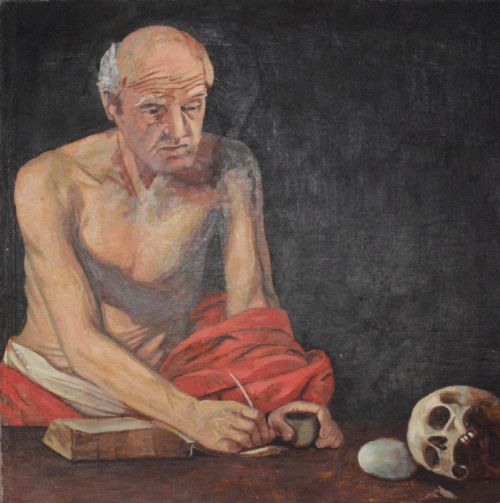
Baroque Saint Oil Painting
A baroque saint oil painting brings devotional gravity and dramatic seventeenth- or eighteenth-century brushwork directly into a room.
Baroque Saint Oil Painting
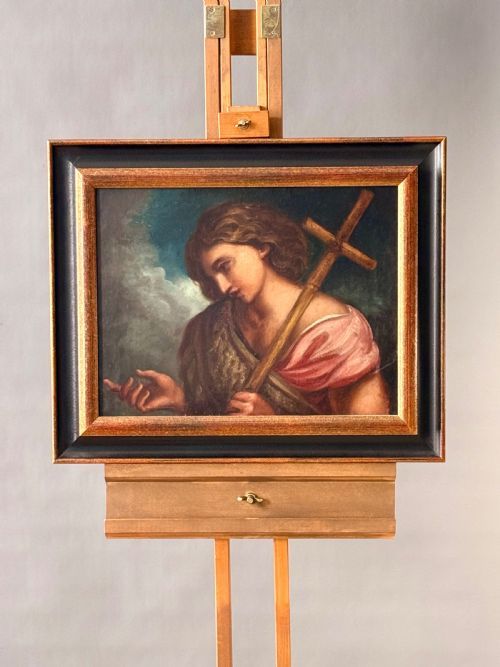
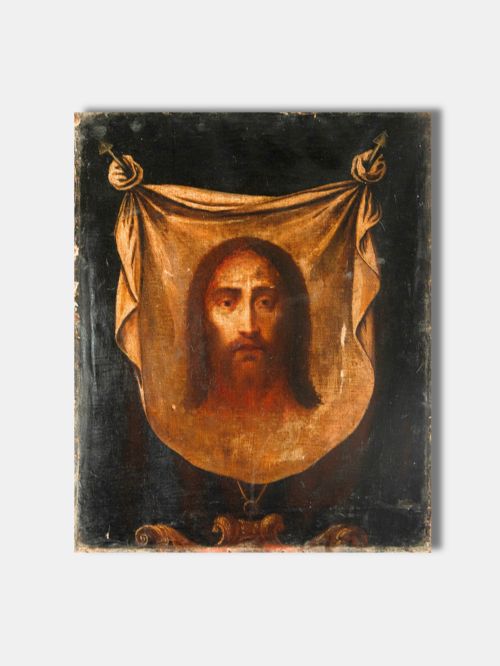
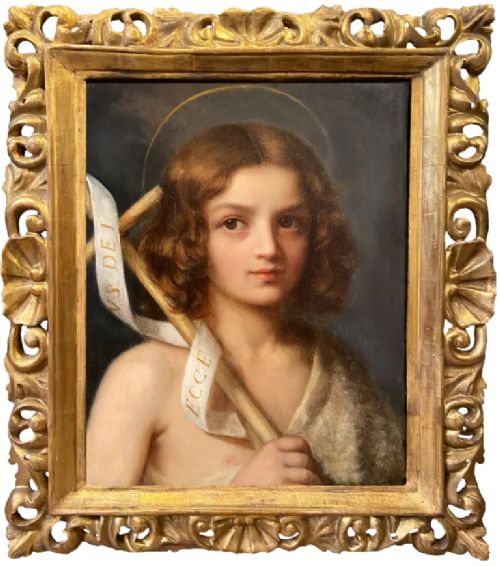
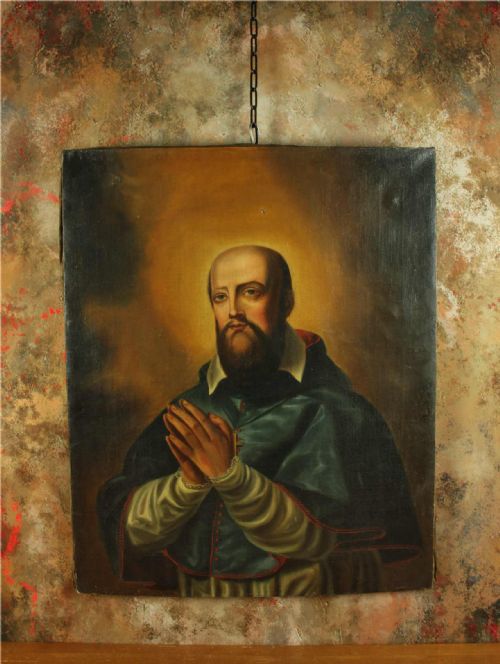
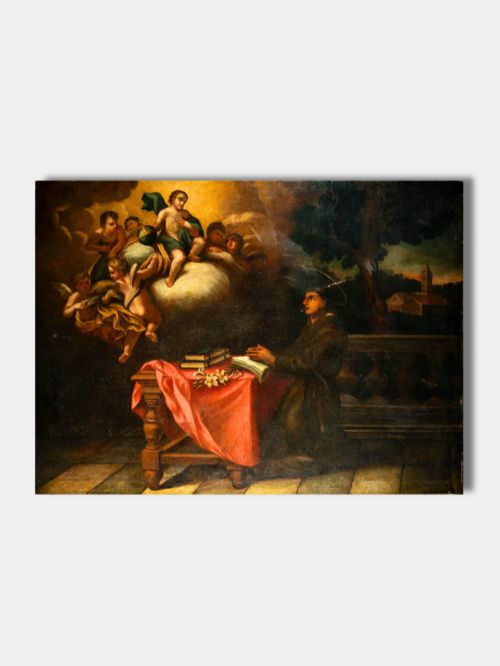
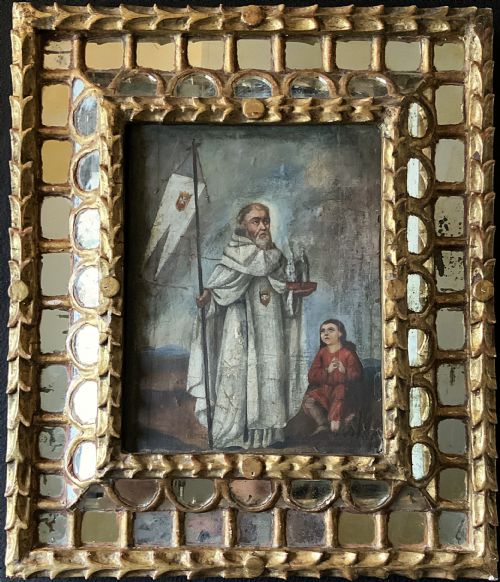
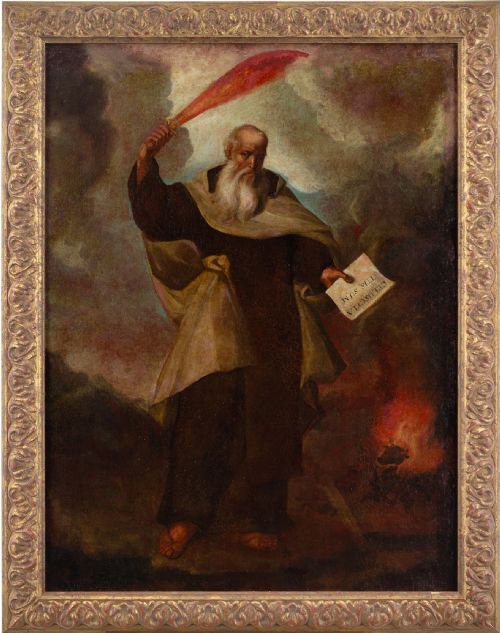
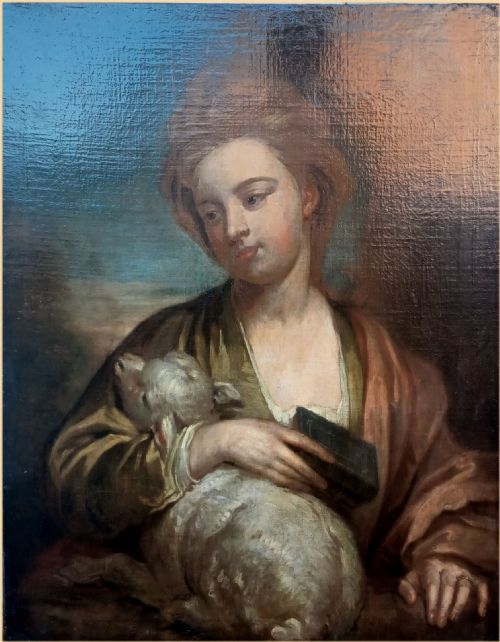
A baroque saint oil painting captures revered figures such as Saint John the Baptist, Saint Francis, or the Virgin and Child rendered through deep shadows and intense emotional focus. Buyers encounter works attributed to Italian, Spanish, Madrid, and colonial schools, spanning from the seventeenth century through to the eighteenth and nineteenth centuries.
Most examples present devotional portraits or narrative scenes executed on canvas, occasionally housed within period giltwood frames. These canvases range from intimate portrait formats to monumental compositions depicting holy visions and sacred conversions.
How they were made
Artists built these images using oil paint applied to woven canvas supports, employing rich pigments to achieve deep chiaroscuro contrasts characteristic of the period. Wood is also utilised for stretcher frames and decorative surrounds, sometimes enhanced with gold leaf.
Workshops and individual masters relied on traditional layering techniques to model flesh tones and voluminous drapery, capturing dramatic light sources that illuminate the sacred figures.
Listings feature works spanning the seventeenth, eighteenth, and nineteenth centuries, executed primarily in oil on canvas with select examples in giltwood frames.
What varies in quality
Quality rests in the expressive power of the brushwork and the anatomical confidence of the figure, distinguishing masterworks and skilled school pieces from routine workshop output. The handling of drapery folds, facial emotion, and dramatic lighting dictates the visual impact of the composition.
The preservation of the original canvas and the integrity of the surface paint layer influence the enduring strength of the piece. Associated elements such as period giltwood frames contribute historical context and aesthetic cohesion.
Francesco Solimena Workshop·Gaspar de Figueroa Workshop·Antonio Tempesta·Sir Godfrey Kneller·Reynard Le Vieux
The Baroque Saint Oil Painting Glossary
- Baroque
- An artistic style originating in Italy around sixteen-hundred, characterised by theatrical lighting, intense emotion, and dynamic movement. It dominated European religious art for over a century.
- Chiaroscuro
- A technique employing strong contrasts between light and dark to give subjects a three-dimensional volume. This method heightens the dramatic tension in devotional scenes.
- Giltwood
- Wood that has been coated with thin gold leaf or gold paint. Frames created in this manner often accompany seventeenth-century portraits.
- Oil on canvas
- Pigments bound in a drying oil medium applied to a stretched fabric support. This combination allowed artists to blend tones smoothly and work on a grand scale.
- Old master
- A term for a European artist of high skill working before eighteen-hundred. Works from this category reflect established academic or regional workshop traditions.
Baroque Saint Oil Painting: Frequently Asked Questions
How do I identify a seventeenth-century canvas?
Examination of the canvas weave, stretcher construction, and preparation layers helps determine the age of the support. Stylistic markers like dramatic tenebrism also point toward seventeenth-century origins.
Consulting specialist school attributions and comparing handling techniques with documented works clarifies the historical context of the painting.
Where should I hang a religious portrait?
These works require stable environmental conditions away from direct sunlight and rapid temperature fluctuations to protect the oil paint and canvas. Placing them on interior walls with moderate ambient light ensures safe viewing.
Displaying them at eye level allows the dramatic lighting and emotional depth of the saint to engage the room effectively.
What is a colonial baroque painting?
Colonial baroque describes religious art produced in Spanish territories overseas, combining European baroque conventions with indigenous artistic influences. These pieces often record regional workshops and specific devotional practices.
They share the dramatic intensity of European counterparts while displaying distinct palettes and local iconographic details.
How are different saint subjects distinguished?
Saints are recognised by their traditional attributes, such as John the Baptist wearing camel hair or holding a reed cross, and Saint Francis bearing the stigmata. Inscriptions or specific narrative actions also identify the figure.
Textual clues within the composition, like Veronica's veil or sacred books, guide the viewer in naming the saint depicted.