



Mirrored Bureau Desk
A mirrored bureau desk combines a writing compartment with reflective glass, offering both a functional workstation and a decorative focal point for the room.
Mirrored Bureau Desk
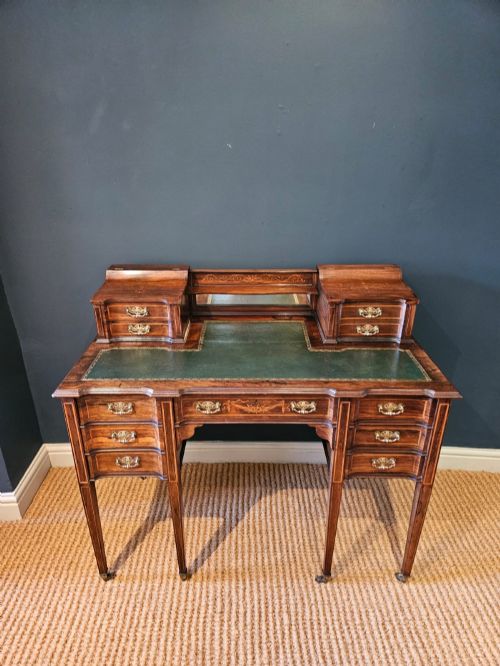
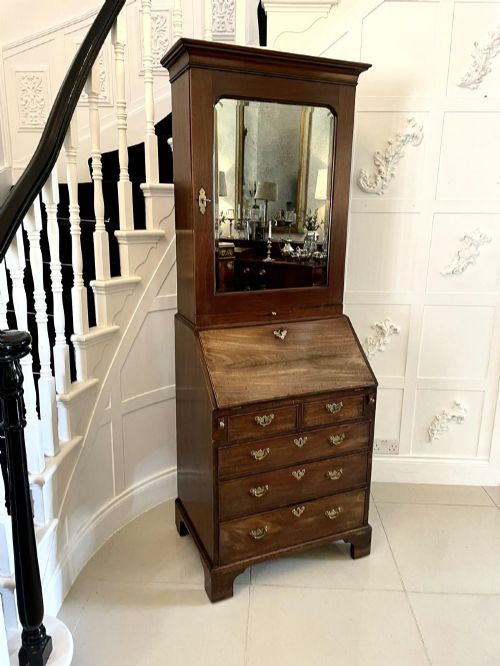
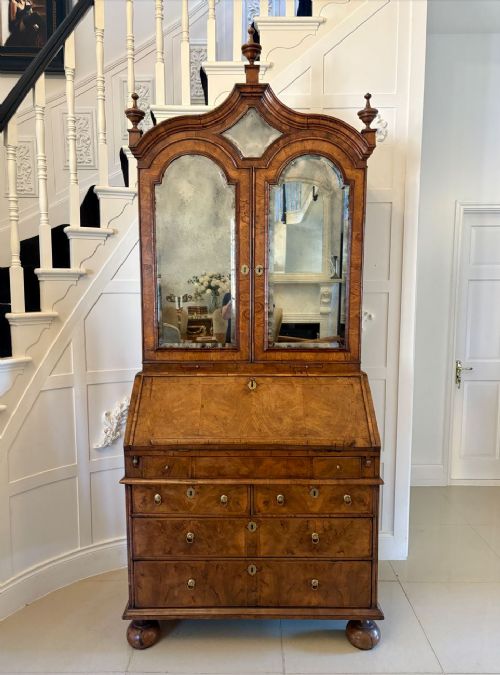
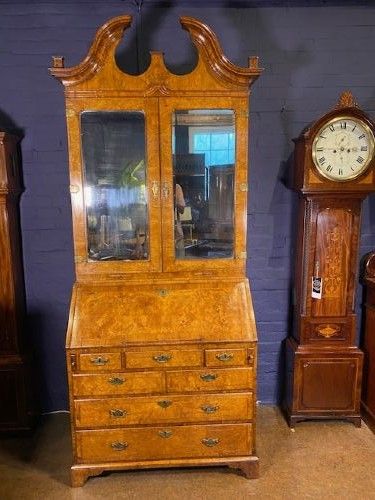
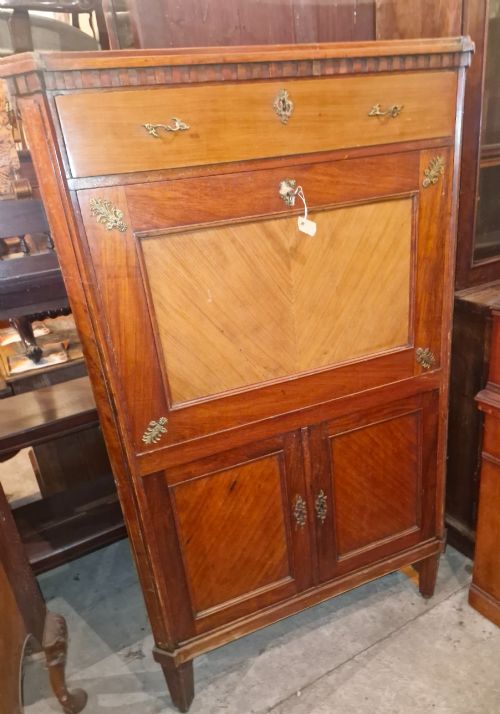
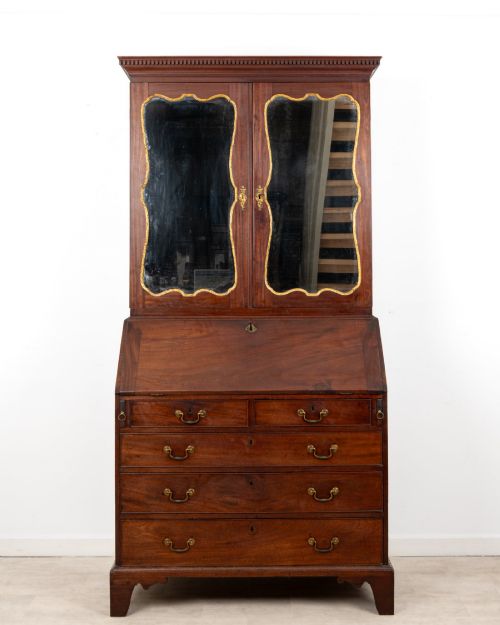
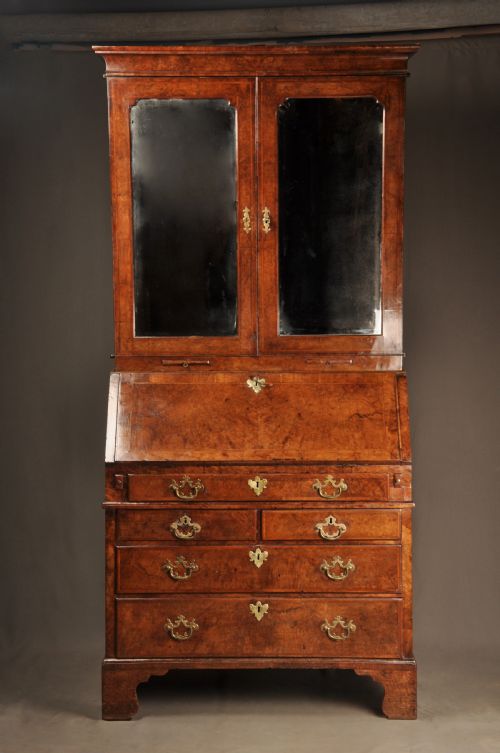
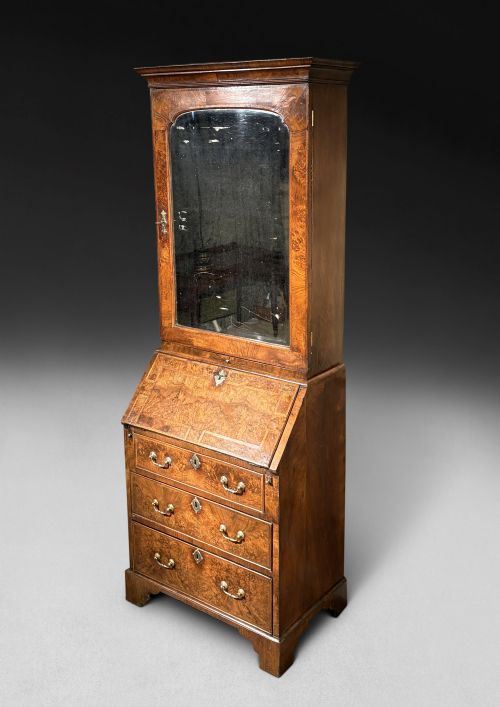
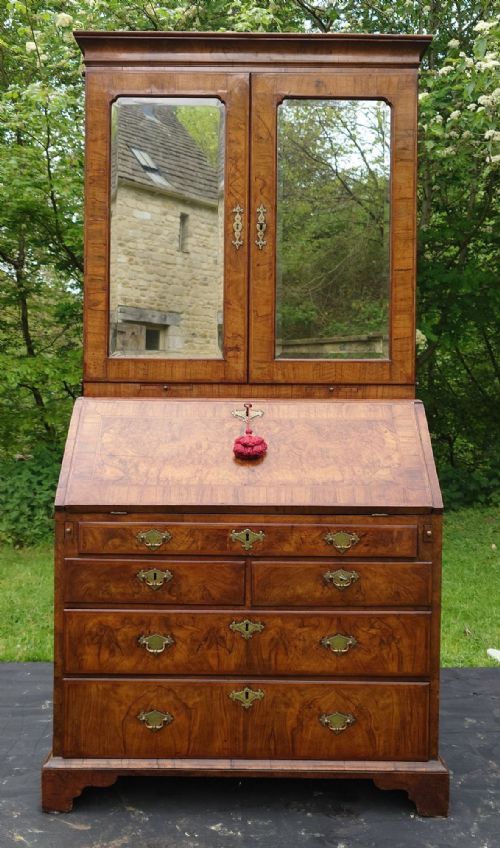
When buyers search for a mirrored bureau desk, they encounter an array of writing furniture incorporating glass panels, dressing mirrors, or bureau bookcases spanning from the seventeenth century to the EDWARDian era.
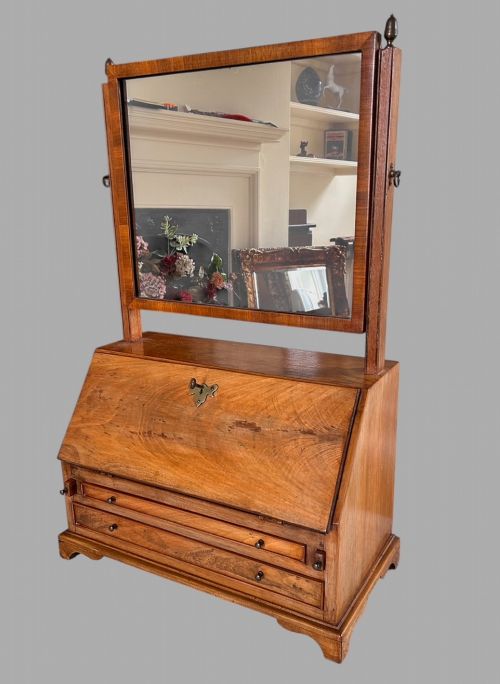
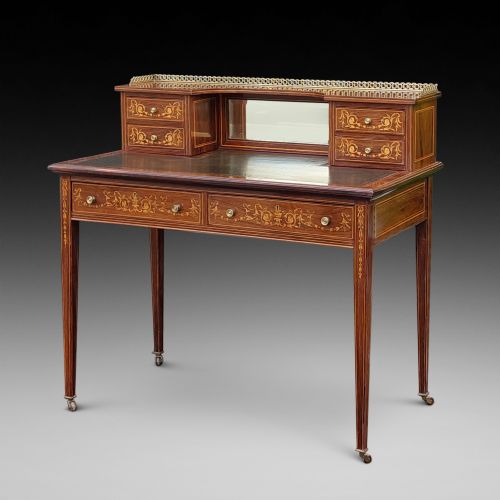
The pieces appearing on this page most frequently take the form of tall bureau bookcases in walnut or mahogany, alongside smaller table-top bureau fitments and satinwood writing tables with mirrored superskeletons.
Originating across English, Irish, Italian, and Chinese export workshops, these items integrate storage, writing surfaces, and reflective glass into cohesive forms designed for domestic use.
Materials and construction methods
Cabinet makers utilised dense hardwoods such as mahogany, oak, and walnut, frequently applying burr walnut veneers and delicate featherbanding to enhance the visual depth of the exterior surfaces.
Mirror glass was integrated into upper cabinet doors or fitted onto bureau table-tops and dressing chests, often accompanied by brass hardware, satinwood inlay, and intricate hand-painted details.
Listings feature walnut, mahogany, satinwood, and rosewood across periods spanning from the seventeenth century to the EDWARDian era.
Distinctions in craftsmanship and design
The standard of execution rests on the selection of figured timbers, where symmetrical grain patterns and precise marquetry elevate an example above standard production work.
Proportion and the integrity of the original mirror glass and brass fittings determine the standing of each piece, distinguishing ambitious cabinet work from simpler utility items.
Maple & Co
The Mirrored Bureau Desk Glossary
- Bureau bookcase
- A writing cabinet featuring a fall-front desk section beneath enclosed shelving or cupboard doors. This form provides dual storage and writing utilities.
- Bonheur du jour
- A light ladies writing desk originating in the eighteenth century, often equipped with small drawers, compartments, and a mirrored superstructure.
- Secretaire cabinet
- A piece of furniture containing a pull-down writing drawer or compartment concealed behind doors. It often incorporates mirror panels within its upper section.
- Featherbanding
- A decorative inlay technique using small strips of veneer laid in a herringbone pattern around the borders of drawer fronts and panels.
- Kneehole
- A recessed space beneath the centre of a desk or dressing chest designed to accommodate the user's legs while seated.
Mirrored Bureau Desk: Frequently Asked Questions
What is a mirrored bureau desk?
A mirrored bureau desk is a dual-purpose piece of antique furniture that pairs a writing surface with glass mirror plates, either set into upper cabinet doors or mounted on a table-top bureau fitment.
These items range from large bureau bookcases housing shelved upper compartments to compact satinwood writing tables designed for boudoir use.
How do I date a walnut bureau bookcase?
Dating relies on examining the primary timber species, veneer types, drawer construction methods, and hardware styles. Early examples from the seventeenth and eighteenth centuries often feature solid walnut or burr walnut with hand-cut dovetails and brass bat-wing handles.
Later Victorian and Edwardian interpretations frequently introduce machine-sawn elements, inlay work, and alternative secondary timbers beneath the surface veneers.
Were these desks used for writing?
Yes, the fall-front or drawer mechanisms open to reveal a fitted interior with pigeonholes, small drawers, and a flat writing surface lined with leather or polished wood. They served as private correspondence centres for letter writing and document storage.
The accompanying mirror glass allowed users to check their appearance while attending to correspondence or grooming in dressing rooms and boudoirs.
Where were these pieces made?
The pieces seen here originate predominantly from English workshops, alongside regional variations from Ireland, Italy, and international trade centres such as China.
English cabinet makers utilised native and imported woods, while Venetian examples often displayed distinct lacquered finishes and Burr walnut veneers characteristic of eighteenth-century Italian production.