
Mirrored Bedroom Drawers
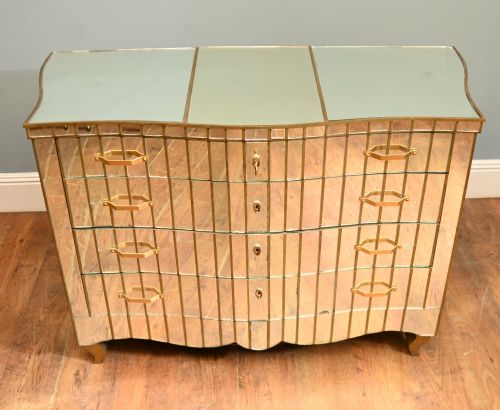
These mirrored bedroom drawers bring practical storage and reflected light to a room, offering the warmth of period timber alongside silvered glass.
Mirrored Bedroom Drawers
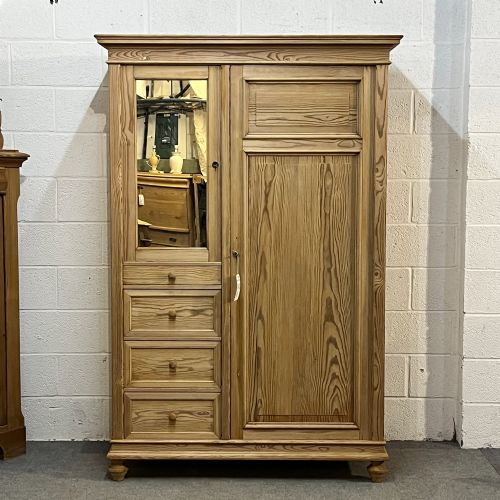
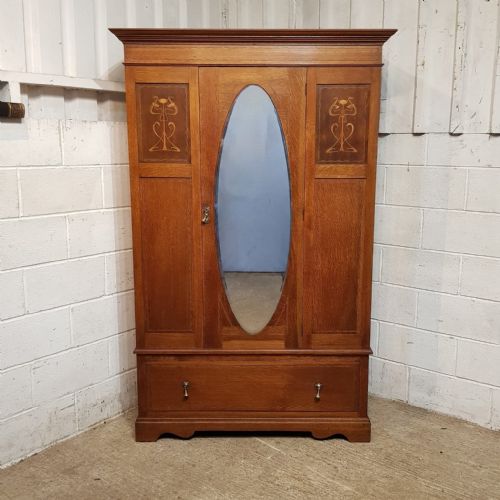
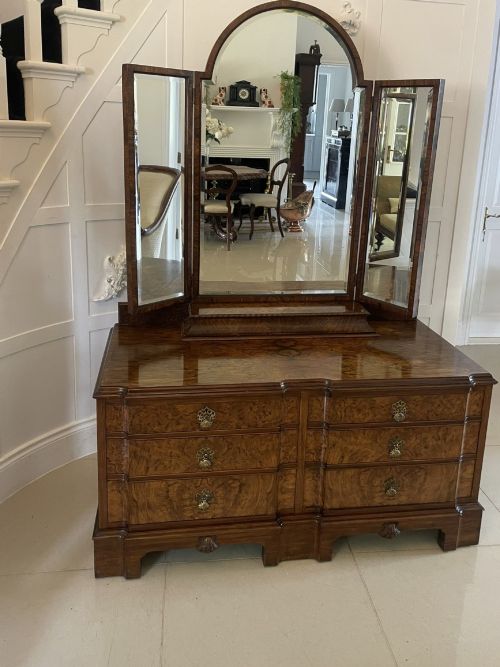
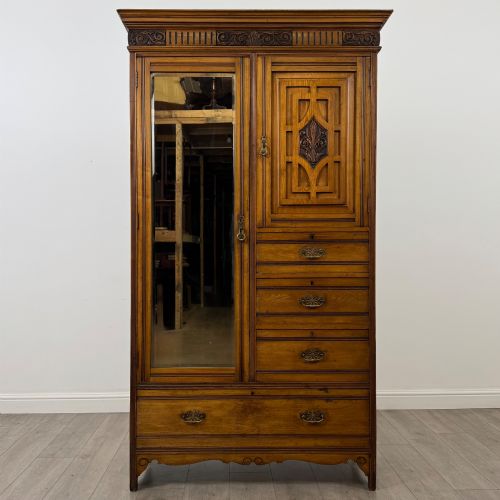
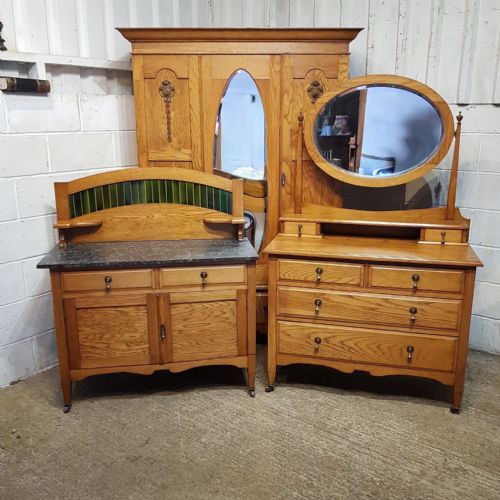
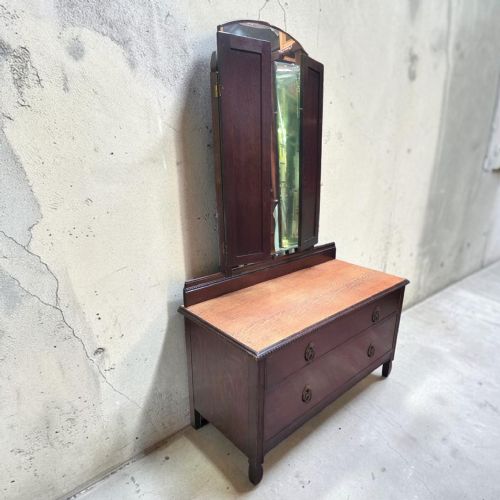
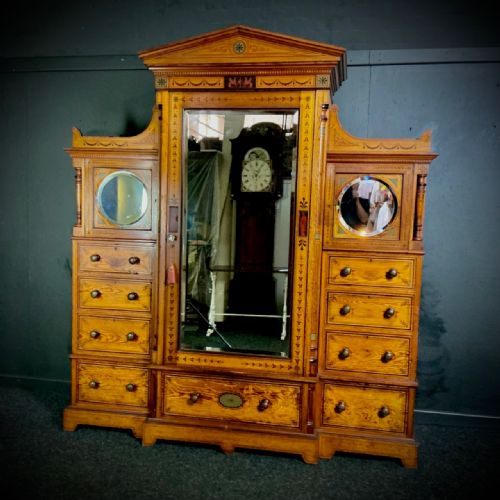
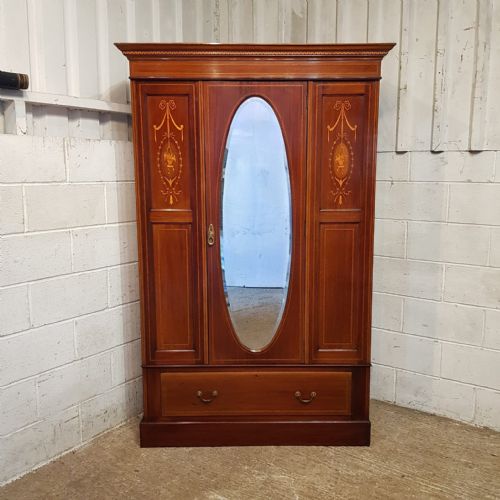
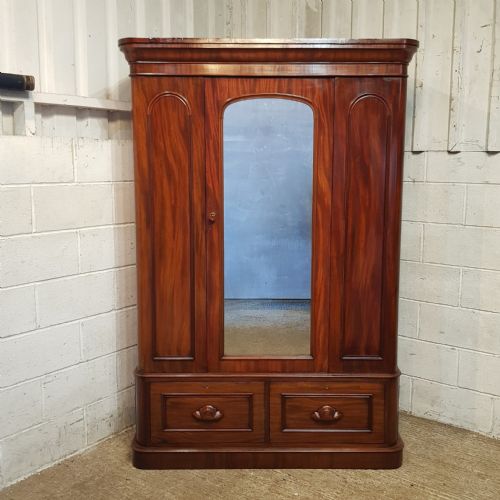
When searching for mirrored bedroom drawers, buyers encounter pieces designed for personal grooming and garment storage from the Victorian and Edwardian eras through to the 1930s. These forms combine functional compartments with reflective surfaces, ranging from dressing chests with integrated mirrors to large compactum wardrobes.
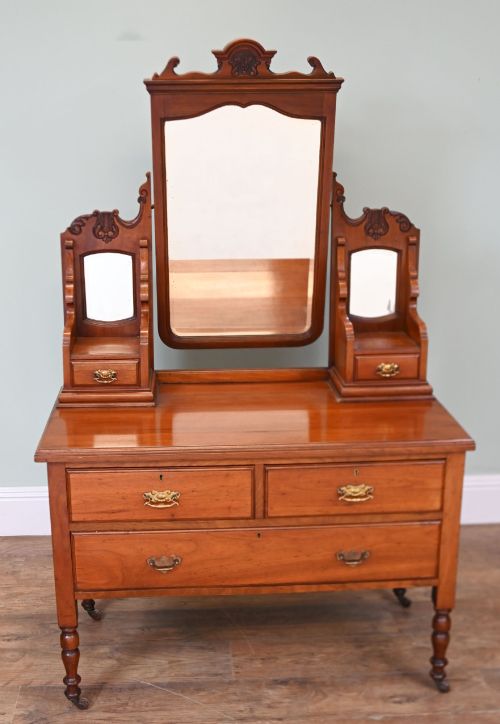
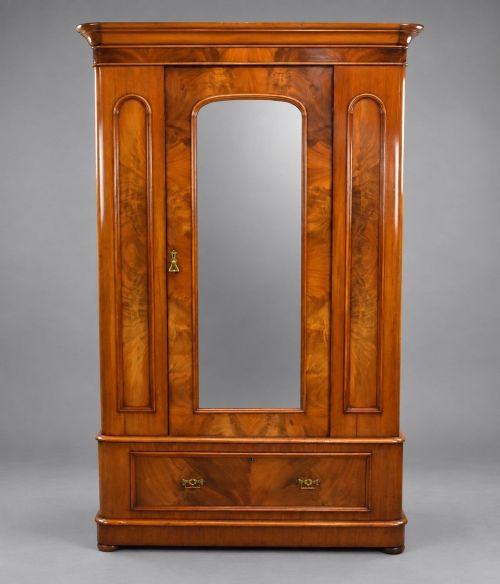
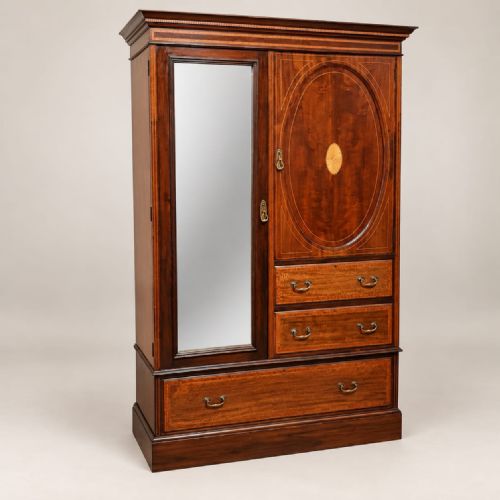
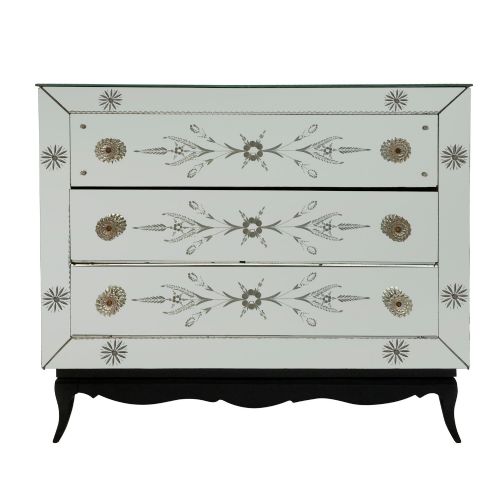
The selection on this page draws primarily from late nineteenth and early twentieth-century workshops, spanning Edwardian mahogany, Victorian pine, and French Art Deco designs. Pieces often integrate drawers directly beneath or beside mirror plates, fulfilling both storage and dressing functions in domestic interiors.
Materials and construction methods
Cabinet makers utilised a range of solid timbers and veneers, predominantly mahogany, oak, walnut, and pine, often finished with brass hardware and marble tops. Carcasses were joined using traditional methods to support heavy mirror glass plates safely within the wooden frames.
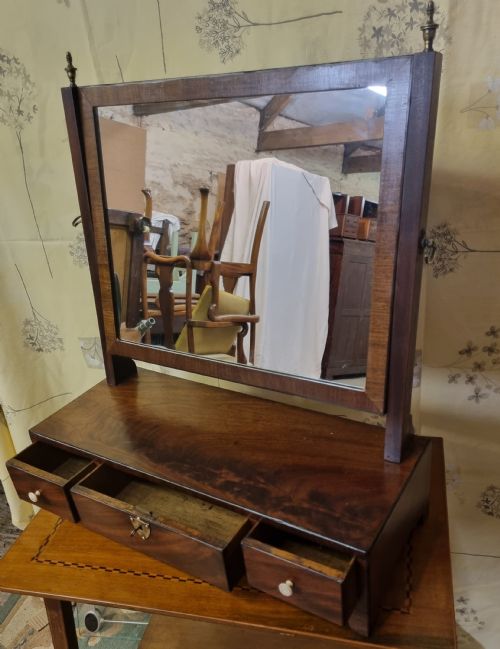
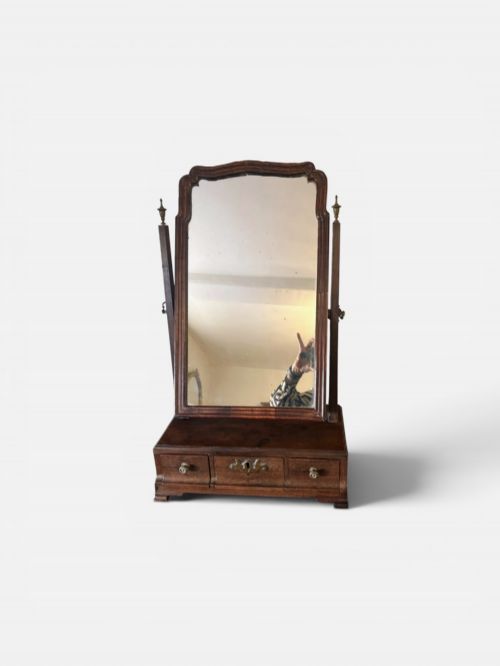
Silvered mirror glass was cut and bevelled to fit doors and swing frames, secured with wooden beads or brass clips. Timber surfaces received polish or paint finishes, protecting the wood while accentuating grains such as burr walnut and figured mahogany.
Listings feature pieces constructed from mahogany, oak, walnut, pine, and ash, paired with glass and marble.
Distinctions in construction and design
The calibre of a piece depends on the selection of timber and the precision of the joinery, particularly in the framing of large mirror plates and drawer construction. Superior examples display carefully matched wood veneers, robust internal framing, and original brass fittings that operate smoothly.
Proportion and decorative restraint separate standard utility items from finer studio or branded furniture. Integrated design choices, such as carved details or harmonious hardware, elevate the presence of wardrobes and dressing chests.
Shapland and Petter·Heals
The Mirrored Bedroom Drawers Glossary
- Compactum
- A multi-functional wardrobe featuring a combination of hanging space, shelves, and internal drawers within a single carcass.
- Swing mirror
- A looking glass mounted on pivoting side supports, allowing the angle of reflection to be adjusted.
- Chiffonier
- A low storage unit combining drawers and cupboards, occasionally adapted for bedroom use.
- Bevel
- An angled edge cut along the perimeter of a mirror plate to catch and refract light.
- Carcass
- The main structural body or frame of a piece of furniture before drawers and doors are fitted.
Mirrored Bedroom Drawers: Frequently Asked Questions
What periods do these pieces come from?
The inventory spans the Victorian and Edwardian eras, extending into the early twentieth century and the 1930s. Pieces reflect the prevailing tastes of those decades, from heavy mahogany to lighter oak and painted pine.
Craftsmanship evolved across these periods, moving from robust Victorian construction towards the simpler lines of the Arts and Crafts movement and Art Deco styles.
How do I care for antique mirror glass?
Mirror glass requires gentle cleaning with a soft cloth and mild solution, avoiding harsh chemicals that can damage the silvered backing behind the glass. Care must also be taken around the wooden frames to prevent moisture ingress.
Checking the stability of the mounting brackets periodically ensures the glass remains secure within its wooden surround.
Are these wardrobes easy to dismantle?
Larger wardrobes and compactums from the Victorian and Edwardian periods were frequently constructed to be taken apart for transport and installation in domestic bedrooms. Pegs, screws, and modular carcass designs allowed large furniture pieces to move between rooms.
Reviewing the construction of a specific piece clarifies whether panels and cornices separate easily during relocation.
What is the difference between a dressing chest and a dressing table?
A dressing chest incorporates deep drawers for clothing storage beneath the mirror and top surface, whereas a dressing table typically focuses on kneehole space and smaller cosmetic drawers.
Both forms served central functions in period bedrooms, pairing a writing or grooming surface with integrated mirror glass.