


Art Deco Glass Dresser
An art deco glass dresser brings striking geometric form and gleaming surfaces into a room, offering both practical storage and period elegance.
Art Deco Glass Dresser
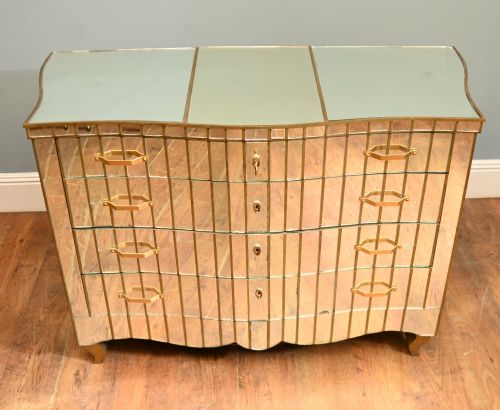
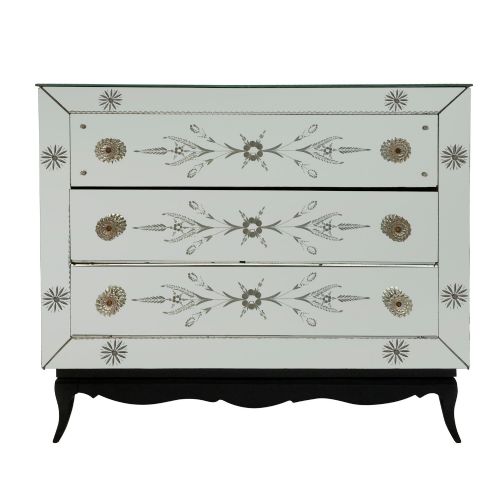
When you search for an art deco glass dresser, you encounter pieces that combine functional furniture with the luminous qualities of mirrored and clear glass. The selection ranges from substantial mirrored chests of drawers to smaller dressing table accessories such as powder boxes and perfume bottles.
The objects span the nineteen twenties and nineteen thirties, showcasing the distinct aesthetic of French Art Deco alongside classic British iterations. Alongside large furniture, you will frequently find related tabletop items that incorporate glass, crystal, and opalescent finishes.
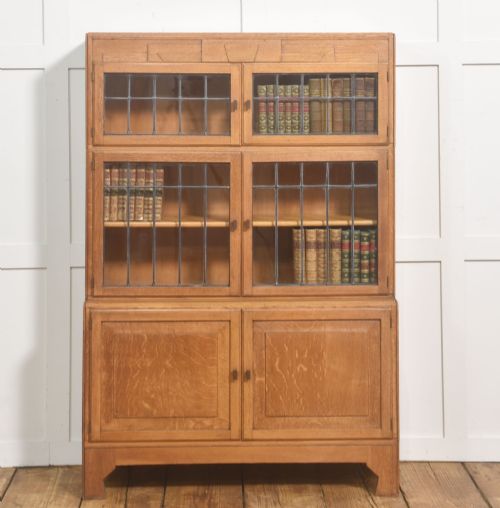
Larger items utilise wood frameworks such as oak to support heavy mirrored glass panels, while smaller vessels rely entirely on pressed or crystal glass. Each piece reflects the era's obsession with clean lines, reflective surfaces, and luxurious materials.
Materials and construction methods
Makers constructed large furniture items using sturdy timbers like oak as a structural base for heavy mirrored glass panels. These mirrored surfaces were meticulously bevelled and fitted to wooden frames to create seamless, reflective facades.
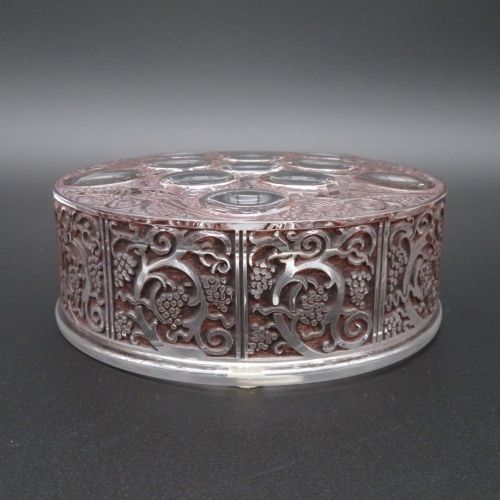
Smaller decorative items and containers were produced using mould-blown crystal, opalescent glass, and etched glass techniques. Skilled artisans often combined these glass elements with brass mounts, silver, and enamel details to enhance the visual appeal.
Even a competitive sailing presentation box finds a home here, proving that early enthusiasts brought nautical pride straight to the dressing table.
Distinguishing quality across the range
Quality in these pieces rests upon the crispness of the glass moulding, the depth of the etchings, and the precision of the joinery in mirrored furniture. Superior examples display flawless silvering on mirrored panels and sharp, well-defined motifs without distortion.
The inclusion of precious metals like silver or specialised enamel work elevates certain vessels above standard production items. Furthermore, pieces bearing recognisable signatures or attribution to prominent glassworks demonstrate a higher degree of artistic execution.
Lalique·Hoffman·Sabino·W.M.F.
The Art Deco Glass Dresser Glossary
- Opalescent Glass
- Glass containing minerals that create a milky, semi-translucent appearance with shimmering blue or fire-like highlights when lit. This technique was a hallmark of luxury French glassmaking during the period.
- Mirrored Glass
- Flat glass coated on the reverse with a reflective silver substance to create a mirror. It forms the primary decorative skin for major furniture items of this era.
- Crystal
- A high-clarity form of glass often containing lead oxide to increase weight and brilliance. It allows for deep, crisp cutting and superior light refraction.
- Etched Glass
- Glass decorated by applying acid or abrasives to eat away the surface and create frosted designs. This method produced subtle contrasts between clear and matte areas on boxes and bottles.
Art Deco Glass Dresser: Frequently Asked Questions
What defines an art deco glass dresser?
These pieces are characterised by their use of mirrored glass panels, polished wooden structures, and geometric silhouettes typical of the interwar period. They serve both as functional storage and as decorative statements.
Smaller variants include crystal powder boxes and opalescent perfume bottles designed to sit atop dressing furniture. Together, they capture the glamorous design ethos of the nineteen twenties and thirties.
How do I care for mirrored furniture?
Mirrored surfaces require gentle cleaning with non-abrasive glass cleaners applied to a cloth rather than sprayed directly onto the joints. This prevents moisture from seeping behind the silver backing.
Wooden elements benefit from occasional treatment with appropriate oils or waxes to keep the timber conditioned. Avoid placing these items in direct sunlight or damp environments to preserve the glass and backing.
What is opalescent glass?
Opalescent glass is a type of decorative glass that produces a milky, glowing effect with subtle colour shifts. It diffuses light gently and creates a distinctive visual depth.
French makers frequently utilised this technique for perfume bottles and small decorative boxes. The milky quality highlights moulded relief designs with striking contrast.
How can I distinguish nineteen twenties from nineteen thirties pieces?
Items from the nineteen twenties often lean towards more exuberant, transitional styles that still echo earlier decorative traditions. They frequently incorporate delicate enamelling and contrasting metals.
Pieces from the nineteen thirties tend to feature starker, more streamlined geometric forms and heavier reliance on plain mirrored surfaces. Structural minimalism became the dominant theme as the decade progressed.