



Miniature Oak Box
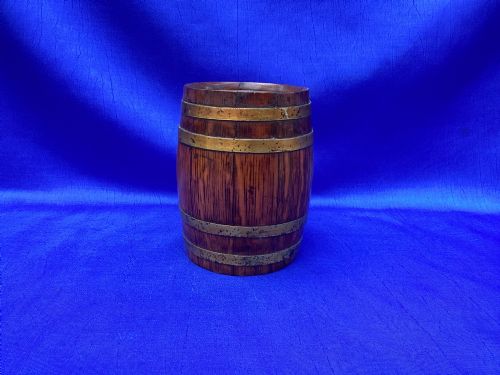
A miniature oak box is a small scale version of domestic furniture, prized for its dense timber grain and exceptional craftsmanship.
Miniature Oak Box
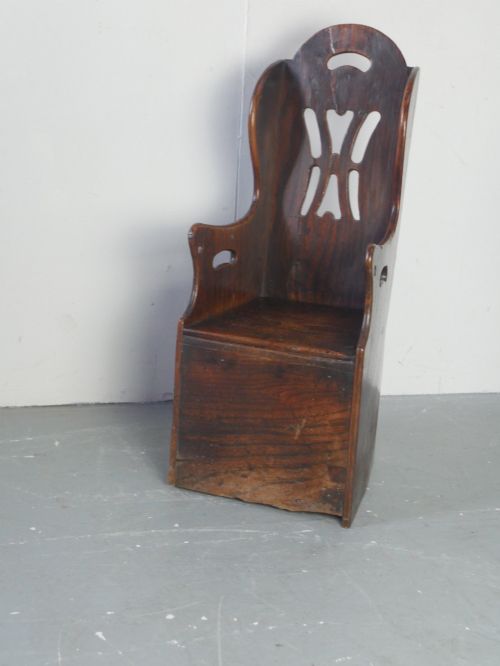
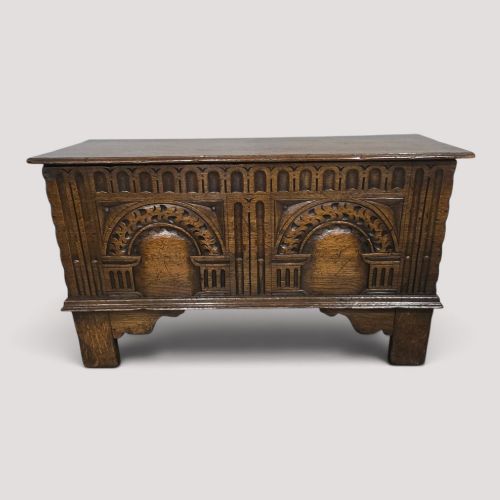
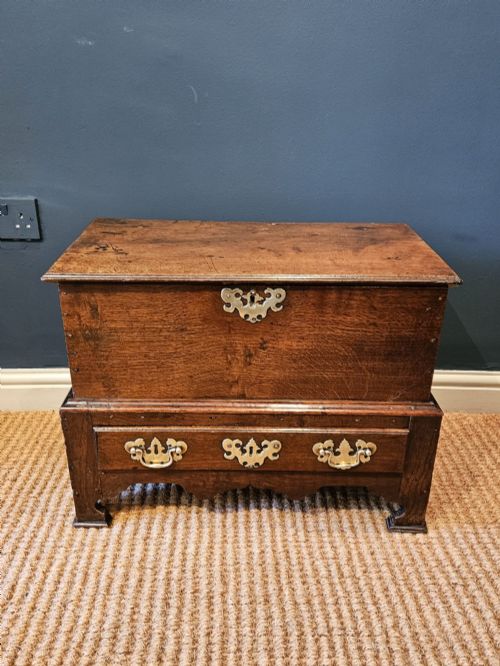
When searching for a miniature oak box, buyers encounter small scale chests, coffer bach examples, spice cabinets, and apprentice pieces. These items served practical domestic functions on a reduced scale, often utilised for documents, valuables, or personal keepsakes.
The pieces on this page span from the seventeenth century through the Georgian and Victorian eras into the early twentieth century. Welsh vernacular items and English country pieces appear frequently, alongside French and Dutch examples.
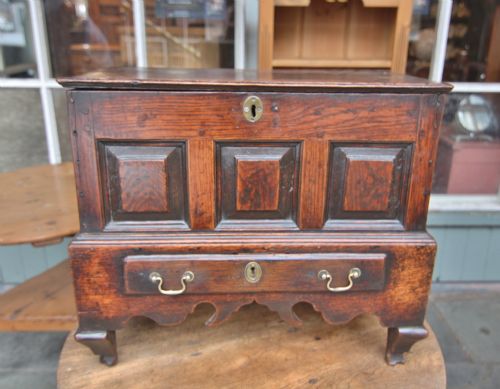
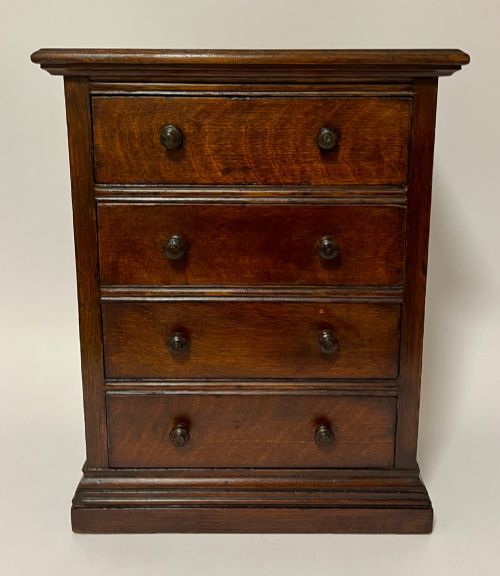
Common forms include miniature blanket chests, tabletop chests of drawers, wall hanging cupboards, and tea caddies. Regional variations, such as the Welsh coffer bach raised on feet, demonstrate local vernacular traditions executed in miniature.
Materials and Construction
Makers utilised solid oak alongside supporting secondary timbers such as pine and elm, sometimes incorporating burr oak veneer or wood inlay for decorative contrast. Panels were typically frame and panel construction, allowing the timber to expand and contract naturally.
Hardware played an essential functional role, with brass hinges, escutcheons, and locks fitted to secure the contents. Iron fixings and turned wooden feet appear on regional vernacular pieces, reflecting the practical joining methods of country cabinet makers.
Listings feature oak, burr oak, elm, pine, and brass across eighteenth and nineteenth century domestic forms.
Assessing Quality and Proportion
Quality rests primarily on architectural proportion and the fidelity with which a full scale piece of furniture is scaled down. Superior examples maintain balanced drawer dimensions, crisp mouldings, and appropriate thickness of timber without appearing clumsy.
The choice of timber grain and the integrity of the surface patination distinguish finer items. Retaining original brass hardware, locks, and feet adds substantial merit, whereas replaced components or heavy alterations diminish the integrity of the piece.
The Miniature Oak Box Glossary
- Coffer bach
- A small Welsh oak chest, often fitted with drawers beneath the till, historically made as a marriage gift or presentation piece.
- Apprentice piece
- A small scale item demonstrating a joiner's skill in mastering joints and proportions before admission to a guild.
- Spice cabinet
- A small wall hanging or tabletop cupboard containing multiple internal drawers for storing expensive culinary spices.
- Till
- A small internal compartment built into the upper corner of a chest for holding coins or small valuables.
- Patina
- The surface sheen and colour developed on timber over centuries of handling, polishing, and exposure to light.
Miniature Oak Box: Frequently Asked Questions
What was a miniature oak box used for?
These small vessels stored high value items such as documents, jewellery, currency, or spices within a household. Their portable scale allowed owners to secure important possessions safely.
Some regional examples, such as the Welsh coffer bach, functioned as ceremonial gifts presented for marriages or significant birthdays.
How do I date an old oak box?
Dating relies on examining construction methods, such as hand cut dovetails, peg joinery, and the profile of mouldings. Earlier seventeenth and eighteenth century pieces display vernacular hand tool marks.
Secondary timbers inside drawers and the style of brass hardware also provide reliable chronological markers for the Georgian and Victorian periods.
Are apprentice pieces genuine?
Many small chests traditionally called apprentice pieces served as salesmen's samples or domestic tabletop storage rather than formal guild tests. Genuine items display the same timber preparation and joinery standards as full scale furniture.
Regional vernacular pieces often share the exact construction traits of larger local coffers and desks.
How should I care for antique oak?
Keep wooden boxes away from direct heat sources and rapid humidity shifts to prevent the timber from splitting or warping. Natural beeswax applied sparingly maintains the surface finish.
Avoid modern liquid polishes that can build up a residue and dull the historic surface patination.