


Military Portrait Wall Art
Military portrait wall art captures centuries of martial service through oil paintings, mezzotints, and watercolours depicting officers and regiments.
Military Portrait Wall Art
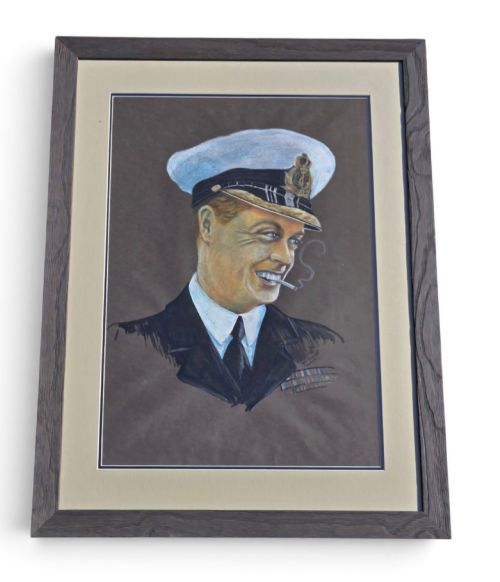
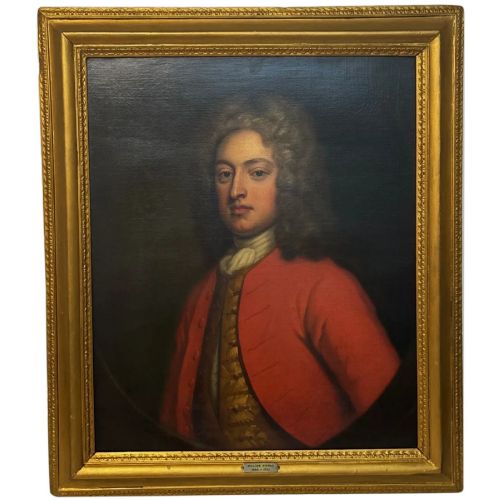
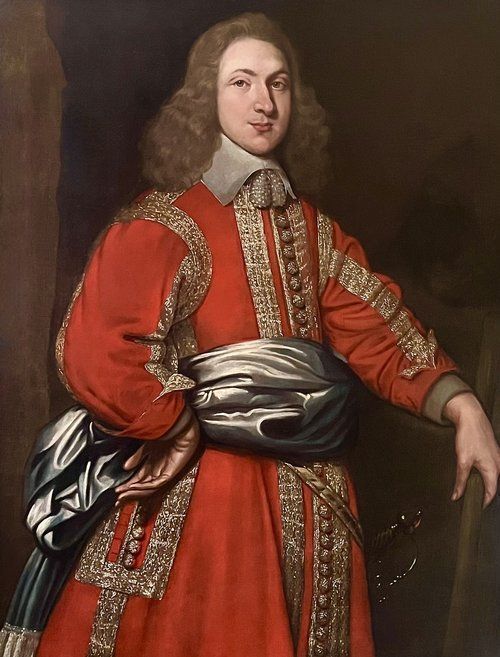
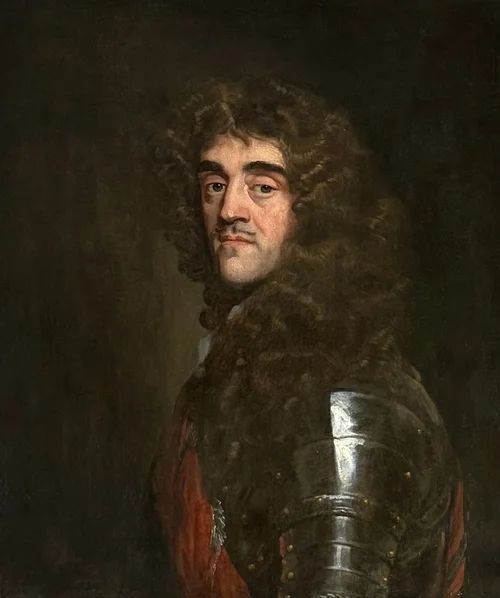
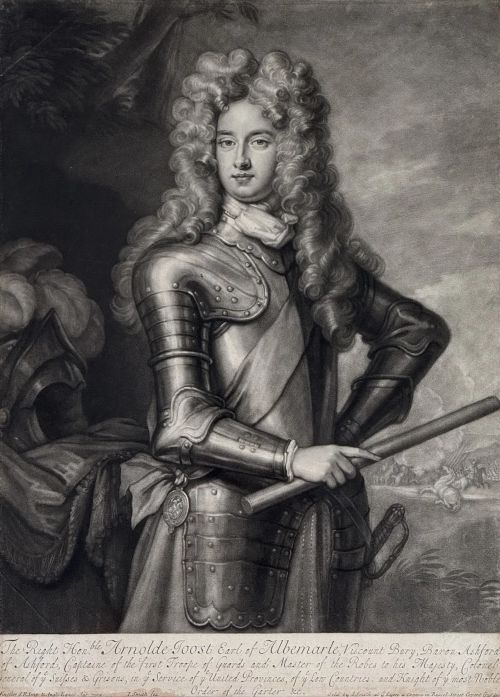
Military portrait wall art encompasses framed depictions of officers, cavalrymen, and soldiers spanning from the seventeenth century through to the mid-twentieth century. Buyers searching this phrase encounter formal oil paintings on canvas alongside works on panel, delicate pastels, and printed mezzotints recording historical service. The selection bridges centuries of military representation, from seventeenth-century figures in full armour to twentieth-century wartime sketches.
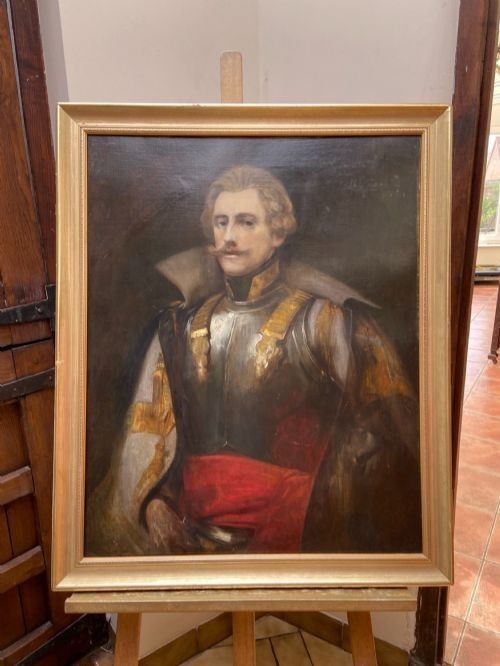
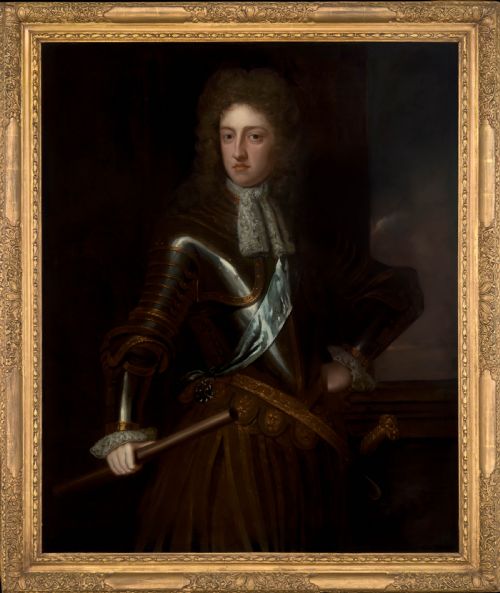
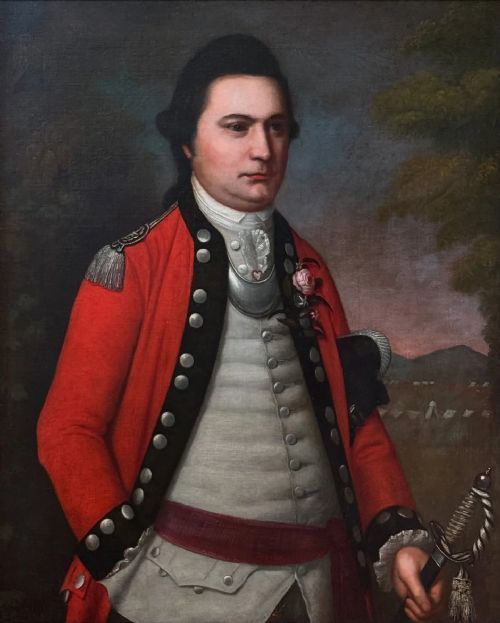
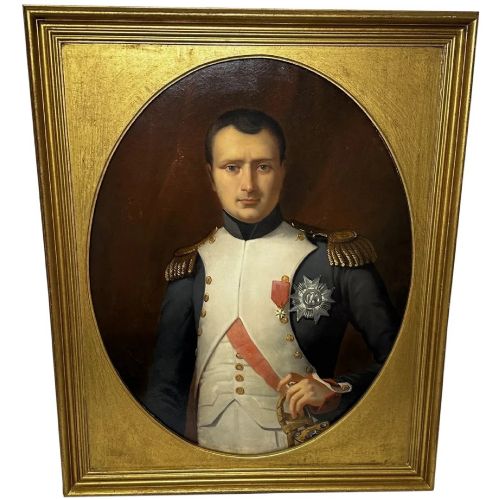
The seventeenth and eighteenth centuries are well represented by oil portraits of officers in red coats, cuirassiers, and commanders wearing steel plate armour. These pieces often reflect Baroque and Georgian sensibilities, capturing subjects associated with specific regiments and dynastic campaigns. Later nineteenth-century examples introduce Victorian historical militia, naval subjects, and French military officers rendered in grand scale.
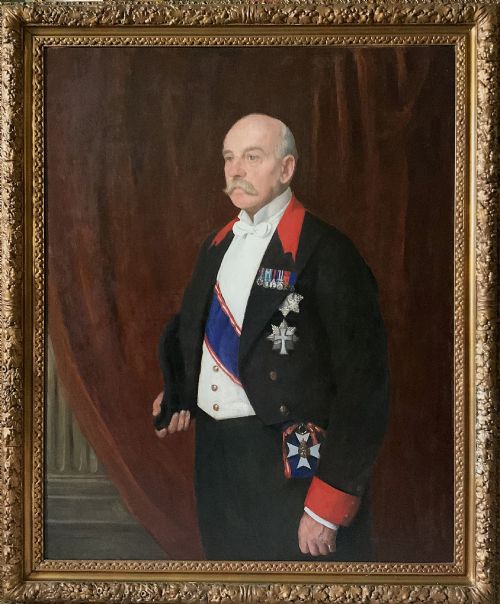
Twentieth-century iterations shift towards more immediate records, including First World War soldier portraits and wartime pastel sketches of engineers. Alongside these traditional fine art mediums, buyers find painted soldiers on wooden panels, reverse glass prints, and naval watercolours. This variety allows collectors to source everything from monumental oil paintings to intimate works on paper reflecting personal military service.
Materials and construction techniques
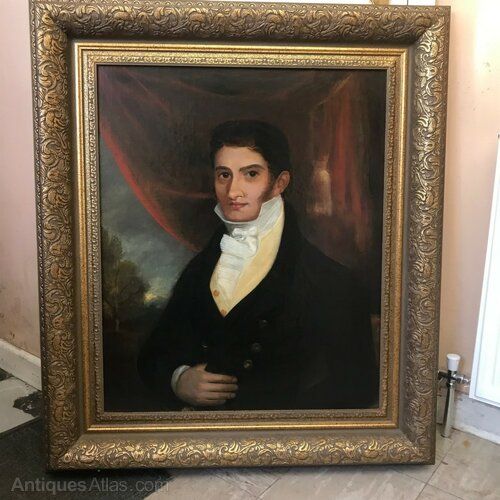
The primary medium for these works is oil paint applied to stretched canvas or wooden panels, often framed in ornate giltwood moulding. Artists built rich surfaces using layered pigments to render the glint of steel armour, scarlet wool uniforms, and elaborate lace cravats. Support materials range from heavy woven canvas to dense timber panels suited for detailed portraiture.
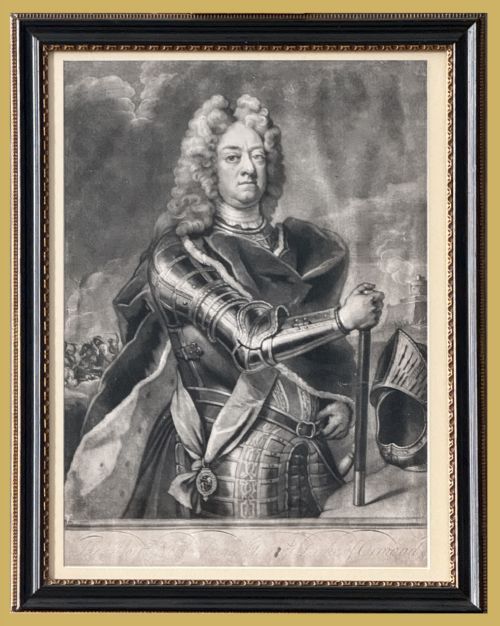
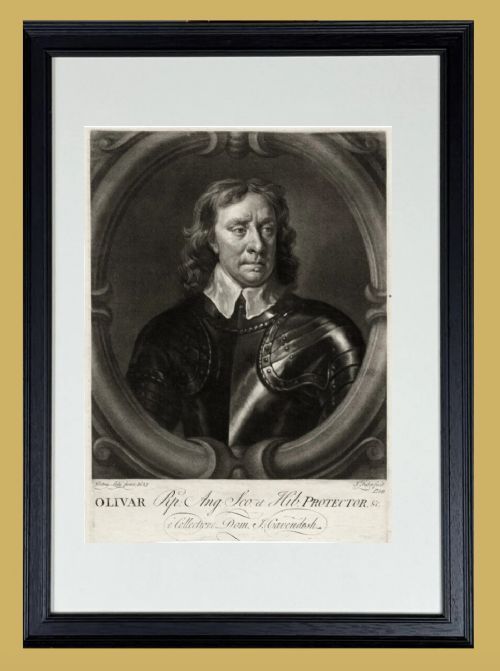
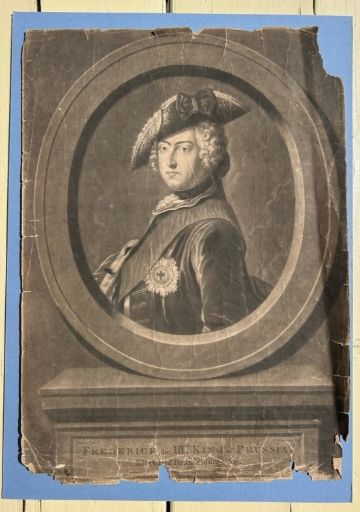
Works on paper utilise varied techniques including ink, gouache, watercolour, and pastel to capture rapid wartime sketches or finished compositions. Mezzotint engravings provide tonal depth through the application of a roughened copper plate, allowing printmakers to translate complex oil paintings into multi-tonal prints. Glazing with protective glass is frequently utilised on works on paper, watercolours, and reverse glass prints to preserve delicate pigments.
Listings feature works spanning the seventeenth, eighteenth, nineteenth, and twentieth centuries, executed in oil, pastel, and gouache.
Assessing artistic execution and preservation
State of preservation significantly influences the standing of a piece, particularly regarding the stability of the canvas, the integrity of early paint layers, and the absence of heavy overpainting. Original framing contributes to the historical context, with period giltwood mouldings enhancing the overall visual weight of large oil paintings. Provenance and identified sitters also elevate the interest of a work, connecting the portrait directly to documented historical figures and regiments.
John Simon·John Smith·Sir Godfrey Kneller·Stickland Lowry·Joseph Sympson·Richard Houston·Sir Peter Lely·Antoine Pesne·Paul Leon Jazet·Sir Anthony van Dyck·David Scougall·John Greenhill·Herskind
The Military Portrait Wall Art Glossary
- Mezzotint
- A printmaking process where the copper plate is roughened to produce dark tones, allowing smooth gradations of light and shade. This technique was frequently utilised in the eighteenth century to reproduce painted portraits of military commanders.
- Cuirassier
- A cavalry soldier equipped with a cuirass consisting of a breastplate and backplate over a uniform. These figures appear frequently in seventeenth and eighteenth-century military portraiture.
- Giltwood
- Timber carved and coated with a thin layer of gold leaf, commonly used for framing fine art portraits. Period frames often feature elaborate moulding styles specific to Georgian or Victorian aesthetics.
- Reverse glass print
- An image applied directly to the rear side of a glass panel and viewed from the front, producing a distinctive glossy surface finish. This technique was popular for decorative portrait prints during the nineteenth century.
Military Portrait Wall Art: Frequently Asked Questions
How do I date an antique military portrait?
Dating relies primarily on the style of the uniform, facial hair, and wig fashions visible in the subject's attire. Reference points such as the cut of a red coat or the presence of specific armour types align with documented military history.
Secondary clues include the stretcher construction, canvas type, and the framing materials used. Mezzotints and engravings often feature publication dates inscribed beneath the image area.
What is the difference between an oil painting and a mezzotint?
An oil painting is a unique, hand-painted original work created directly on canvas or panel using pigment suspended in oil. Brushstrokes and paint texture remain visible under close inspection.
A mezzotint is an engraved print created from a metal plate, designed to reproduce painted imagery in multiple impressions. While printed on paper, high-quality historical mezzotints hold significant collectable status.
Where should I hang a large military portrait?
These commanding works suit principal reception rooms, studies, or hallways with substantial wall space and stable environmental conditions. Large oil paintings require secure wall fixings capable of supporting heavy giltwood frames.
Keep pieces away from direct sunlight and fluctuating heat sources to protect oil paint and paper works from fading or cracking.