


Glass Picture Portrait
A glass picture portrait offers a glimpse into past faces through reverse painting, mezzotint, and print techniques preserved beneath panes of glass.
Glass Picture Portrait
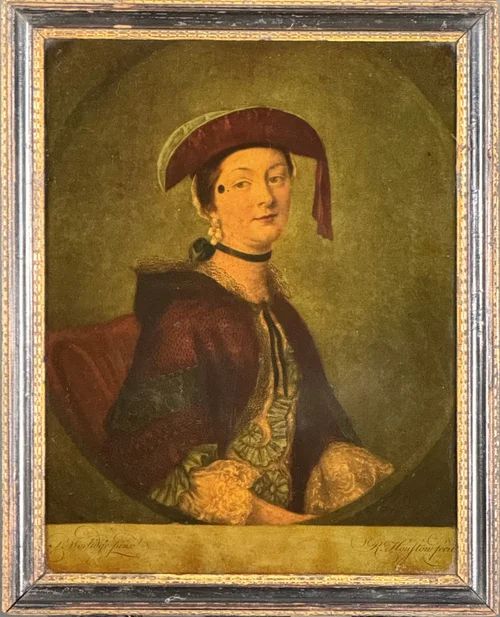
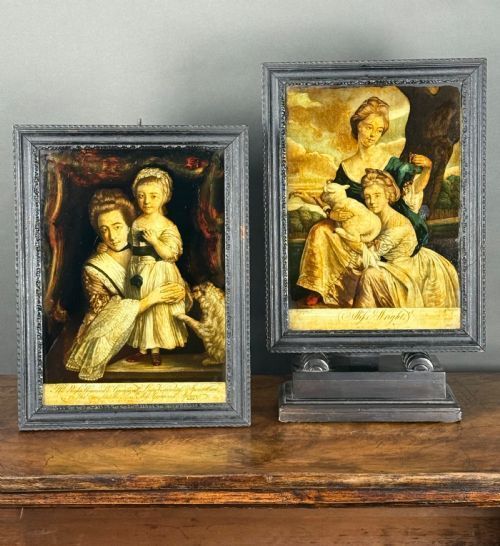
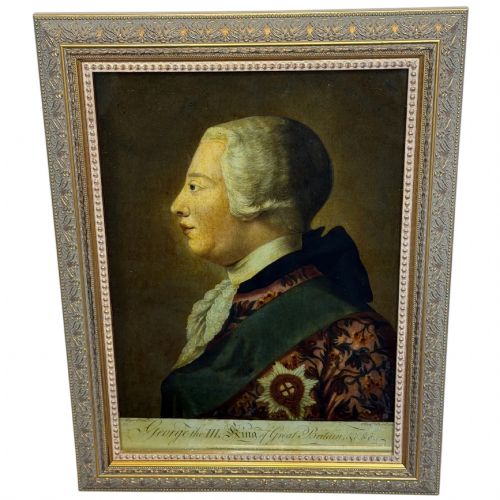
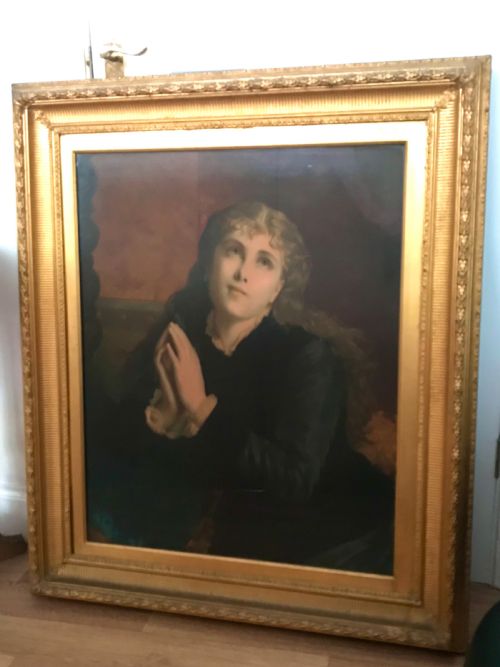
When you search for a glass picture portrait, you encounter works produced across the Georgian, Regency, and Victorian periods, alongside later twentieth-century interpretations. These pieces take the form of wall art, framed prints, and specialised reverse glass paintings or mezzotints depicting notable figures, aristocrats, and domestic subjects.
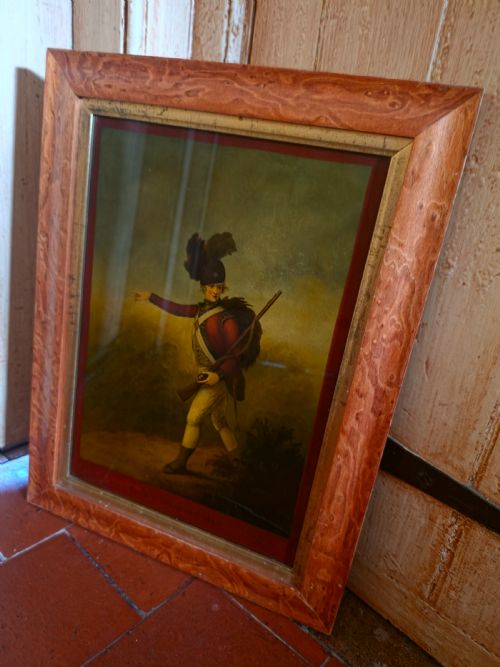
The version most commonly met on this page is the eighteenth-century or nineteenth-century reverse glass print or painting, often housed in its original wooden or gilt frame. Subjects range from aristocratic ladies and military officers to religious figures and literary characters, executed with oil paint, pigment, or ink applied directly to the reverse of the glass.
Alongside wall-hanging pictures, the selection includes miniature portraits set into lockets and photo pendants fashioned from gold and faceted glass. These smaller pieces serve the same portraiture function on an intimate scale, allowing subjects to be carried or worn rather than hung upon a wall.
How they were made
Makers constructed reverse glass pictures by applying paint, ink, or pigment directly to the back of a glass sheet, working in reverse so that the final image appeared correctly oriented when viewed from the front. Artisans frequently combined mezzotint engravings with oil paint or watercolor, transferring the printed line work onto the glass before adding colour by hand.
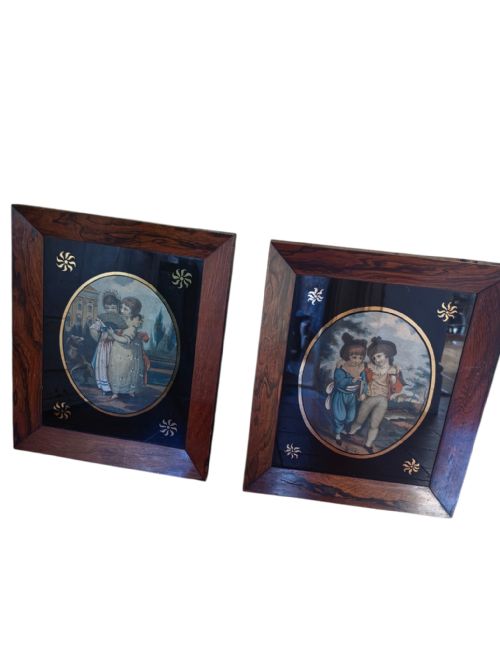
Framing materials played a structural and aesthetic role, utilising rosewood, giltwood, and ormolu to house the delicate glass panels. Some pieces incorporate convex or dome-fronted glass to protect the painted surface and create depth, while pendant lockets enclose miniature portraits behind faceted glass held in gold settings.
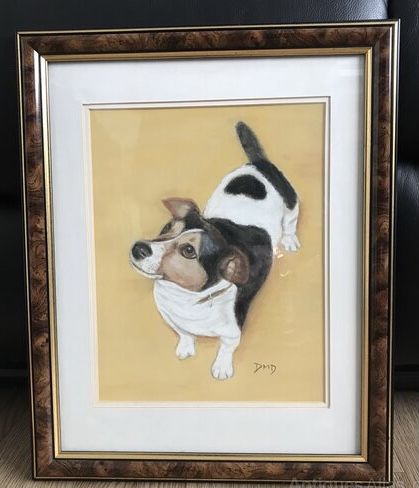
Among the portraits of ladies and officers, a watchful Jack Russell terrier stares out from beneath its glass panel.
What varies in quality
Quality in a glass picture portrait rests upon the crispness of the underlying mezzotint or engraving and the precision of the hand-applied pigment. Finer examples display delicate brushwork and subtle tonal gradations in the flesh tones and drapery, whereas lesser pieces rely on heavy, flat colour that obscures the printed lines beneath.
The survival of the original frame and the condition of the glass itself dictate the integrity of the piece. Works that retain their untouched eighteenth-century or nineteenth-century wood or gilt frames, free from modern repairs or excessive pigment flaking behind the glass, command greater interest.
Charles Spooner·Richard Purcell·Robert Sayer·Abraham Cooper·Takabatake Kasho·John Miers·Adrian Bury
The Glass Picture Portrait Glossary
- Reverse glass painting
- An artwork created by applying paint or pigment to the back of a glass pane so the image is viewed through the front. This technique requires the artist to paint fine details and highlights first.
- Mezzotint
- A printmaking process of the intaglio family where the copper plate is roughened to produce dark tones and scraped to produce light areas. Eighteenth-century makers frequently transferred these prints onto glass for hand colouring.
- Eglomise
- A technique involving the application of cold painting and metal leaf to the rear face of glass. The term is often used for reproductions and decorative panels executed in historical styles.
- Chrystoleum
- A Victorian method of applying a hand-colored paper print to convex glass, rendering the paper transparent with oil and tinting it with paint. This process produced a three-dimensional photographic portrait effect.
- Silhouette
- A solid black or dark profile portrait, usually cut from paper or painted on card or glass. Examples on this site feature delicate colour additions and inscriptions.
Glass Picture Portrait: Frequently Asked Questions
What is a reverse glass portrait?
A reverse glass portrait is an image painted or printed onto the back of a glass sheet. The artist works backward, applying fine details and highlights first so the composition reads correctly from the front.
This technique protects the pigments from dust and environmental wear, leaving a glossy finish that differs entirely from paper or canvas artworks.
How do I hang a glass picture?
Hanging these pieces requires secure wall fixings and sturdy picture wire attached directly to the original frame rather than the backing boards. Because the image is painted on fragile glass, stability is essential.
Keep the pictures away from direct sunlight and damp walls to prevent the pigments behind the glass from fading or lifting over time.
Are chrystoleum pictures photographs?
Chrystoleums are coloured prints rather than photographs, though they often originated from photographic portraits or engravings. Artisans layered the print onto convex glass and applied oils behind it.
This method gave the flat image a rounded, three-dimensional appearance popular during the Victorian era.
How can I date an antique glass portrait?
Dating relies on the style of dress, the framing materials, and the printing techniques employed. Eighteenth-century examples often feature mezzotints of aristocratic subjects, while Victorian pieces include chrystoleums and convex glass.
Examining the backboards, nails, and type of glass pane provides further clues to the manufacturing period.