



Glass Mezzotint Print
Glass mezzotint print works bring remarkable depth and historical polish to an interior, capturing delicate portraiture and classical scenes beneath a protective sheen.
Glass Mezzotint Print
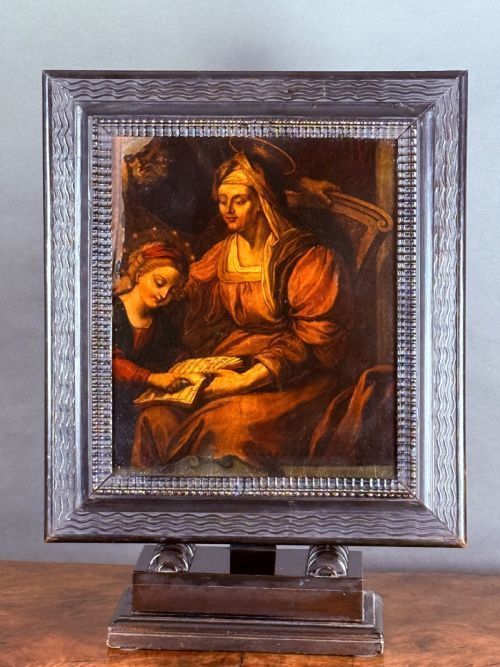
A glass mezzotint print combines the fine detail of printmaking with reverse glass painting, creating luminous portraits and allegorical scenes characteristic of the Georgian and Regency periods. Buyers seeking these works will encounter framed pictures and wall art depicting royal figures, mythological subjects, and seasonal allegories from the seventeenth to the nineteenth centuries.
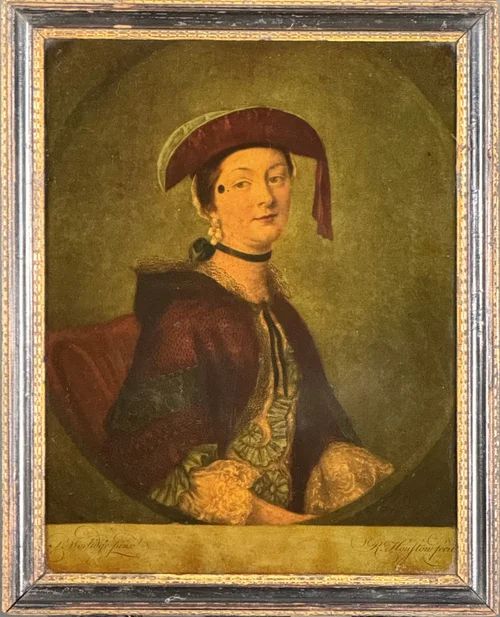
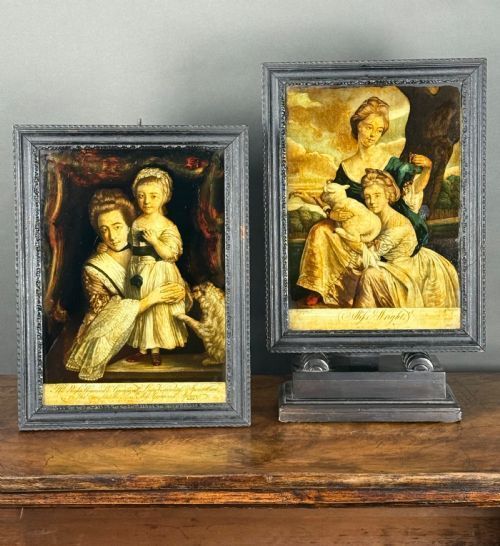
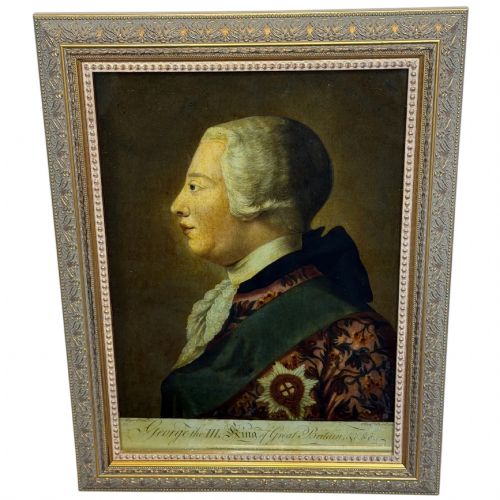
The dominant forms on this page include single portraits of notable historical figures such as King George III and Queen Anne, alongside paired seasonal allegories like Spring and Winter. These works bridge the gap between traditional paper prints and durable glass panels, offering a distinct visual texture that sets them apart from standard framed paper.
Most examples date firmly from the eighteenth century and the Georgian era, utilising traditional print transferred methods combined with hand-applied pigments behind glass. Collectors appreciate the survival of these fragile items, which offer a direct window into historical interior decoration and portraiture.
Assessing quality in reverse glass works
Quality rests heavily on the clarity of the underlying mezzotint transfer and the skill of the hand-applied pigment behind the glass. Finer examples display meticulous brushwork that enhances the shadows and highlights of the original print without obscuring the delicate lines beneath.
The preservation of the original materials, including the stability of the glass panel and the retention of original gold leaf and wood framing, dictates the standing of a piece. Stronger works maintain their original pigment saturation, whereas lesser examples show extensive flaking or muddying of the colours applied to the reverse.
Several ladies from history, including Mrs Brooks and Princess Caroline, gaze out eternally through polished glass.
Charles Spooner·Richard Purcell·Robert Sayer·W. Bishop
The Glass Mezzotint Print Glossary
- Mezzotint
- A printmaking process where the copper plate is roughened evenly to produce rich dark tones and subtle gradations of light. This technique allows for remarkable tonal depth in portraiture.
- Reverse glass painting
- The art of applying paint and pigment to the back of a glass panel so the finished image is viewed through the front. It creates a glossy, luminous surface that protects the pigments from atmospheric dirt.
- Crystoleum
- A Victorian method of applying a colour print to glass, clearing the paper, and hand-painting the reverse before adding subsequent layers. It represents a later evolution of the earlier glass print techniques.
- Allegory
- A symbolic representation used in art to convey abstract ideas through figures, such as the personification of the seasons. Works depicting Spring and Summer frequently employ this narrative device.
Glass Mezzotint Print: Frequently Asked Questions
What is a glass mezzotint print?
A glass mezzotint print is an artwork created by transferring a detailed print onto a glass sheet and painting the reverse side with pigments and gold leaf.
This technique produces a luminous, glossy finish that sets these pieces apart from standard paper engravings.
How should I hang these prints?
These delicate pieces require secure wall fixings away from direct sunlight and excessive moisture to protect the fragile glass and pigments.
Positioning them at eye level in a stable environment ensures the glass and wooden frames remain safe from temperature fluctuations.
How do I date an antique glass print?
Dating relies on examining the style of the portrait, the framing materials, and the characteristics of the glass and backing boards.
Eighteenth-century examples often display distinct Georgian portrait subjects and hand-beveled glass panels distinct from later Victorianrystoleum pieces.
Were these prints meant for domestic use?
Georgian and Regency households utilised these decorative works as indoor wall art to display portraits of royalty and seasonal allegories.
They served as both fashionable conversation pieces and durable alternatives to standard paper prints in parlours and reception rooms.