






Middle Eastern Wool Carpet
A middle eastern wool carpet brings authentic nomadic character and rich texture into a room, offering centuries of regional weaving tradition.
Middle Eastern Wool Carpet
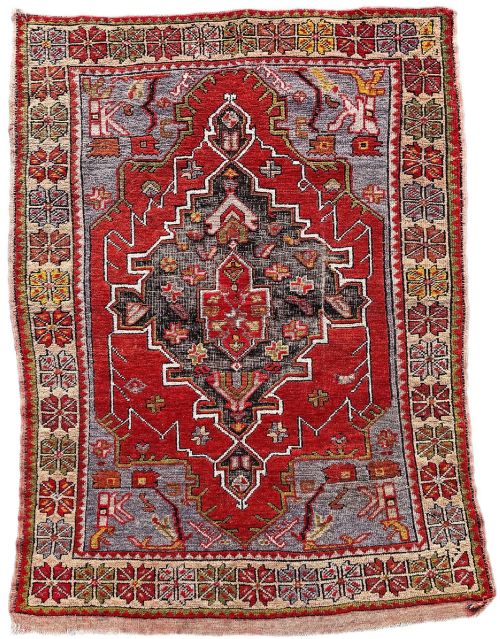
When you search for a middle eastern wool carpet, you encounter heavy floor coverings originating from Persia, Anatolia, and Afghanistan. These textiles encompass village productions, tribal pieces, and grand city carpets.
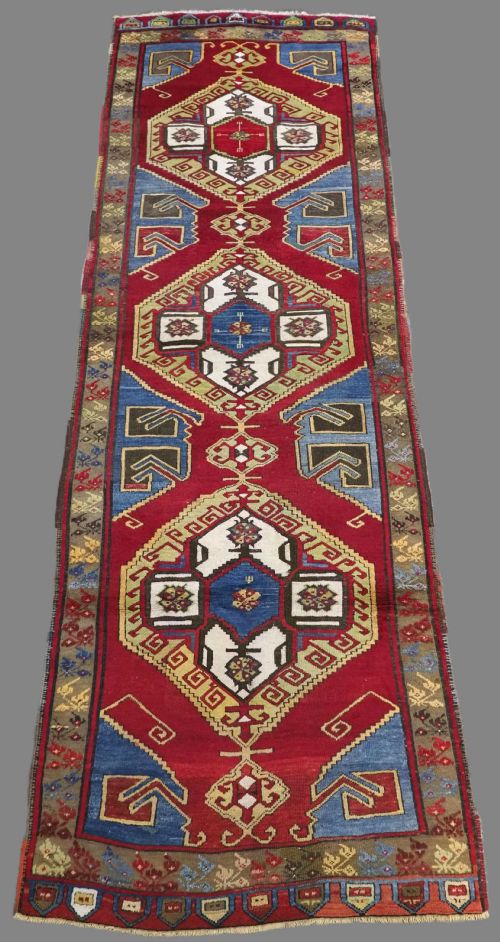
The selections available range from compact prayer rugs and runners to expansive palace-size carpets. Formats include specific regional variations such as Qasvin kilims, Kurdish kellehs, and Baluch prayer rugs.
Origins stretch from the late nineteenth century through the early twentieth century, spanning periods like the Edwardian era and the 1930s. Village weavers and nomadic tribes created the majority of these pieces for practical domestic use.
Materials and Construction
Weavers utilised natural wool and hand-spun wool for the pile, providing durable surfaces designed for heavy wear. Cotton foundations frequently offer structural stability to the overall weave.
Hand-knotting techniques dominate the construction, securing the wool pile firmly to warp and weft threads. Certain pieces employ flat-weaving methods, resulting in lighter, pileless textiles.
Middle Eastern Wool Carpet Retail Price Guide 2026
Typical asking prices for middle eastern wool carpet among the pieces listed under this phrase on Sellingantiques today, from the lower quarter to the upper quarter. They describe what is for sale here now, not the wider market.
Listings span production dates from the 18th century through the 1940s, featuring wool, cotton, and hand-spun wool across Persian, Anatolian, and Afghan origins.
Evaluating Quality
Knot density and precision of execution distinguish finer weaving traditions from simpler village work. Finer examples display intricate pictorial details and balanced compositional harmony.
The depth and vibrancy of natural dye palettes influence the visual impact of each piece. Wool quality also plays a role, with hand-spun variations retaining superior lustre and resilience over time.
Benlian
The Middle Eastern Wool Carpet Glossary
- Mihrab
- A niche design element found in prayer rugs, often indicating the direction of prayer. This architectural motif appears frequently in Turkish and Afghan pieces.
- Kilim
- A flat-woven textile produced without a pile. These pieces rely on interlocking Weft threads to form geometric patterns.
- Warp
- The vertical threads stretched across a loom before weaving begins. These parallel strands form the foundational skeleton of the carpet.
- Weft
- The horizontal threads passed through the warp to secure the knots. They bind the structure together row by row.
- Runner
- A long, narrow carpet format designed for hallways or corridors. These pieces accommodate restricted spatial dimensions.
Middle Eastern Wool Carpet: Frequently Asked Questions
How do I care for my middle eastern wool carpet?
Vacuum gently without using a rotating brush roll to protect the wool pile from unnecessary friction. Rotate the piece periodically to ensure even wear across high-traffic areas.
Professional cleaning suited for antique textiles remains essential every few years. Avoid exposing natural dyes to prolonged direct sunlight to prevent fading.
Can I place these carpets in hallways?
Many examples on this page exist in runner formats specifically suited for corridors and narrow spaces. Wool fibres offer natural resilience against regular foot traffic.
Utilising a quality underlay prevents slipping and cushions the foundation against hard flooring. This simple addition extends the working life of older textiles.
How do I identify tribal designs?
Tribal rugs typically feature geometric motifs, stylized animals, and repeated diamond patterns rather than elaborate floral curves. Weavers working independently in village settings relied on memory and generational patterns.
Asymmetrical structures and variations in colour shading often indicate nomadic production. These charming irregularities confirm hand-craftsmanship rather than industrial output.
What distinguishes prayer rugs?
Prayer rugs incorporate a distinct mihrab arch design pointing toward Mecca. Users knelt upon these specific portable mats during daily religious observances.
Compact dimensions allowed owners to transport them easily during travels. Their focused symbolic layouts differentiate them from general floor coverings.