


Small Wool Accent Rug
A small wool accent rug brings texture and rich regional colour to a room, grounding an interior with genuine historical character.
Small Wool Accent Rug
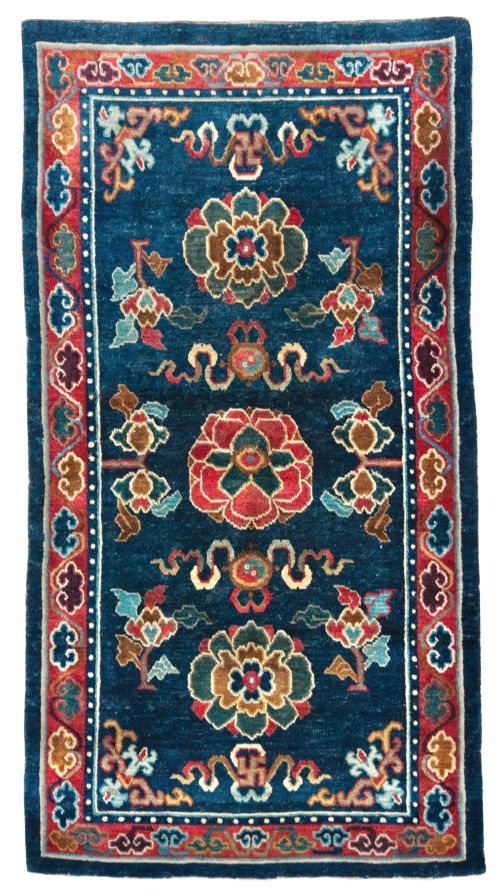
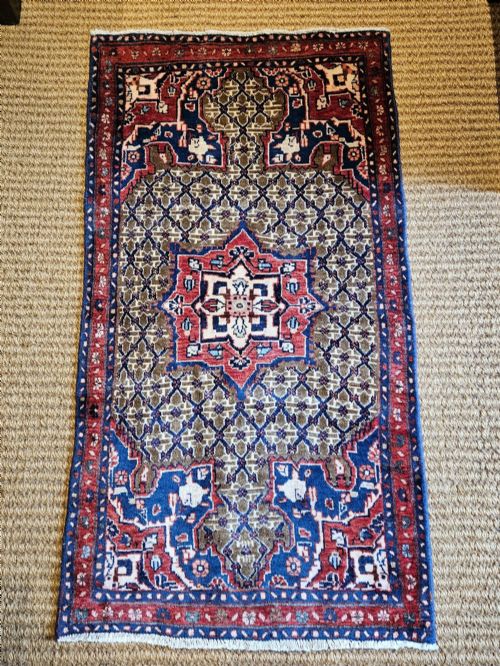
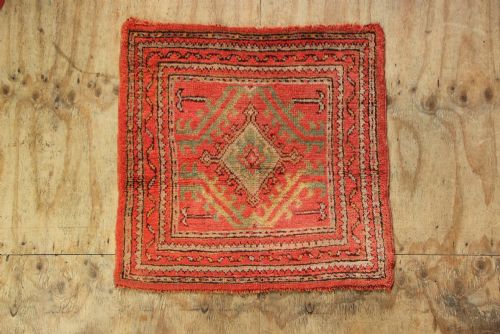
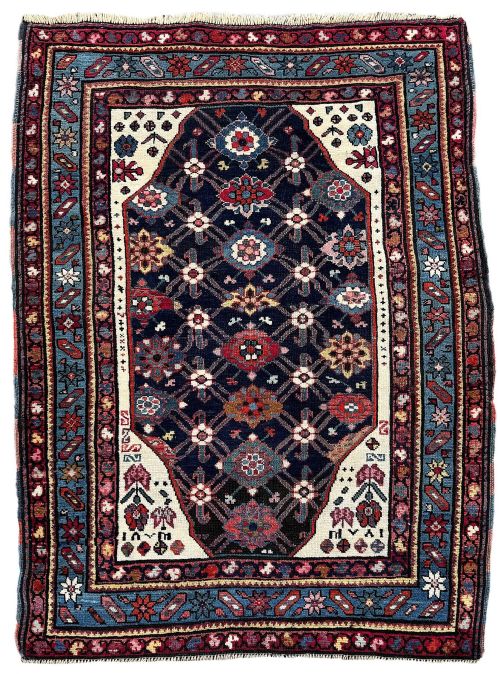
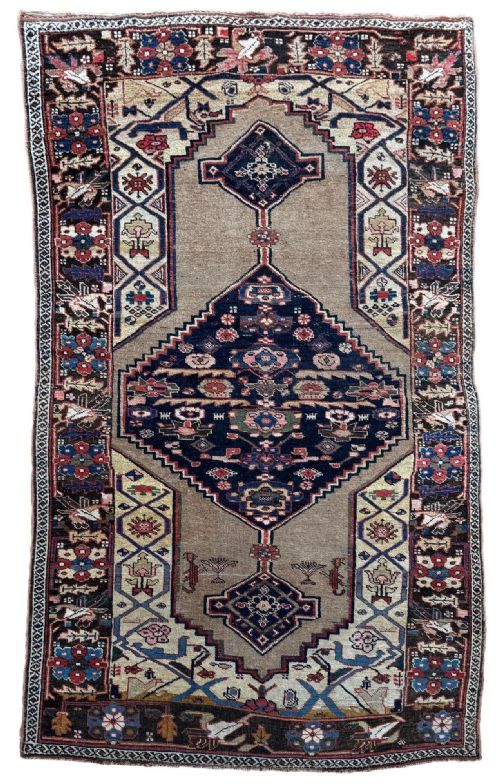
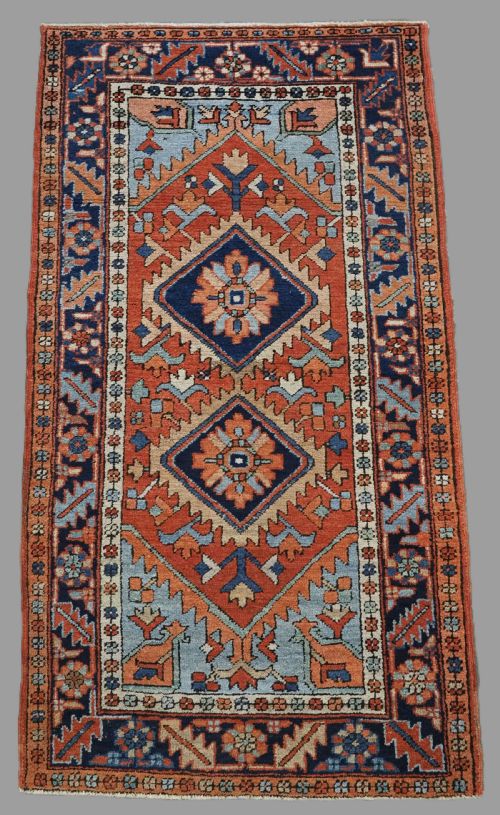
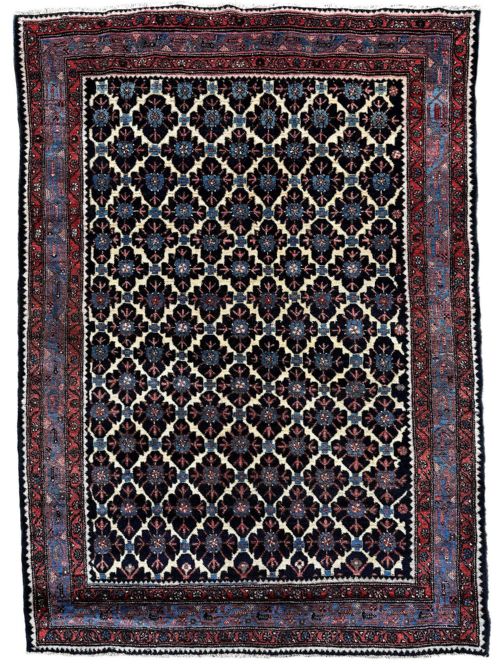
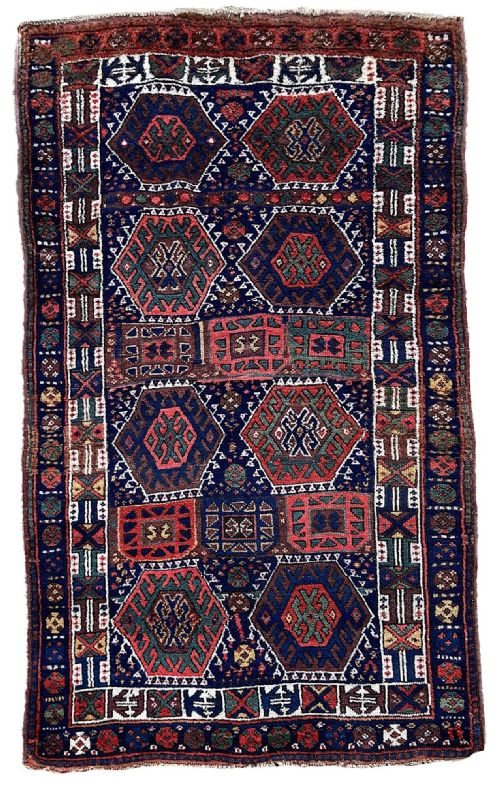
A small wool accent rug encompasses regional woven floor coverings from Persian, Anatolian, Caucasian, and Afghan traditions, dating from the nineteenth century into the early twentieth century. These pieces serve to define compact spaces, hearths, or entryways with distinctive tribal and village motifs.
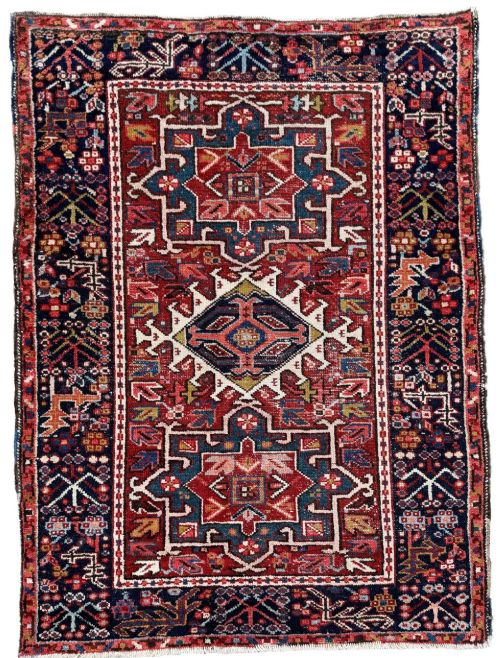
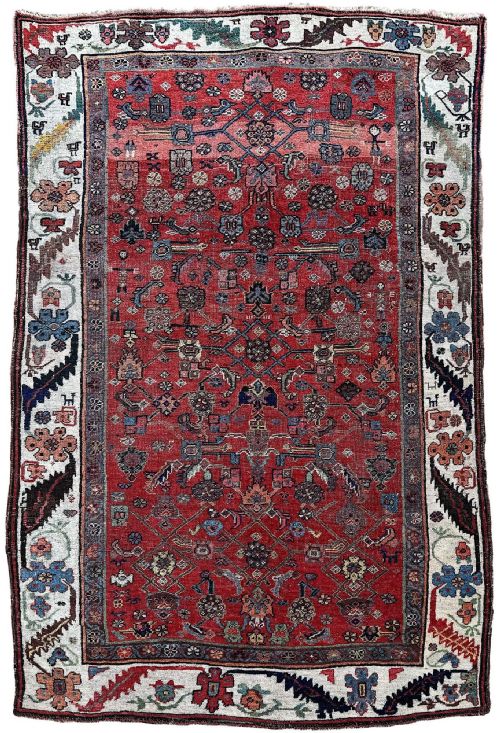
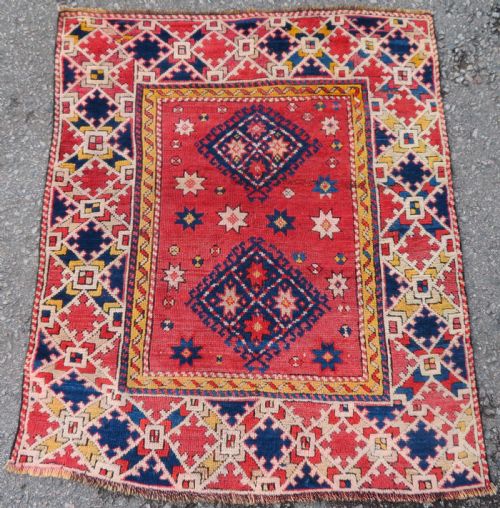
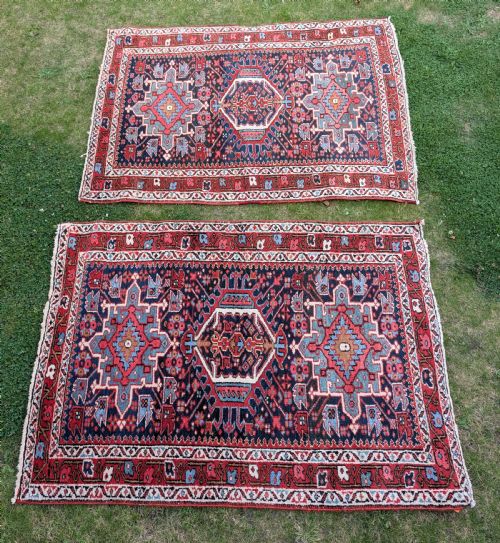
The selections available here lean heavily toward village and nomadic formats such as Karaja, Bidjar, Baluch, and Afghan prayer rugs. They offer authentic room-anchoring scale without dominating a floor plan.
Materials and construction
Makers built these pieces utilising hand-spun wool pile anchored by cotton warps or camel hair foundations, ensuring a resilient structure that softens with age. Natural dyes provided the deep, enduring palettes seen across the regional types.
Weavers knotted the wool by hand, incorporating dense village structures and specialised techniques like the fine weave of Tekke Turkmen dowry pieces or the sturdy foundations of Bidjar and Karaja.
Regional provenance represented across the collection includes Persian, Anatolian, Caucasian, and Afghan tribal weaving traditions.
Assessing quality and character
Quality rests in the vibrancy and complexity of the natural dye palette, alongside the tightness of the knotting and the crispness of the tribal geometry. Superior examples display depth of tone and structural integrity that endure through decades of daily use.
Finer weaves, such as those found in specific nineteenth-century village and tribal formats, demonstrate greater precision in pattern execution and superior wool quality compared to simpler utilitarian counterparts.
The Small Wool Accent Rug Glossary
- Warp
- The vertical foundation threads stretched across a loom before weaving begins. These structural threads support the entire knotted pile of the rug.
- Natural Dyes
- Colouring agents derived from plants, insects, and minerals rather than synthetic compounds. They yield complex, shifting hues that age with a soft patina.
- Prayer Rug
- A rug featuring a central mihrab or niche design historically utilised for personal devotion. The arch motif directs the focal point of the composition.
- Medallion
- A central ornamental design motif placed in the middle of the field. Many regional village rugs centre their composition around a single geometric or star medallion.
Small Wool Accent Rug: Frequently Asked Questions
How do I style a small wool accent rug?
Place these compact textiles beside a bed, in front of a fireplace hearth, or within an entryway where their rich textures can be appreciated up close without heavy foot traffic.
Because they measure under two metres in length, they suit smaller floor spaces or layer effectively over larger neutral carpets to add visual warmth.
What is the difference between village and tribal rugs?
Village rugs are typically woven by settled communities in fixed locations, resulting in somewhat more structured and symmetrical geometric layouts.
Tribal rugs reflect nomadic traditions, often featuring spontaneous designs, deeply personal symbols, and eccentric colour shifts born from remote weaving camps.
How do I care for antique wool rugs?
Vacuum gently using suction only, avoiding the rotating brush bars of modern vacuum cleaners which can pull at hand-spun wool fibres and delicate fringes.
Rotate the textile periodically to ensure even wear across the surface from foot traffic and exposure to natural daylight.
How can I tell the age of these rugs?
Look to the natural dye variations, the wear patterns on the wool pile, and the specific structural characteristics like handmade edges and irregular dimensions.
Dates span from the nineteenth century into the early decades of the twentieth century, with materials like hand-spun wool and camel hair offering clear indicators of period production.